

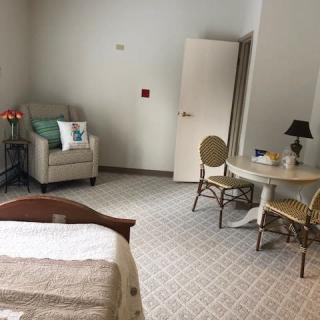
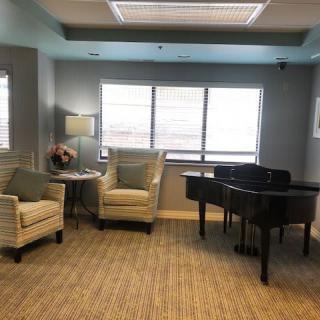



3106 St Charles Dr, Steubenville, OH 43952
To contact a resident: (740) 264-7667
For more information about senior living options: (866) 208-4318
Carriage House Assisted Living Costs & Pricing
At Carriage House Assisted Living, the monthly costs for accommodation are notably competitive when compared to both Jefferson County and the broader state of Ohio. For a studio apartment, residents can expect to pay $2,750, which aligns with the average cost in Jefferson County but is significantly lower than the state average of $3,727. Similarly, the one-bedroom option is priced at $3,250; while this is higher than Jefferson County's average of $2,258, it remains more economical than the state-wide figure of $3,712. This pricing structure reflects Carriage House's commitment to providing affordable assisted living options without compromising on quality or care.
| Floor plans | Carriage House Assisted Living | Jefferson County | Ohio |
|---|---|---|---|
| Studio | $2,750 | $2,750 | $3,727 |
| 1 Bedroom | $3,250 | $2,258 | $3,712 |
Assisted Living communities with a similar price nearby
-
About the same
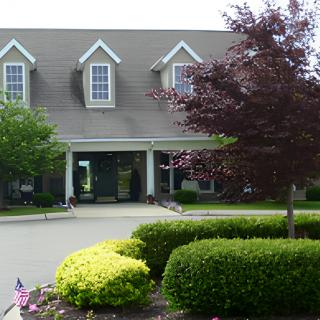
The Wyngate Senior Living Community
$2,721 to $5,157 / month7.0 miles away -
from +$340 / mo
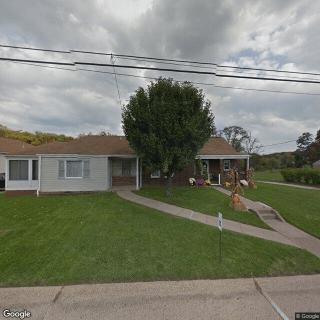
Woodland Hills Assisted Living
$3,090 to $3,660 / month6.0 miles away -
from -$350 / mo

Ann's Country Retreat
$2,400 to $2,970 / month9.5 miles away
Overall Review of Carriage House Assisted Living
Pros
 The staff are sensitive and go above and beyond for residents.
- The LPN is an absolute gem who treats patients like family.
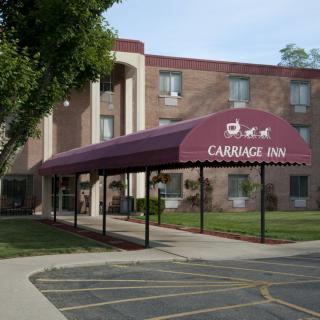
- Carriage House Assisted Living is a nice, well-kept facility with a homey feel.
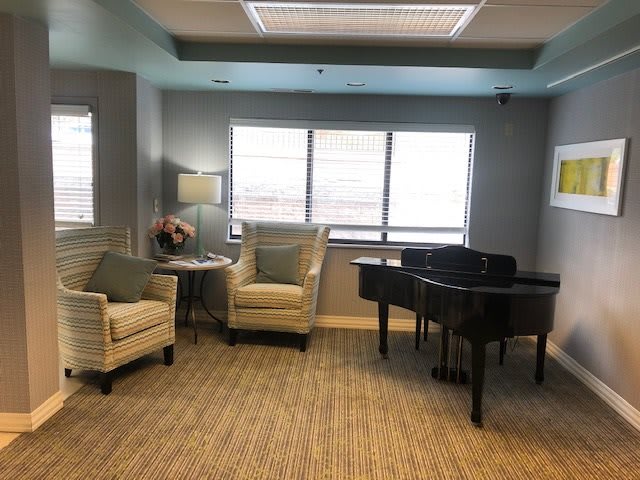
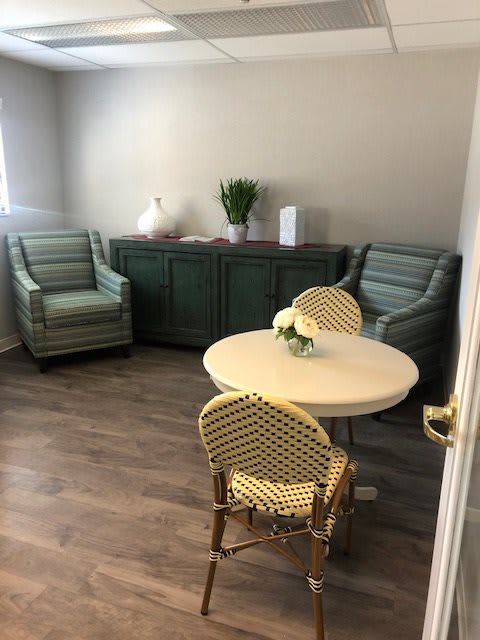
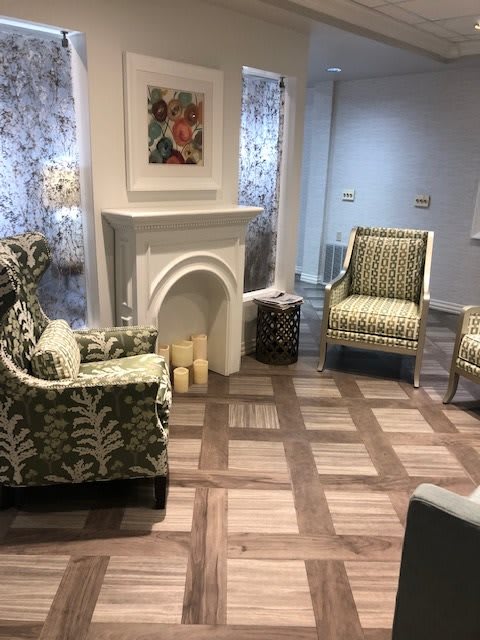
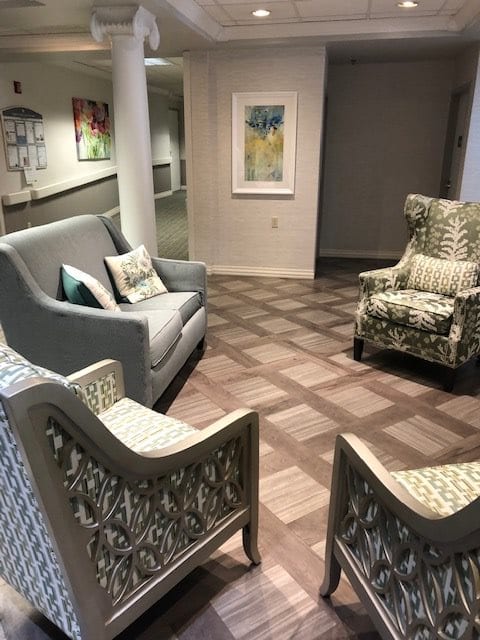
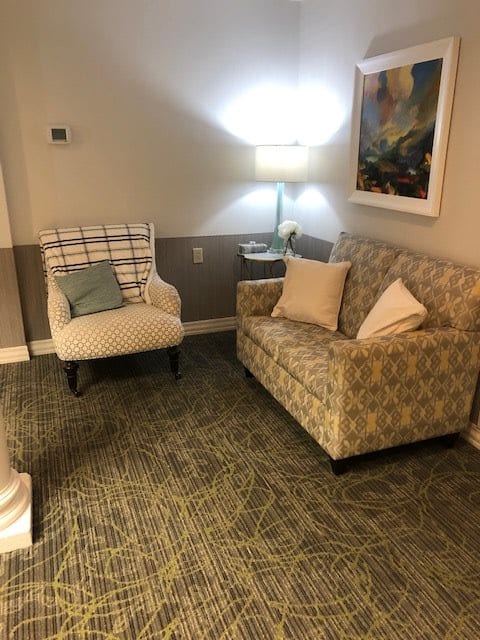
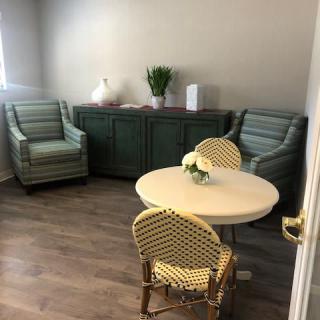
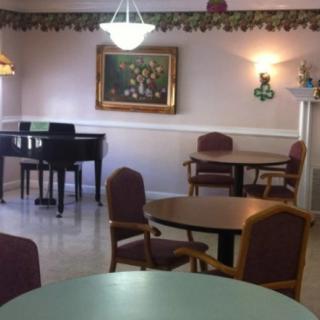
- The facility is clean and well maintained, with pleasant common spaces.
- The staff are exemplary, caring, and consistently willing to go the extra mile, helping families feel at ease and residents feel safe.
- Residents enjoy a variety of activities, including cards, movie nights, a library, walks, exercises, and restaurant outings.
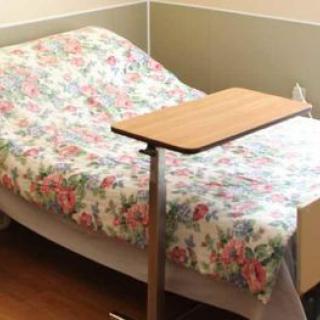
- The setting is small and intimate, offering private living spaces and a sense of independence.
- Families feel supported and would recommend Carriage House Assisted Living to others.
Cons
 They described it as awful and lousy, with poor service, a wrong diet, and food that was cold.
- They called it a terrible place for someone who is sick.
- They criticized the meals as not fit for children or seniors with specific dietary needs, with little fresh produce and reliance on canned foods and cheap starches.
- They noted there is little to no transportation for seniors to appointments, and the available option costs $60 per appointment for a short distance.
- They observed inconsistency among staff, with some being wonderful and others not so much.
- They stated the food quality had seen some improvements but still needed fixes, and in general was not good.
- They called the overall care a sad state for what anyone would call senior care.
Review
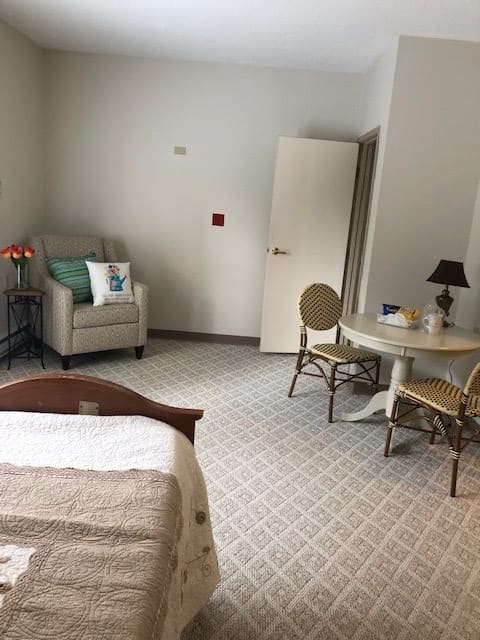
This community is best suited for families and residents who crave a small, homey setting where staff feel like an extended family and individualized attention is the default, not the exception. With only about a dozen to a little more than a dozen private or semi-private living spaces, Carriage House Assisted Living cultivates a tightly knit, village-like atmosphere. It works well for seniors who want to stay independent in a compact footprint, who appreciate regular social activities, and who value direct access to caregivers who know them by name. For someone who prioritizes warmth, personal connections, and a sense of belonging over campus-scale amenities, this is a compelling match.
Those who may want to consider alternatives are primarily the ones who place top priority on consistently excellent meals, broad menu choices, and reliable, low-cost transportation to appointments. Multiple reviews flag food quality as a persistent concern, with mentions of limited fresh fruit or vegetables, canned staples, and meals that fail to meet expectations for seniors or family members monitoring specific diets. Transportation is described as limited or expensive, and for residents who rely on regular rides to medical visits, this can be a meaningful drawback. Families seeking robust clinical oversight, strong staffing consistency, and wide-reaching programming across a larger campus should look at bigger communities with more formal dining and transportation infrastructures.
The strongest pro-contrade is clear: the intimate size and caring culture can meaningfully offset some logistics gaps. In practice, the small, home-like environment often translates into more individualized attention, with care teams that feel invested in residents’ daily lives. Several reviews spotlight standout staff, an LPN and other aides, who go above and beyond, maintaining open communication with families and treating residents like family. That level of commitment can soften the impact of occasional staffing variability and the frustration around meal quality, because families know the people who matter most are paying attention and willing to adapt. When the facility hits a good rhythm, engaging activities, social outings, and personal check-ins, the intangible benefits of trust and familiarity can eclipse some operational rough edges.
Activity programming and social opportunities frequently surface as another meaningful advantage. The community’s size makes dinners, movie nights, library use, puzzle time, and even restaurant outings feel accessible rather than perfunctory. Residents can maintain a level of independence in small apartments while still enjoying structured days with purposeful engagement. The homey feel is reinforced by well-kept common spaces, pleasant landscaping, and the ability for residents to participate in options that preserve routine and autonomy. For families seeking reassurance that their loved ones are living somewhere they can safely navigate and enjoy companionship, these elements are powerful positives.
That said, the downsides are real and consequential for planning decisions. Staffing levels emerge as a recurring concern, some reviews highlight enthusiastic, capable caregivers while others describe inconsistency. In parallel, dietary quality and variety receive persistent critique, with several commenters noting meals that are not up to the standard expected for seniors or for those with specific dietary needs. The transportation picture is a frequent sticking point: when available, it’s not always affordable or flexible enough to meet medical appointment needs. Taken together, these factors can erode the value proposition for families who require predictable, comprehensive nutrition and transport support as core features of daily life.
In the end, a practical verdict lands: Carriage House Assisted Living is a strong option for residents who prize a small-scale, family-like environment with attentive, genuinely caring staff and active social life. It is less well suited for those who need consistent, high-quality meals, comprehensive dietary management, and dependable, low-cost transportation as core services. Pros offset cons most when families invest time upfront, request a meet-and-greet with the LPN and frontline caregivers, participate in a mealtime observation, and verify transportation options and menus against dietary needs. Prospective residents should plan a few long visits at different times of day to judge whether the staff chemistry and activity cadence align with expectations. If these align, the reward is a warmly managed, almost homelike setting where residents feel seen, safe, and socially engaged. If they do not, alternatives with bigger dining programs and stronger transport frameworks will likely outperform in the long run.
 Studio apartments
 Assisted Living
 Activities on-site
 Air-conditioning
 Beautician on-site
 Devotional services off-site
 Dining room
 Garden
 Ground floor units
 Handicap accessible
 Housekeeping services
 Indoor common areas
 Kitchenette
 Outdoor common areas
 Private bathrooms
 Wheelchair accessible showers
 Wi-Fi/high-speed internet available
 Pittsburgh International (24 miles away)
 Transportation & parking
 Ambulatory care
 Diabetic care
 Gluten-free
 BBQs or picnics
 Birthday parties
 Live musical performances
 English





 Securing Financial Support for Assisted Living: A Comprehensive Overview
 Social Security Benefits and Assisted Living: Navigating Options Across the U.S.
 An Extensive Exploration of the VA Aid and Attendance Benefit