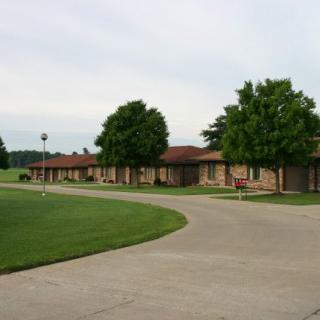

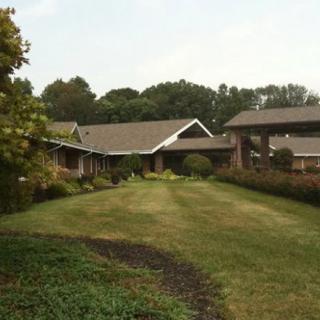
10680 Steiner Road, Rittman, OH 44270
For more information about senior living options: (866) 208-4318
Overall Review of Apostolic Christian Village
Pros
 The staff are amazing, caring, and kind, delivering excellent care to residents.
- The facility is well staffed and provides top-notch care that families can trust.
- The staff are friendly, professional, and compassionate, making residents feel well cared for.
- End-of-life care is thoughtful, meaningful, and dignified for loved ones.
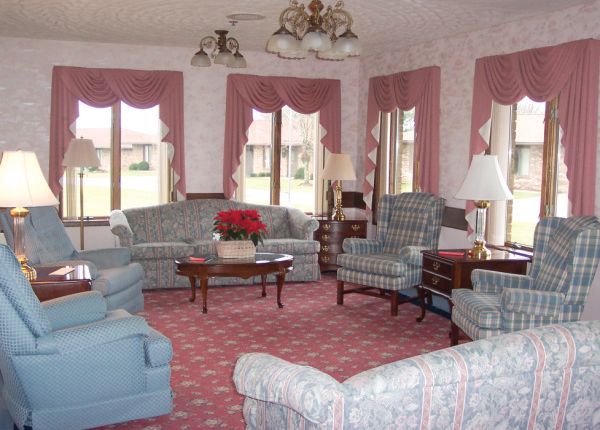
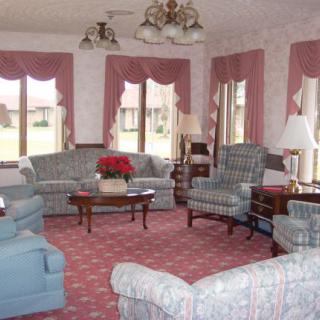
- The environment feels like a home—clean, organized, and comfortable—with a Christian atmosphere guiding care.
- Families report peace of mind knowing their loved ones are safe, well cared for, and treated with respect.
- Staff members become like family, forming trusting relationships with residents and their families.
- The facility consistently demonstrates high standards of care, cleanliness, and attentive service.
Cons
 The staff were described as lazy and incompetent.
- The facility was accused of prejudice toward non-Apostolic residents and staff.
- It was alleged that the staff push Apostolic beliefs onto non-Apostolic residents and staff.
- The reviews suggest preferential treatment toward Apostolic residents and staff.
- There was an accusation of a lack of sanitary practices leading to a resident’s rash.
- One reviewer said they would never send their grandparents there again due to inconsiderate care.
Review
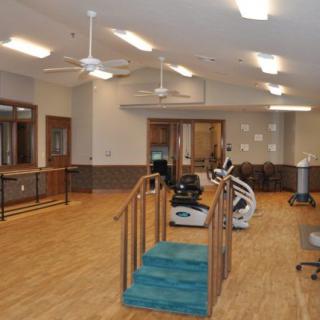
Apostolic Christian Village in Rittman is best suited for families seeking a faith-centered, homelike environment where aging loved ones receive consistently attentive, compassionate care, especially for end-of-life support and short-term rehabilitation. The community appeals to families who value staff who feel like extended family, a clearly Christian framework that informs daily care, and a setting that prioritizes dignity, peace, and personal connection. When care needs run toward intimate, relationship-driven service, where caregivers know residents by name and residents feel cared for as individuals, this village stands out as a practical, trustworthy option.
Those who may want to consider alternatives are families prioritizing secular programming, a non-religious atmosphere, or a culture that fully welcomes nonapostolic staff and residents without perceived bias. A subset of reviews raises concerns about religious alignment dominating resident and staff dynamics, which could feel exclusive to some families. For residents who require very aggressive medical management, highly specialized therapies, or a strictly non-religious environment, other facilities with broader medical offerings or more inclusive cultural norms may fit better. In short, this is a decision rooted in how strongly the faith-based culture aligns with a resident’s values and comfort.
On the upside, the standout pros are consistently powerful enough to reshape the experience of long-term care. The care teams are described as professional, loving, and dedicated, with multiple families recounting that staff treated their loved ones like family and remained present through end-of-life transitions with dignity and grace. Families repeatedly note that staff remember residents by name, show genuine warmth, and create a home-like atmosphere that reduces anxiety during difficult times. Cleanliness, organization, and readiness, stocking necessities and maintaining a tidy, welcoming setting, are also highlighted as meaningful contributors to daily well-being. Taken together, these advantages create a foundation of trust that can offset the emotional strain of caregiver decisions.
Yet, the most substantive cautions center on the religious culture and, in a smaller number of cases, perceptions of care gaps. Some reviewers allege favoritism toward apostolic residents and staff, which can leave nonapostolic participants feeling sidelined. A handful of accounts describe inconsistent staff performance, with concerns about attentiveness or sanitary practices that led to a resident’s rash. These voices remind potential entrants that the care experience is not uniformly uniform across all days and staff members. For families weighing options, these are not minor footnotes but essential considerations that could shape daily life and satisfaction if beliefs or expectations differ from the facility’s prevailing culture.
In practice, families evaluating Apostolic Christian Village should lean into due diligence. Visiting in person, observing interactions on floors, and engaging with both long-standing families and recent arrivals can reveal whether the care tone aligns with one’s expectations. Ask pointed questions about how nonapostolic residents are treated, how staffing levels fluctuate, and how staff handle routine care tasks that affect comfort and dignity. The facility’s overall rating, reflecting broad, strong praise, suggests a high likelihood of positive experiences for those who prioritize a close-knit, faith-based approach to elder care; the minority critiques do not erase the compelling positives for many families, but they do matter for those sensitive to inclusion and equity.
Ultimately, the decision hinges on matching values with needs. For families that prize compassionate, attentive care wrapped in a Christian environment and view end-of-life and rehab experiences as part of a meaningful journey, Apostolic Christian Village offers a high-value, dependable option. For those whose priorities include a secular or broadly inclusive setting, or for residents who require a different balance of medical oversight and cultural environment, alternatives may deliver a more comfortable fit. In practical terms, this community is a strong fit for faith-aligned care with deep relational warmth; for others, it warrants a careful comparison against peers that emphasize inclusivity and services beyond the core religious framework.
 24 resident community capacity
 Assisted Living
 Independent Living
 Skilled Nursing Facility
 Beauty salon
 Cable or satellite TV
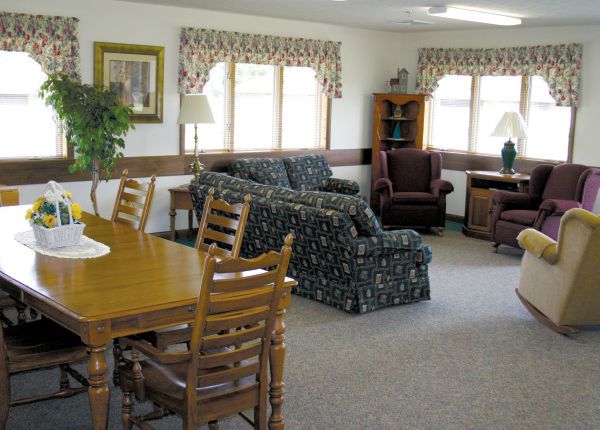
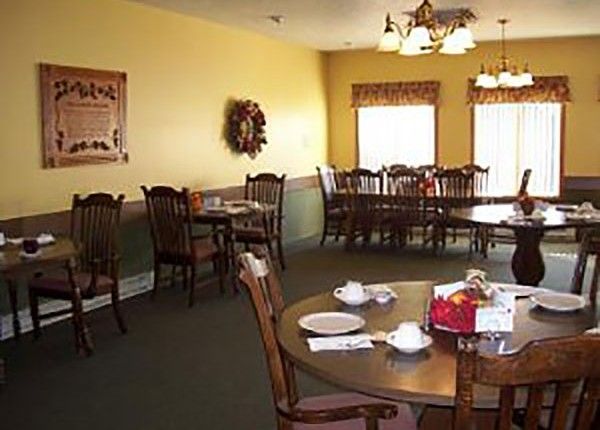
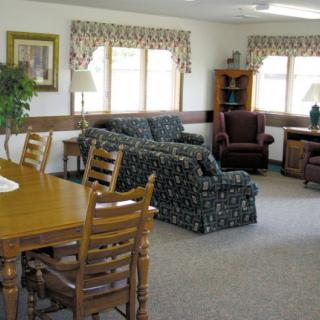
 Dining room
 Fully furnished
 Garden
 Housekeeping services
 Kitchenette
 Move-in coordination
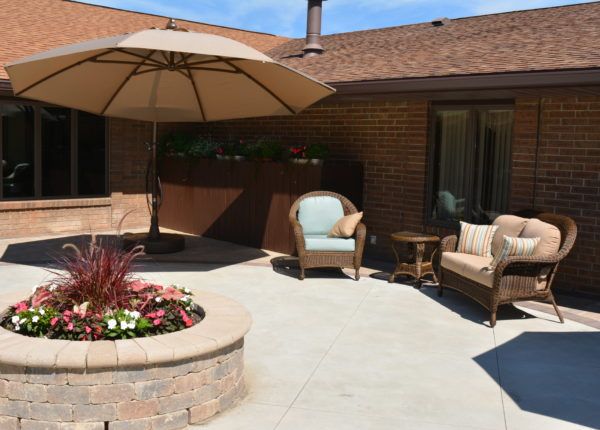
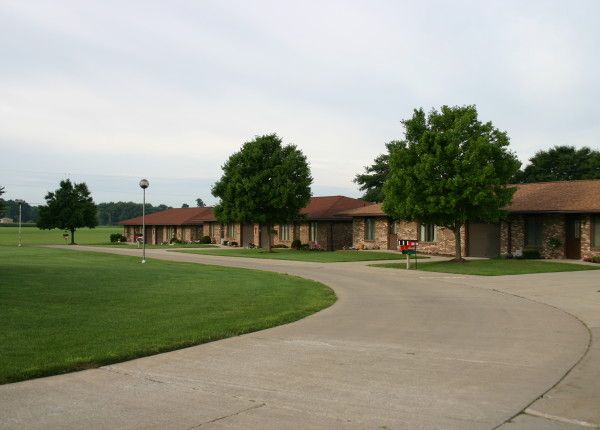
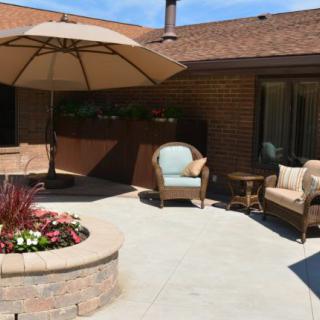
 Outdoor space
 Restaurant-style dining
 Small library
 Telephone
 Wi-Fi/high-speed internet available
 Akron-Canton Regional (18 miles away)
 24-hour call system
 Activities of daily living assistance
 Assistance with bathing
 Assistance with dressing
 Assistance with transfers
 Diabetes diet
 Medication management
 Mental wellness program
 Special dietary restrictions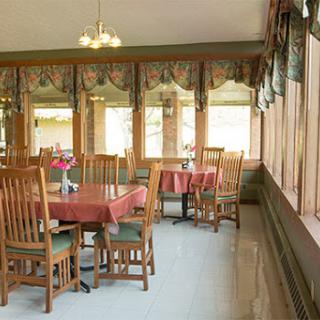






 Securing Financial Support for Assisted Living: A Comprehensive Overview
 Social Security Benefits and Assisted Living: Navigating Options Across the U.S.
 An Extensive Exploration of the VA Aid and Attendance Benefit