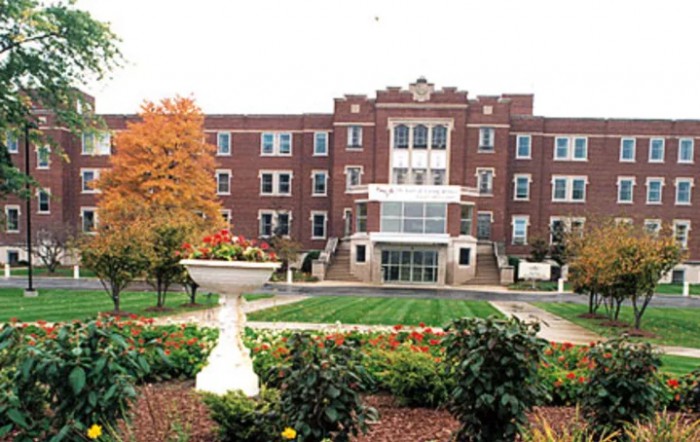
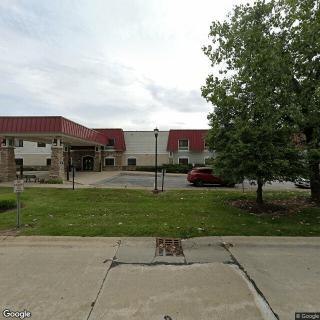
5232 Broadview Road, Richfield, OH 44286
For more information about senior living options: (866) 208-4318
Overall Review of Regina Health Center
Pros
 Regina Health Center is regarded by reviewers as among the best SNFs in Ohio.
- The care provided by Regina’s nursing and rehab teams is outstanding and compassionate.
- The staff is professional, trained, and dedicated to residents’ well-being.
- The facility is clean and well maintained.
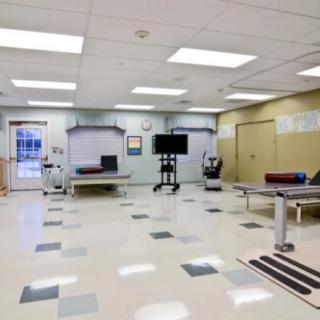
- The rehab and exercise programs help residents regain function and independence.
- Families are kept in the loop with timely updates about changes in health status.
- Residents enjoy engaging activities that contribute to their happiness.
Cons
 Call lights are rarely answered, leaving residents without timely help.
- Residents are heard screaming all day, indicating overwhelmed staff.
- Some staff are described as unkind, unprofessional, and disrespectful toward residents.
- The facility reportedly treats agency aides poorly and outsiders negatively.
- A nurse allegedly administered insulin without checking the patient’s blood sugar, which is dangerous.
- IVs beep for long periods and alert buttons seem useless, delaying care.
- Meals sometimes don’t meet residents’ dietary restrictions and some residents aren’t allowed to choose meals.
Review
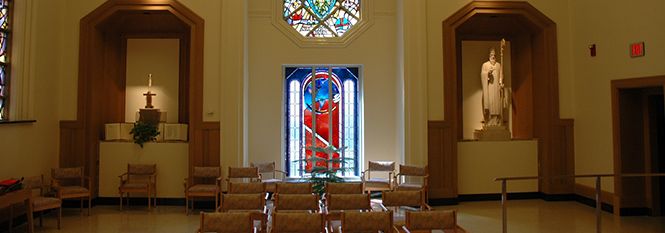
Regina Health Center in Richfield is best suited for seniors who value a faith-forward environment paired with reliable access to skilled nursing and rehab services. The community consistently earns praise for cleanliness, strong front-desk security, and a caregiving culture that treats residents with familial care. It particularly benefits those needing short- to mid-term rehab after surgery or injury, as well as residents who thrive on a steady routine, regular religious services, and a team of nurses and therapists that coordinates care with clear updates. For families seeking a facility that embeds spiritual life into daily routines while delivering professional medical oversight, Regina offers a reassuring, structured path to recovery.
But there are clear red flags for some residents and families. Those prioritizing consistently swift call-light responses, uniformly respectful interactions across all staff, and zero tolerance for perceived overhead or friction may want to explore alternatives. Reports of being overwhelmed due to staffing levels can translate into delays in assistance, interrupted activities, and lingering frustrations. A subset of reviews mentions disrespectful behavior by some aides or clerks and concerns about leadership responsiveness. Add tight quarters and a dimmer, less bright atmosphere, and Regina becomes less ideal for memory-care residents who need high-touch supervision or for families seeking a bright, expansive living environment and consistently upbeat dining options.
The best-case picture centers on robust clinical care and rehab outcomes. Nursing teams described as professional, friendly, and capable help families feel confident that medical needs will be monitored, medications managed, and status updates provided promptly. Occupational and physical therapy frequently stand out as strengths, with personalized plans and visible progress. Families also value transparent care coordination and regular communication about changes in condition. Cleanliness remains a constant plus, and the religious environment serves as a meaningful anchor for residents who appreciate Mass and spiritual services as part of daily life. These positive threads anchor Regina’s appeal for skilled nursing and rehab.
However, the cons can erode the overall experience if not actively managed. Delays with call lights and IV beeping, mixed-ups with meal orders or failure to adhere to diabetic or other dietary restrictions, and inconsistent attention to resident needs signal gaps in day-to-day operations. Instances of disrespectful behavior from some aides and clerks, along with concerns about the DON’s responsiveness, suggest leadership and staff culture can vary by shift or unit. The facility’s environment is sometimes perceived as cramped and not as bright as modern alternatives, which matters for mood and engagement, particularly for memory-care residents who benefit from a stimulating setting. These factors can tilt decisions for families who expect consistent daily reliability.
The balance between strengths and gaps shapes Regina’s overall value. The facility’s rehab strength, professional clinical teams, and clear communication channels can offset many everyday rough edges when a resident has a well-defined recovery plan and a actively involved family. The stability offered by long-tenured aides and supportive social-work coordination provides meaningful protection against occasional lapses. For families prioritizing measurable rehab gains, medical stability, and a faith-based community, Regina remains a compelling option. For those who cannot tolerate inconsistent staffing, or who require a brighter, more modern setting with guaranteed rapid responses, exploring alternatives may be the prudent move.
Decision-makers should approach Regina with a clear checklist and a plan for verification. Schedule multiple in-person visits at different times to observe caregiver interactions, and request meetings with the director of nursing to review the current unit dynamics. Ask for a detailed care plan and concrete metrics on staff-to-resident ratios in the relevant unit, plus how dietary needs and meal selections are handled in real time. If rehab and a faith-centered daily rhythm align with the resident’s goals, Regina offers substantial upside and proven outcomes. If memory-care needs, bright surroundings, or guaranteed immediacy in response take precedence, it is wise to compare alternatives that emphasize those priorities and provide a more consistent daily living environment.
 54 resident community capacity
 Studio apartments
 Assisted Living
 Respite Care
 Skilled Nursing Facility
 Activities on-site
 Air-conditioning
 Beautician on-site
 Cable or satellite TV
 Computer center
 Devotional services off-site
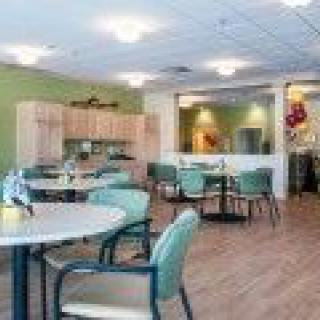
 Dining room
 Fitness room
 Fully furnished
 Gaming room
 Garden
 Housekeeping services
 Indoor common areas
 Kitchenette
 Laundry
 Move-in coordination
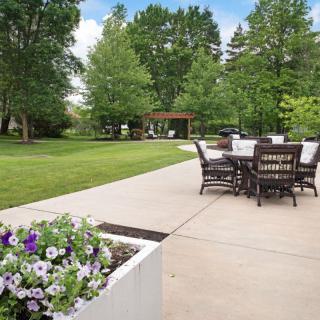
 Outdoor space
 Overnight guests
 Party space
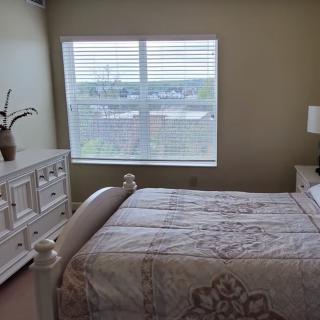
 Private bathrooms
 Restaurant-style dining
 Small library
 Telephone
 Wellness center
 Wi-Fi/high-speed internet available
 Cleveland-Hopkins International (13 miles away)
 Community operated transportation
 12-16 hour nursing
 24-hour call system
 Ambulatory care
 Assistance with bathing
 Assistance with dressing
 Assistance with transfers
 Diabetes diet
 Diabetic care
 Medication management
 Mental wellness program
 Physical therapy
 Special dietary restrictions
 Concierge services
 Planned day trips
 English
 Understanding Medicaid Coverage for Assisted Living: A Comprehensive Guide
 How and When Medicaid May Cover Assisted Living Costs
 A Detailed Exploration of Assisted Living Medicaid Waivers Across the United States