

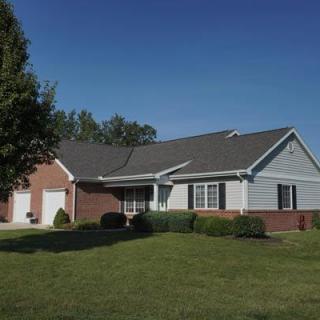
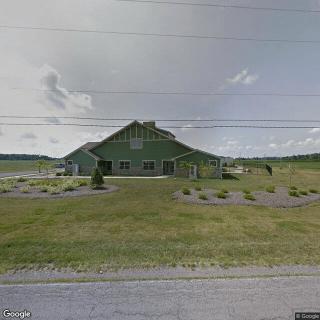
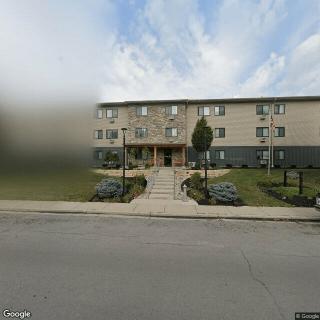
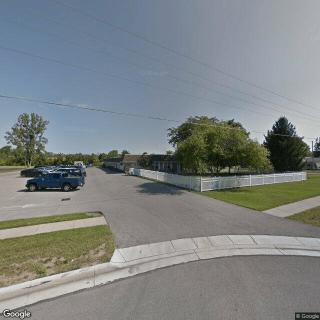
304 Hilty Drive, Pandora, OH 45877
For more information about senior living options: (866) 208-4318
Hilty Home Costs & Pricing
Hilty Home offers competitive pricing for its residents compared to the broader market in Putnam County and across Ohio. For a one-bedroom unit, at $1,090 per month, Hilty Home stands out significantly against the county's average of $3,369 and the state's average of $3,712. This represents an exceptional value for individuals seeking comfortable living arrangements. Similarly, while the cost for a studio apartment at Hilty Home is priced at $3,555 per month, it remains more affordable than the county rate of $4,171 and is closely aligned with Ohio's statewide average of $3,727. Overall, Hilty Home provides an attractive option for those looking for quality living spaces that won't break the bank.
| Floor plans | Hilty Home | Putnam County | Ohio |
|---|---|---|---|
| 1 Bedroom | $1,090 | $3,369 | $3,712 |
| Studio | $3,555 | $4,171 | $3,727 |
Overall Review of Hilty Home
Pros
 The staff are great.
- The nurses and aides are professional.
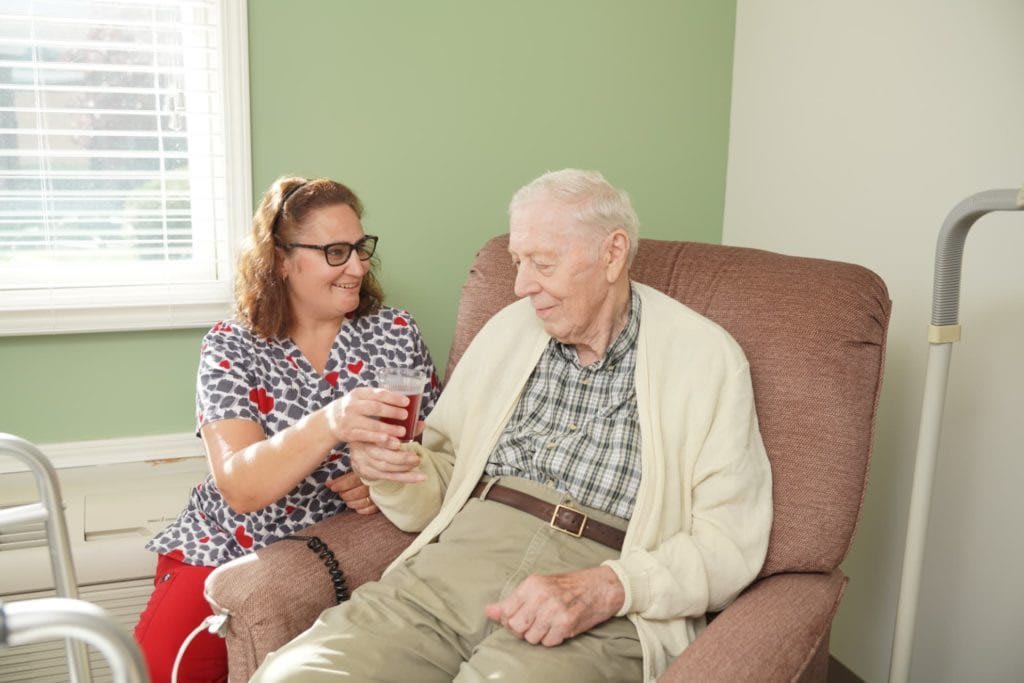
- They love and care for every patient.
- The janitors and maintenance are top-notch.
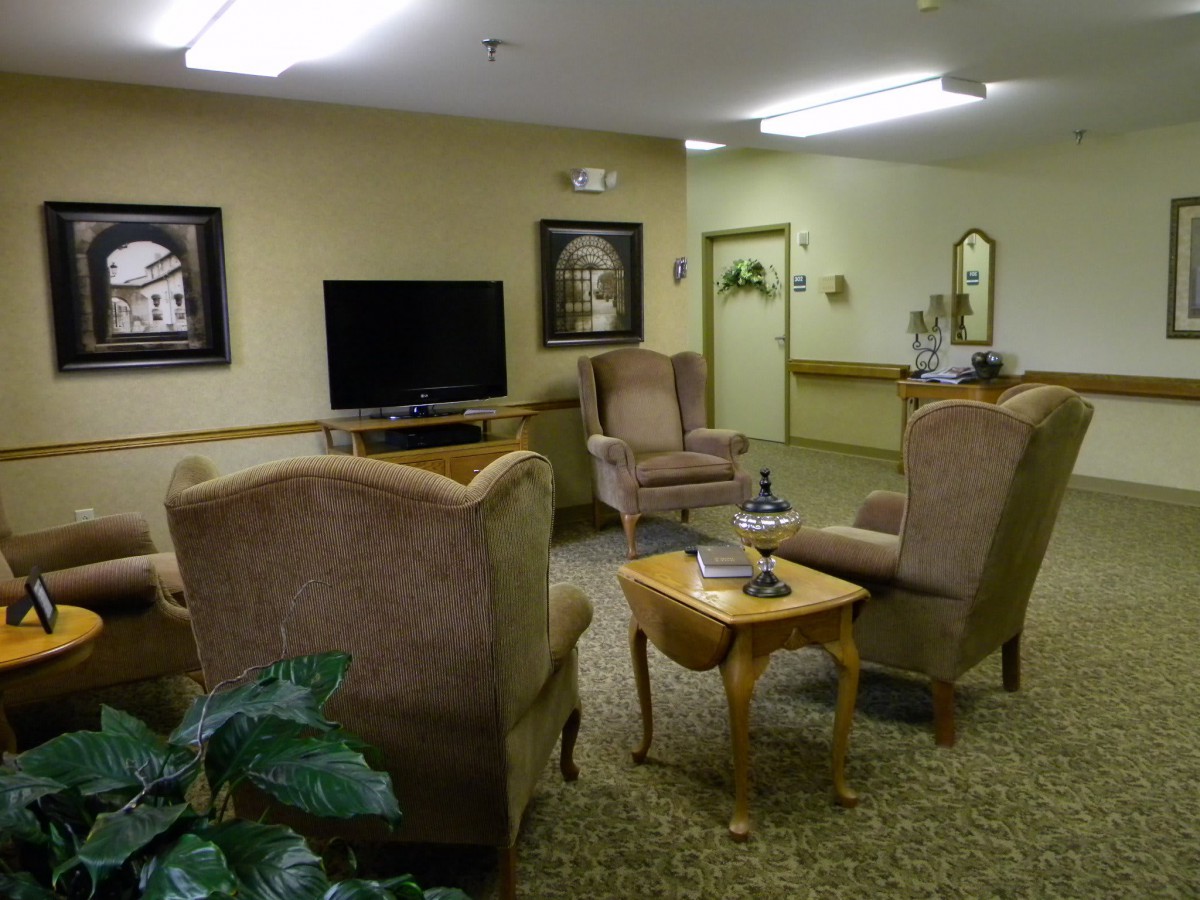
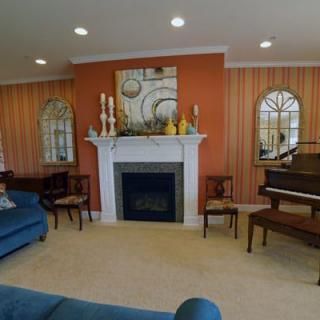
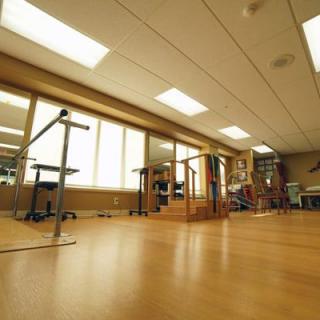
- The facility is nice and clean.
- The grandson loves Hilty Daycare.
Review
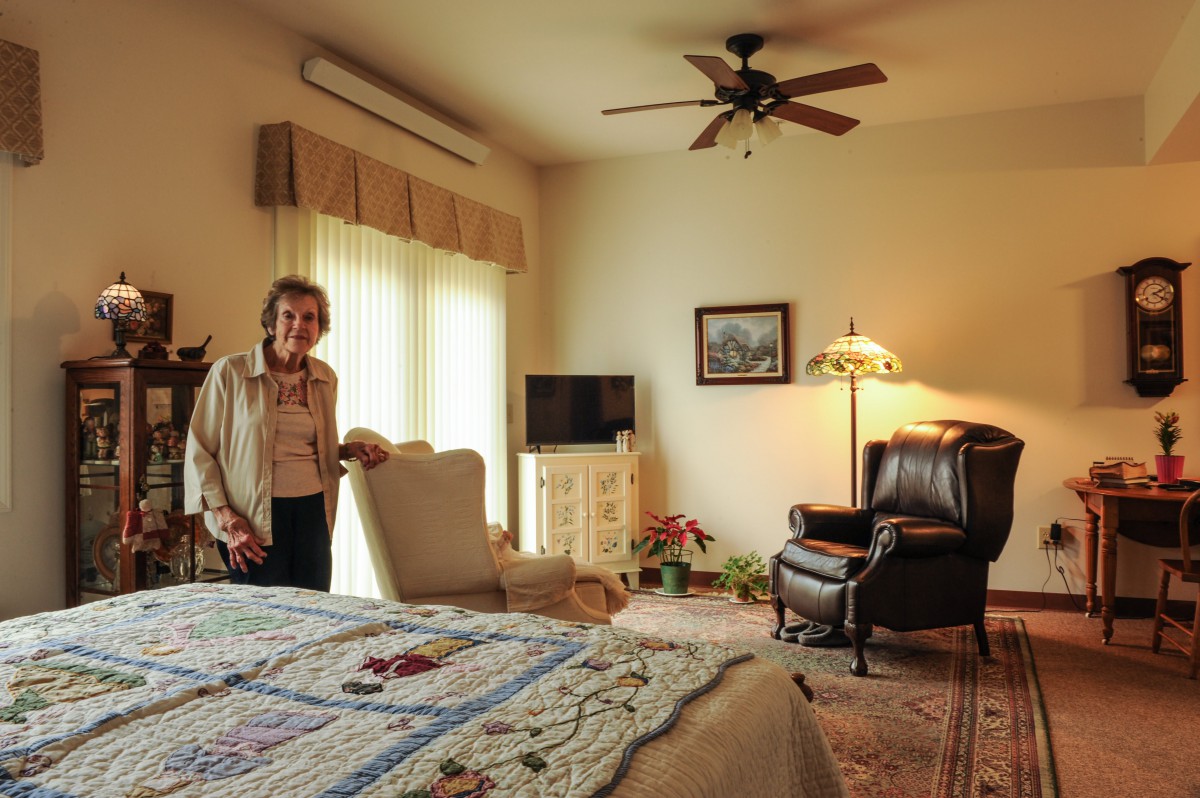
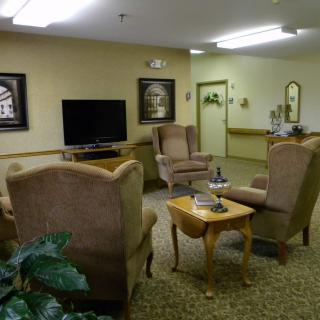
Hilty Home in Pandora, OH is best suited for families seeking a warm, dependable senior living environment where daily care is delivered with genuine warmth and professional competence. This community shines for residents who value consistent, attentive staffing, nurses and aides who treat each resident with care, dignity, and a steady presence. The atmosphere is reinforced by top-notch housekeeping and maintenance, producing a clean, orderly setting that supports trust and comfort. In short, Hilty Home is particularly well-matched for seniors who want reliable daily support in a well-cared-for locale and for families that prize staff stability and a responsive care team.
Those weighing alternatives should consider what happens if medical complexity, memory care, or highly specialized programming becomes the priority. The reviews emphasize strong front-line staff and a clean environment, but they do not detail memory-care offerings, hospital-level medical services, or extensive therapeutic programming. Families with residents who require more intensive clinical oversight, specialized dementia support, or broader continuum-of-care options may want to compare with communities that explicitly market those capabilities. For households where flexible, on-site clinical management and a wide range of specialty services are non-negotiable, a broader search could be warranted.
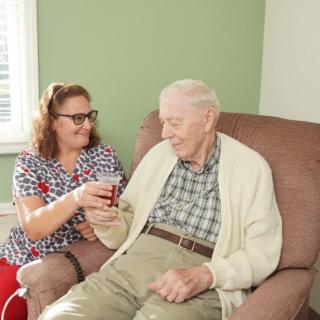
The clear advantages here revolve around staffing quality and the practical care experience. The nurses and aides are described as professional and genuinely caring, with staff who “love and care for every patient.” That kind of consistency matters: it translates to better communication, fewer care gaps, and more predictable routines for residents who benefit from familiarity. The maintenance and janitorial teams are highlighted as top-notch, which supports a safe, hygienic living environment and reduces resident risk. The combined effect is a sense of reliability that can ease family concerns about steady, attentive attention to daily needs, meals, hygiene, and mobility assistance.
With no notable flaws highlighted in the cited experiences, the pros largely offset typical concerns families bring to the table. The absence of reported downsides, such as staffing shortages, cleanliness issues, or neglect, reinforces the impression of a stable, resident-centered operation. That said, the lack of explicit information about certain amenities or care specialties means families should verify specifics during in-person tours. Specifically, confirm the scope of medical oversight, the availability of memory-care supports if needed, and how care plans adapt as health needs evolve. This due diligence ensures the strengths translate into an authentic match for the resident’s evolving requirements.
Prospective visitors should structure their due diligence around a few practical touchpoints. Inquire about patient-to-staff ratios during different shifts to gauge day-to-day attentiveness. Ask how activities are scheduled, what social and cognitive-stimulation options exist, and how meals meet nutrition, variety, and dietary restrictions. Clarify the billing and contracts upfront, including what services are included in base rates and what might incur additional charges. If independence is a priority, explore how mobility assistance, pharmacy coordination, and transportation to appointments are managed. And if involvement with family is important, assess the level of communication, care plans, daily updates, and family access for visits.
Ultimately, Hilty Home stands out as a well-run, resident-focused option for families valuing a clean, supportive setting with consistently strong staff. It is a compelling choice for seniors who want dependable daily care delivered in a pleasant environment, where maintenance and housekeeping reinforce overall safety and comfort. For households with higher medical or memory-care needs, or for those seeking a broader spectrum of specialized services, it is wise to compare against communities that emphasize those capabilities. When a visit is arranged, enter with clear questions about care escalation, programming, and cost structure, and the decision will emerge with clarity: this is a community that delivers on its core promise of capable, compassionate care.
 37 resident community capacity
 Assisted Living
 Independent Living
 Memory Care
 Skilled Nursing Facility
 Cats allowed
 Dogs allowed
 Activities off-site
 Air-conditioning
 Beautician on-site
 Cable or satellite TV
 Devotional services off-site
 Dining room
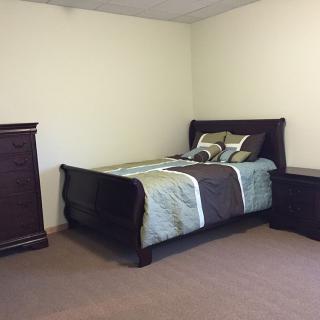
 Fully furnished
 Garden
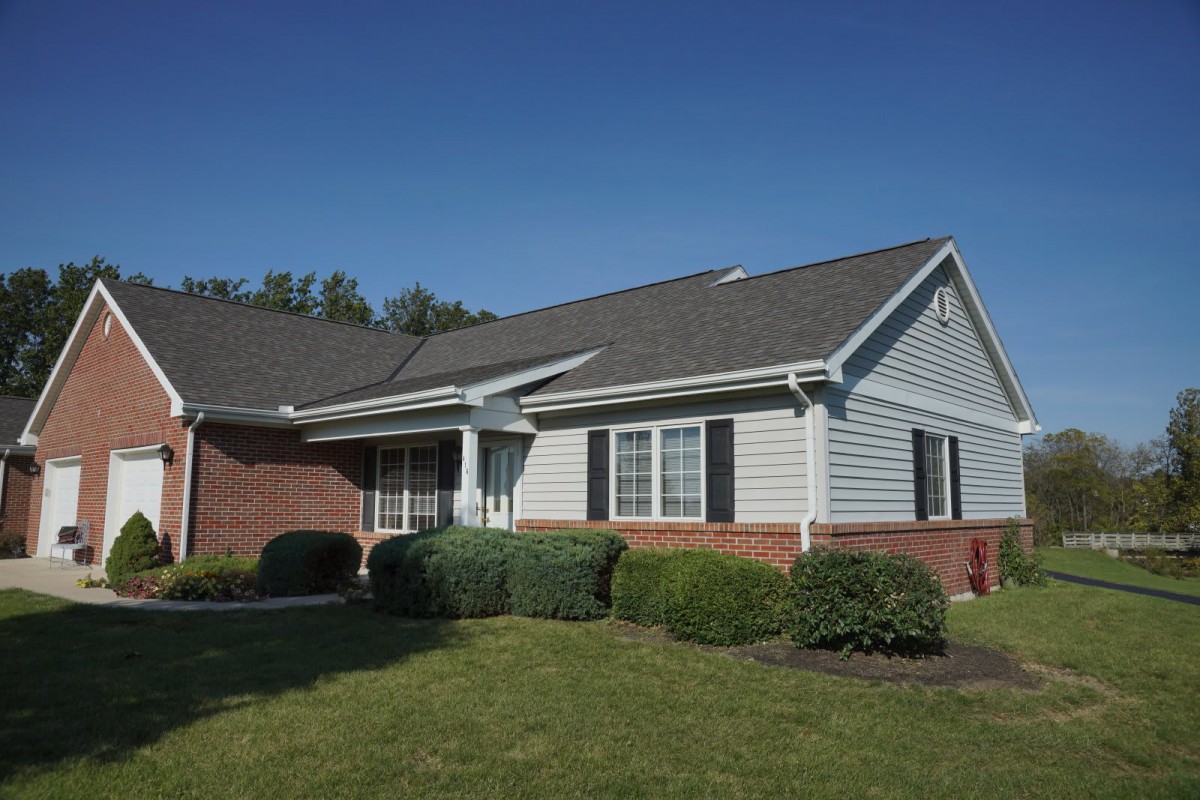
 Ground floor units
 Handicap accessible
 Housekeeping services
 Indoor common areas
 Kitchenette
 Move-in coordination
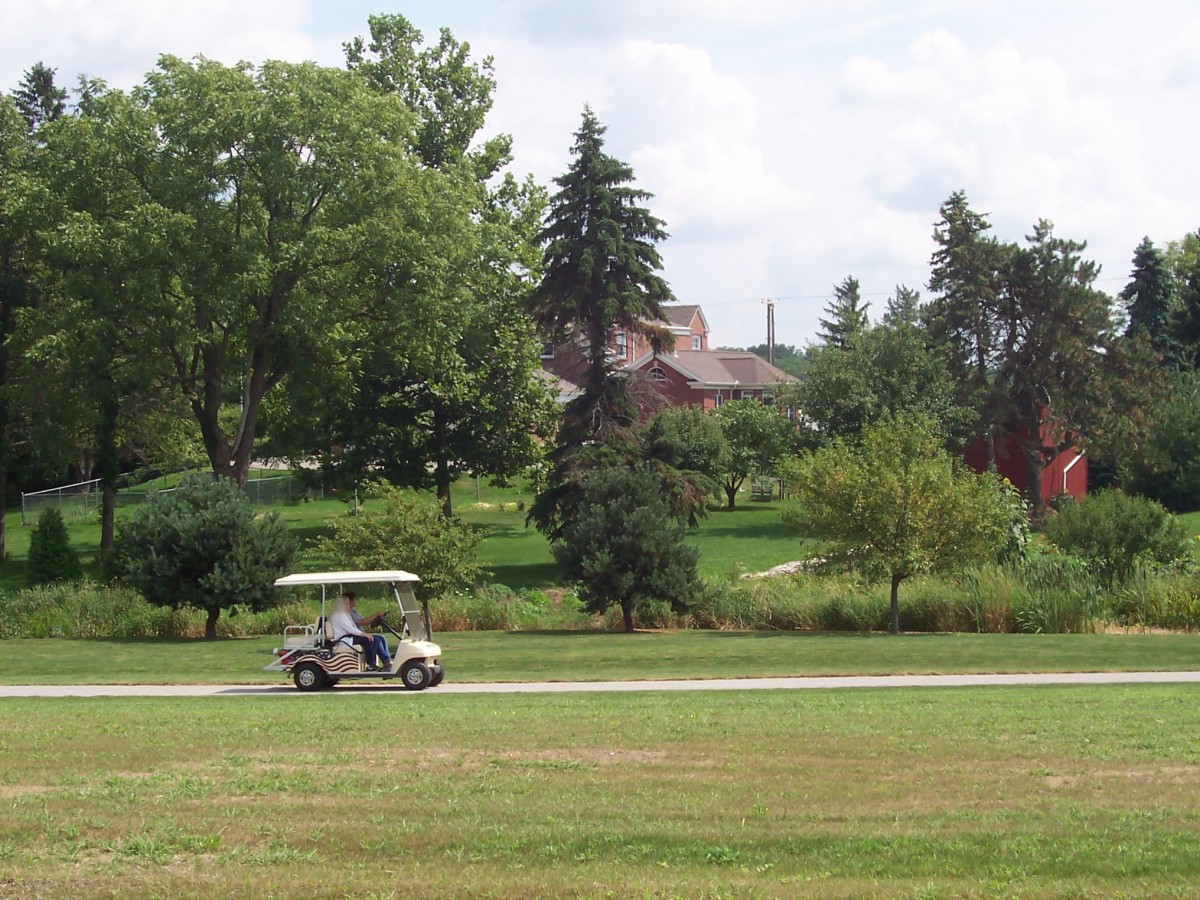
 Outdoor common areas
 Respite or short term stays offered
 Restaurant-style dining
 Small library
 Telephone
 Wheelchair accessible showers
 Wi-Fi/high-speed internet available
 24-hour call system
 Assistance with bathing
 Assistance with dressing
 Assistance with transfers
 Diabetes diet
 Diabetic care
 Incontinence care
 Medication management
 Mental wellness program
 Special dietary restrictions
 Art classes
 Catholic services
 Cooking classes
 Day trips and outings
 Live dance or theater performances
 Live musical performances
 Stretching classes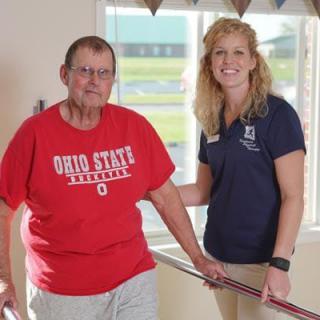

 Delving into the Inner World of Dementia: Insights into Thoughts and Awareness
 Five Subtle Dementia Indicators to Observe: An In-Depth Guide to Understanding “Does My Mom Have Dementia?”
 Dementia, Paranoia, and Caregiver Guidance: Understanding the Connection