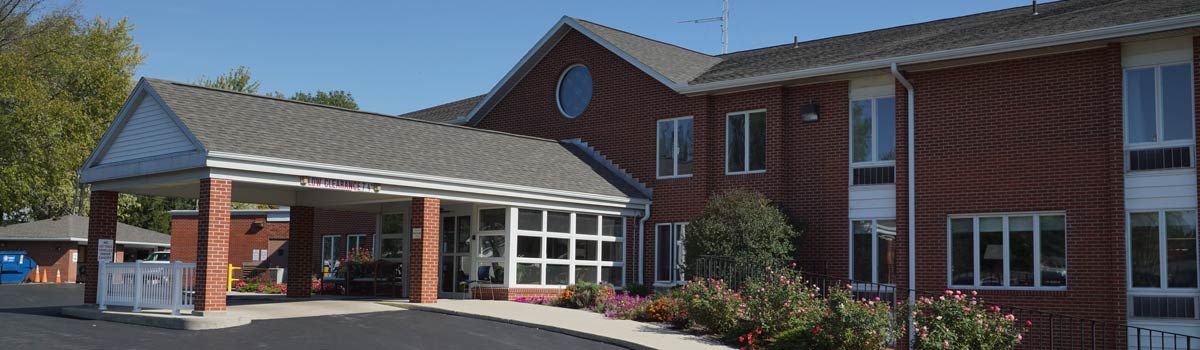
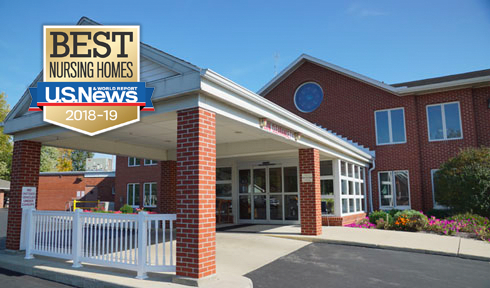

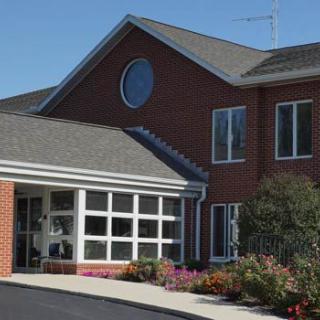

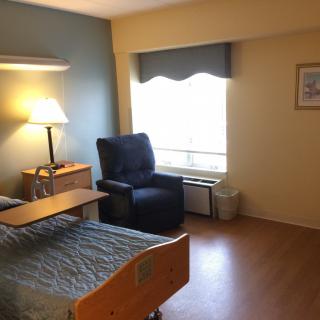
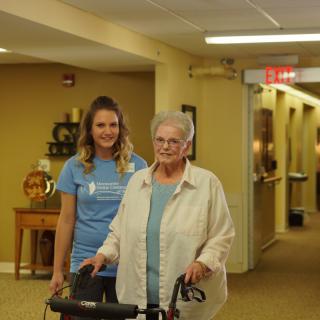

410 West Elm Street, Bluffton, OH 45817
For more information about senior living options: (866) 208-4318
Mennonite Memorial Home Costs & Pricing
Mennonite Memorial Home offers competitive pricing for its residential accommodations, particularly when compared to local and state averages. The monthly cost for a studio apartment is $3,720, which is notably lower than the average rate in Putnam County at $4,171 and aligns closely with Ohio's statewide average of $3,727. For those seeking a one-bedroom option, Mennonite Memorial Home charges $4,230 - a figure that exceeds Putnam County's average of $3,369 but remains higher than the broader state average of $3,712. These costs underscore the home's commitment to providing quality care within a well-structured environment while still offering reasonable options relative to nearby alternatives.
| Floor plans | Mennonite Memorial Home | Putnam County | Ohio |
|---|---|---|---|
| Studio | $3,720 | $4,171 | $3,727 |
| 1 Bedroom | $4,230 | $3,369 | $3,712 |
Assisted Living communities with a similar price nearby
-
About the same
Kessler Estates Senior Living
$3,630 to $4,540 / month16.9 miles away -
from +$365 / mo
Brookdale Findlay
$4,085 to $4,425 / month18.4 miles away -
About the same
Putnam Heritage
$3,750 / month12.1 miles away -
from -$170 / mo
Burton's Ridge Assisted Living
$3,550 to $4,275 / month19.0 miles away
Overall Review of Mennonite Memorial Home
Pros
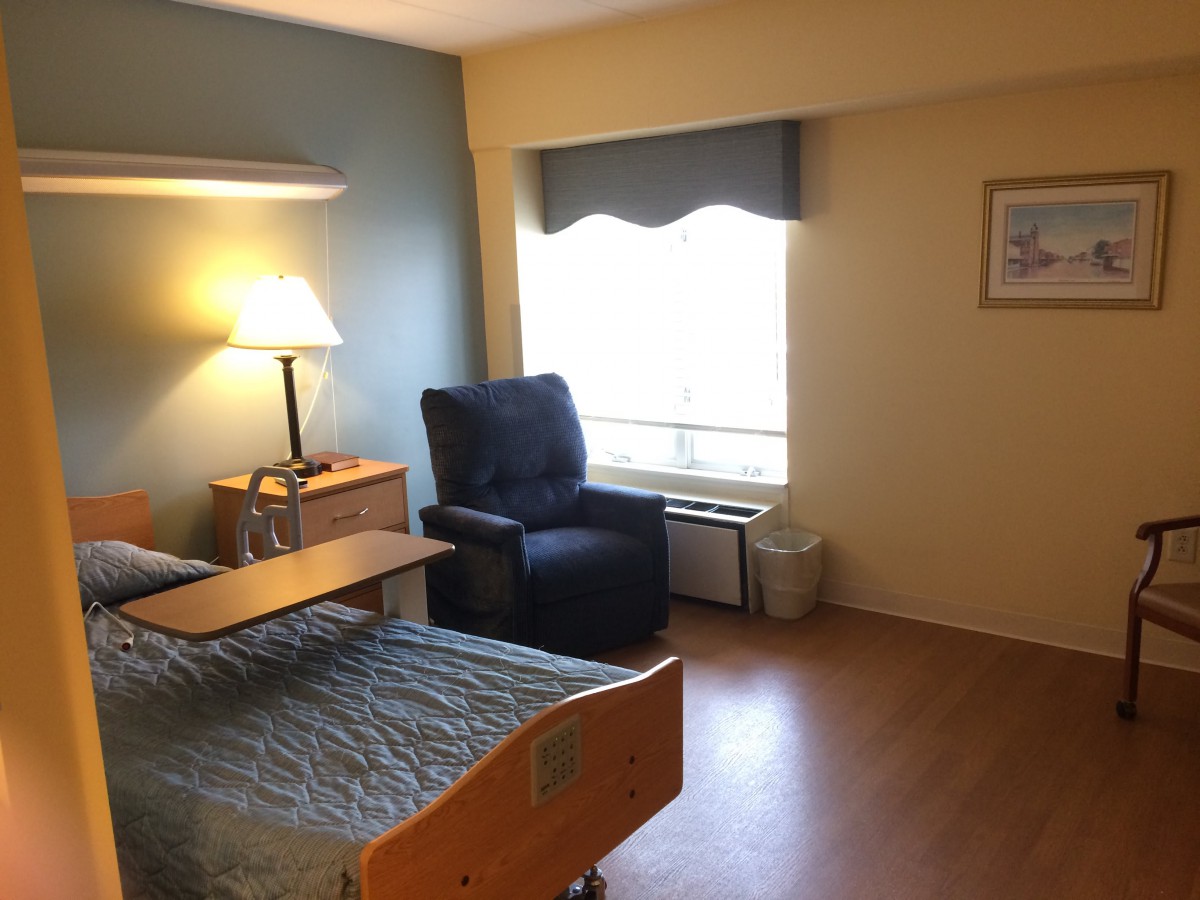
 The rooms are nice, and the staff are really friendly.
- The residence features a wood shop, which is a valued amenity.
- The location offers a peaceful country setting with beautiful surroundings.
- There is a large pond where residents can go fishing.
- The tour guide was very nice and showed several apartments.
- The apartments are really nice.
- The staff provide friendly help and maintain a very clean environment.
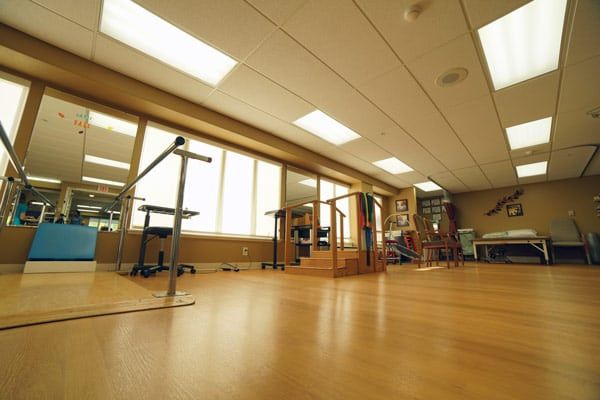
- The rehabilitation program is great.
Cons
 The staff weren't very good.
- Some apartments were under construction for new carpet and being repainted.
- The facility could use more activities for residents.
Review
Best suited for seniors who want a quiet, country-style setting and a home-like atmosphere rather than a fast-paced urban environment. Mennonite Memorial Home in Bluffton excels for residents who value cleanliness, friendly interactions, and manageable daily routines. The presence of practical amenities, such as a wood shop and a picturesque pond for gentle recreation, appeals to hands-on seniors and those who prefer low-key, interest-based activities. For families seeking a rehab-capable environment where care appears to come with warmth and personal attention, the community offers a reassuring blend of comfort and accessibility.
However, this is not the right fit for everyone. If the priority is a robust, highly varied activity calendar or consistently proactive staff across shifts, some reports suggest looking elsewhere. A few accounts note uneven staff interactions, and some apartments were shown during renovations, with carpet replacement and repainting underway. In such cases, the move-in experience may involve disruption or uncertainty about long-term programming, which can be a significant drawback for someone who depends on steady engagement and clear scheduling.
On the upside, cleanliness and courteous help stand out as core strengths. The facility projects a calm, orderly environment where residents are treated with warmth and where meals are generally well-regarded. The rehab component is repeatedly highlighted as a standout feature, with families noting relief during stressful transitions and a supportive atmosphere for loved ones recovering from illness or procedures. The setting itself, quiet, country-drawn scenery with a fishing-friendly pond and a wood-working room, offers meaningful, low-pressure engagement that complements formal care. These positives help offset occasional staffing unevenness and renovation-related inconveniences, but they do not erase them.
Rehabilitation-focused care runs as a consistent thread, with residents and families reporting that the facility handles short-term stays smoothly and provides practical, goal-oriented services. The sense of stability in daily life, clean rooms, predictable meals, and accessible indoor spaces, helps family members feel confident about the care trajectory. The combination of a clean, calm atmosphere and a supportive, family-like culture tends to make transitions smoother for loved ones, particularly when rehab needs are involved. This steady undercurrent of reliable care strengthens the overall value proposition for families weighing short-term recovery versus ongoing long-term needs.
Prospective residents should verify several specifics during a tour. First, confirm the current status of renovations and whether move-in-ready apartments are available, to avoid unexpected noise or delays. Inquire about staffing consistency across shifts and the typical caregiver-to-resident ratios, since perceptions of staff attentiveness appear to vary. Review the activity calendar to ensure it aligns with personal interests and desired levels of engagement, and ask for recent examples of resident participation. Taste and dietary accommodations, transportation options for appointments or outings, and the breadth of rehab services (PT/OT, speech, length of stay policies) should be clarified. A firsthand look at common areas, dining spaces, and outdoor amenities will reveal how well routines can be maintained during busy periods.
Bottom line: Mennonite Memorial Home serves best for seniors seeking a tranquil, clean, family-like environment with practical rehab options and gentler, hands-on programming. It suits those who prize quiet, respectful surroundings and do not demand a highly regimented activity schedule or nonstop staffing excellence. For families needing a more dynamic social calendar, tighter supervision, or less variability in staff performance, it is prudent to compare options and perhaps sample visits across different days and times to gauge consistency. When the fit aligns with care needs and lifestyle preferences, this Bluffton community can be a dependable, comfortable choice that supports recovery, daily living, and long-term comfort.
 22 resident community capacity
 1-bedroom apartments
 Condos / townhomes
 Detached homes
 Assisted Living
 Continuing Care Retirement Community (CCRC)
 Independent Living
 Memory Care
 Skilled Nursing Facility
 Cats allowed
 Dogs allowed
 Activities off-site
 Air-conditioning
 Beautician on-site
 Cable or satellite TV
 Devotional services off-site
 Dining room
 Financial aid
 Fully furnished
 Garden
 Ground floor units
 Handicap accessible
 Housekeeping services
 Indoor common areas
 Kitchenette
 Laundry
 Move-in coordination
 Outdoor common areas
 Private bathrooms
 Respite or short term stays offered
 Wi-Fi/high-speed internet available
 Community operated transportation
 24-hour call system
 Ambulatory care
 Assistance with bathing
 Assistance with dressing
 Assistance with transfers
 Diabetes diet
 Diabetic care
 Hospice care
 Incontinence care
 Meal preparation and service
 Medication management
 Special dietary restrictions
 Art classes
 Catholic services
 Cooking classes
 Day trips and outings
 Educational speakers / life long learning
 Fitness programs
 Live dance or theater performances
 Live musical performances
 English

 5 Early Indicators of Dementia and What You Can Do
 8 Important Indicators That Memory Care May Be Necessary
 Delving into the Inner World of Dementia: Insights into Thoughts and Awareness