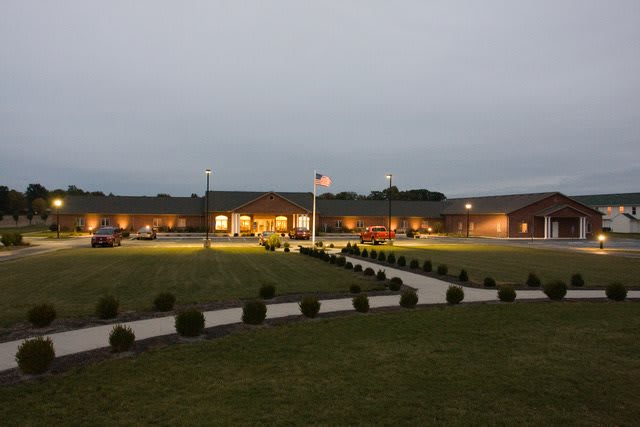
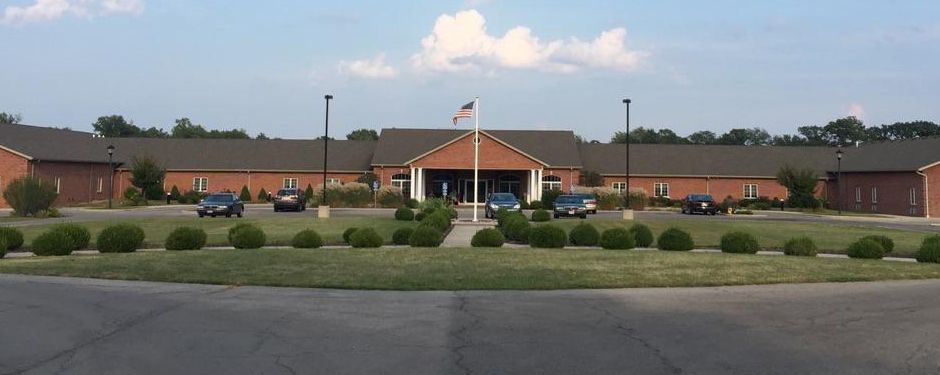
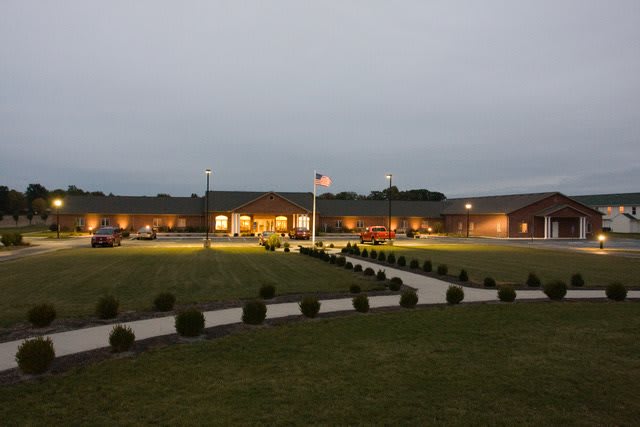

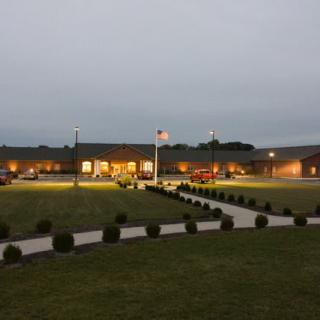
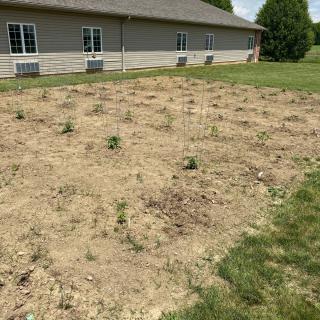
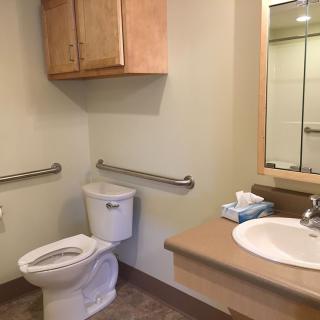
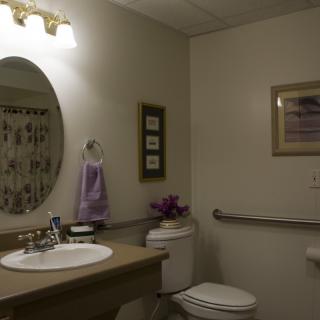
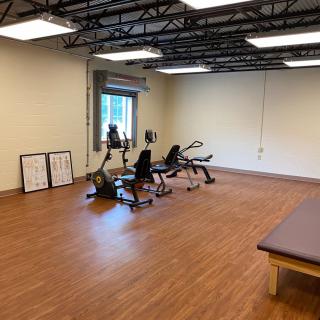

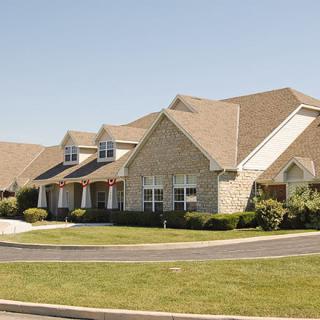
1380 North Locust Street, Ottawa, OH 45875
For more information about senior living options: (866) 208-4318
Putnam Heritage Costs & Pricing
Putnam Heritage offers competitive pricing for its studio accommodations, with a monthly cost of $3,750. When comparing this to the average costs in Putnam County, which stands at $4,171, it becomes evident that Putnam Heritage provides a more economical option for residents seeking quality living arrangements. Additionally, the state average for similar studio units is approximately $3,727, placing Putnam Heritage slightly below this benchmark as well. This strategic pricing not only reflects an attractive value proposition within both local and statewide contexts but also underscores Putnam Heritage's commitment to affordability without compromising on quality.
| Floor plans | Putnam Heritage | Putnam County | Ohio |
|---|---|---|---|
| Studio | $3,750 | $4,171 | $3,727 |
Assisted Living communities with a similar price nearby
-
from -$120 / mo

Kessler Estates Senior Living
$3,630 to $4,540 / month19.7 miles away -
from +$335 / mo
Brookdale Findlay
$4,085 to $4,425 / month23.0 miles away -
from -$200 / mo

Burton's Ridge Assisted Living
$3,550 to $4,275 / month23.6 miles away -
About the same
Mennonite Memorial Home
$3,720 to $4,230 / month12.1 miles away
Overall Review of Putnam Heritage
Pros
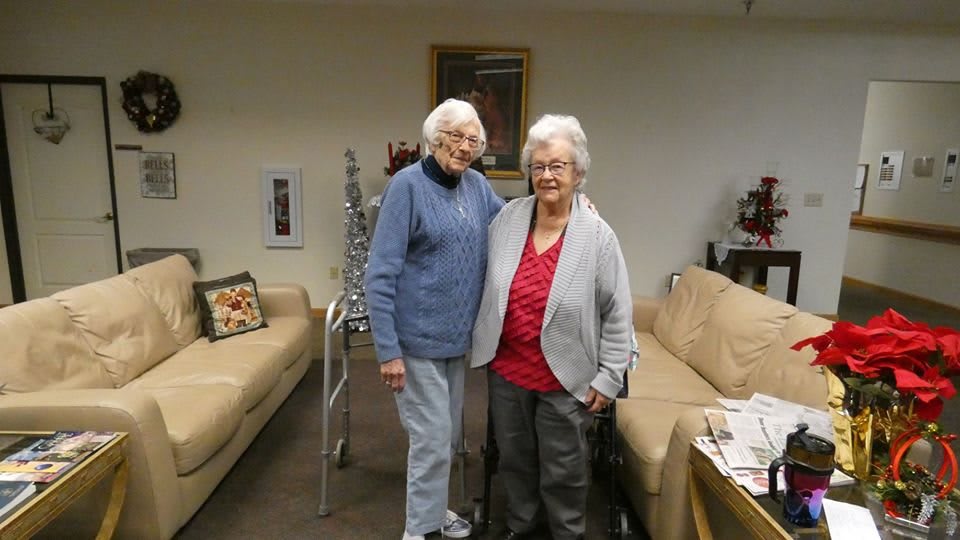
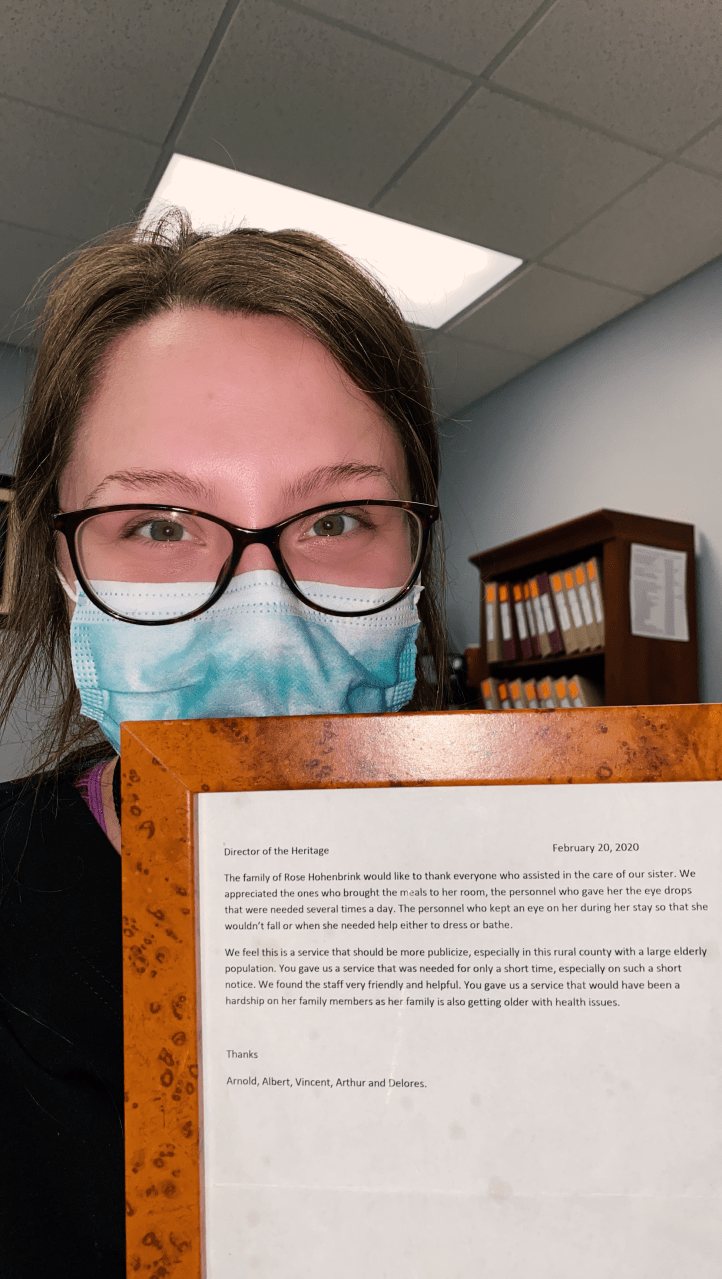
 The facility is neat, clean, and well maintained, with staff who consistently provide attentive care.
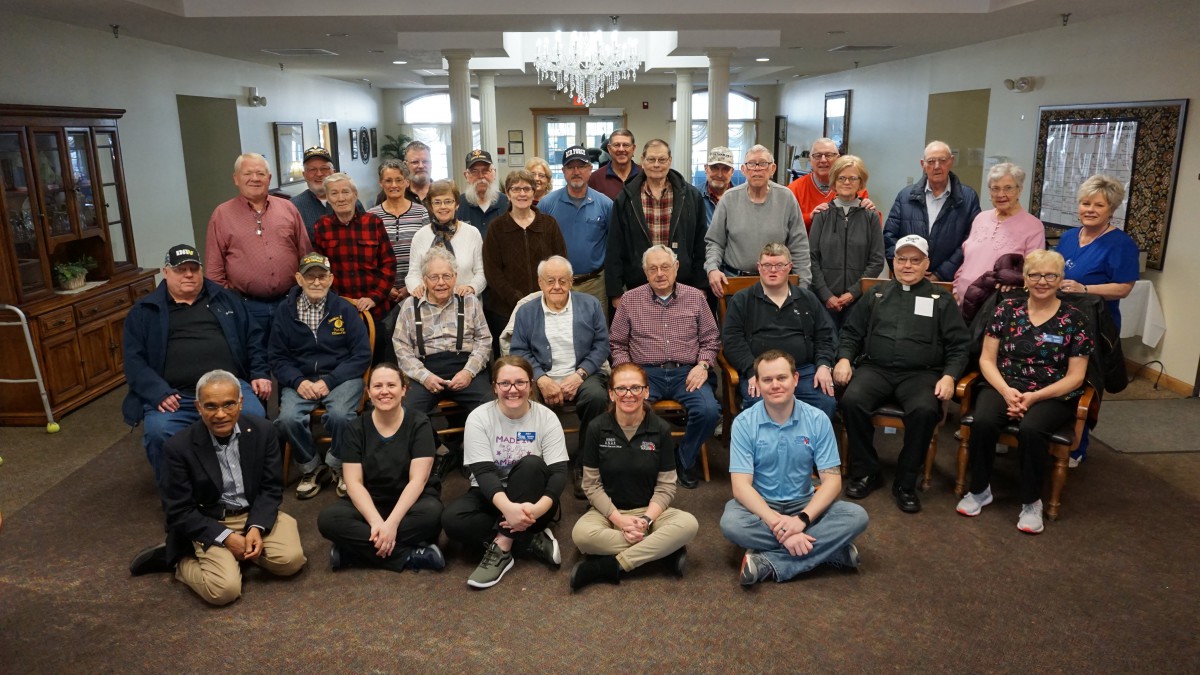
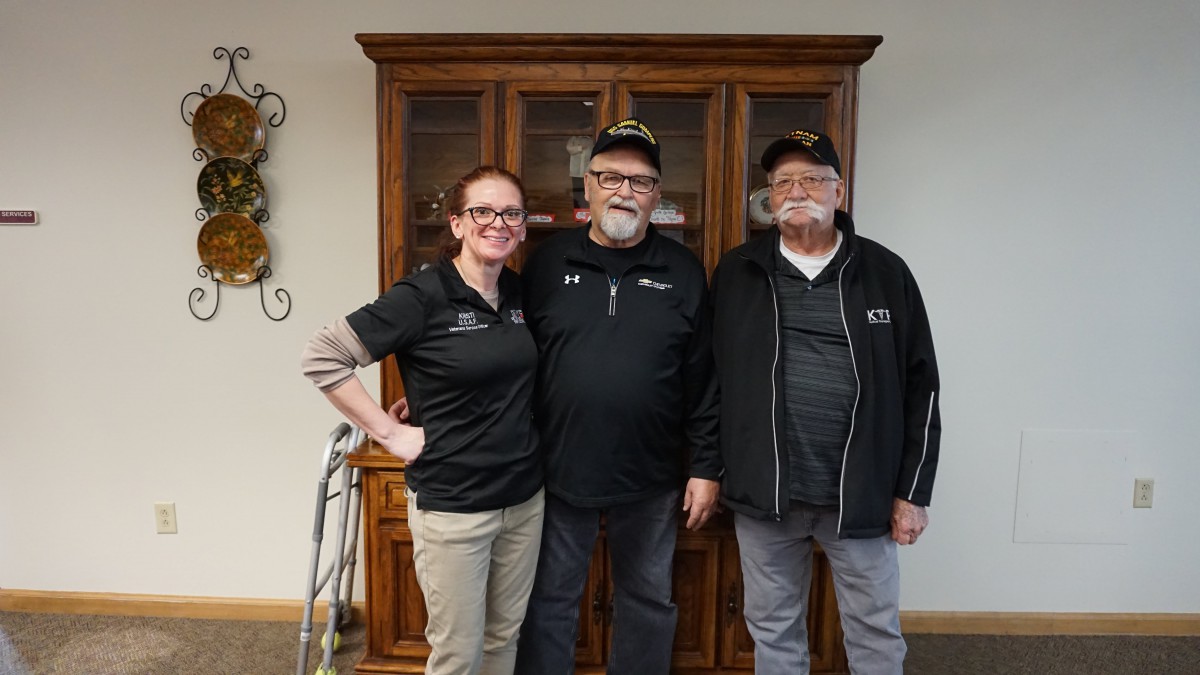
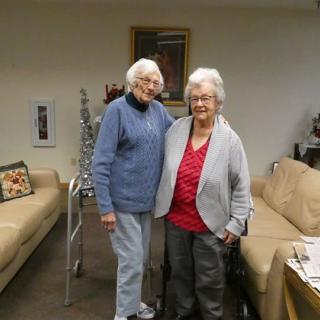
- The staff feel like family to the residents, creating a warm and supportive environment.
- The care is excellent and delivered by friendly, professional staff.
- The owner personally communicates with families and treats residents as part of his own family.
- Putnam Heritage offers good value for money with a simple all-in-one fee structure.
- The staff go above and beyond, assisting with medications, appointments, transportation, and daily activities.
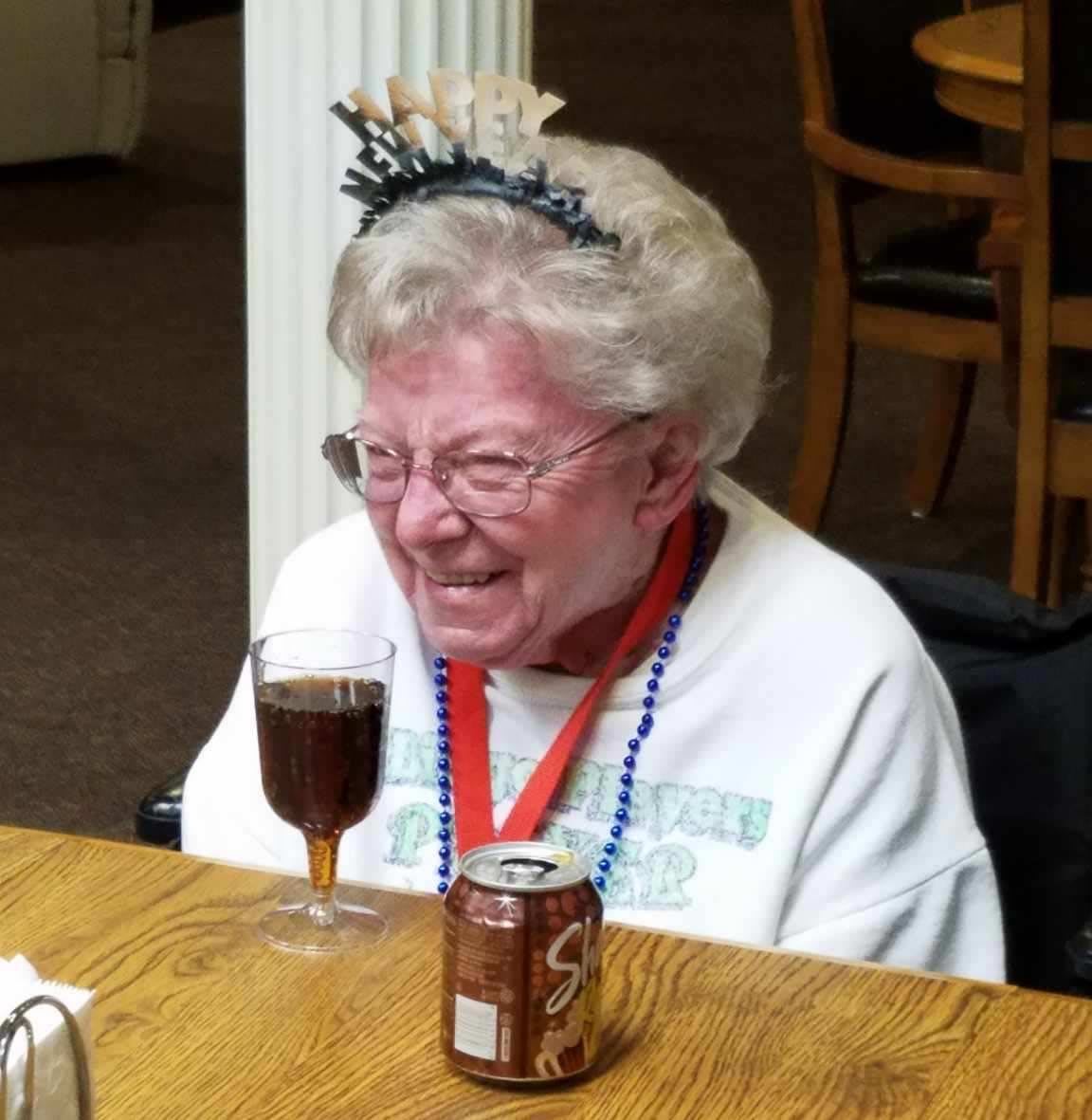
- Residents form new friendships and feel safe, loved, and well cared for.
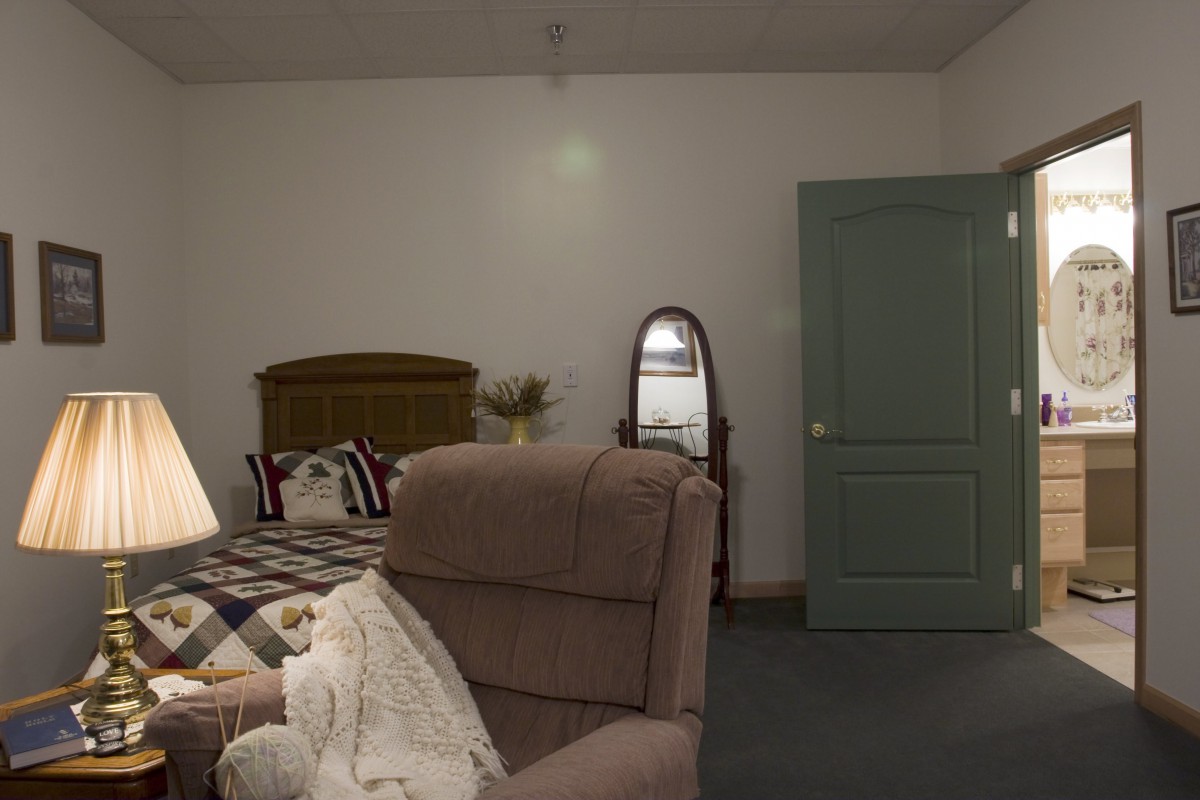
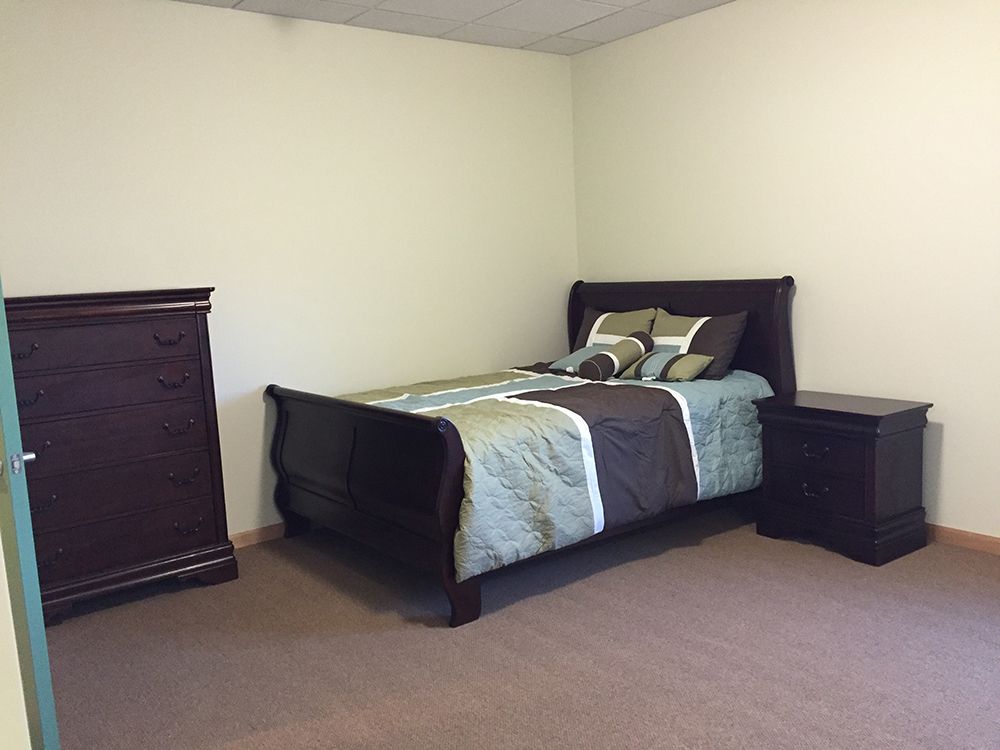
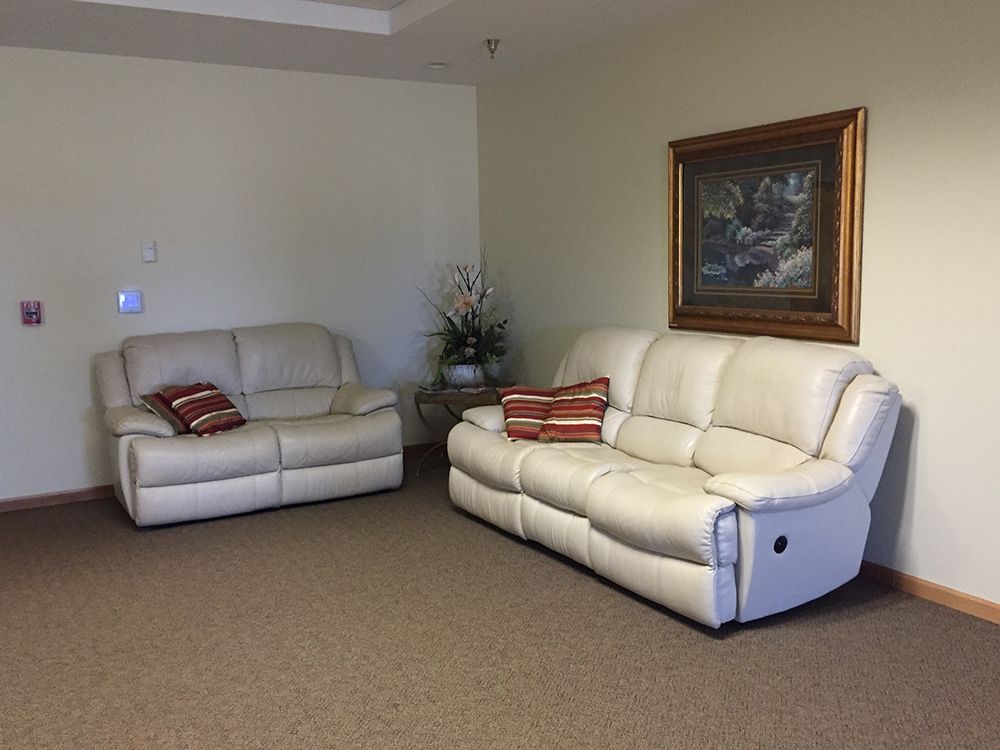
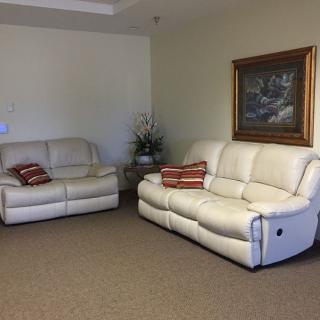
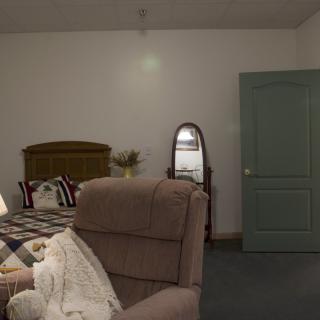
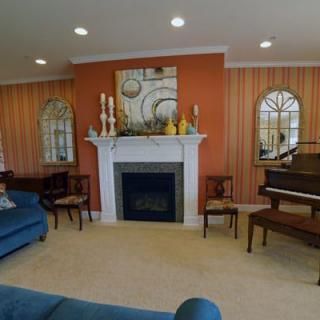
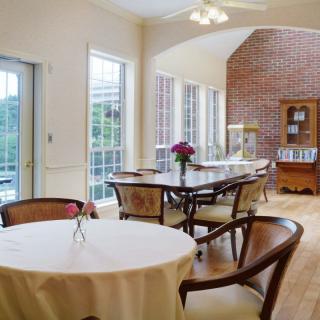
- The rooms are spacious and the facility provides multiple areas for social interaction.
- The activities program keeps residents engaged and cared-for.
- Families report they would highly recommend Putnam Heritage to others.
- The staff and residents greet visitors warmly, making every entry feel welcoming.
- Families have been able to save money while receiving quality care at Putnam Heritage.
Cons
 The facility is poorly managed.
- Staff are treated like servants and not given proper respect.
- The place shouldn’t even be able to run anymore.
- There were communication mishaps that made the process less smooth than it could have been.
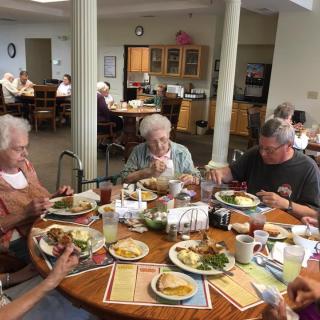
- The only complaint was that too much food was put on her plate.
Review
Putnam Heritage in Ottawa, Ohio, is best suited for families seeking a small, home-like assisted-living environment where the staff quickly become part of the resident’s extended family. It works well for seniors who want attentive daily care without the feel of a large, impersonal campus. The strongest fit is for someone who needs help with medications, meals, housekeeping, and transportation, but also cherishes personal connections, predictable routines, and a warm, engaged staff that treats residents with genuine warmth. The setting and pace are ideal for those who value meaningful activity and social interaction inside a manageable, community-driven footprint.
Those who may want to consider alternatives are clear enough: if high-acuity medical oversight, complex behavioral support, or ultra-modern, resort-like amenities are non-negotiable, Putnam Heritage may fall short. A few reviews flag occasional management hiccups and communication gaps, suggesting that operational consistency can vary. Families who require highly standardized, corporate-style communication or a broader array of on-site services may find more suitable options elsewhere. In short, the facility shines in warmth and practicality, but it is not designed to be the most advanced medical setting.
The core strengths here, caring staff, owner involvement, and a genuinely family-centered atmosphere, offset notable drawbacks with real resonance. Residents repeatedly become part of the staff’s extended circle, which translates into reliable daily care, prompt attention to medications, and hands-on help with errands or appointments. Cleanliness and a neat, well-maintained environment reinforce a sense of safety and respect for residents’ dignity. The compact, intimate layout supports frequent social interaction, while a robust activities program and regular outings keep life engaging. For families seeking reassurance that their loved one won’t be forgotten, these relationships carry substantial weight.
Still, the limited scale can surface management and communication rough edges. A few reviews point to miscommunications or learning-curve missteps, especially around scheduling or medical coordination. Such concerns are not universal, but they underscore the importance of prospective families asking current staff about who will be the primary point of contact, how care plans are reviewed, and how timely updates are delivered during changes in health or daily routine. Another divergence in sentiment notes a perception among some observers that staff were overextended or not always treated as valued teammates; this serves as a caution to verify staff support, turnover, and the culture of accountability. Approach these questions head-on to gauge consistency.
Practical realities reinforce the decision framework. Rooms are described as spacious enough and include private baths, with multiple common areas that encourage interaction without sacrificing privacy. The activities director plays a central role in daily enrichment, and the campus supports outings, shopping trips, bus rides, and other social excursions, that help residents stay connected to the wider community. Medication management, routine reminders for doctor visits, and family communication are repeatedly cited as strengths, contributing to a smoother caregiving experience for relatives. The overall package, homey feel, engaged staff, accessible services, and reasonable pricing, positions Putnam Heritage as a pragmatic, protective choice for aging in place.
Bottom line: Putnam Heritage offers a practical, seasoned option for families prioritizing warmth, reliability, and affordability in a smaller, tightly knit setting. It’s a strong fit for seniors who want personalized attention and a sense of belonging, with staff who feel like an extension of the family. For those needing advanced medical programming, vast on-site amenities, or uniformly scripted operations, alternatives may be preferable. The few negative notes about management performance and communication do not erase the lived reality of consistent care, open family updates, and a caring community that many families say has transformed their loved ones’ quality of life. With careful due diligence, confirm care plans, test communication channels, and participate in the activity calendar, Putnam Heritage emerges as a credible, even compelling, choice for the right resident.
 75 resident community capacity
 Assisted Living
 Cats allowed
 Dogs allowed
 Activities off-site
 Air-conditioning
 Bath tubs
 Beautician on-site
 Cable or satellite TV
 Computer center
 Devotional services off-site
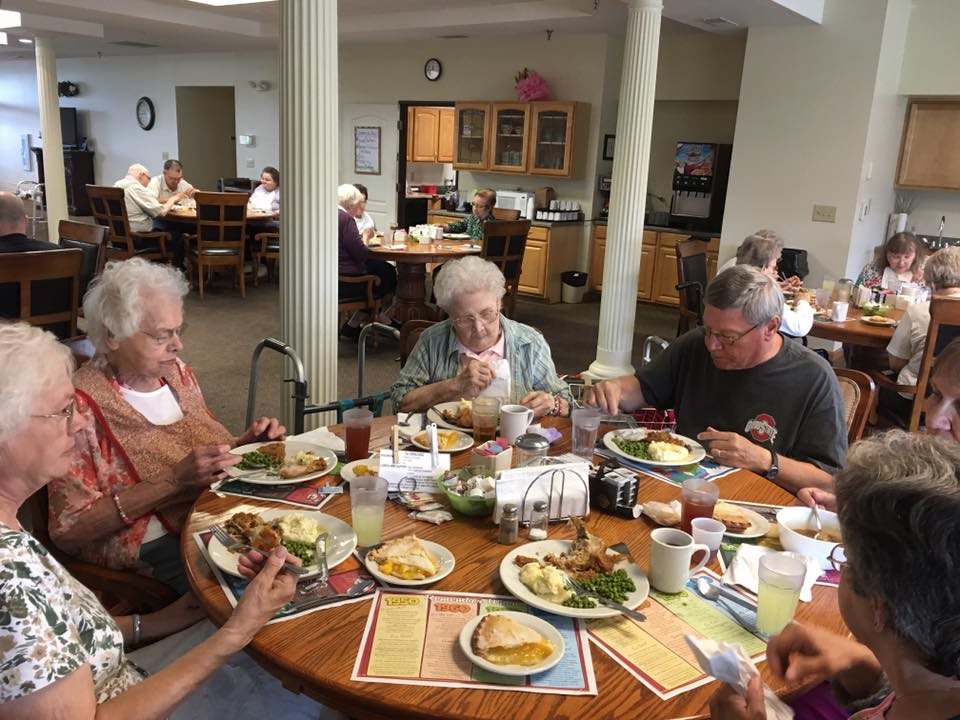
 Dining room
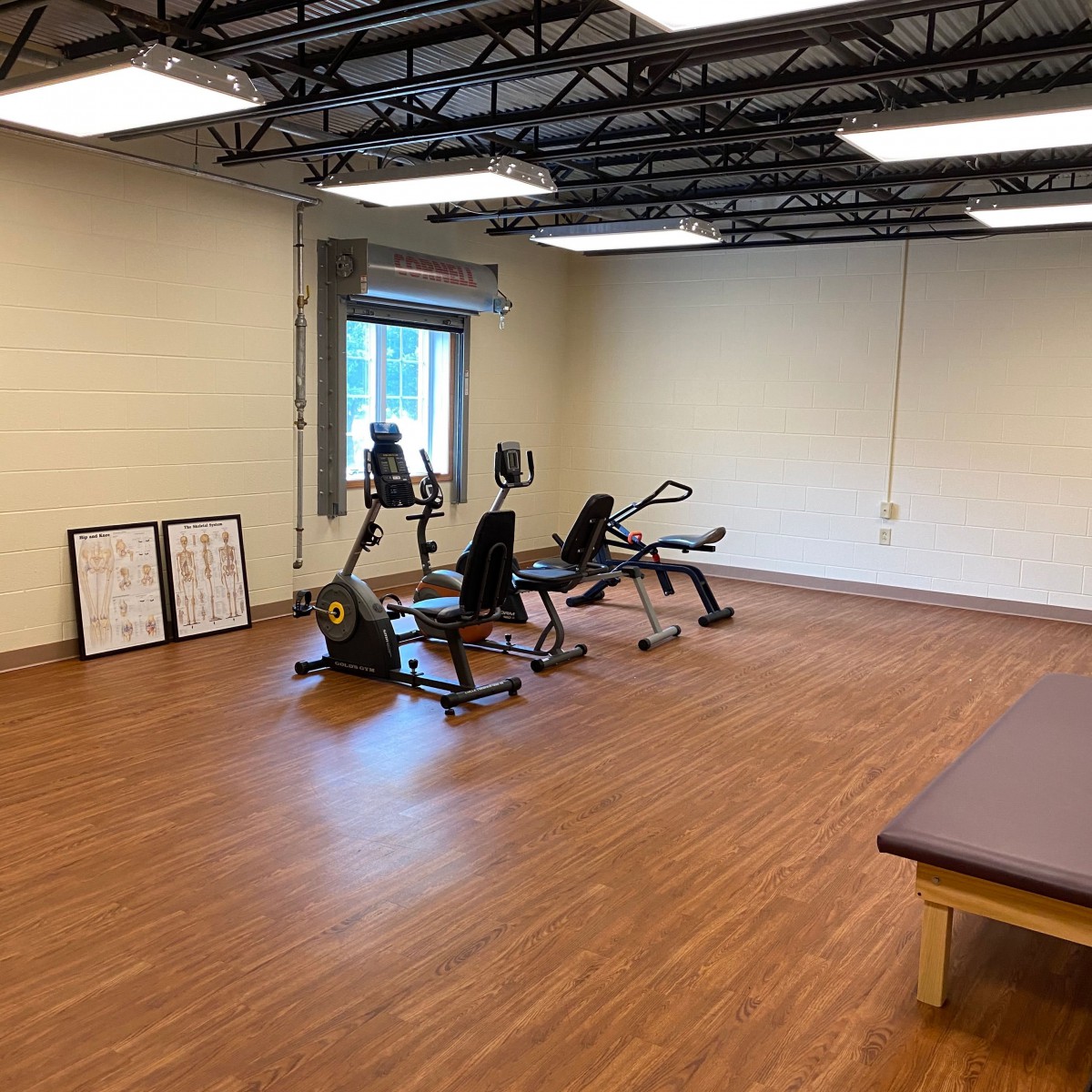
 Fitness room
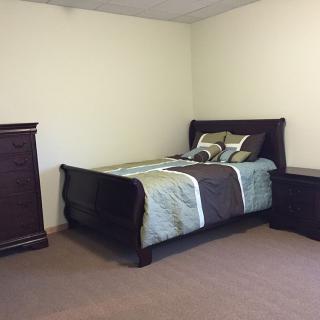
 Fully furnished
 Gaming room
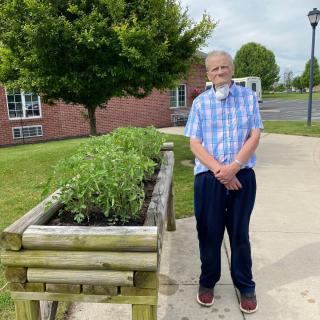
 Garden
 Ground floor units
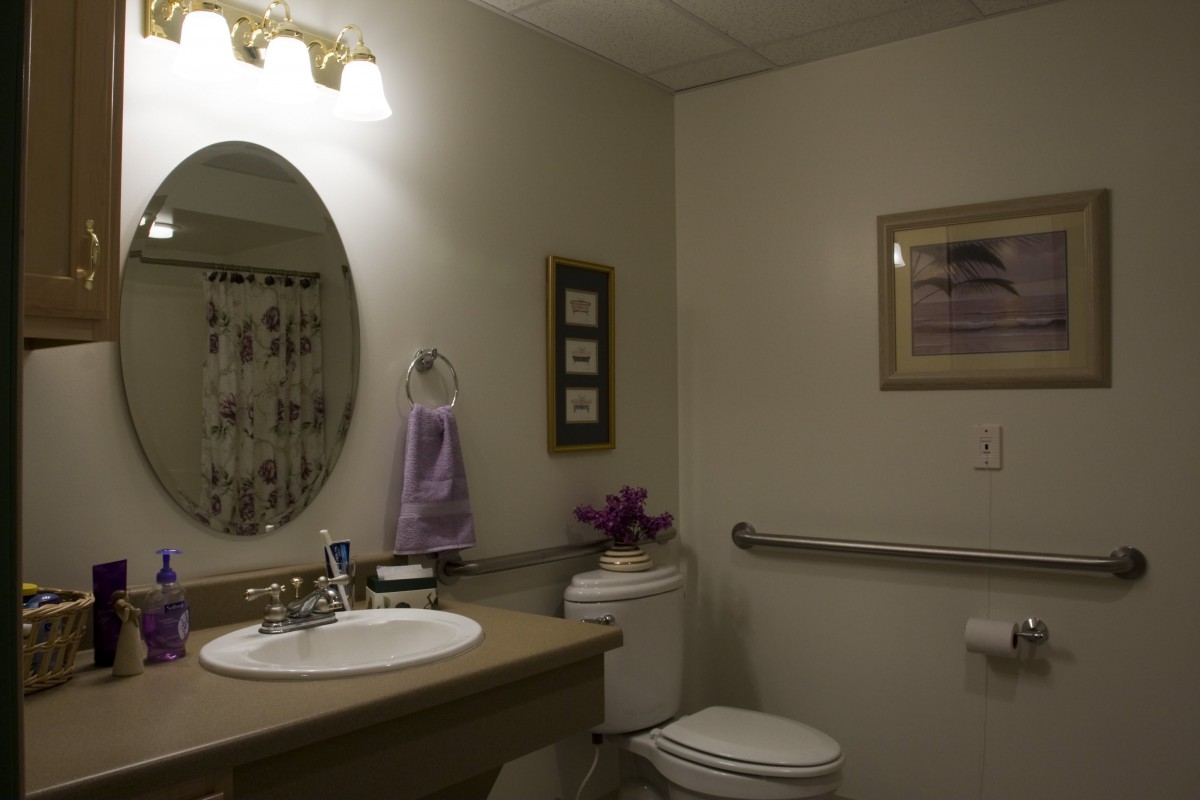
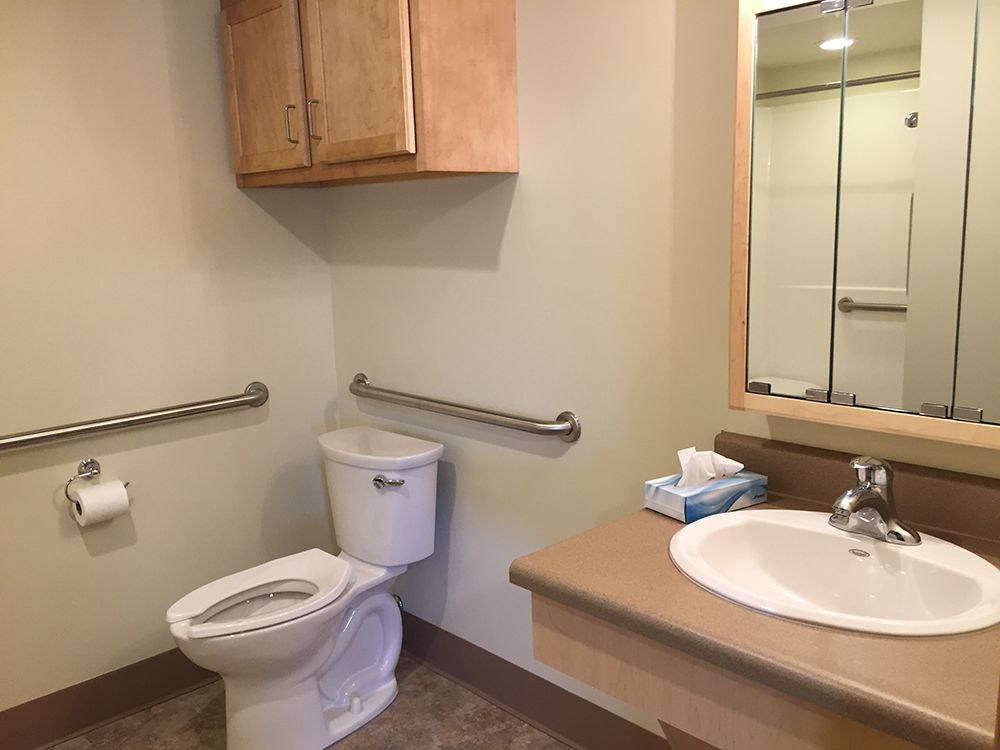
 Handicap accessible
 Housekeeping services
 Indoor common areas
 Kitchenette
 Move-in coordination
 Outdoor common areas
 Private bathrooms
 Respite or short term stays offered
 Restaurant-style dining
 Small library
 Telephone
 Wellness center
 Wheelchair accessible showers
 Wi-Fi/high-speed internet available
 Community operated transportation
 12-16 hour nursing
 24-hour call system
 Assistance with bathing
 Assistance with dressing
 Assistance with transfers
 Diabetes diet
 Diabetic care
 Incontinence care
 Medication management
 Mental wellness program
 Special dietary restrictions
 Art classes
 Catholic services
 Concierge services
 Cooking classes
 Day trips and outings
 Educational speakers / life long learning
 Happy hour
 Karaoke
 Live musical performances
 Wine tasting


 Senior Transition Services: Understanding Their Role, Cost, and Importance
 Exploring the Path to Senior Living: A Comprehensive Look at Independent Living and Assisted Living
 Is Assisted Living Deductible on Your Taxes? Understanding the Complexities of Assisted Living Expenses and Deductions