
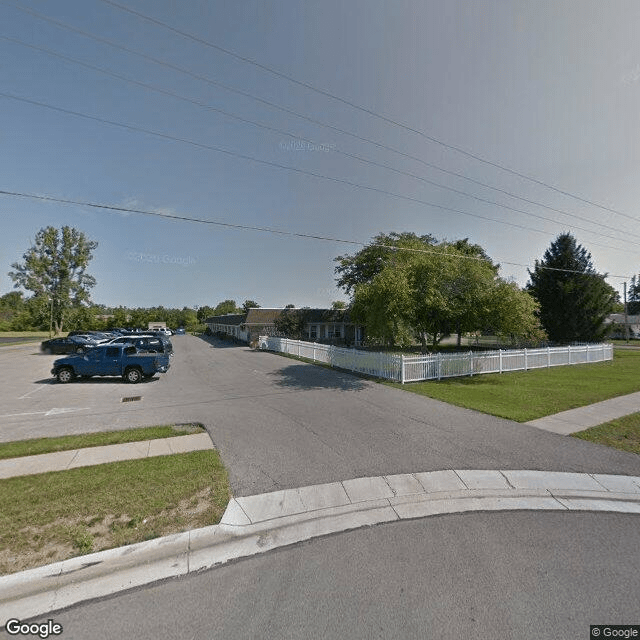
1925 East Fourth Street, Ottawa, OH 45875
For more information about senior living options: (866) 208-4318

Overall Review of Autumn Court
Pros
 The facility is wonderful.
- The staff are wonderful and caring.
- All the staff are great.
- The staff are helpful, providing a care environment that meets every individual's needs.
- Autumn Court is a great place; the staff are friendly and kind, and they make things fun for residents while treating them with love and kindness.
- The atmosphere at the facility is pleasant and upbeat.
- The staff are on top of things and have great communication with residents, their families, and one another.
Cons
 One reviewer advised people to stay away from the facility.
- The reviewer urged others to stay far away from the facility.
- Some staff members were mean, condescending, and did not care about residents.
- The reviewer visited a resident there and found the common areas reeked of urine.
- The reviewer felt uneasy being there.
- The reviewer likely contracted COVID from the facility, testing positive three days after visiting and being sick for two weeks.
- The reviewer stated they would not visit the facility again.
Review
Autumn Court in Ottawa, OH is best suited for seniors who need skilled nursing with a behavioral focus and for families that prize energetic, attentive caregiving and clear, proactive communication. The facility carries a strong reputation for a full census and a waiting list, signaling that many families view it as a dependable source of day-to-day support and specialized behavioral care. Residents who benefit most tend to respond well to a lively atmosphere, structured routines, and staff who appear consistently engaged in activities that keep residents connected, safe, and entertained. In short, Autumn Court serves as a practical home for those needing behavioral SNF services paired with accessible staff oversight and a positive environment.
Prospective buyers should also consider that Autumn Court may not be ideal for every resident. The standout praise centers on a warm, engaged staff, but a minority of experiences hint at inconsistencies in demeanor and care. A negative review describes staff members who are mean or condescending, and notes cleanliness concerns in common areas. For families who insist on uniformly respectful interactions across shifts, or who are highly sensitive to odor and cleanliness cues, these reports warrant direct inspection. The facility’s popularity also implies that admissions can involve waiting periods or transitions that require steady coordination, which may not suit every timeline.
The core advantages are tangible and meaningful. Staff are repeatedly described as friendly, caring, and communicative, with a genuine effort to meet individual needs. The care environment emphasizes personalized planning, ensuring residents receive attention aligned with their conditions and preferences. An upbeat atmosphere helps residents engage in daily routines and activities without feeling stigmatized or neglected, which can translate into better mood, cooperation, and participation in care plans. The behavioral SNF specialization is a practical asset for families seeking targeted behavioral support, not just general nursing care. Taken together, these strengths create a reliable, responsive backdrop for days that feel manageable rather than chaotic.
However, the negative feedback cannot be dismissed. It underscores that not every interaction aligns with the facility’s otherwise strong tone, and that even a few staff members displaying condescension or signs of neglect can erode trust quickly. Cleanliness issues in common areas, if accurate, point to gaps in housekeeping and maintenance that matter greatly for safety and comfort. For residents who rely on consistent reassurance and for families who depend on regular, transparent reporting, these reports deserve careful scrutiny during tours and initial weeks of immersion. The variance in experience suggests that quality may hinge on shift dynamics, making firsthand observation essential.
To make a well-supported decision, plan a targeted site visit with a checklist: observe morning and afternoon shift interactions; request to speak with the director of nursing about behavioral care protocols; review the facility’s incident communication process with families; assess housekeeping routines in common areas and restrooms; ask about staff training in de-escalation and resident dignity; and verify that the care plan for behavioral needs is individualized and regularly updated. Also inquire about wait times and the process for moving through intake from inquiry to admission, given the waiting list. A visit that includes conversations with current residents’ families can reveal how consistently the promised care is delivered across different days and staff teams.
Overall, Autumn Court presents a credible option for families seeking a behavioral SNF with a strong, positive culture and a proven track record. The overwhelming majority of reviews celebrate caring staff, effective communication, and a lively environment that supports meaningful activity. Yet the minority of negative experiences should trigger careful verification: tour experiences, conversations with current residents’ families, and a detailed review of housekeeping practices. For residents whose priorities align with expert behavioral care, transparent communication, and a warm, sociable setting, Autumn Court is worth serious consideration. A deliberate visit will reveal whether it aligns with the resident’s needs and family expectations.
 50 resident community capacity
 Skilled Nursing Facility
 Beauty salon
 Cable or satellite TV
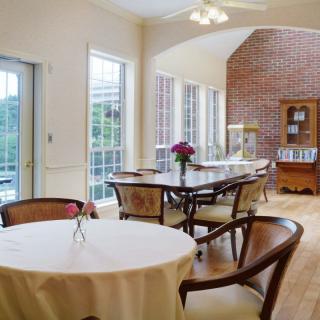
 Dining room
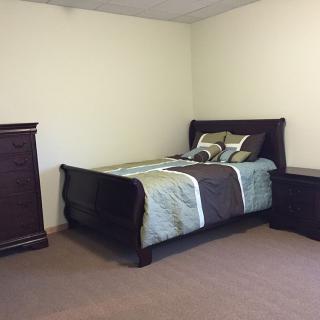
 Fully furnished
 Garden
 Housekeeping services
 Kitchenette
 Move-in coordination
 Outdoor space
 Restaurant-style dining
 Small library
 Telephone
 Wi-Fi/high-speed internet available
 24-hour call system
 Activities of daily living assistance
 Assistance with bathing
 Assistance with dressing
 Assistance with transfers
 Diabetes diet
 Medication management
 Mental wellness program
 Special dietary restrictions





 9 Stimulating Memory Activities for Seniors: Puzzles, Cards, and Much More
 Managing Nursing Home Expenses After Medicare Coverage Ends
 Is a Geriatric Care Manager the Right Choice for Your Family?