



147 Putnam Parkway, Ottawa, OH 45875
For more information about senior living options: (866) 208-4318
The Meadows Of Ottawa Costs & Pricing
The Meadows of Ottawa offers competitive pricing for its various room types when compared to both Putnam County and the broader state of Ohio. For semi-private rooms, residents can expect to pay $3,060 per month, significantly lower than the county average of $4,063 and slightly less than the state average of $3,965. Studio apartments are available at $3,870 - a price that remains attractive in contrast to Putnam County's rate of $4,171, while still being above Ohio's average of $3,727. Furthermore, for those seeking a one-bedroom option, The Meadows stands out with a monthly cost of $4,350, which is notably higher than the county's rate of $3,369 and marginally above the state's average of $3,712. Overall, The Meadows presents a compelling value proposition for prospective residents considering their housing options within this market.
| Floor plans | The Meadows Of Ottawa | Putnam County | Ohio |
|---|---|---|---|
| Semi-Private | $3,060 | $4,063 | $3,965 |
| Studio | $3,870 | $4,171 | $3,727 |
| 1 Bedroom | $4,350 | $3,369 | $3,712 |
Overall Review of The Meadows Of Ottawa
Pros
 The Meadows of Ottawa provides care that gives families peace of mind.
 - The staff at The Meadows of Ottawa pray with residents and accompany them to mass, honoring their Catholic faith.
- Families are grateful for The Meadows of Ottawa.
- The Meadows of Ottawa team goes above and beyond to meet residents' needs and keeps families informed.
- The care at The Meadows of Ottawa is incredible, with nurses, aides, and staff consistently meeting residents' needs.
- There is superb cooperation between The Meadows of Ottawa staff and other caregivers, ensuring timely support.
- The maintenance staff at The Meadows of Ottawa provides what residents need, always with a smile.
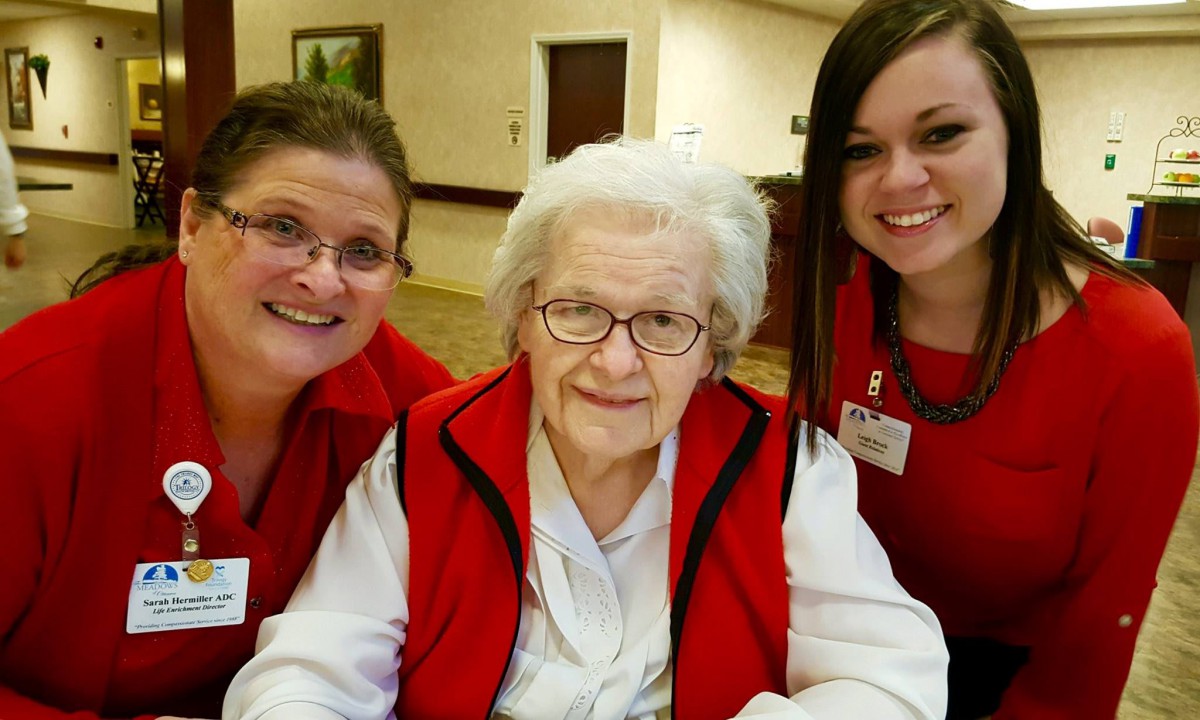
- The staff at The Meadows of Ottawa are attentive, compassionate, and respectful, offering comfort during difficult times.
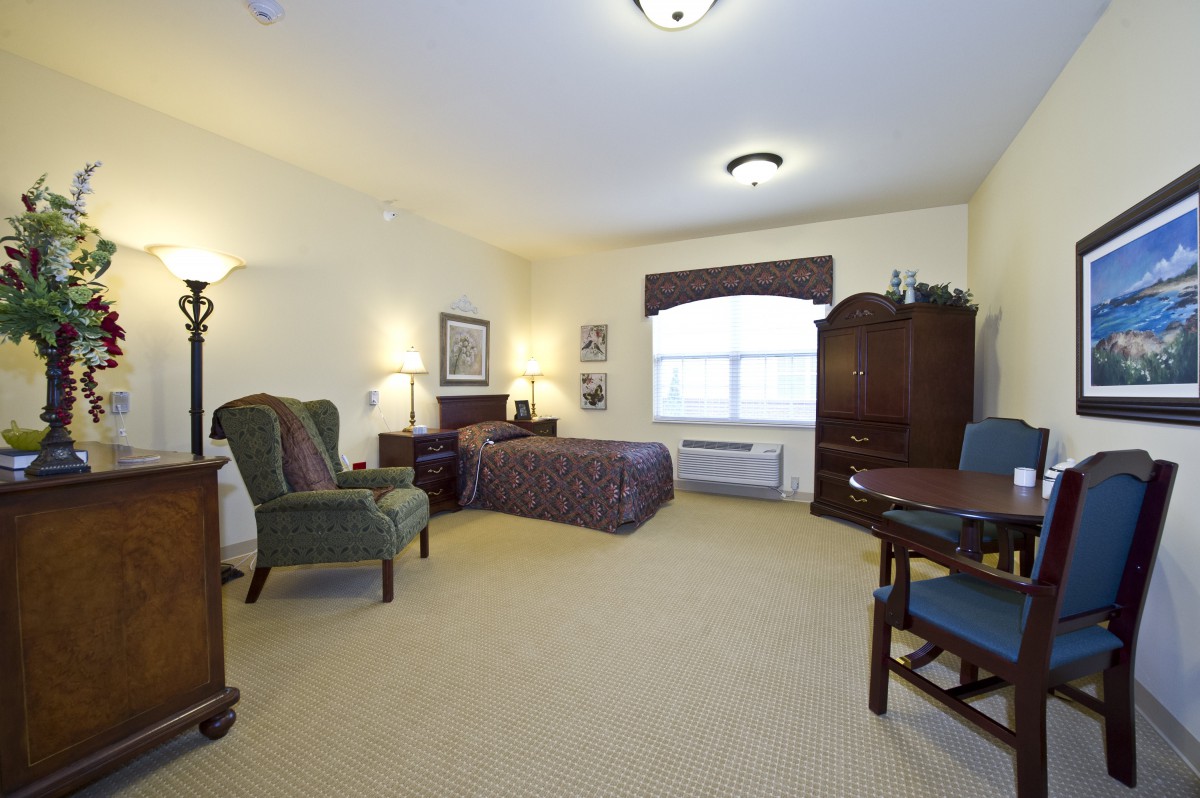
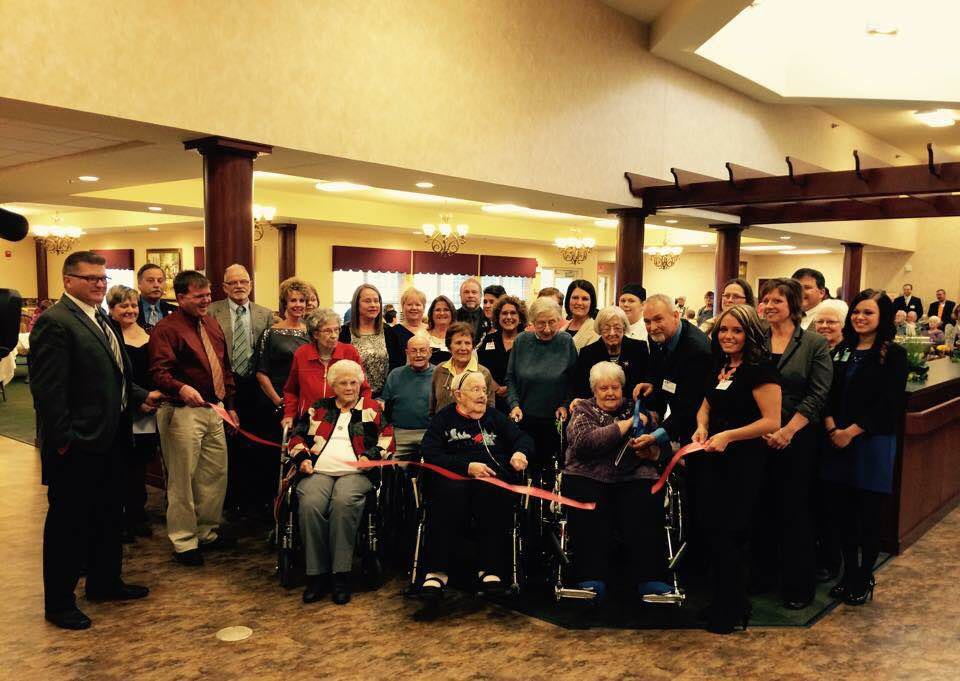
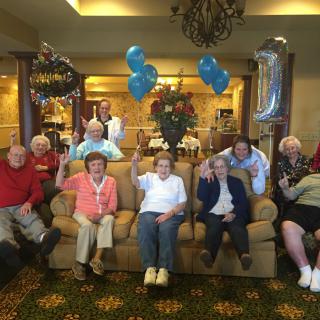
- The Meadows of Ottawa is a wonderful, clean community with many activities and a commitment to giving back to residents and the community.
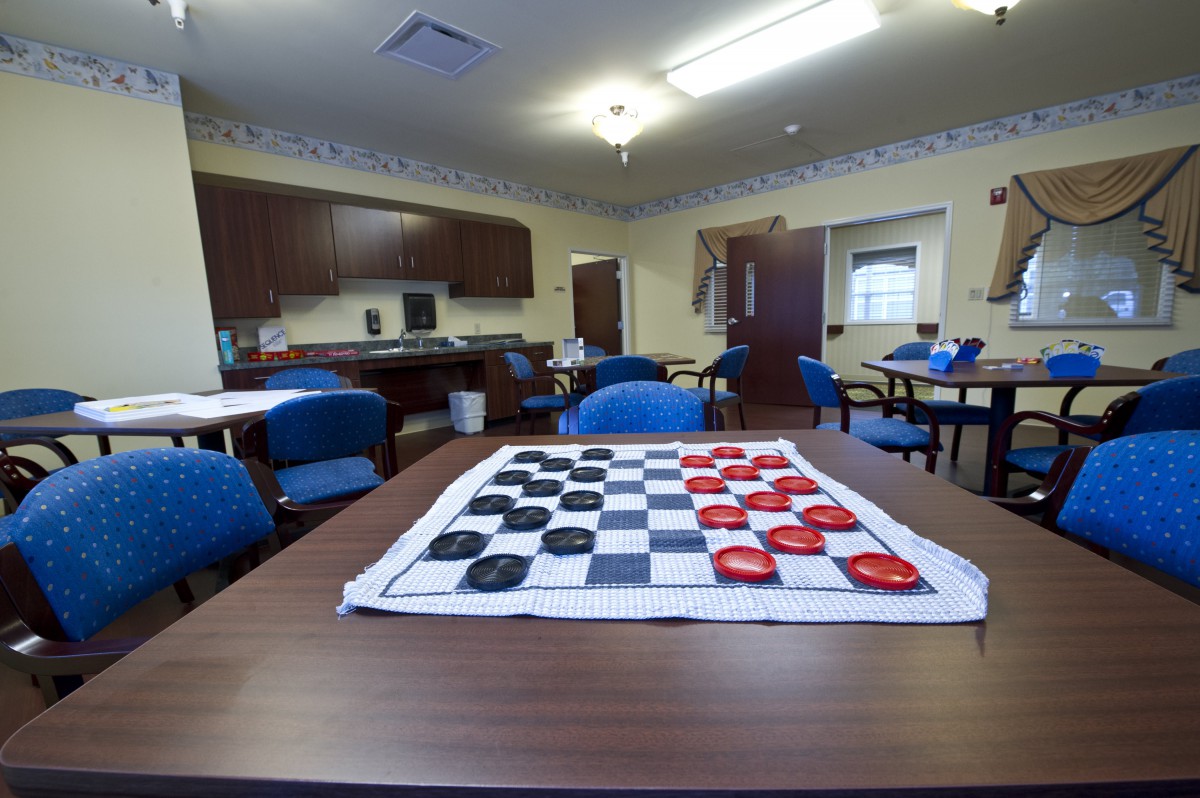
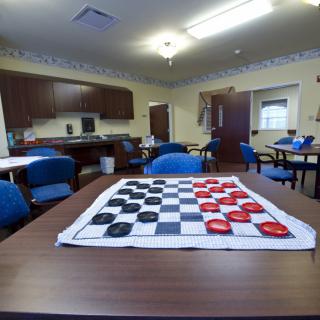
- Residents, families, and friends enjoy the many activities offered by The Meadows of Ottawa.
Cons
 A reviewer reports discrimination due to ADA and that promised compensation never materialized.
- A reviewer notes that their mother wasn’t taken to appointments on time and doctors’ orders were not followed.
- A reviewer describes staff as putting on a good front when someone is nearby but failing to care when no one is watching.
- A reviewer states there were six-plus hour gaps in checking on incontinent residents.
- A reviewer mentions loud talking by aides in the halls during afternoon nap times.
Review
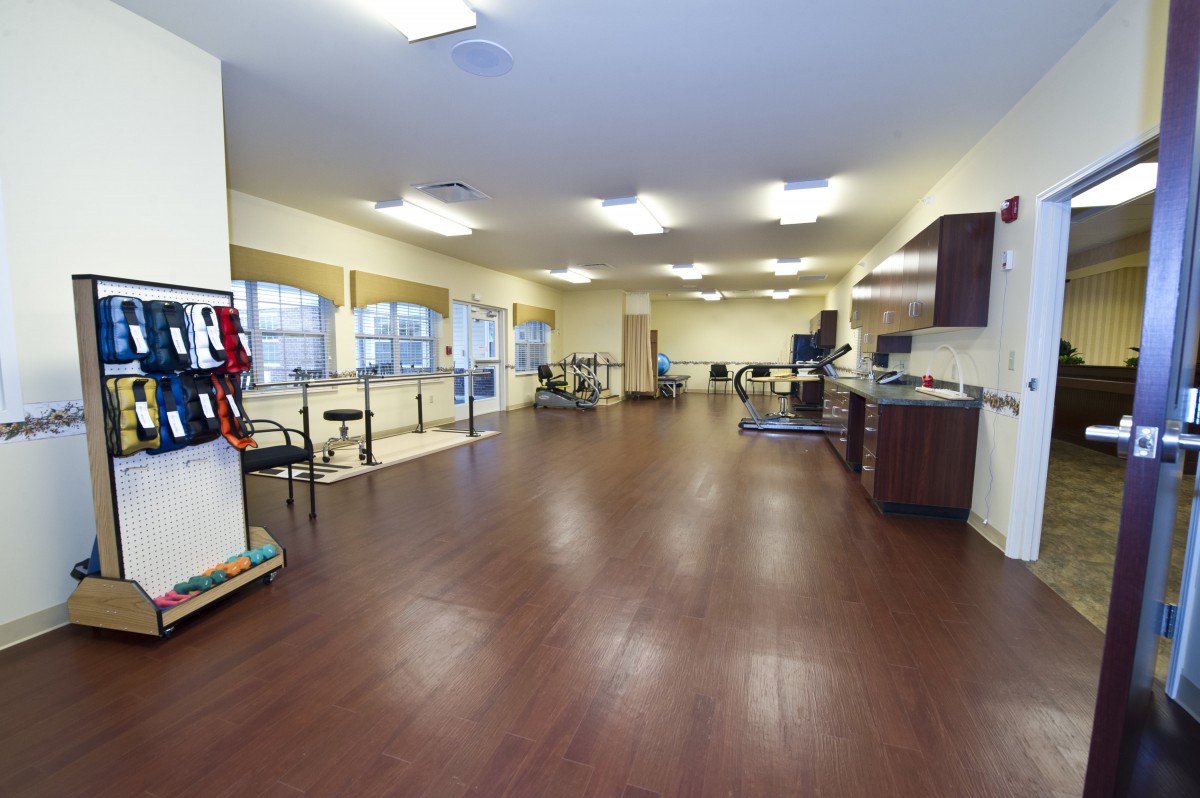
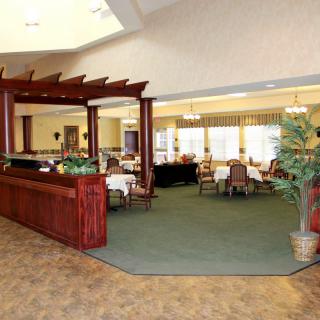
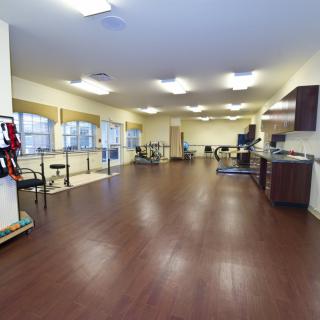
The Meadows of Ottawa is best suited for families seeking a faith-informed, highly attentive care environment where spirituality and daily compassion are woven into everyday routines. This community shines for residents who benefit from strong nursing and rehab support, hospice collaboration, and a lively activity calendar, all under a framework that honors Catholic faith and rituals. It works especially well for seniors who value clear family communication, regular updates on therapy progress, and a stable, caring team that can adapt as care needs shift, from post-surgical recovery to end-of-life comfort. In short, this is a fit-for-faith, people-first option for those who want robust care paired with meaningful opportunities for social and spiritual engagement.
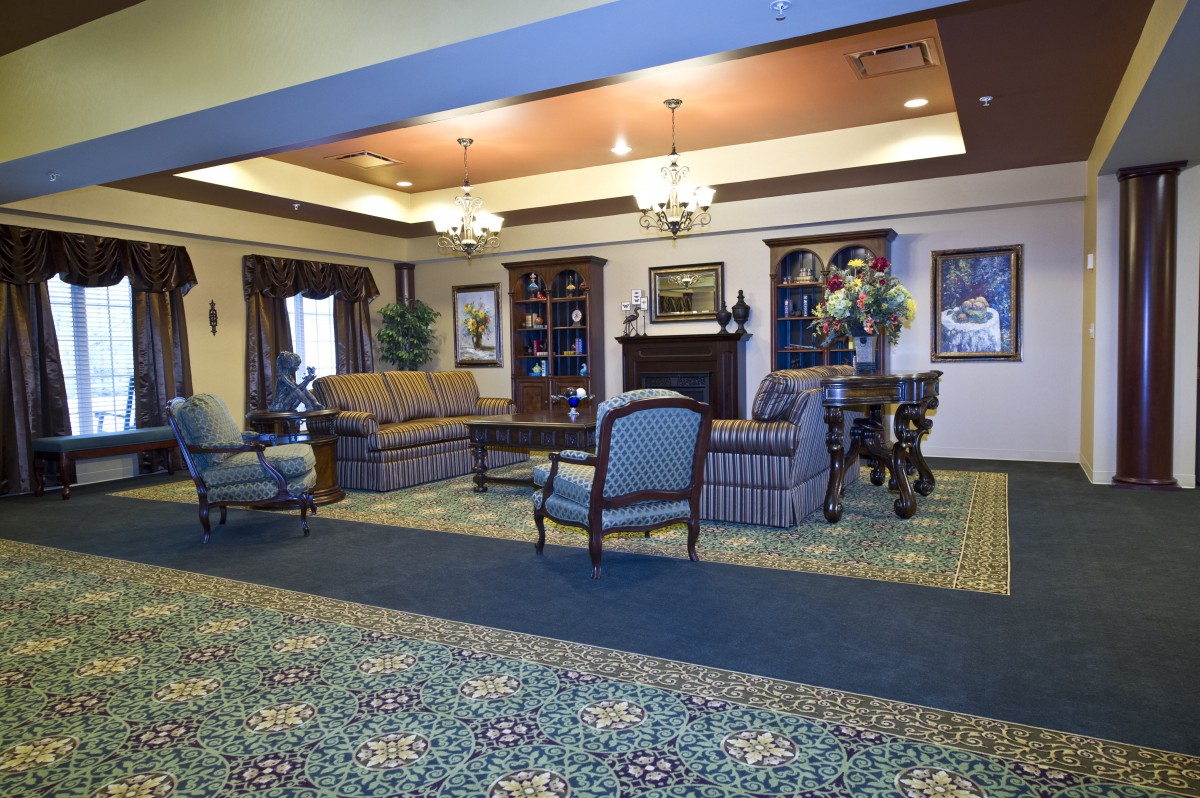
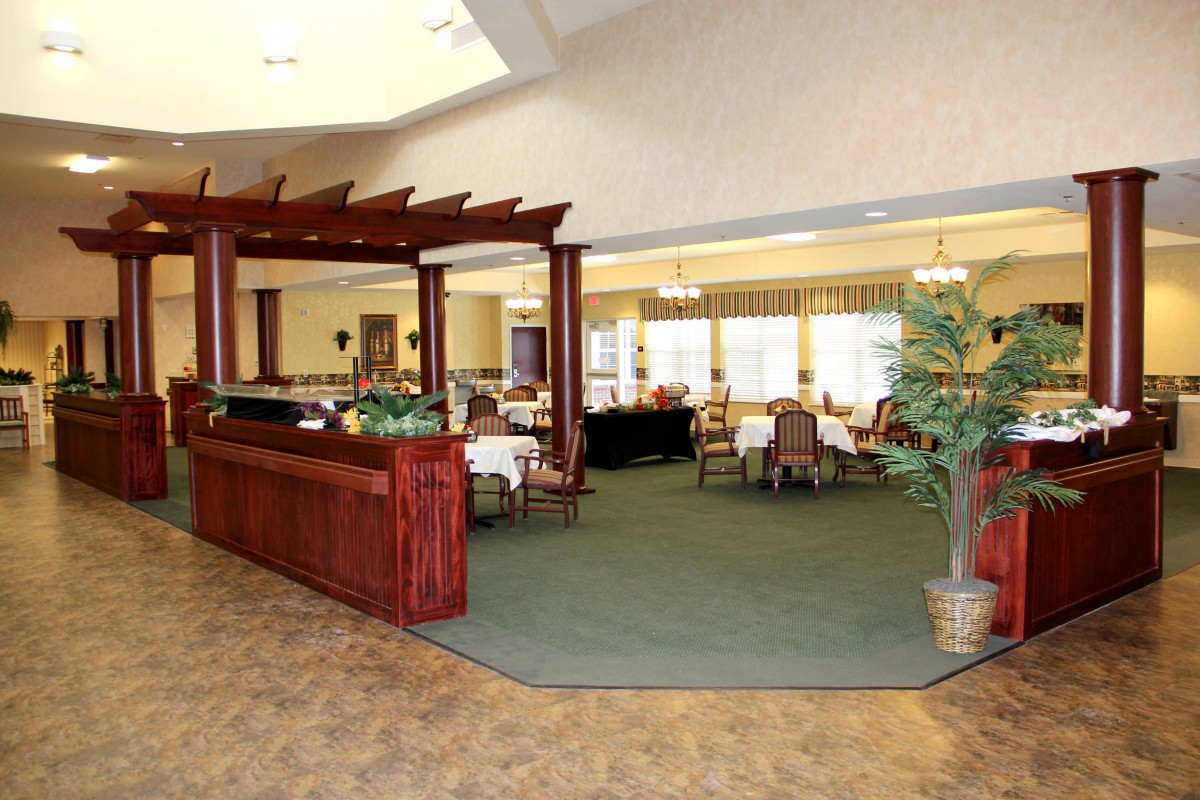
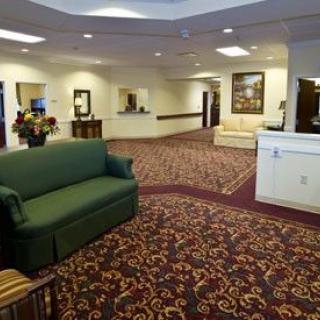
The standout strengths center on compassionate staff and a genuine sense of community. Families repeatedly describe staff who pray with residents, accompany them to mass, and treat spiritual needs as integral to daily care. The team is praised for going above and beyond to meet medical and personal needs, with a level of coordination that helps during transitions into hospice or varying levels of care. The Meadows earns high marks for clean, welcoming spaces and a broad array of activities that keep residents engaged. Maintenance and housekeeping receive frequent compliments for promptly addressing requests and sustaining a pleasant environment, while the nursing and aides are consistently described as caring, patient, and devoted to residents’ comfort.
Yet, several concrete concerns warrant attention for families evaluating options. A recurring theme involves gaps in day-to-day logistics, such as timely transportation to medical appointments and adherence to doctor recommendations in some cases. There are troubling reports of experiences tied to ADA matters and payroll promises that were not fulfilled, highlighting the risk of trust erosion if communication falters at the administrative level. Another negative thread mentions long periods, sometimes several hours, without checks on incontinent residents, which underscores the potential for lapses in monitoring during busy shifts. The occasional loud talking in hallways during rest periods and a perception that front-facing assurances do not always hold when staff aren’t visibly observed also surface in resident experiences.
Despite these issues, the major positives, highly engaged care teams, proactive hospice cooperation, and a faith-centered atmosphere, often offset the drawbacks. When concerns arise, the staff are frequently described as responsive, with care plans adjusted promptly and families kept informed about therapy progress and changes in condition. The sustained emphasis on spiritual support, coupled with an active social calendar and a cooperative approach to transitioning between service levels, creates a resilient framework for many residents. For families, this means a trustworthy baseline of compassion and professional care, even as attention to operational consistency remains a critical area to monitor.
For those weighing alternatives, the key caveat is whether religious context, hands-on nurse and aide availability, and a robust activity program align with the resident’s preferences and family expectations. If a non-religious environment, stricter scheduling reliability, or a zero-tolerance stance on any administrative inconsistency is paramount, other nearby options may better fit. Prospective residents should probe about appointment logistics, transportation coordination, and the facility’s ADA policies, ensuring that promises translate into dependable practice. Hearing from current residents’ families about how issues are resolved and how care plans are communicated can illuminate whether Meadows will meet the specific needs of the individual.
In the end, Meadows stands out for families seeking a faith-infused, person-centered care setting where compassion, clear communication, and hospice collaboration underpin daily life. The strongest case is made for those who value spiritual compatibility, active engagement, and a staff culture that demonstrates care in tangible ways. To move from consideration to confidence, prospective planners should schedule candid conversations with the administrator and care team, tour during routine hours to observe interactions, and request real-world examples of how typical concerns, appointment coordination, ADA-related issues, and incontinence monitoring, are managed day-to-day. With due diligence, Meadows can be the right home for a dignified, connected aging experience.
 32 resident community capacity
 Assisted Living
 Day Program
 Skilled Nursing Facility
 Air-conditioning
 Beautician on-site
 Cable or satellite TV
 Devotional services off-site
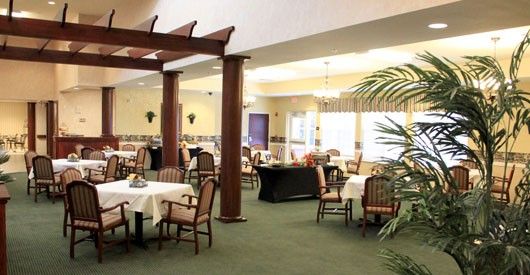
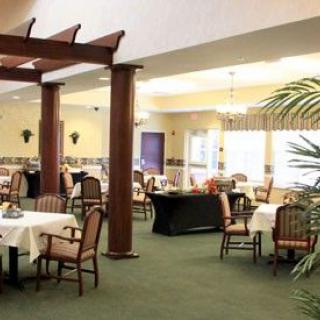
 Dining room
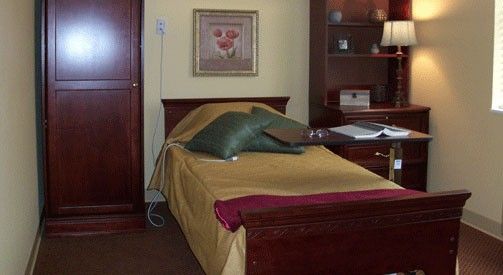
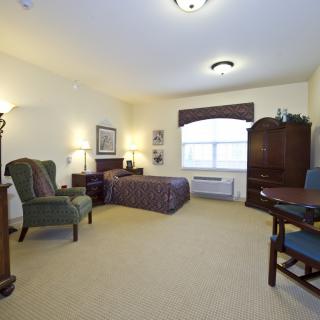
 Fully furnished
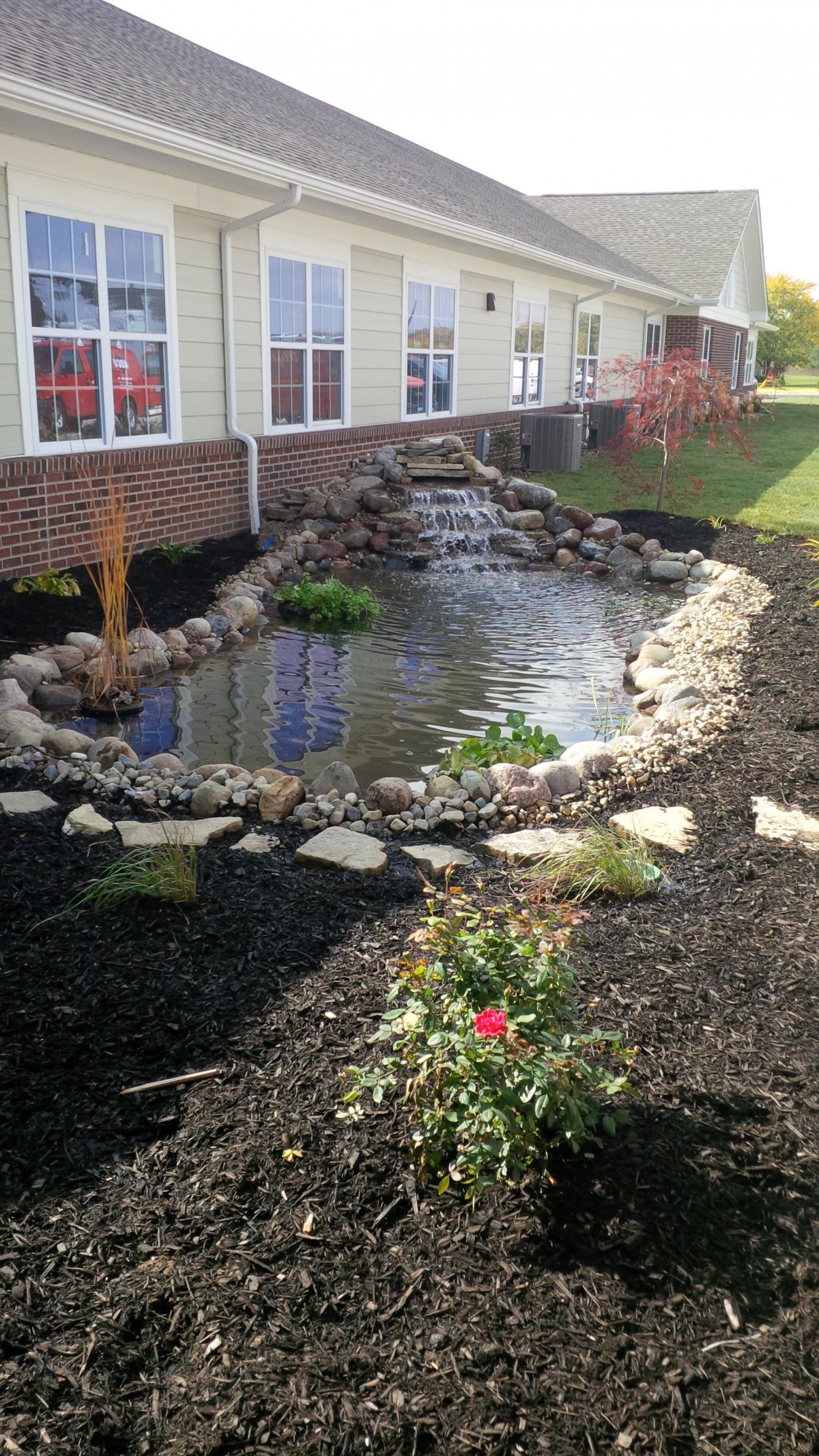
 Garden
 Ground floor units
 Handicap accessible
 Housekeeping services
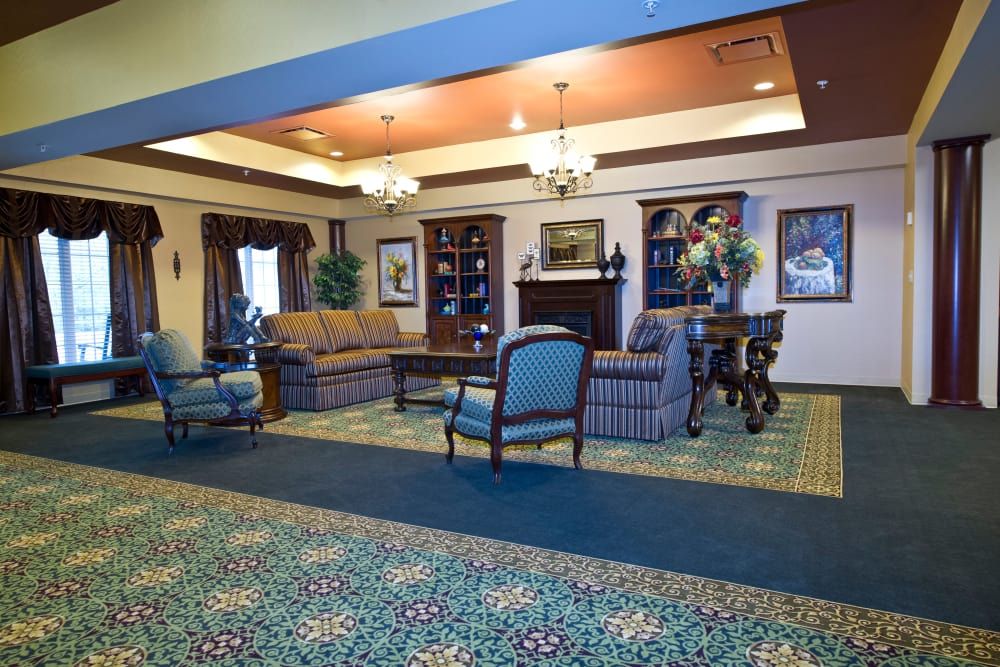
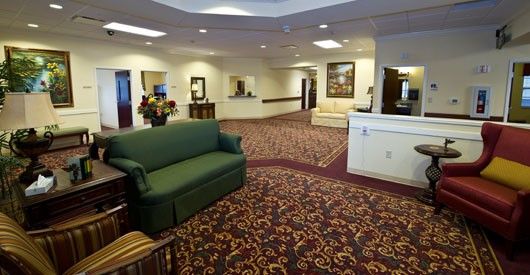
 Indoor common areas
 Kitchenette
 Move-in coordination
 Outdoor common areas
 Respite or short term stays offered
 Restaurant-style dining
 Small library
 Telephone
 Wi-Fi/high-speed internet available
 24-hour call system
 Ambulatory care
 Assistance with bathing
 Assistance with dressing
 Assistance with transfers
 Diabetes diet
 Diabetic care
 Incontinence care
 Medication management
 Mental wellness program
 Special dietary restrictions
 Transportation arrangement (medical)
 Transportation to doctors appointments
 Art classes
 Cooking classes
 Day trips and outings
 Educational speakers / life long learning
 Happy hour
 Karaoke
 Live dance or theater performances
 Live musical performances
 Live well programs
 Wine tasting





 When to Transition from Assisted Living to Memory Care: Key Indicators, Steps, and Finding the Right Community
 Assisted Living and Memory Care: Understanding Their Core Differences
 Beyond the Bingo Hall: 50+ Enriching Activities for Seniors in Assisted Living