
600 West North Avenue, Ada, OH 45810
For more information about senior living options: (866) 208-4318
Overall Review of Vancrest Of Ada
Pros
 The therapists are excellent.
- The staff are nice, helpful, and caring.
- Vancrest Rehabilitation helped residents walk, eat, and regain use of their arms.
- The people there are great and truly care about residents, working hard to keep them safe.
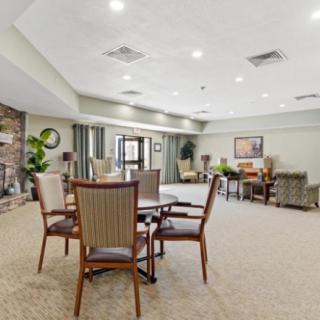
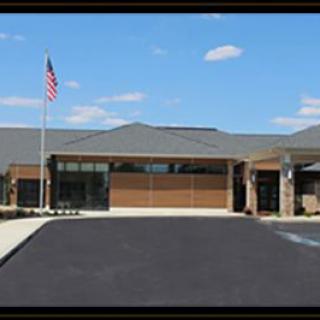
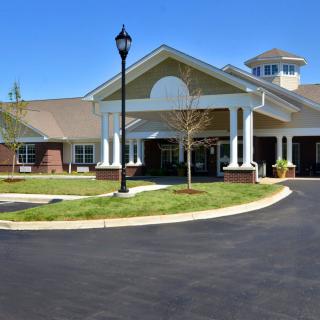
- The extended care and assisted living at Vancrest Ada are very nice, with a newer, lovely facility and friendly, informational, and organized staff.
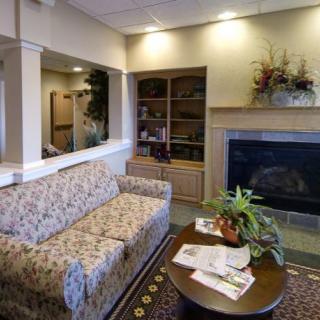
- The facility is very clean, and the staff are professional, attentive, and caring.
Cons
 The patient’s care was subpar for the most part.
- The nurse practitioner never examined the ankle fracture, even after it required another surgery for infection.
- The director of nursing and the wound nurse never examined the wound.
- They discovered they were not receiving the correct dose of Vitamin D, and no one could explain why.
- After an ER visit with IV antibiotics, the patient ended up with a below-the-knee amputation.
- The therapy was one of the worst experiences the reviewer had ever had.
Review
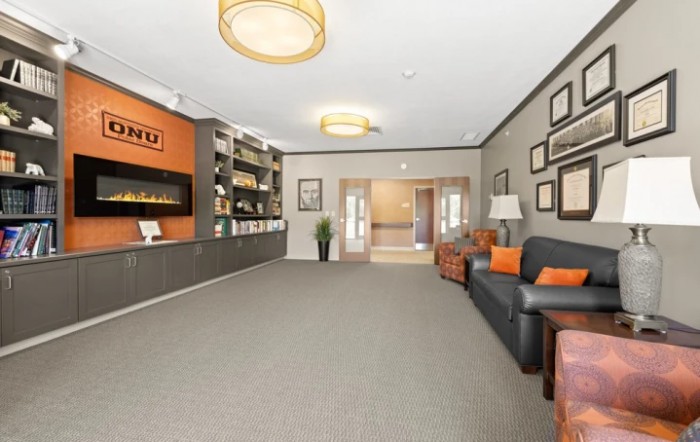
Vancrest Of Ada is best suited for seniors who need focused rehabilitation and value a newer, tidy campus with responsive staff and a calm, organized environment. Families prioritizing strong therapy services, especially for gait training, balance, and daily independence, will find the therapy team a standout asset. The setting is clean and well maintained, with routines that emphasize safety and attentiveness. For those seeking a place primarily for long-term custodial care without a heavy rehab emphasis, Ada’s campus can still be a reasonable option, but the strongest fit is clearly for residents where rehabilitation goals are central.
However, some reviews flag the need for cautious navigation around medical oversight. Instances describe moments when medical staff, including the NP and wound care personnel, did not appear as engaged as expected in urgent situations, and a vitamin D dosing issue reportedly occurred without a clear explanation. These reports do not define the entire community, yet they signal a reality: medical oversight and timely problem-solving can vary. Families with residents who have complex medical needs or a history of infection risk should probe care protocols, rounds frequency, and the availability of wound care nurses before choosing.
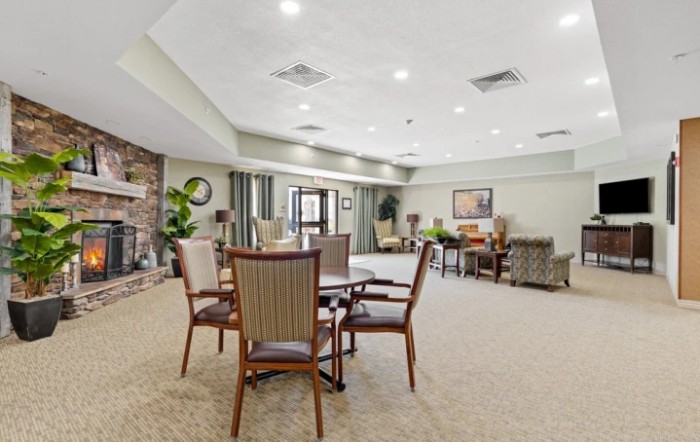
The strongest positives revolve around rehabilitation and everyday engagement. Therapists earn consistent praise for their skill and encouragement, with accounts of tangible gains in mobility, feeding, and functional independence. Staff across roles are repeatedly described as caring, courteous, and helpful, contributing to a sense of safety and warmth. The campus is consistently described as clean, modern, and well organized, giving the impression of a well-run senior living environment rather than a traditional nursing home. For families prioritizing active rehab and a supportive social atmosphere, these strengths carry substantial weight.
That said, the most consequential trade-off concerns medical oversight. One account notes a serious medical regression when rehabilitation and wound management lagged, underscoring the risk that lapses in core medical care can have serious downstream effects. The recurring theme is variability, therapy and daily care can be excellent, while essential medical oversight may not always meet the same standard. Prospective residents should seek concrete confirmations about rounds, on-call physicians, and the process for escalating treatment. This is not a dismissal of the community’s strengths but a corrective to align expectations with the realities surfaced in the reviews.
Decision-makers should visit with a clear checklist in hand and ask pointed questions. Observe the therapy sessions to gauge therapist expertise and how they engage with residents; request specifics on medication management, how dosing and supplements are verified, and how wound care is coordinated when needs arise. Talk with current residents or families about continuity of care, responsiveness to concerns, and the timeliness of problem resolution. Compare Ada with nearby options that emphasize either stricter medical management or stronger long-term care continuity, then weigh the balance of rehab potential, daily atmosphere, and overall safety.
In summary, Vancrest Of Ada stands out as a strong choice for seniors whose primary need is high-quality rehabilitation within a clean, welcoming setting, supported by caring staff. The facility delivers on therapy excellence, safety, and a pleasant atmosphere, which can translate into meaningful functional gains and a better daily experience. The clear caveat is medical oversight consistency; for families where continuous medical attention and reliable wound management are non-negotiable, it is prudent to explore alternatives or secure explicit assurances before committing. With the right resident profile, Ada offers significant upside; for complex medical dependencies, proceed with rigorous diligence.
 50 resident community capacity
 Assisted Living
 Skilled Nursing Facility
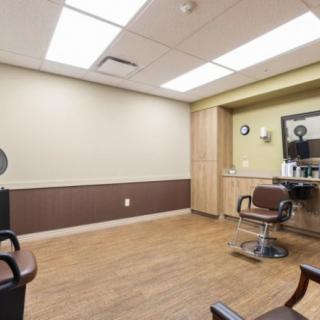
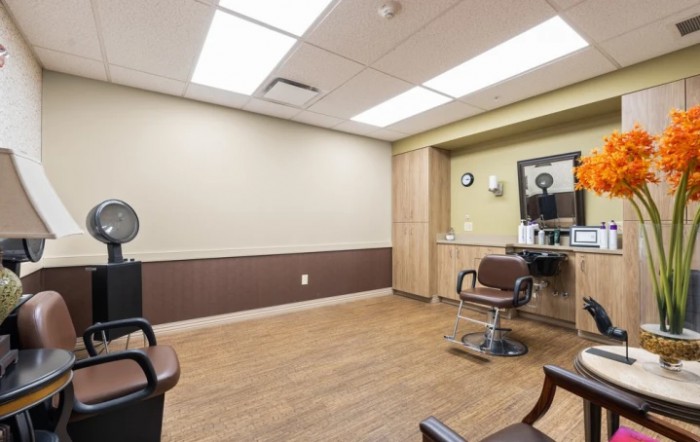
 Beauty salon
 Cable or satellite TV
 Dining room
 Fully furnished
 Garden
 Housekeeping services
 Kitchenette
 Move-in coordination
 Outdoor space
 Restaurant-style dining
 Small library
 Telephone
 Wi-Fi/high-speed internet available
 24-hour call system
 Activities of daily living assistance
 Assistance with bathing
 Assistance with dressing
 Assistance with transfers
 Diabetes diet
 Medication management
 Mental wellness program
 Special dietary restrictions
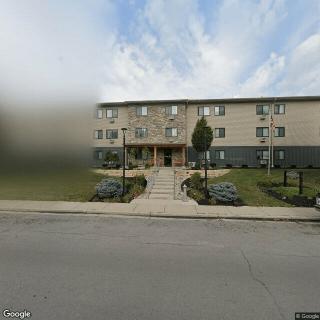





 Understanding Medicaid Coverage for Assisted Living: A Comprehensive Guide
 How and When Medicaid May Cover Assisted Living Costs
 A Detailed Exploration of Assisted Living Medicaid Waivers Across the United States