
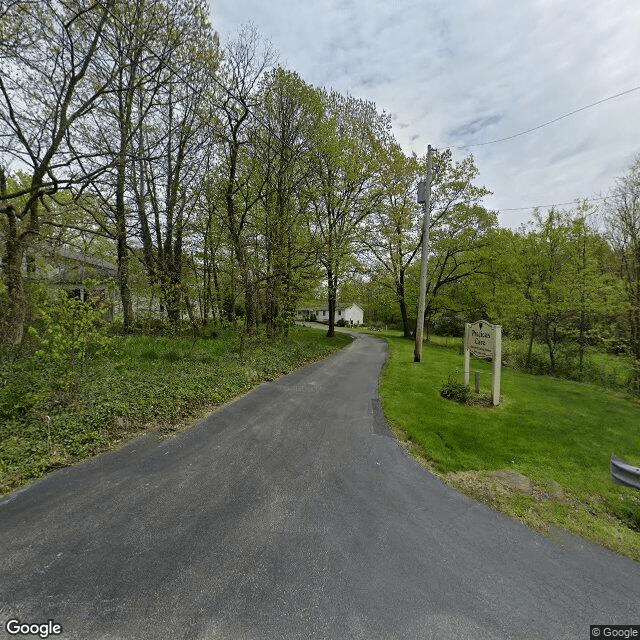
8095 Auburn Rd, Concord Township, OH 44077
To contact a resident: (440) 354-1502
For more information about senior living options: (866) 208-4318
Precious Care Assisted Living Inc. Costs & Pricing
Precious Care Assisted Living Inc. offers competitive pricing for its services compared to both Lake County and the broader state of Ohio. For semi-private accommodations, the monthly cost at Precious Care is $2,100, significantly lower than the Lake County average of $3,491 and the state average of $3,965. Similarly, for private rooms, Precious Care charges $2,250, which remains well below the county's average of $3,283 and the state's higher rate of $4,771. This pricing structure highlights Precious Care's commitment to providing affordable assisted living options while maintaining quality care for its residents.
| Floor plans | Precious Care Assisted Living Inc. | Lake County | Ohio |
|---|---|---|---|
| Semi-Private | $2,100 | $3,491 | $3,965 |
| Private | $2,250 | $3,283 | $4,771 |
Senior living communities with a similar price nearby
-
from +$414 / mo
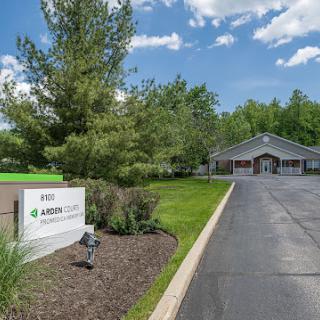
ARDEN COURTS CHAGRIN FALLS
$2,514 to $3,016 / month17.0 miles away -
About the same
Milestones Adult Group Home
$2,100 to $2,400 / month17.5 miles away -
About the same

Singleton's Care
$2,100 to $2,400 / month10.5 miles away -
from -$200 / mo
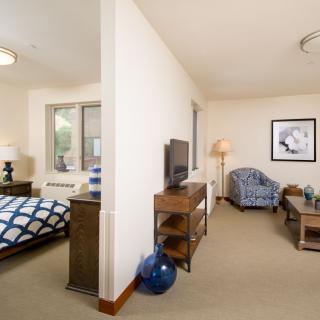
Judson Park
$1,900 to $8,274 / month21.5 miles away -
from -$400 / mo
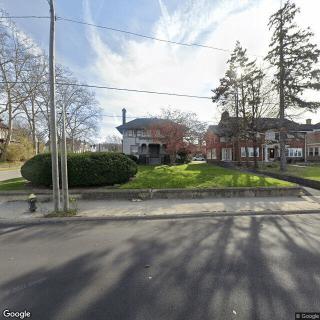
Kareema Darby Memorial Home
$1,700 / month20.2 miles away
Overall Review of Precious Care Assisted Living Inc.
Pros
 The facility has a caring and empathetic owner and staff.
- The owner and staff treat residents and their families as if they were family, consistently going above and beyond to meet needs.
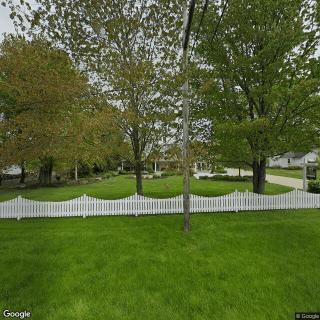
- Precious Care has a homelike atmosphere that is kept neat and clean.
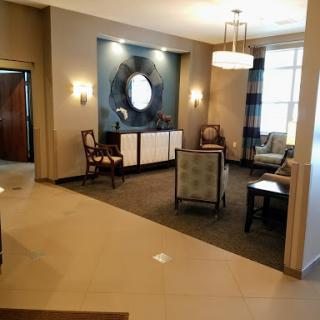
- It features a large common living room where residents can sit together and visit or watch television.
- The owner sometimes takes requests and plays them on the piano, adding a personal touch.
- There is a quaint screened-in porch for residents to enjoy on pleasant days.
- The staff are caring and treat residents with respect, addressing individual needs and treating them as family.
- The facility is small, kind, and friendly, caring for fewer than 20 residents.
- The converted family home is fully wheelchair accessible and feels like living with roommates in an extended family.
- The open-door policy welcomes family and friends.
Cons
 There are no nurses or nurse aides on staff.
- Training is not conducted on elder care, nutrition, or the specific care needs of this facility.
- Some employees don’t know how to diaper an elderly person.
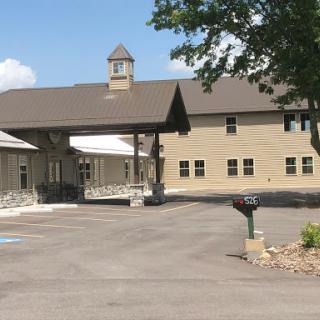
- The facility is a house turned into an assisted living and all rooms, including living areas, are too small.
- The owner is not active in daily operations and is unaware of what goes on with the business day to day.
- Staff supervision, proper management, scheduling, and accountability are lacking.
- Nutritious, fresh, low-salt, or low-fat food is lacking; primarily processed frozen meals are served.
- Balanced meals and activities are lacking.
- The facility is described as cheap, with processed food, medications changed or sedating residents, and concerns about honesty and care.
Review
Precious Care Assisted Living in Concord Township is best suited for families seeking a small, home-like environment where an elderly loved one can receive gentle, personal attention and meaningful social interaction. The community’s intimate scale, often under 20 residents, creates a family-like atmosphere with staff who know residents by name, honor routines, and foster daily connections. This setting especially appeals to seniors who do not require around-the-clock nursing supervision but do value dignity, warmth, and a sense of belonging more than institutional polish.
Those needing licensed nursing on site 24/7, frequent medical oversight, or highly structured memory or medical care should consider alternatives. Residents with complex medical needs, incontinence requiring constant monitoring, or conditions that demand rigid care plans may find the level of clinical oversight insufficient. Families prioritizing formal accountability, private rooms, and a larger, more resource-rich campus should look toward facilities designed around higher acuity care and standardized medical management.
The strongest positives center on the unique advantages of a small, communal living experience. Staff are described as caring, respectful, and genuinely engaged with residents, contributing to noticeable improvements in mood and strength for some. The homelike setting is reinforced by a large common living area, opportunities for social activities such as piano sing-alongs and local outings, and an open-door policy that invites family participation. An owner who participates in day-to-day moments, even playing the piano, contributes to a sense that residents are valued as family members and not just as occupants.
The most significant drawbacks are the gaps in clinical staffing and the facility’s physical constraints. There is no on-site nurse or licensed nurse aide, and training in elder care and nutrition appears inconsistent. Several accounts reference staff turnover, limited supervision, and scheduling gaps, which can undermine care consistency. The building itself is a converted residence: smaller private rooms, shared bathrooms in many cases, and common areas that can feel cramped. Nutrition is described as heavily reliant on processed, frozen foods with limited low-salt or low-fat options, and concerns exist about medications being adjusted in ways that emphasize sedation over comfort.
These trade-offs matter in practical terms: the pros offer a compelling reason to choose Precious Care for a resident who prioritizes companionship and a home atmosphere, but the cons raise real questions for anyone with elevated medical needs or a preference for private, fully resourced accommodations. The favorable elements, personal attention, a nurturing mood, accessible on-site rehab services, and a tidy, welcoming environment, help offset some risk by preserving daily engagement and social fulfillment. Yet the absence of continuous clinical oversight means that medical contingencies, nutrition quality, and privacy in room design may not meet the expectations of families accustomed to more comprehensive care settings.
In guidance for decision-making, Precious Care is best viewed as a viable option for a relatively independent or lightly dependent senior who thrives in a small, supportive community and values a family-like culture. It is less suitable for residents requiring steady nursing care, robust medical management, or private, larger-scale accommodations. Prospective families should verify current nursing coverage, clarify med-management policies, and assess room configurations, bathroom access, dining quality, and staffing consistency during a firsthand visit. If a warm, intimate environment with attentive, personable staff aligns with the loved one’s needs, Precious Care warrants serious consideration; if medical acuity, privacy, or private-room amenities predominate, broader comparisons are essential before committing.
 Board and Care Home
 Private
 Ambulatory care
 Diabetic care
 Incontinence care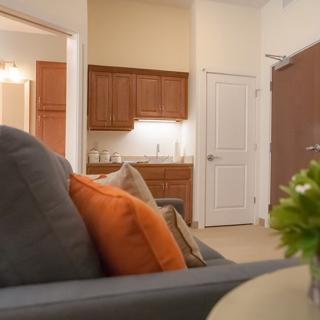


 Understanding Home Health Care: A Comprehensive Guide
 Home Health Care Demystified: A Comprehensive Guide for Families and Caregivers
 Seniors and Modern Transportation: Exploring Uber, Lyft, and Other Ride-Hailing Options