
6920 Ravenna Road, Concord, OH 44077
For more information about senior living options: (866) 208-4318
Overall Review of Completed Care
Pros
 The care is excellent and the staff is wonderful.
- The staff in every department is kind and welcoming.
- The therapy and rehab teams are phenomenal and very professional.
- The nurses are competent, professional, and caring.
- The doctors and CNP are responsive to questions and requests.
- The facility provides good food, clean rooms, and is highly recommended.
Cons
 One reviewer describes the facility as just terrible and urges avoiding it.
- Another reviewer calls the atmosphere prison-like and notes a disregard for needs, pleas, and complaints.
- A reviewer states the food is horrible and served in small portions, leaving the patient hungry.
- A reviewer says there were high hopes and recommendations, but the overall experience was a big disappointment.
Review
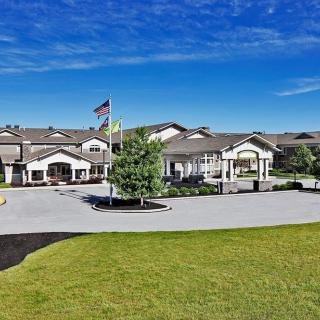
Completed Care in Concord is best suited for seniors who emerge from acute care needing intensive rehabilitation, particularly stroke survivors who benefit from a robust therapy program and a disciplined, professional recovery timeline. The community earns strong marks for an experienced therapy staff, dedicated nursing teams, and a clean, well-maintained environment that supports focused rehab over casual post-acute living. Families should expect a structured, goal-driven setting where meaningful progress is realistic through aggressive therapy and attentive care. It is a facility that delivers results for those prioritizing functional recovery and post-hospital healing.
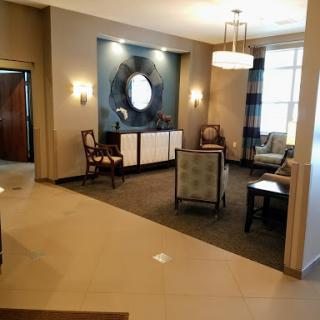
The strongest advantages center on the rehab-forward culture. Multiple families describe the therapy staff as phenomenal, with OT, PT, and speech therapy delivering substantial, observable gains. Nurses come across as competent, professional, and genuinely caring, while doctors and CNPs are repeatedly cited as responsive to questions and requests. The combination of skilled clinicians and a patient-centered approach helps residents regain independence and confidence quickly. Clean rooms, a tidy campus, and a professional atmosphere further reinforce a sense that recovery is the primary mission, not merely custodial care.
Yet, the reviews do reveal meaningful caveats that cannot be ignored. A subset of families reports gaps in communication with the medical team, noting that crucial progress updates or treatment explanations may not arrive promptly. Dining experiences vary, with at least one account describing meals as small in portion and not meeting expectations, which can weigh on a resident’s overall comfort during rehab. A minority of comments ventures into a harsher critique of the atmosphere, with language suggesting an impersonal or prison-like environment and concerns about responsiveness to individual needs. These tensions highlight that not every family will find the same level of satisfaction in day-to-day details.
These pros and cons can be weighed as follows: the superb therapy talent and the staff’s evident dedication create a solid offset against occasional communication gaps and dietary dissatisfaction, especially when recovery goals are clear and progress is measurable. For stroke recovery or other intensive rehab needs, the strength of the rehab program and the speed of functional gains can be decisive, providing reassurance to families that a demanding rehabilitation plan can yield tangible results. The key to minimizing the risk of frustration lies in proactive family engagement, establishing a clear line of communication with therapists and physicians, setting expectations for progress checks, and confirming meal options and dining support up front.
Alternatives become worth considering for families prioritizing a more homelike social atmosphere, consistent daily meals, and transparent, frequent clinician updates. If long-term residence with lighter clinical intensity or a more expansive social calendar is the aim, other communities may deliver a warmer dining environment or more frequent family updates. Those who prize less institutional vibes and broader activity programming may also prefer facilities that emphasize assisted living with diverse social opportunities rather than a high-intensity rehabilitation focus. In short, Completed Care excels for rehab-specific goals, but may not be the best fit for families seeking a consistently intimate, home-like culture or flawless day-to-day dining experiences.
Bottom line: Completed Care stands out as a strong, result-oriented option for post-acute rehab, especially for stroke survivors, thanks to a high-caliber therapy team, capable nursing, and clear momentum toward meaningful recovery. The best experiences tend to come when families actively participate, requesting regular physician updates, confirming menus, and staying closely connected with therapists. For families whose priority is vigorous rehabilitation and rapid functional gains, the pros largely outweigh the cons. For those seeking a warmer dining experience, a cozier social environment, or unfailingly proactive communication, it remains prudent to compare alternatives and visit with a critical eye toward day-to-day living nuances.
 22 resident community capacity
 Assisted Living
 Beauty salon
 Cable or satellite TV
 Dining room
 Fully furnished
 Garden
 Housekeeping services
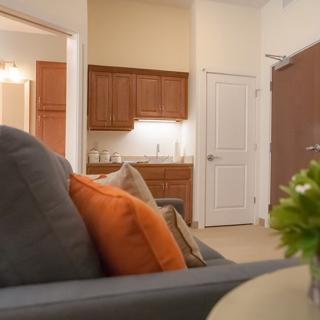
 Kitchenette
 Move-in coordination
 Outdoor space
 Telephone
 Wi-Fi/high-speed internet available
 24-hour call system
 Activities of daily living assistance
 Assistance with bathing
 Assistance with dressing
 Assistance with transfers
 Diabetes diet
 Meal preparation and service
 Medication management
 Mental wellness program
 Special dietary restrictions
 Transportation arrangement (medical)
 Transportation to doctors appointments


 Exploring the Path to Senior Living: A Comprehensive Look at Independent Living and Assisted Living
 Is Assisted Living Deductible on Your Taxes? Understanding the Complexities of Assisted Living Expenses and Deductions
 Assisted Living Support for Veterans: A Complete and Detailed Overview