
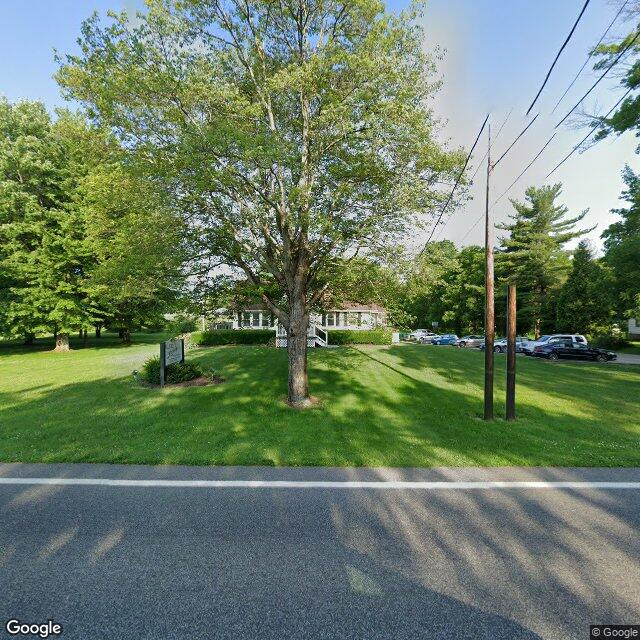
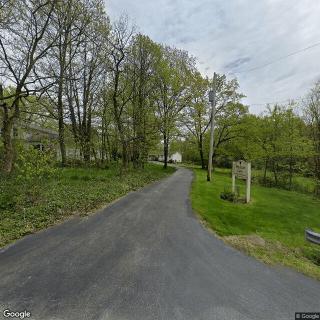
2358 Hubbard Rd, Madison, OH 44057
To contact a resident: (440) 428-8090
For more information about senior living options: (866) 208-4318
Hubbard Road Meadows Costs & Pricing
Hubbard Road Meadows offers a competitive pricing structure for its private room accommodations, with monthly costs set at $2,250. This rate stands in stark contrast to the average costs in Lake County, which are approximately $3,283, and the broader state of Ohio, where private rooms can reach an average of $4,771 per month. The affordability of Hubbard Road Meadows not only makes it a compelling option for individuals seeking quality care but also highlights its commitment to providing accessible services within a well-regulated market. In comparison to both county and state averages, Hubbard Road Meadows positions itself as an appealing choice for families looking for value without compromising on care quality.
| Floor plans | Hubbard Road Meadows | Lake County | Ohio |
|---|---|---|---|
| Private | $2,250 | $3,283 | $4,771 |
Senior living communities with a similar price nearby
-
from +$400 / mo
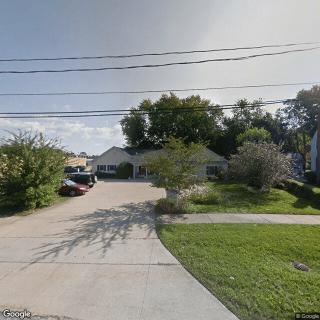
Haven Home Assisted Living of Mentor
$2,650 to $3,090 / month17.5 miles away -
from -$150 / mo

Singleton's Care
$2,100 to $2,400 / month23.5 miles away -
from +$250 / mo
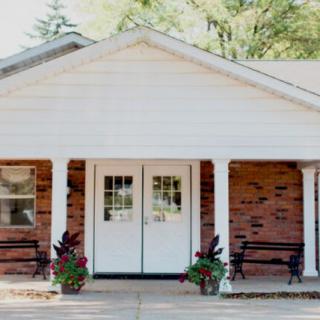
Blossom Hill Health Care Residence
$2,500 to $3,900 / month19.5 miles away -
from +$150 / mo
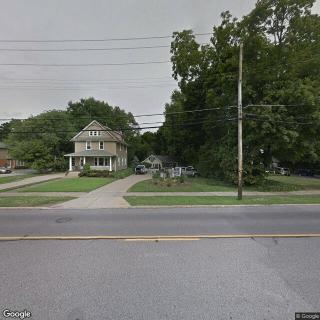
Starkey Place
$2,400 / month12.1 miles away -
from -$150 / mo
Precious Care Assisted Living Inc.
$2,100 to $2,250 / month14.9 miles away
Overall Review of Hubbard Road Meadows
Pros
 Hubbard Road Meadows is a great facility.
- The facility itself is very nice and clean.
- Alice, the owner, is on top of everything.
- The facility is very intimate, secure, and well laid out.
- This facility is spectacular.
Cons
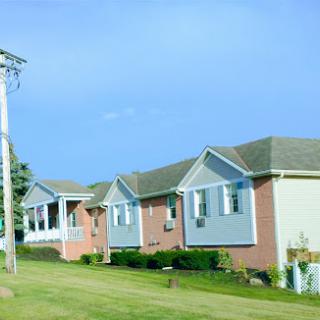
 Meadows on Hubbard Rd may look beautiful on the outside, but the inside is a Hell.
- The owner is described as also being a resident, with the State paying him to live there as a resident.
- A resident describes a staff member as a mean old hag and says she is nasty toward an elderly resident.
- The reviews claim a staff member stole medications and that residents are being cursed at and manhandled by the manager.
- After reporting missing medications and verbal abuse, care for their loved one went downhill, with retaliation by the manager.
- They describe Hubbard Road Meadows as a nightmare for their loved one and for the family.
- There is hope that the State closes the place down.
- The facility is criticized for lacking skilled nursing care.
Review
Hubbard Road Meadows is best suited for seniors who want an intimate, owner-operated assisted living experience where daily life feels more like a private home than a facility. The campus reads as cozy, clean, and well laid out, with an owner who remains actively involved and a manager who residents and families repeatedly praise. For families prioritizing a close-knit community, predictable routines, and in-house social moments, such as farmers market days, this environment often delivers a welcoming, low‑key setting that can feel like a true home base.
Alternatives to consider include facilities with stronger, formal oversight and guaranteed on-site nursing support. Several reviews raise serious concerns about medication handling and staff treatment, including allegations of missing medications and verbal abuse, along with perceived retaliation by management. While not universal, these accounts create a credibility gap for families demanding rock‑solid safety protocols and transparent accountability. For residents who will eventually require skilled nursing or who want a facility with defined grievance and escalation processes, looking elsewhere may be prudent.
On the positive side, the strongest pros center on atmosphere and accessibility. Residents frequently describe pleasant staff, urgent attention when needed, and a sense that the owners are genuinely invested in the place. The setting is intimate and secure, offering a home-like feel that appeals to those rejecting institutional stiffness. The absence of a large medical footprint can be a relief for some, especially since the community emphasizes social connection and personalized touches, dog visits, local markets, and small-community rhythms, that reinforce belonging. These advantages help offset the lack of on-site skilled nursing for residents not yet needing that level of care.
Before choosing, families should verify several critical items. Request recent inspection histories and any open deficiencies, and seek current references from residents and families. Probe how medication management is handled, the process for reporting and addressing allegations, and what safeguards exist to prevent retaliation or neglect. Confirm staffing levels, turnover, and the owner’s accessibility. Determine whether there is a clear path to higher levels of care if needs escalate, or if an alternative with on-site nursing would be more appropriate. Ensure visitation and family involvement are encouraged, with transparent channels for concerns and ongoing updates.
Day-to-day life at Hubbard Road Meadows tends to emphasize warmth and routine. Visitors note that staff are consistently on task, the facility remains clean, and the atmosphere feels special rather than clinical. The owner’s hands-on approach and the description of the community as intimate and secure can translate into meaningful, predictable days for residents who value stability. The trade-off is a smaller operation that may struggle to deliver uniform, policy-driven care across all shifts, which is why families must balance personal comfort against the potential for variability in experience.
In sum, Hubbard Road Meadows serves a practical niche for seniors who want a homelike, owner-involved setting and who can manage without on-site skilled nursing, provided due diligence is performed and reputational concerns are thoroughly vetted. It is not the right choice for those requiring ironclad medication safety, formalized escalation processes, or consistent professional oversight. For risk-averse families or those whose loved one’s needs could outpace assisted living capabilities, alternatives with robust nursing support and transparent governance should be prioritized. The decisive factor rests on whether the value of an intimate, community-driven environment outweighs the potential variability in care, and on whether due diligence can cement confidence in the facility’s ability to protect a loved one.
 Board and Care Home
 Private
 Ambulatory care
 Diabetic care
 Incontinence care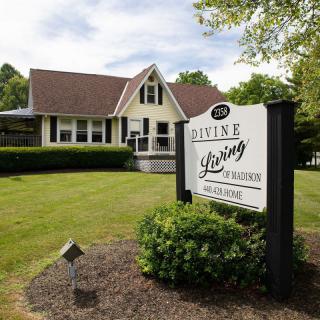



 Comprehensive Insights and Practical Strategies to Help Older Adults Avoid Falls
 6 Crucial Ways an Elder Law Attorney Assists Families
 Navigating the Tax Landscape of Caregiving: Credits, Deductions, and Beyond