
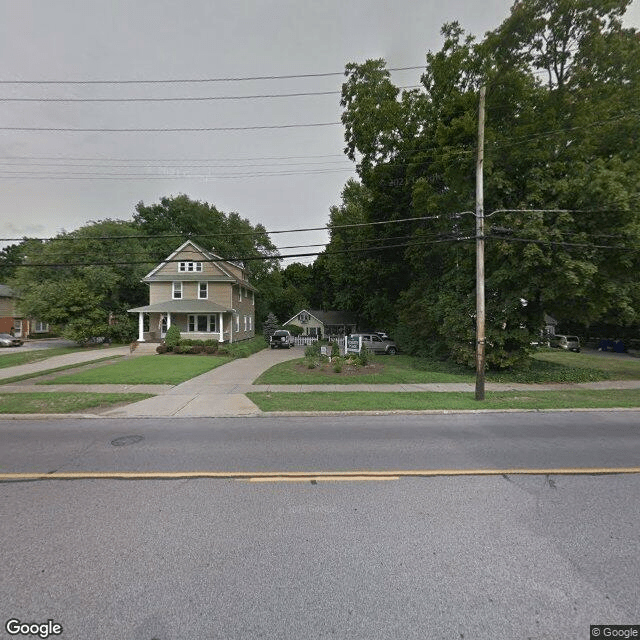
270 Mentor Avenue, Painesville, OH 44077
To contact a resident: (440) 350-1314
For more information about senior living options: (866) 208-4318
Starkey Place Costs & Pricing
Starkey Place offers competitive pricing for its accommodations compared to both Lake County and the broader state of Ohio. For instance, residents opting for a private room at Starkey Place pay $2,400 per month, which is significantly lower than the Lake County average of $3,283 and the state average of $4,771. Similarly, the studio option at Starkey Place also stands out at $2,400, compared to Lake County's average of $3,484 and Ohio's average of $3,727. These cost advantages not only highlight Starkey Place's commitment to affordability but also make it an appealing choice for individuals seeking quality living arrangements without straining their budgets.
| Floor plans | Starkey Place | Lake County | Ohio |
|---|---|---|---|
| Private | $2,400 | $3,283 | $4,771 |
| Studio | $2,400 | $3,484 | $3,727 |
Memory care communities with a similar price nearby
-
from +$114 / mo
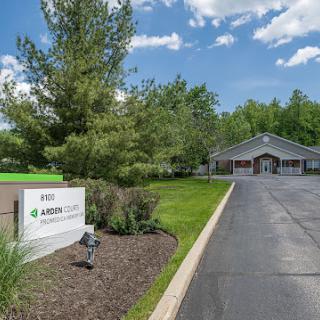
ARDEN COURTS CHAGRIN FALLS
$2,514 to $3,016 / month21.5 miles away -
from +$460 / mo
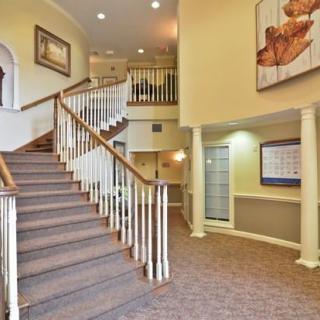
The Woodlands of Shaker Heights
$2,860 to $4,560 / month24.0 miles away -
from +$400 / mo

Vitalia Active Adult Community at Solon
$2,800 to $5,100 / month24.8 miles away -
from +$100 / mo
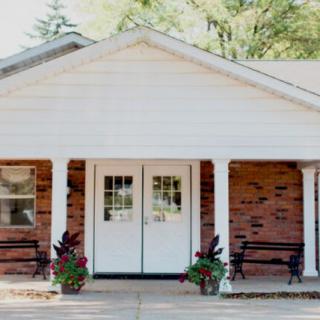
Blossom Hill Health Care Residence
$2,500 to $3,900 / month15.5 miles away -
from +$410 / mo

Tapestry Senior Living Wickliffe
$2,810 to $5,840 / month14.9 miles away
Overall Review of Starkey Place
Pros
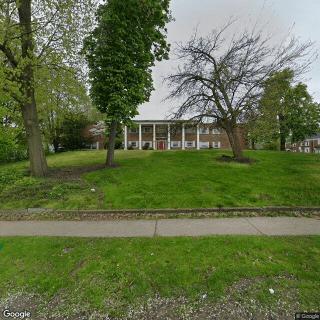
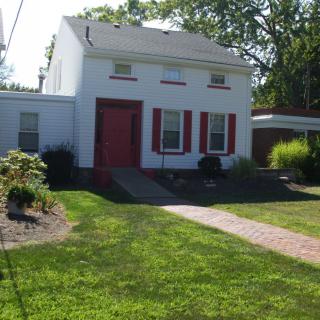
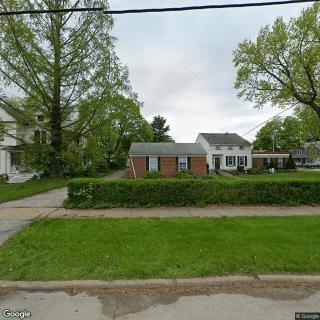
 The Cottage Painesville is well-maintained and has a home-like atmosphere, with about 12 residents making it personable.
- The aid workers at The Cottage Painesville are knowledgeable, kind, and willing to help.
- The Cottage Painesville offers amenities like a small library, an outdoor patio, crafts, and a garden for residents to enjoy.
- Residents at The Cottage Painesville can visit loved ones anytime, and in-house doctors and homestyle meals with dietary accommodations enhance care.
- The staff at The Cottage Painesville assist with personal care as needed, reflecting proactive support.
- Starkey Place is described as wonderful and cheery, with a home-like environment and compassionate, hands-on ownership by Jody and Tom Starkey.
- Starkey Place provides dignified, compassionate care in a small, clean community with attentive staff, and offers excellent food.
- Families highly recommend Starkey Place as a trusted home for loved ones, noting the strong social environment and warmth.
Cons
 The reviewer describes the facility as extremely unprofessional with poor business practices and unsanitary conditions.
- It is noted as unprofessional and said to reek like urine.
- The layout is deemed unsuitable for their loved one because of steps/mobility barriers.
- One reviewer warns to steer clear of sending family members there due to questionable practices and cleanliness concerns.
Review
Starkey Place is best suited for families seeking a deliberately small, home‑like setting where residents receive highly personalized attention from a tight-knit staff. This community excels for seniors who value dignity, familiarity, and hands-on care delivered in a quieter, cottage-style environment. With a floor plan that centers around a cozy living area and kitchen, residents experience day-to-day life as if in a well-run home rather than a large institution, and families can expect meaningful interaction with caregivers who know their loved ones well.
Those evaluating Starkey Place should explicitly consider alternatives if the priority is robust medical acuity support or a larger, more diverse social ecosystem. For individuals needing intensive skilled nursing, complex wound care, or constant, highly regulated supervision, larger campuses with broader staffing and specialized memory or dementia programs may provide a higher level of guaranteed coverage. Additionally, if mobility or accessibility requirements are stringent, such as full barrier-free access throughout, wide direct corridors, and ample room to maneuver a wheelchair, other communities may better meet those needs. Finally, if spotless, 24/7 sanitation oversight is non-negotiable, it is prudent to compare inspection histories and ongoing housekeeping standards at competing facilities.
The core strengths of Starkey Place revolve around its intimate size and the resulting care culture. A resident population of roughly a dozen fosters a remarkably personal atmosphere where staff become familiar with routines, preferences, and family members. The care team, led on site by a hands-on owner/operator presence, takes pride in offering compassionate, attentive support, from assistance with dressing and hygiene to daily social interactions. The setting is cheery and “home” in tone, which reduces the clinical feel that often comes with bigger facilities, and families frequently highlight the meaningful relationships formed with caregivers and with the owners, Jody and Tom Starkey.
Programmatic and lifestyle advantages amplify the homey ambience. Residents enjoy homestyle meals tailored to personal needs, the chance to participate in crafts, a small library, a garden and outdoor patio, and even on-site conveniences such as hair services. The social environment is described as strong, with opportunities for family involvement through visits and activities like cookouts in a fenced yard. Transportation options exist to help residents connect with a broader community, and the on-site structure supports a sense of routine without sacrificing a degree of independence. These attributes collectively offset the modest scale with tangible daily quality-of-life benefits.
Notable concerns appear in a minority of reviews and warrant serious consideration. Some reviewers flag issues around professionalism and business practices, and a subset describe sanitation concerns or odors. Others note that the facility’s small size makes it less suitable for residents requiring higher levels of care or extensive medical oversight, and a few point to architectural constraints (such as steps between rooms) that can hinder mobility or wheelchair access. Taken together, these concerns do not erase the strengths but they do establish clear boundaries: Starkey Place can deliver exceptional, compassionate care in a homelike setting, yet it may not be the right fit for those whose needs demand aggressive, high‑acuity support or uncompromised facility-wide cleanliness.
In practical terms, families considering Starkey Place should prioritize tours with a sharp checklist. Confirm staffing ratios during peak hours, observe how aides interact with residents, and request a sample care plan to gauge whether medical oversight meets ongoing needs. Inspect housekeeping routines and ask for state inspection records to verify cleanliness standards. Discuss meal customization, dessert and snack options, and the frequency of housekeeping and laundry services. Finally, measure the ease of family involvement: how flexible are visiting hours, how transparent are communication channels with caregivers, and how quickly are concerns addressed. For the right resident, one who prizes a warm, small‑scale, caregiver‑driven home with dependable daily routines, Starkey Place stands out as a compelling, well‑priced option. For those with higher acuity needs or a singular emphasis on spotless upkeep and brisk, formal care, alternatives deserve serious consideration.
 1-bedroom apartments
 Board and Care Home
 Memory Care
 Dining room
 Garden
 Guest parking
 Housekeeping services
 Laundry
 Private
 Respite or short term stays offered
 TV room
 VA Benefits Consultation
 Wi-Fi/high-speed internet available
 Ambulatory care
 Diabetic care
 Medication management
 Room service
 Special dietary restrictions
 Activities off-site
 Arts and crafts
 Games
Games Live musical performances
 Wii bowling
 English




 Estimating the Expenses of At-Home Dementia Care: A Detailed Exploration
 Comprehensive Insights on the Late Stages of Dementia: What to Expect and How to Provide Care
 Medications Associated with Dementia Risk: A Comprehensive Overview