
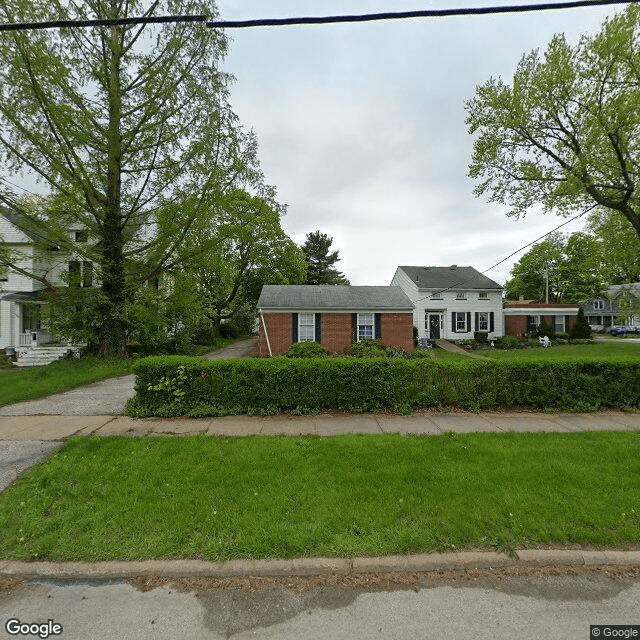
308 South State St, Painesville, OH 44077
To contact a resident: (440) 354-2131
For more information about senior living options: (866) 208-4318
Ivy House Assisted Living Costs & Pricing
Ivy House Assisted Living offers competitive pricing for its 1-bedroom accommodations, with a monthly cost of $3,500. This rate is notably lower than the average costs seen in Lake County at $3,841 and across Ohio where the average is $3,712. Such pricing reflects Ivy House's commitment to providing quality care while remaining accessible to families seeking assisted living solutions. By maintaining rates below both county and state averages, Ivy House not only enhances its appeal but also demonstrates a dedication to supporting the financial well-being of its residents and their families.
| Floor plans | Ivy House Assisted Living | Lake County | Ohio |
|---|---|---|---|
| 1 Bedroom | $3,500 | $3,841 | $3,712 |
Assisted Living communities with a similar price nearby
-
from -$500 / mo
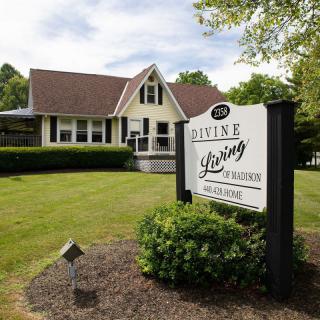
Divine Living of Madison
$3,000 / month11.5 miles away -
from +$195 / mo

Governor's Pointe Assisted Living Services
$3,695 to $4,595 / month5.1 miles away -
from -$500 / mo
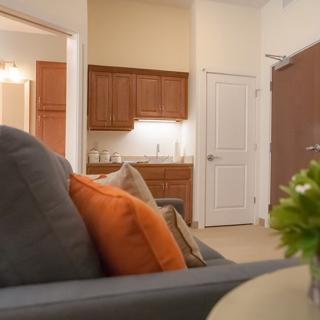
Vista Springs Quail Highlands
$3,000 to $5,000 / month4.6 miles away -
from +$475 / mo
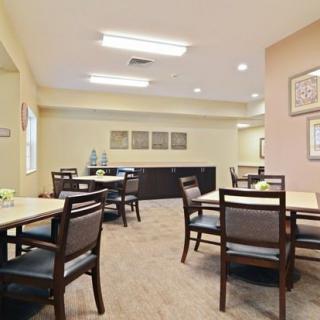
The Residence Of Chardon
$3,975 to $4,750 / month9.9 miles away -
from +$195 / mo
Governor's Village
$3,695 to $4,295 / month15.0 miles away
Overall Review of Ivy House Assisted Living
Pros
 The care and the food were both good.
- A loved one received phenomenal care.
- The tour was pretty nice, and everyone was very kind and welcoming.
- The facility was well staffed and compassionate.
- The community is small and less crowded.
Cons
 They were not very impressed with their tour experience at Ivy House.
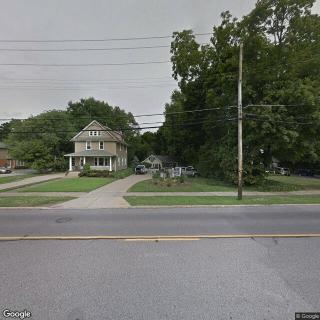
- The facility looked very old and felt institutional.
Review
Ivy House Assisted Living in Painesville is best suited for seniors who want a small, intimate community with consistently compassionate staff and an affordable, straightforward care option. The strongest case for this community rests on steady staffing, genuine care, and a home-like atmosphere that can deliver personalized attention even as the building shows its age. For families prioritizing reliable, hands-on care over resort-style amenities, Ivy House offers a practical, low-stress environment where residents are known by name and staff members remain consistently engaged in daily needs and safety.
Explicitly, those who may want to consider alternatives include families seeking a newer, brighter interior and a more polished feel, or those who insist on a high-energy activity calendar and restaurant-grade dining. The property’s age and institutional vibe can be a deal-breaker for anyone who equates modern aesthetics with quality of life. In addition, those who place a premium on consistently uniform impressions across visits may prefer facilities with a more uniform, standardized presentation. Even with a low price tag, the trade-offs in atmosphere and program breadth should be weighed carefully.
The core advantages, phenomenal care for residents who have stayed long term, strong staffing, and a welcoming, friendly demeanor, often offset the main drawbacks. When a resident remains in place for six years and receives attentive, compassionate care, the reliability of staff becomes the decisive factor for families weighing safety, supervision, and daily support. The smaller, less crowded environment can translate into more individualized monitoring and easier access to caregivers, which in turn supports peace of mind for families with mobility or cognitive concerns. The affordability angle further strengthens the case for Ivy House when families confront competing options that charge a premium for similar levels of attention.
Yet the offset is not universal. The glaring issue is the building’s age and its institutional feel, which can influence first impressions and perceived quality of life. Several tours were described as pleasant due to staff kindness, but an earlier visit left some observers underwhelmed by the setting, raising questions about maintenance, decor, and the overall ambiance. The reviews also reflect a spectrum of experiences, suggesting that day-to-day reliability may hinge on specific shifts, units, or leadership at any given time. In practical terms, care quality can indeed be high, but that quality may not feel equally robust to every visitor, especially if the environment itself read as dated or unrefreshed.
From a family decision standpoint, this means focusing on concrete, visit-specific questions rather than relying on general impressions. Ask about staff-to-resident ratios during peak hours, the consistency of daily routines, and how quickly staff respond to calls for help. Probe the dining experience and menu variety, since care quality is best measured alongside nourishment and mood-boosting activities. Request current examples of resident activity calendars, opportunities for family involvement, and the availability of transportation for medical appointments or social outings. Finally, tour multiple areas of the building to compare how the most-used spaces feel in real life, not just in brochures or quick walkthroughs.
The bottom line is pragmatic and clear. Ivy House offers a compelling value proposition for families prioritizing dependable care, warmth, and a quieter, smaller community. It is a viable fit for seniors who can look past an older facility shell in favor of consistent staff devotion and a lower-cost option. For those who equate quality with modern aesthetics, abundant programming, and a polished, contemporary environment, alternatives should be explored. In the right circumstances, Ivy House can be a strong match for a careful, budget-conscious plan that emphasizes day-to-day security and compassionate caregiving over showroom appeal.
 Assisted Living
 Cats allowed
 Dogs allowed
 Activities on-site
 Beautician on-site
 Devotional services off-site
 Ground floor units
 Indoor common areas
 Outdoor common areas
 Wheelchair accessible showers
 Ambulatory care
 Diabetic care
 Incontinence care
 Medication management
 Meals provided
 Brain fitness
 Catholic services
 Intergenerational programs
 Trivia games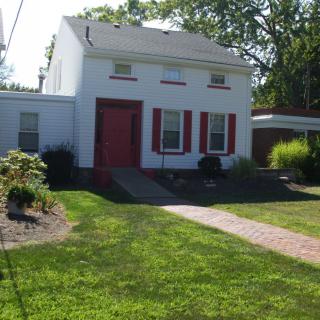




 Comprehensive Insights into Activities of Daily Living (ADLs) and Their Assessment
 Guiding Elderly Parents Who Refuse Assisted Living: 6 Practical Steps
 Your Comprehensive Guide to Luxury Assisted Living: Elevated Facilities, Amenities, and Costs