
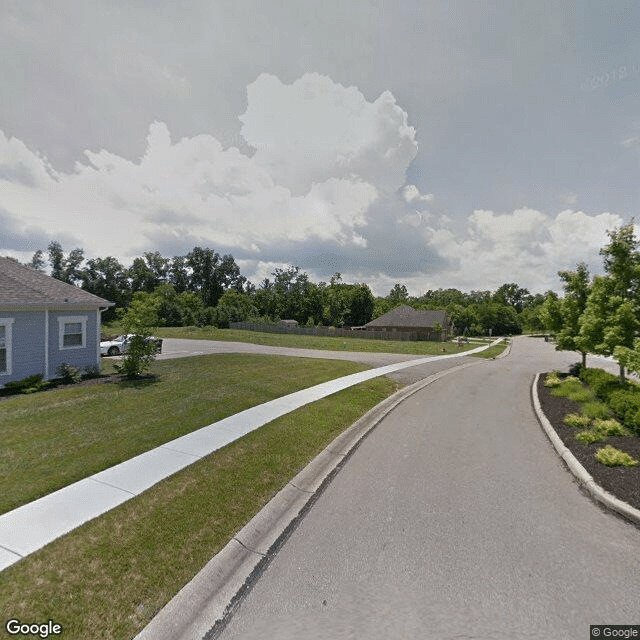
690 Middleton Way, Loveland, OH 45140
To contact a resident: (513) 413-4074
For more information about senior living options: (866) 208-4318
Angels Care Family Home II Costs & Pricing
Angels Care Family Home II offers competitive pricing for its residential care services compared to the broader market in Warren County and across Ohio. For a semi-private room, the facility charges $5,000 per month, which is slightly lower than the county average of $5,167 but significantly higher than the state average of $3,965. When it comes to studio and one-bedroom units, both priced at $6,250, Angels Care stands out as more expensive than local averages - Warren County's studios go for around $3,601 and one-bedrooms at approximately $4,345. Similarly, their two-bedroom accommodations also hold a price point of $6,250 each month while being above Warren County's average of $4,340 and much higher than the statewide level of $3,501. Overall, Angels Care Family Home II positions itself as a premium option within a competitive landscape that reflects varying costs across different living arrangements.
| Floor plans | Angels Care Family Home II | Warren County | Ohio |
|---|---|---|---|
| Semi-Private | $5,000 | $5,167 | $3,965 |
| 2 Bedrooms | $6,250 | $4,340 | $3,501 |
| Studio | $6,250 | $3,601 | $3,727 |
| 1 Bedroom | $6,250 | $4,345 | $3,712 |
Assisted Living communities with a similar price nearby
-
from -$851 / mo
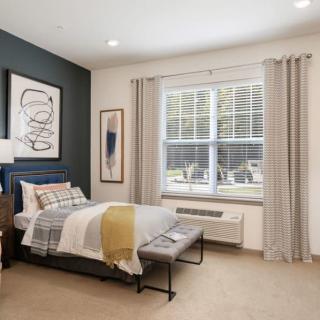
Anthology of Anderson Township
$4,149 to $6,999 / month11.9 miles away -
from -$756 / mo
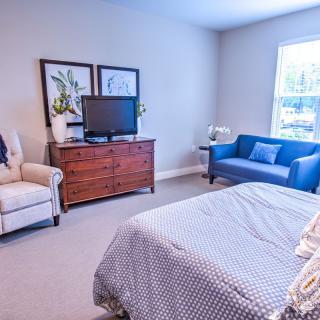
Tapestry Senior Living Springboro
$4,244 to $4,999 / month23.5 miles away -
from -$805 / mo

Magnolia Springs Loveland
$4,195 to $5,995 / month0.2 miles away -
About the same
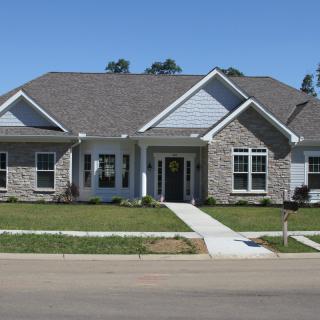
Angels Care Family Homes Loveland
$5,000 to $6,950 / month0.1 miles away -
from -$450 / mo
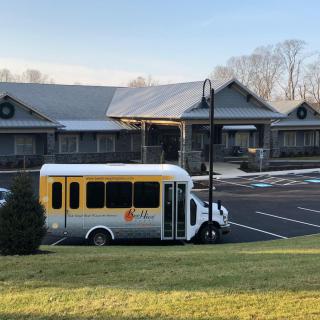
BeeHive Homes of Springboro
$4,550 / month23.0 miles away
Overall Review of Angels Care Family Home II
Pros
 The caregivers are awesome.
- Tosha is very patient and kind.
- Tosha clearly enjoys her work.
- Angels Care is a unique memory care facility that makes residents feel at home.
- The staff and administrators are helpful and communicate residents’ needs to families.
- The staff treat residents like family and make them feel important.
- The memory care homes are warm and home-like.
- A Place for Mom and Angels Care guided the family to a facility that met their mother’s needs.
Cons
 They were skeptical about allowing someone into their home.
- The aunt can be hard to please at times.
- Severe dementia brings terrible effects for the patient and their loved ones.
Review
Angels Care Family Home II in Loveland is best suited for families seeking a warm, home‑like memory care environment where a loved one with dementia can be cared for with personal attention and a strong sense of family. This community operates as a small, residential setting rather than a large facility, which makes daily routines feel familiar and consistent. For families prioritizing close relationships with caregivers and a living arrangement that resembles home more than a clinical campus, this is a standout option.
The most persuasive strength lies in the staff’s genuine dedication. Families repeatedly highlight caregivers who are patient, kind, and clearly engaged in their work. The care team, including standout individuals like Tosha, appears to embody a vocation for helping elderly residents feel valued. Communication with the family is a clear priority; staff and administrators keep lines open, explaining needs and progress in ways that reassure loved ones. The result is a sense that the resident is not merely cared for but treated as part of a trusted, extended family.
A central advantage is the memory care approach that prioritizes belonging and emotional safety. One family describes the community as helping their mother feel like she is cared for by her own loved ones, with staff who treat her as if she were their own mother. Residents who need reassurance, routine, and gentle, familiar interactions tend to thrive in this setting. The atmosphere, homesy, affectionate, and purposefully focused on dementia care, appears to deliver tangible peace of mind for anxious families.
However, potential families should weigh the trade-offs inherent in a smaller, home‑style operation. While the intimate setting excels in relational care, it may offer fewer on-site medical resources and limited capacity for highly specialized services compared to larger memory care campuses. For a loved one with complex medical needs requiring frequent on-site nursing, elaborate clinical oversight, or a broad continuum of therapies, alternatives with bigger clinical teams and more structured programs can be a better fit. This is not a deficiency so much as a practical consideration based on scale and resource availability.
Despite those considerations, the pros largely offset the cons for families who value emotional warmth and daily continuity over sheer institutional capacity. The strong caregiver relationships, transparent communication, and a resident‑centered, home-like culture provide a counterbalance to any gaps in clinical staffing. For many dementia care situations, these elements translate into reduced agitation, improved mood, and clearer peace of mind for families that carry the responsibility of daily oversight.
To determine fit, families should prioritize direct observation of staff interactions, ask precise questions about staffing ratios, daily routines, and the availability of on-site medical support, and compare how memory-specific activities are integrated into the day. If warmth, individualized attention, and a setting that feels like a carefully managed home are at the top of the list, Angels Care Family Home II stands out in a meaningful way. If the decision hinges on access to extensive medical resources or a broader array of on-site therapies, alternatives with larger clinical teams deserve formal consideration.
 Assisted Living
 Activities on-site
 Devotional services off-site
 Indoor common areas
 Ambulatory care
 Diabetic care
 Incontinence care
 Meals provided


 Vibrant Senior Living: A Comprehensive Guide for Active Older Adults
 When to Transition from Assisted Living to Memory Care: Key Indicators, Steps, and Finding the Right Community
 Assisted Living and Memory Care: Understanding Their Core Differences