Anchor Lodge Retirement Village offers a competitive pricing structure for its residents, particularly when compared to local and state averages. For a studio apartment, the monthly cost is $3,165 - significantly lower than the Lorain County average of $3,500 and the Ohio state average of $3,727. This presents an appealing option for those seeking affordability without compromising on quality of care. In contrast, the 1-bedroom units are priced at $4,640, which exceeds both the Lorain County average of $3,054 and the overall state average of $3,712. While this might suggest premium features or services associated with these accommodations at Anchor Lodge, potential residents should consider their individual needs and budgets when evaluating this option against others in the area.
Floor plans
Anchor Lodge Retirement Village
Lorain County
Ohio
Studio
$3,165
$3,500
$3,727
1 Bedroom
$4,640
$3,054
$3,712
Skilled Nursing Facilities with a similar price nearby
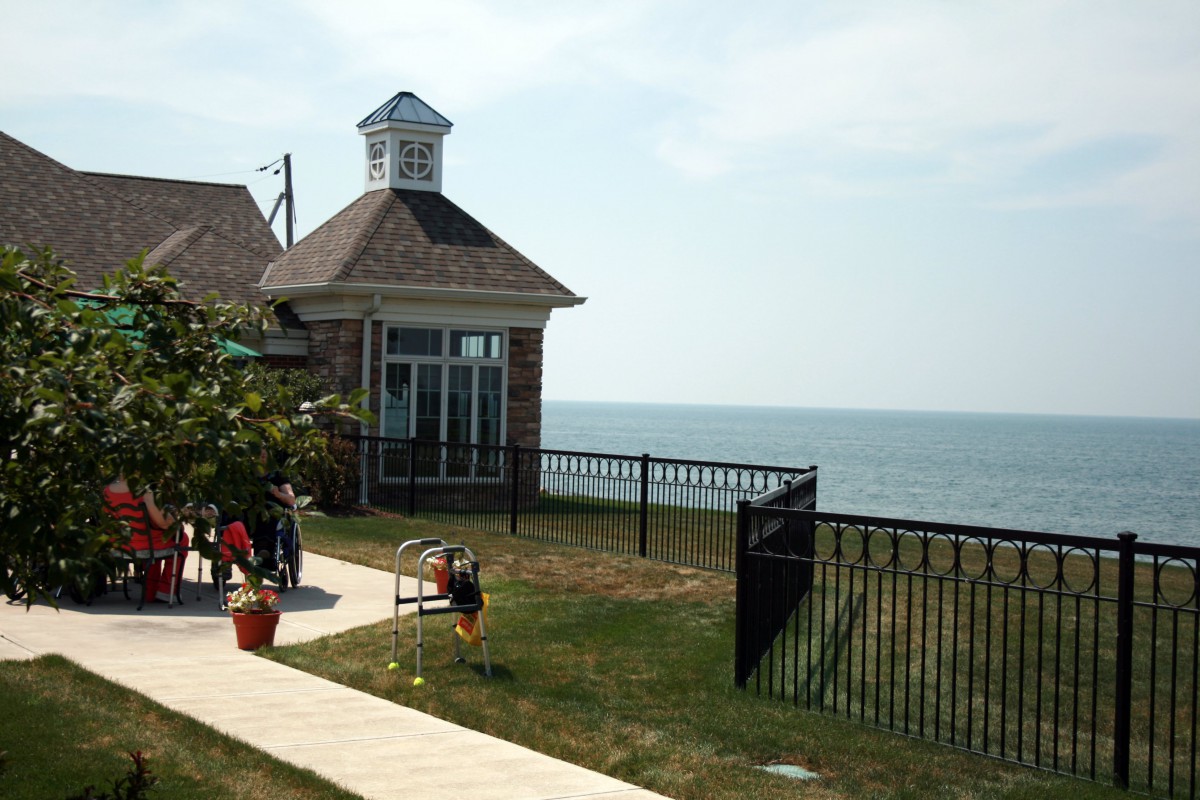
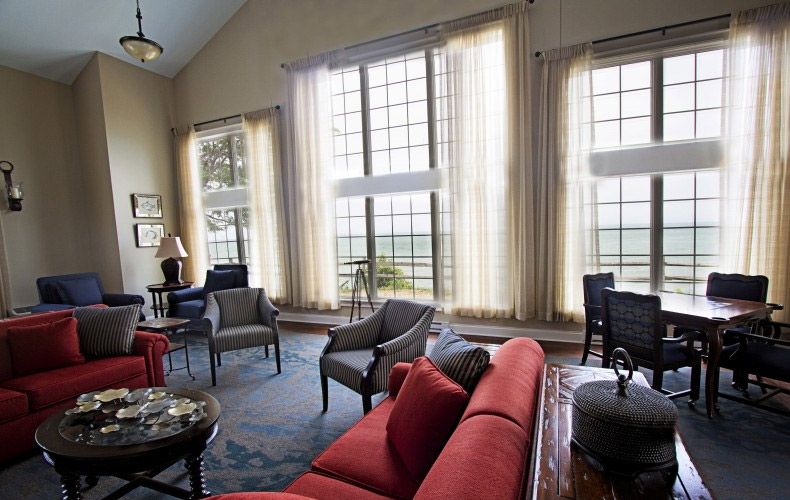
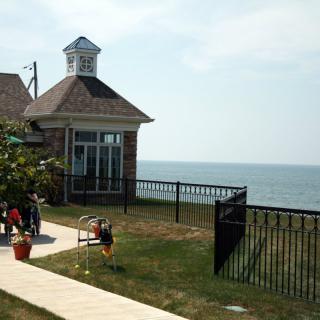
Residents frequently highlight the lake views as part of the day-to-day experience.
Multiple residents and visitors describe the facility’s lake views as a standout, with comments about enjoying the water scenery and a better overall atmosphere because of it. Reviews also pair the view with a sense of pleasant spaces to spend time, including common areas and events.
common20 reviews mention this
Clean, well-kept spaces
Residents repeatedly praise cleanliness and facility upkeep.
Many reviews describe the building as clean, well maintained, and comfortable, including praise for the overall cleanliness and how it made them feel confident about care. A smaller set of reviews goes the other direction, describing dirty conditions, odors, and housekeeping problems during stays.
common34 reviews mention this
Caring, friendly staff
Staff kindness and compassion come up again and again in reviews.
A large number of reviews describe staff members as kind, welcoming, compassionate, and responsive to residents’ needs. Some reviews also mention specific people who helped make communication and transitions easier, while others describe better outcomes because staff took time to support residents.
common10 reviews mention this
Rehab and therapy experience
Therapy and rehab are a major part of stays for residents and families.
Several reviewers talk about physical therapy and rehab positively, including getting help to strengthen and recover and praise for the therapy team. Other reviews criticize rehab outcomes, including concerns about falls, not seeing improvement, and therapy not helping as expected.
common6 reviews mention this
Dining quality varies
Dining reviews include both strong praise and complaints.
Some residents and families describe the food as delicious and meals as enjoyable, while others say the food was disappointing or even hard to eat. A few reviews also connect meal issues to overall satisfaction during their stay.
caveat5 reviews mention this
Medication and response delays
Some residents and families report delays with medication and responding to calls.
A recurring complaint is that residents did not receive medication on time or experienced long waits when pressing call buttons. A few reviews also describe delays in getting assistance for basic needs, and in at least one case, families felt staffing or training was inadequate for more complex hospice or care situations.
How we summarize
Counts show how many written reviews mention each theme; a review can touch several themes, and only frequently mentioned themes are displayed.
Features
Housing
80 resident community capacity
Studio apartments
Types of Care
Assisted Living
Hospice Agency
Memory Care
Respite Care
Skilled Nursing Facility
Amenities
Activities on-site
Air-conditioning
Beautician on-site
Beauty salon
Cable or satellite TV
Computer center
Devotional services off-site
Dining room
Fitness room
Full kitchen
Fully furnished
Gaming room
Garden
Guasts at mealtime
Housekeeping services
Indoor common areas
Kitchenette
Laundry
Move-in coordination
Outdoor space
Private bathrooms
Respite or short term stays offered
Restaurant-style dining
Small library
Telephone
Wellness center
Wi-Fi/high-speed internet available
Transportation
Cleveland-Hopkins International (19 miles away)
Community operated transportation
Transportation & parking
Transportation arrangement
Transportation arrangement (non-medical)
Transportation to doctors appointments
Care Services
12-16 hour nursing
24-hour call system
24-hour supervision
Activities of daily living assistance
Ambulatory care
Assistance with bathing
Assistance with dressing
Assistance with transfers
Diabetes diet
Diabetic care
Hospice care
Meal preparation and service
Medication management
Mental wellness program
Mild cognitive impairment
Physical therapy
Special dietary restrictions
Specialized memory care programming
Dining
Diabetes diet
Gluten-free
Meals provided
Restaurant style dining
Room service
Special dietary restrictions
Activities
Activities off-site
Activities on-site
Community-sponsored activities
Concierge services
Devotional activities offsite
Fitness programs
Planned day trips
Religious services
Resident-run activities
Scheduled daily activities
Languages Spoken
English
Videos
Nearby Places of Interest
Located in Lorain, Ohio, this area offers a variety of amenities within close proximity. There are several restaurants nearby, such as Chris Restaurant, Burger King, and Taco Bell, providing convenient dining options. Additionally, there are several healthcare facilities in the area including Comprehensive Pain Care and Mercy Health for easy access to medical services. For outdoor enthusiasts, there are parks like Lakeview Park and Central Park nearby for leisurely strolls or picnics. In terms of pharmacies, Walmart Pharmacy and CVS Pharmacy are easily accessible for medication needs. Lastly, there are places of worship such as St Mary Church-Lorain and Faith Ministries Christian Center for spiritual nourishment. This neighborhood provides a mix of convenience, healthcare options, recreational opportunities, and community resources that make it a desirable location for senior living.
Restaurants
Chris Restaurant (0.7 miles)
Burger King (0.8 miles)
McDonald's (1.9 miles)
K Cream Korner (2 miles)
Taco Bell (2.4 miles)
Taco Bell (2.4 miles)
Blue Sky Restaurant (2.4 miles)
Physicians
Comprehensive Pain Care (1.1 miles)
University Pediatric Center (1.4 miles)
Mercy Health (1.4 miles)
Jurek Ilona E MD (1.4 miles)
Flowers, Alison Mercy Health Lorain Family Medicine (1.4 miles)
Anchor Lodge Retirement Village offers a competitive pricing structure for its residents, particularly when compared to local and state averages. For a studio apartment, the monthly cost is $3,165 - significantly lower than the Lorain County average of $3,500 and the Ohio state average of $3,727. This presents an appealing option for those seeking affordability without compromising on quality of care. In contrast, the 1-bedroom units are priced at $4,640, which exceeds both the Lorain County average of $3,054 and the overall state average of $3,712. While this might suggest premium features or services associated with these accommodations at Anchor Lodge, potential residents should consider their individual needs and budgets when evaluating this option against others in the area.
Anchor Lodge Retirement Village employs a range of features designed to enhance the quality of life for residents with dementia or Alzheimer's disease. The 24-hour supervision ensures that trained staff are always available to provide immediate assistance and support, fostering a safe environment. Activities of daily living assistance--including help with bathing, dressing, and transfers--promotes independence while addressing the specific needs of each resident. Meal preparation and service are tailored to meet dietary requirements, ensuring proper nutrition which is critical for cognitive health. Medication management is meticulously handled to prevent errors and promote adherence. The mental wellness program alongside specialized memory care programming engages residents in activities that stimulate cognition and emotional well-being. Physical therapy is integrated into the daily routine to maintain mobility while addressing any physical challenges related to mild cognitive impairment, ultimately ensuring holistic care tailored to individual capabilities and conditions.
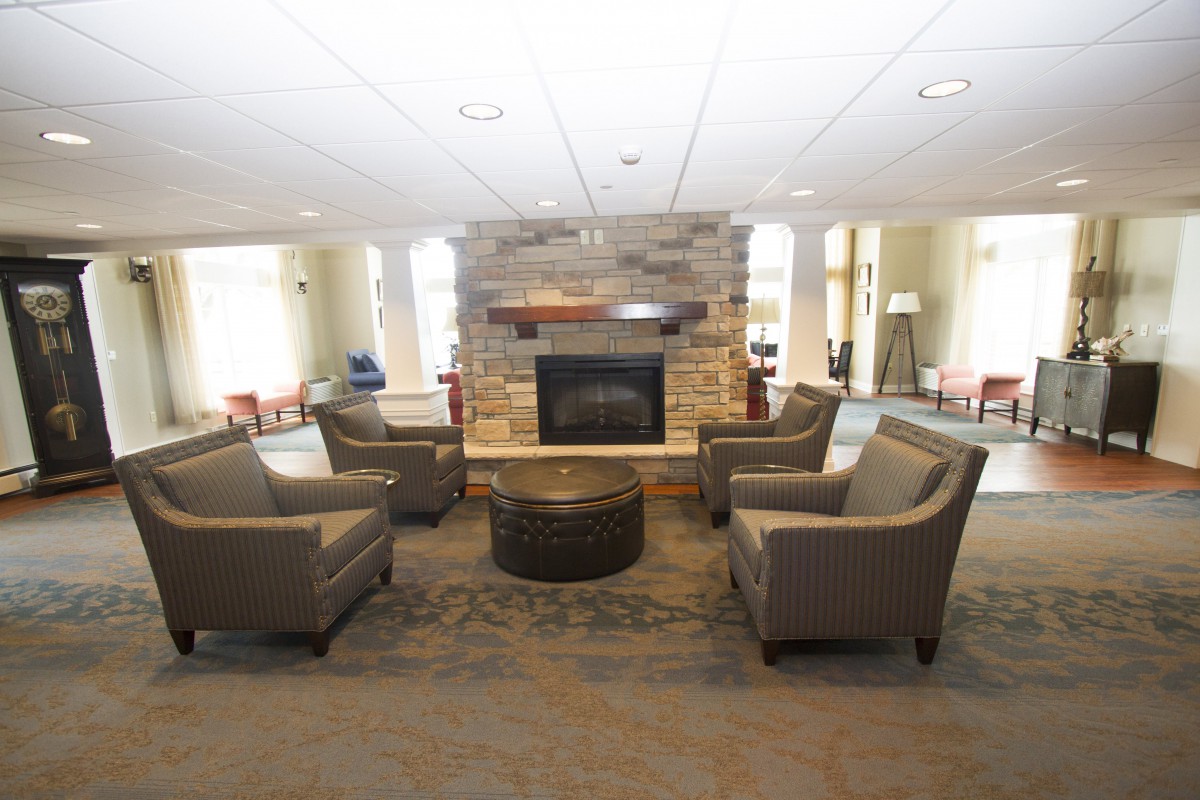
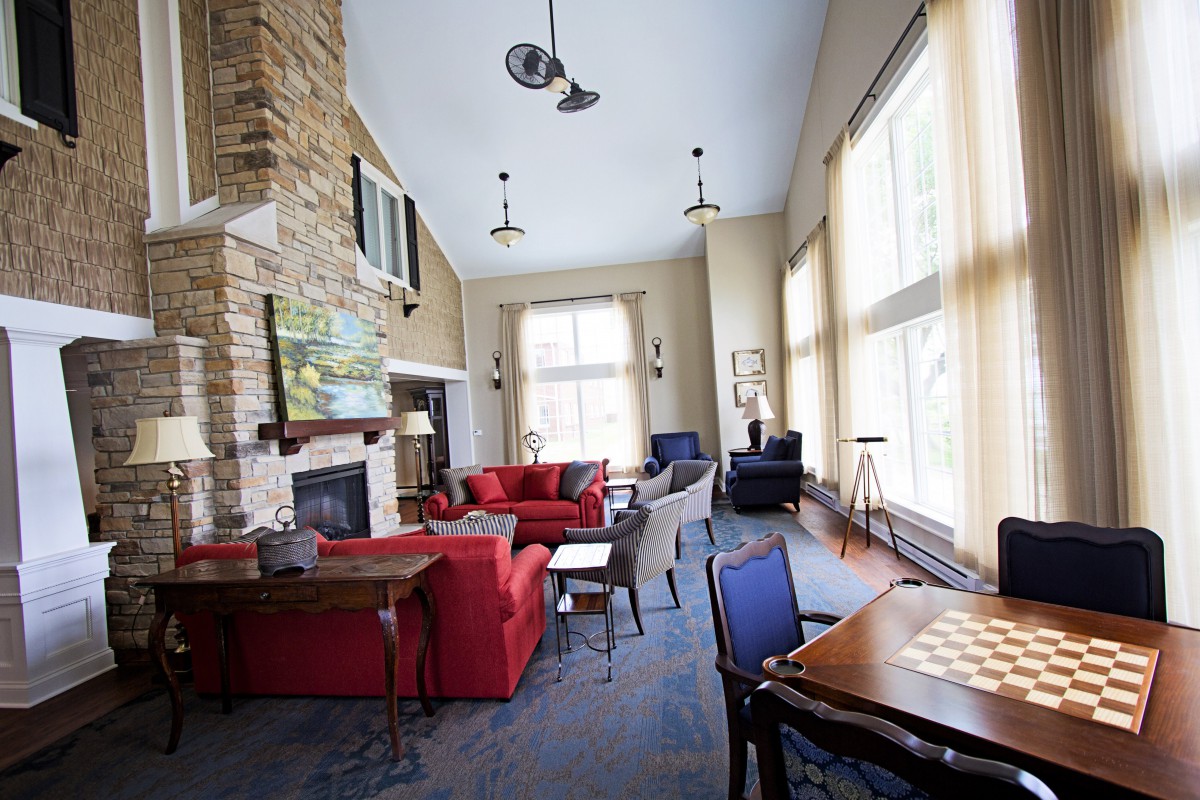
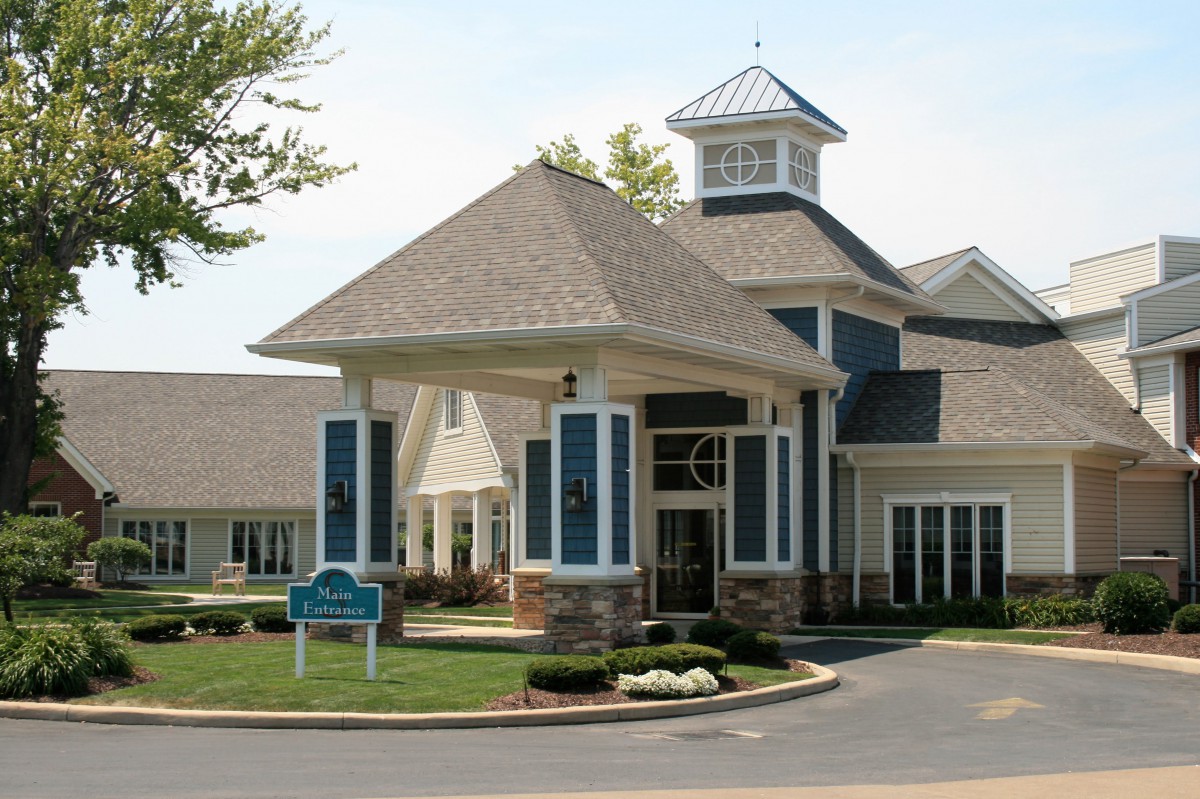
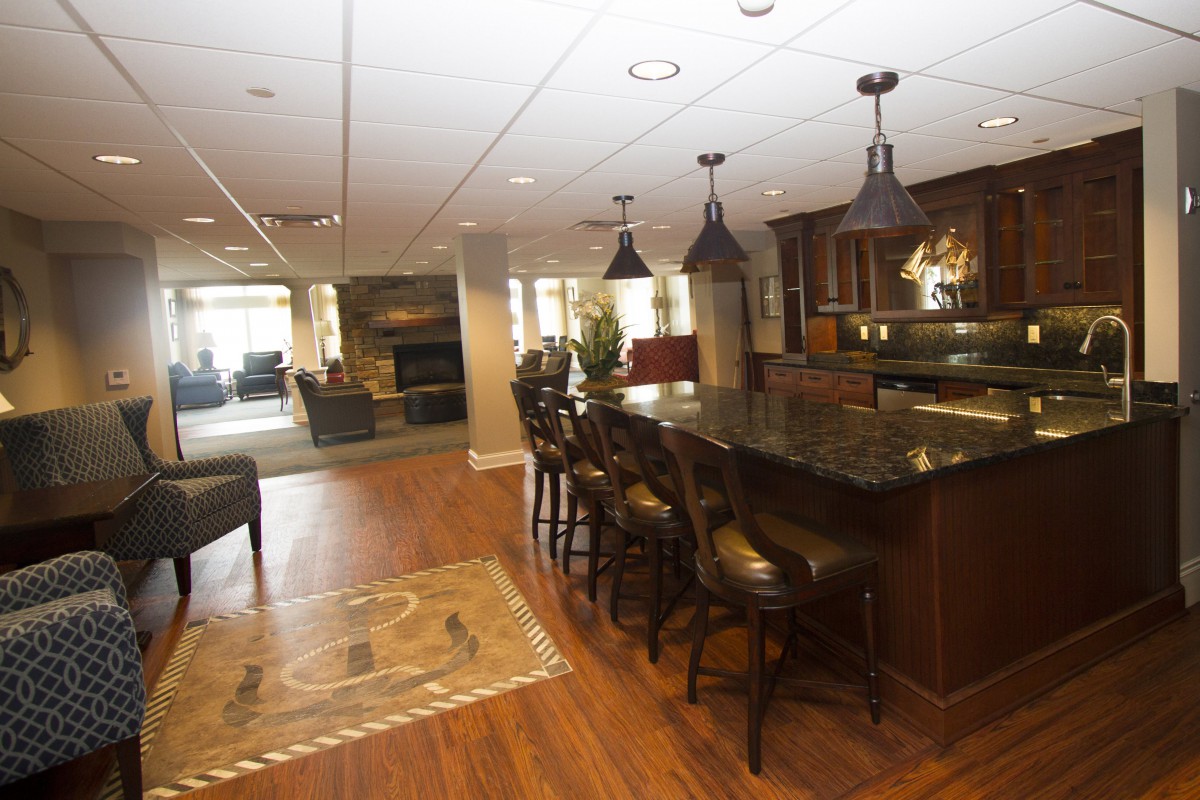
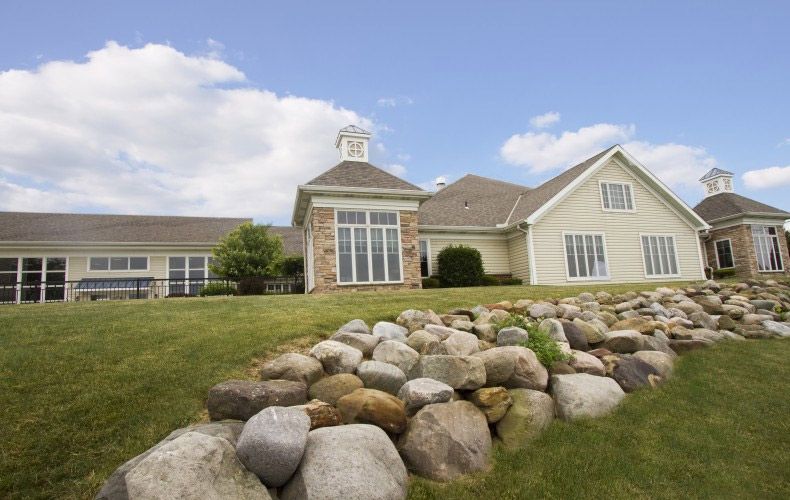
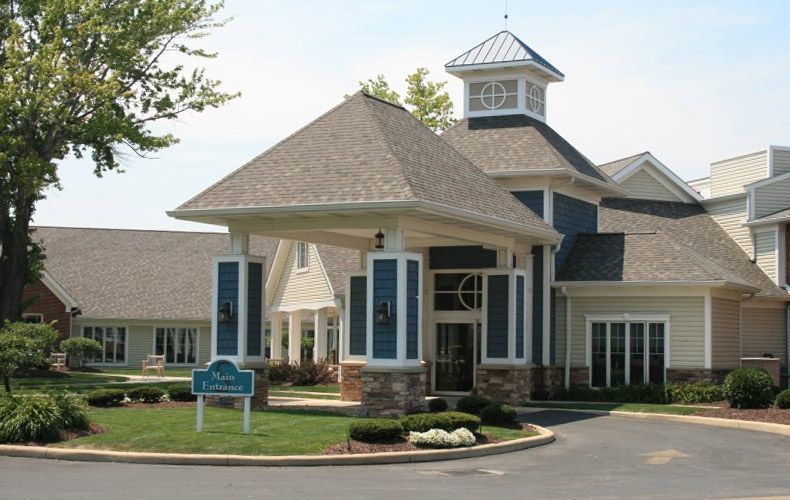
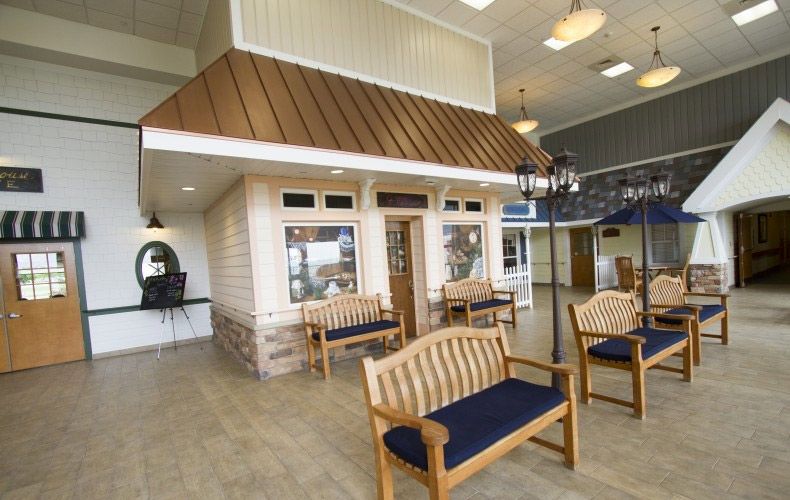
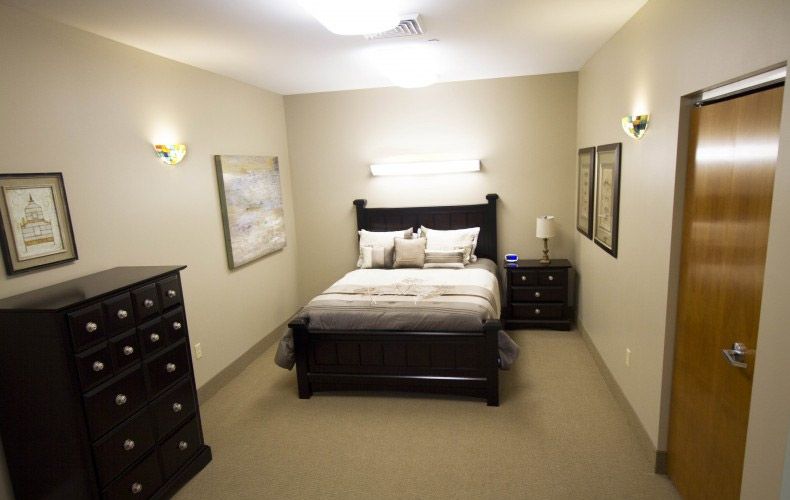
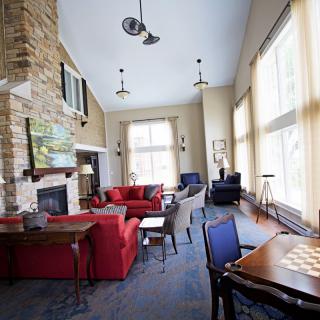
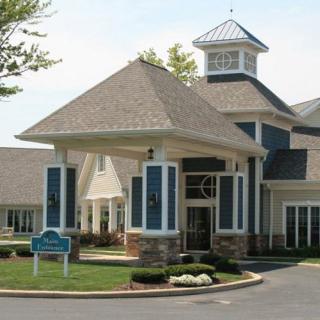
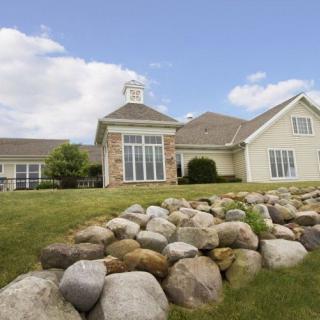
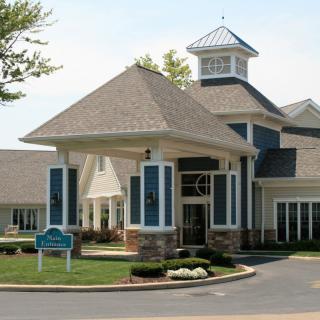
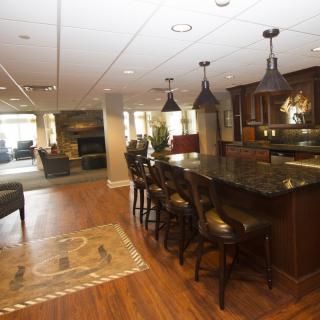
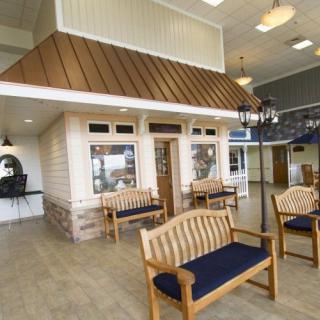
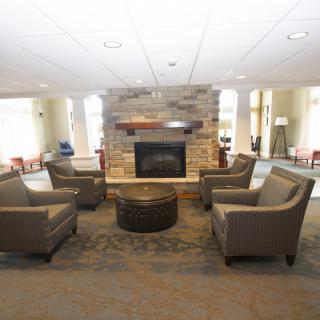
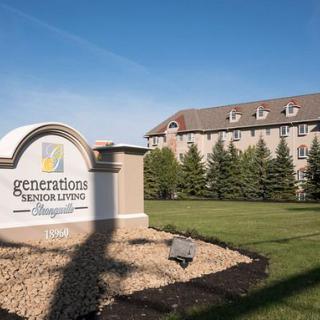
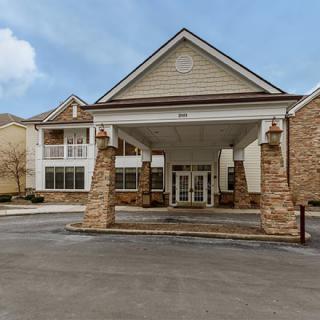
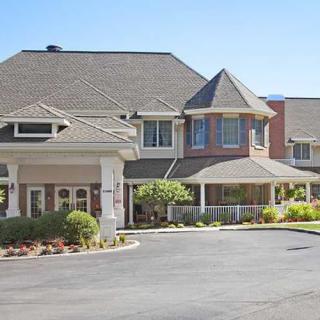
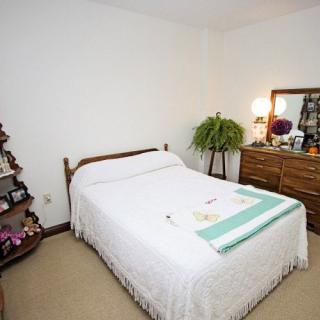
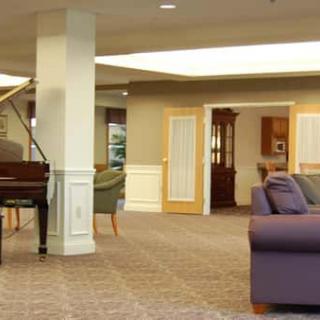
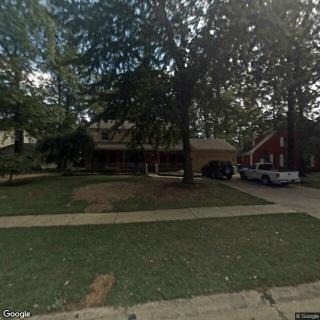
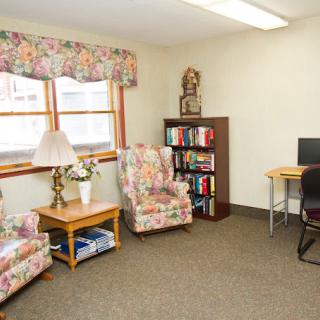
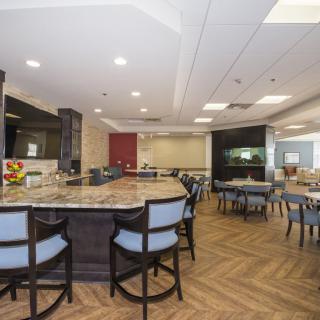
Anchor Lodge Retirement Village on seniors.fyi includes 10 photos including images showing interior, landscaping, building, architecture, fireplace, windows, lighting, entrance, and more.
Nearby Communities
Morningside at Martin's Run
Lorain, OH
Small, intimate community with personalized care, meals with dietary accommodations, and essential amenities (Wi-Fi, housekeeping) plus close access to local healthcare.
Lake Pointe Health Care
Lorain, OH
3.7 from 67 reviews
Extensive on-site amenities and 24/7 care.
Oak Hills Nursing Center
Lorain, OH
3 from 29 reviews
Extensive amenities and 24/7 care support.
Adult Care By Sandy II
Lorain, OH
3.2 from 13 reviews
$2,600 to $3,500 / month
Compassionate, family?style care with dedicated staff.
Lorain Pointe Senior Apartments
Lorain, OH
4 from 35 reviews
$1,105 to $1,220 / month
Autumn Aegis Nursing Home
Lorain, OH
4.6 from 76 reviews
Extensive amenities and 24/7 care
Amherst Manor Assisted Living
Amherst, OH
3.5 from 78 reviews
$3,240 / month
Spacious rooms and Medicaid acceptance with a well-maintained environment observed during visits.
Wesleyan Meadows
Sheffield Village, OH
4.9 from 29 reviews
$900 to $1,000 / month
Strong independence with safety features and active social options.
Palm Crest Nursing Homes
Elyria, OH
4.7 from 7 reviews
Prime Elyria location with extensive nearby amenities (cafes, parks, pharmacies, physicians, restaurants, places of worship, and hospital).
Delirium is a rapidly onset, reversible cognitive disturbance often caused by acute medical issues, while dementia is a gradual and irreversible decline due to chronic neurodegenerative diseases. Accurate differentiation between the two is essential for appropriate treatment and management in older adults.
Dementia, including Alzheimer’s disease, is often mischaracterized in terms of lethality as it leads to complications that can be fatal rather than being a direct cause of death; it causes a progressive decline in cognitive and physical health, making patients vulnerable to infections and other health crises. Effective management of nutrition, hydration, and communication is crucial in patient care, with palliative care becoming vital in advanced stages to enhance comfort and quality of life while caregivers play a key role amidst the challenges posed by the disease.
Reminiscence therapy helps individuals with dementia recall past memories through structured discussions and meaningful objects, enhancing mood, relationships, and sense of identity while celebrating their lives. It can be practiced in formal settings or at home, requiring sensitivity to personal histories and cultural backgrounds.
Get PricingAsk A QuestionSchedule A TourContact Senior Advisor
By clicking submit, you agree to our Partner's Terms of Use. You
also consent to receive calls and texts, which may be autodialed, from our Partner. Your consent is not a condition to
using our Partner's service. Please visit our Partner's Privacy Policy for information about their privacy practices.

 80 resident community capacity
 Studio apartments
 Assisted Living
 Hospice Agency
 Memory Care
 Respite Care
 Skilled Nursing Facility
 Activities on-site
 Air-conditioning
 Beautician on-site
 Cable or satellite TV
 Computer center
 Devotional services off-site
 Dining room
 Fitness room
 Full kitchen
 Fully furnished
 Gaming room
 Garden
 Housekeeping services
 Indoor common areas
 Laundry
 Move-in coordination
 Outdoor space
 Private bathrooms
 Restaurant-style dining
 Small library
 Telephone
 Wellness center
 Wi-Fi/high-speed internet available
 Cleveland-Hopkins International (19 miles away)
 Community operated transportation
 12-16 hour nursing
 24-hour call system
 Ambulatory care
 Assistance with bathing
 Assistance with dressing
 Assistance with transfers
 Diabetes diet
 Diabetic care
 Medication management
 Mental wellness program
 Physical therapy
 Special dietary restrictions
 Concierge services
 Planned day trips
 English
 Small, intimate community with personalized care, meals with dietary accommodations, and essential amenities (Wi-Fi, housekeeping) plus close access to local healthcare.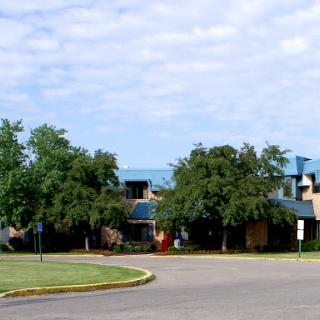

 Delirium and Dementia: Unraveling the Key Differences
 Are Dementia and Alzheimer's Disease Lethal? A Comprehensive Exploration
 Exploring the Power of Reminiscence Therapy for Individuals With Dementia