
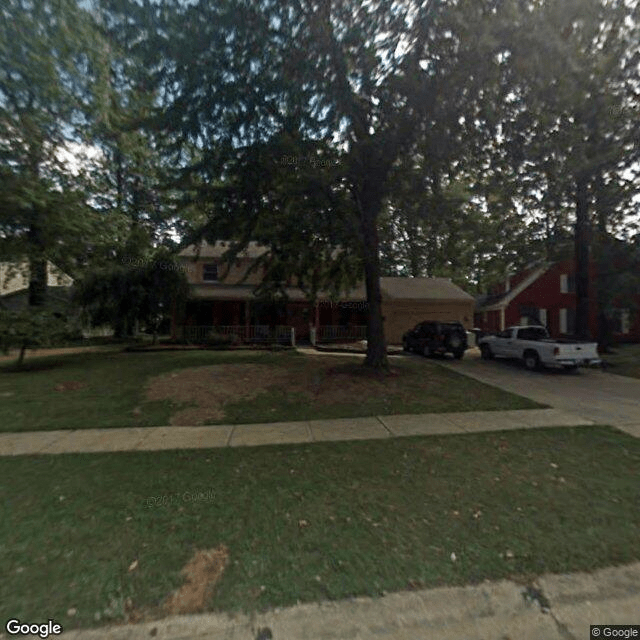
4617 Timberview Drive, Lorain, OH 44053
To contact a resident: (440) 240-3370
For more information about senior living options: (866) 208-4318
Adult Care By Sandy II Costs & Pricing
Adult Care By Sandy II offers competitive pricing for its services compared to both Lorain County and the broader state of Ohio. For a semi-private room, residents pay $2,600 per month, significantly lower than the county average of $4,070 and the state average of $3,965. Similarly, the cost for a private room is set at $3,500, which remains attractive against Lorain County's average of $4,229 and Ohio's average of $4,771. These rates underscore Adult Care By Sandy II's commitment to providing quality care while remaining accessible in a challenging economic landscape.
| Floor plans | Adult Care By Sandy II | Lorain County | Ohio |
|---|---|---|---|
| Semi-Private | $2,600 | $4,070 | $3,965 |
| Private | $3,500 | $4,229 | $4,771 |
Senior living communities with a similar price nearby
-
from +$400 / mo
Safe Haven Elder Care LLC
$3,000 to $3,500 / month9.5 miles away -
from -$245 / mo

Vitalia Active Adult Community North Olmsted
$2,355 to $4,800 / month14.3 miles away -
from +$250 / mo
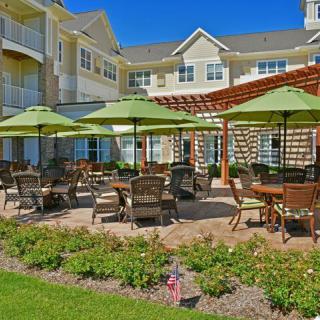
Rose Senior Living Avon
$2,850 to $4,525 / month11.4 miles away -
from -$381 / mo
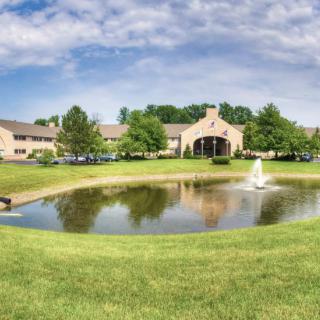
The Abbewood Senior Living Community
$2,219 to $3,718 / month7.8 miles away -
from +$400 / mo
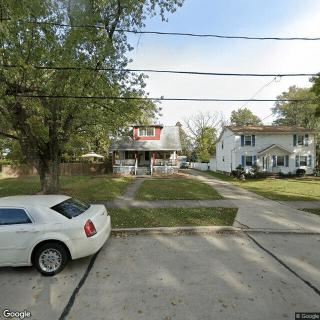
Bowen Elderly
$3,000 to $4,000 / month14.3 miles away
Overall Review of Adult Care By Sandy II
Pros
 Sandy is described as very nice and upfront, and the reviewer notes that their dad is doing well after moving in.
 - A grandmother in Sandy's care is described as an "Angel," with Sandy and Doris praised as wonderful caregivers.
- Sandy treats residents like family, with care such as sleeping next to their bed or staying up with them when they are having a bad night.
- Residents receive home‑cooked meals and are treated like family.
- The staff are described as friendly and provide around-the-clock supervision.
- The environment is described as clean and quiet, and it feels like a family.
- Visitors can visit anytime, and many reviewers consider it an awesome place for older loved ones.
- A loved one stayed about two years and was treated very well.
Cons
 The review claims the care for the mother was questionable.
- The facility is not an assisted living facility and is not regularly inspected.
- Staff are described as uncaring, with dismissive or confrontational behavior toward residents’ families.
- It is alleged that medications were used to sedate a resident, causing long periods of sleep.
- The reviewer notes significant weight loss and a death that raises suspicions of neglect.
- Sandy is accused of lying about the facility and charging assisted-living facility prices.
- The environment is described as dirty and unsanitary, with poor nutrition and residents left wet or neglected.
- There are safety concerns, including clutter, lack of fire exits, and residents being yelled at.
Review
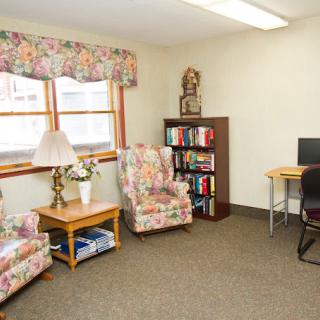
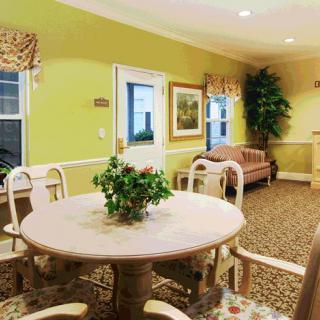
This community is best suited for families seeking a small, home-like setting where a resident can receive hands-on daily assistance and genuine companionship without a heavy emphasis on clinical nursing. The strongest appeal rests with the sense of family and daily warmth: attentive, around-the-clock supervision, home-cooked meals, and staff who engage residents in conversation and activities. In stories from families, the environment feels intimate, quiet, and manageable, with visits welcomed at any time. It works best when a loved one thrives on personal attention from a small team in a homelike atmosphere rather than a larger, impersonal facility.
Alternatives become a clear consideration for anyone needing formal, regulated assisted living or robust medical oversight. Several reviews flag that this operation is licensed for Supportive Living, not traditional Assisted Living, and that it is not regularly inspected. The implication is that care quality and safety rely heavily on the proprietor’s approach rather than on routine regulatory checks. For residents with advanced dementia, frequent medical needs, complex medication regimens, or a requirement for consistent nursing supervision, other ALF or skilled-nursing communities with explicit licensing and documented inspection histories are typically safer choices. Families wary of ownership transparency or history should be especially prudent.
The key positives center on the intimate, family-style care. Residents report being treated like members of a close-knit household, with caregivers who stay attentive through long hours, ensure meals are home-cooked, and encourage engagement through activities and social contact. The ability to visit freely and the sense that staff are watching over residents around the clock can be a meaningful offset for families trusting someone to be present and attentive. On the other hand, serious red flags surface in several accounts: concerns about the completeness and reliability of care, episodes of neglect or inappropriate situations, and questions about staff availability and the qualifications of aides. These tensions create a real tension between warmth and safety that families must weigh carefully.
That tension can be mitigated in specific, limited ways. When a loved one’s needs are primarily supervisory and social, rather than medically complex, the strength of a homey, hands-on environment can meaningfully offset gaps in formal oversight. Hospice involvement and the sense of a familiar, steady caregiver presence reportedly help many residents maintain weight, comfort, and routine. Yet the same narratives that praise warmth also underscore potential dangers: inconsistent staffing, abrupt personnel changes, and the absence of formal care plans or state-level accountability. In that light, warmth and engagement are valuable but not a substitute for dependable medical oversight or transparent operations.
Families should take concrete steps to vet this option before any commitment. Verify the current licensing status with the Ohio Department of Health and request the most recent inspection reports, if available. Ask for a detailed, written care plan that outlines who administers medications, how frequently staff are on-site, and what protocols exist for emergencies. Speak directly with current residents and visiting family members to gauge consistency of care and responsiveness. Inquire about staffing levels, whether a nurse is on-site, and how hospice or outside medical services integrate with daily routines. Clarify ownership, the Timberview situation, and any past concerns raised by other families so a clear, verifiable picture can be formed.
In the end, this community offers a compelling option for families prioritizing a snug, family-like home environment with accessible, around-the-clock supervision and personalized attention. It is best for residents who can function with moderate support and who place a premium on relational warmth and daily engagement over formal medical oversight. Those needing predictable regulatory protection, transparent ownership, and regular nursing care should look elsewhere. For decision-makers, the choice hinges on balancing the value of intimate, attentive companionship against the imperative of consistent, regulated safety and medical oversight.
 Board and Care Home
 Cats allowed
 Dogs allowed
 Activities off-site
 Beautician on-site
 Private
 Respite or short term stays offered
 Wheelchair accessible showers
 Cleveland-Hopkins International (18 miles away)
 Ambulatory care
 High acuity care
 Incontinence care
 Meals provided
 Christian services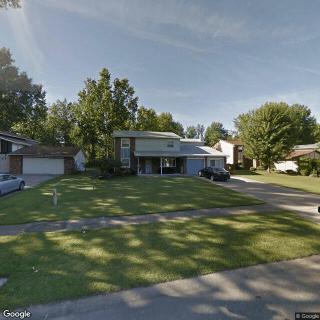



 Seniors and Modern Transportation: Exploring Uber, Lyft, and Other Ride-Hailing Options
 Comprehensive Guide to Qualifying for Home Health Care Services
 Powerful Realities of Elder Abuse and the Most Effective Ways to Report It