Liberty Station Health Campus in Liberty Township, OH

Save

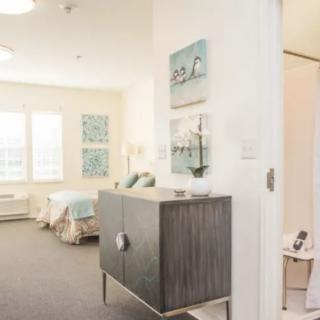
  • Interior

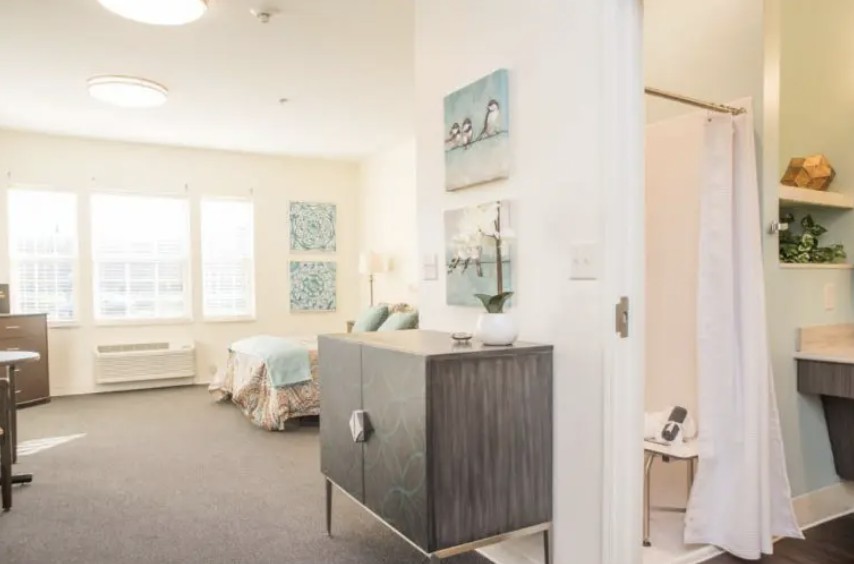
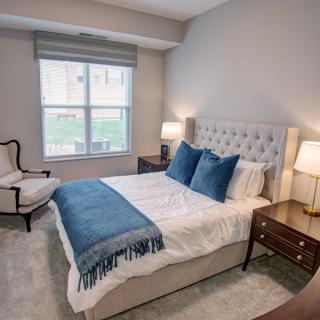
    A modern and stylish bedroom interior with tasteful decor.
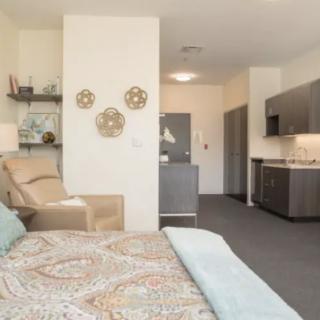
  • Decor

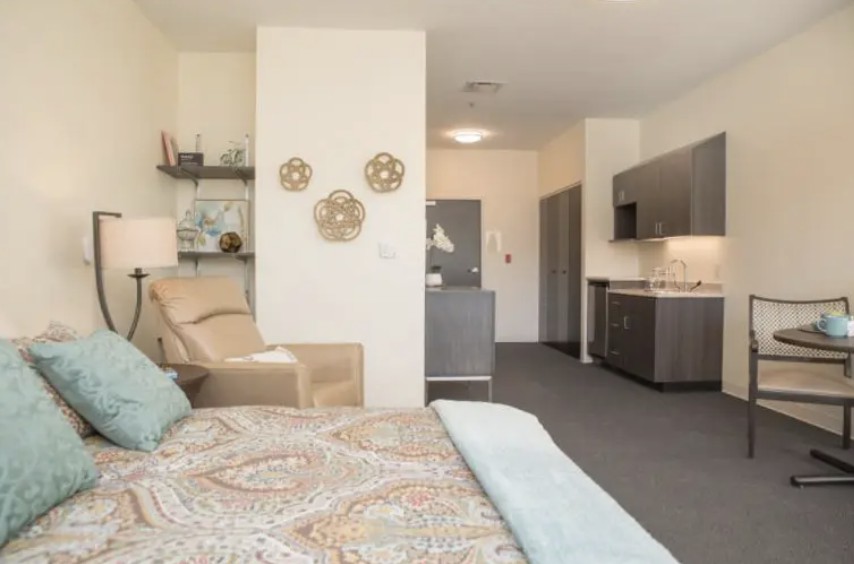
    A modern studio apartment featuring a cozy bedroom area and a compact kitchenette.
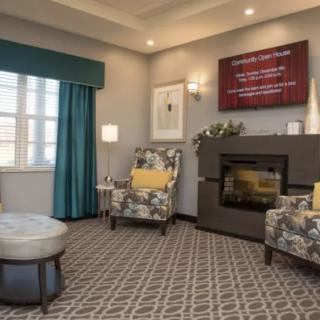
  • Living Room

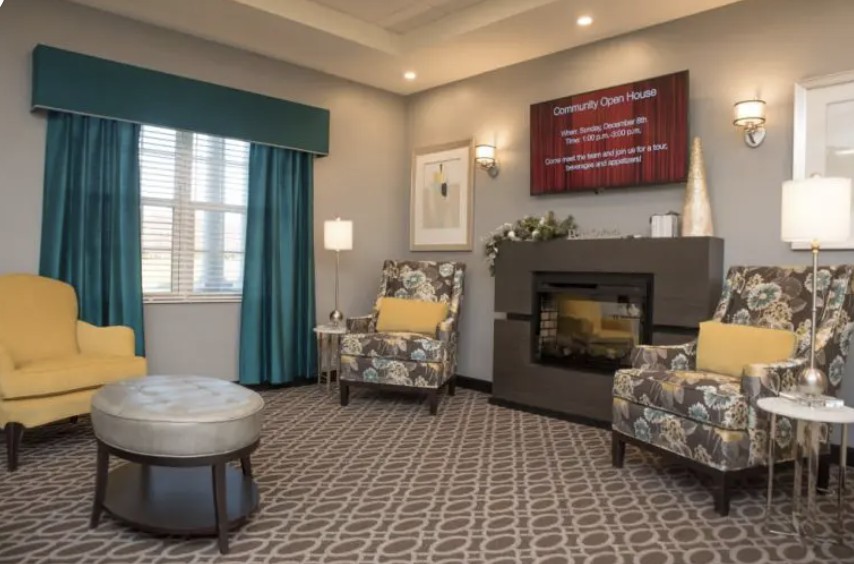
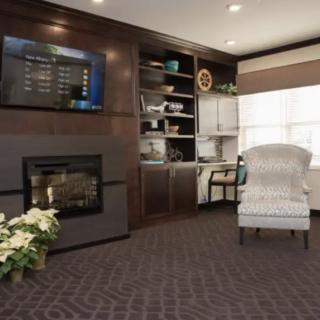
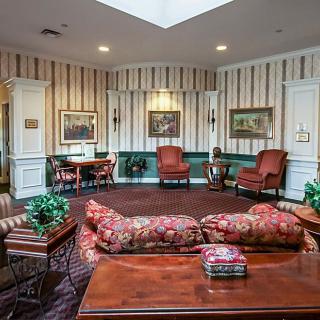
    A cozy living room with floral armchairs, a fireplace, and elegant decor.
  • Architecture

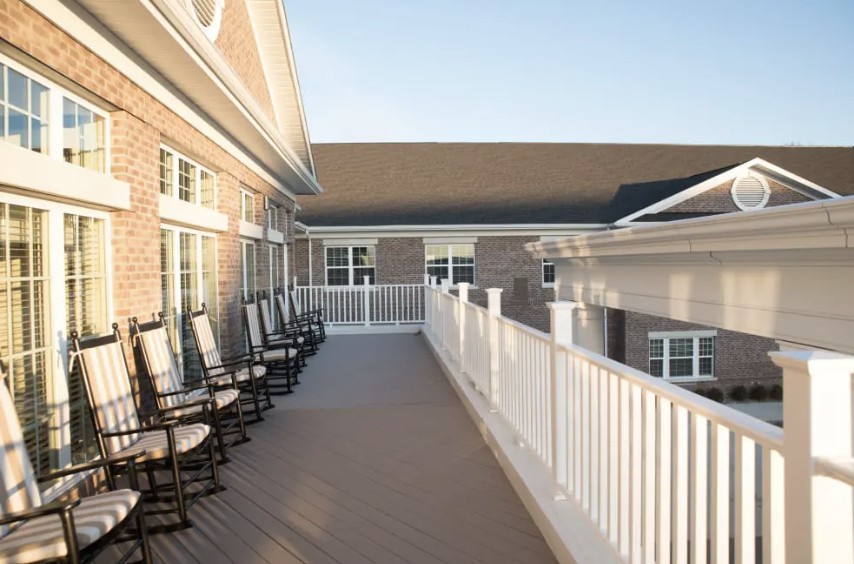
    A spacious balcony with a row of rocking chairs and white railings, attached to a building.
  • Bedroom

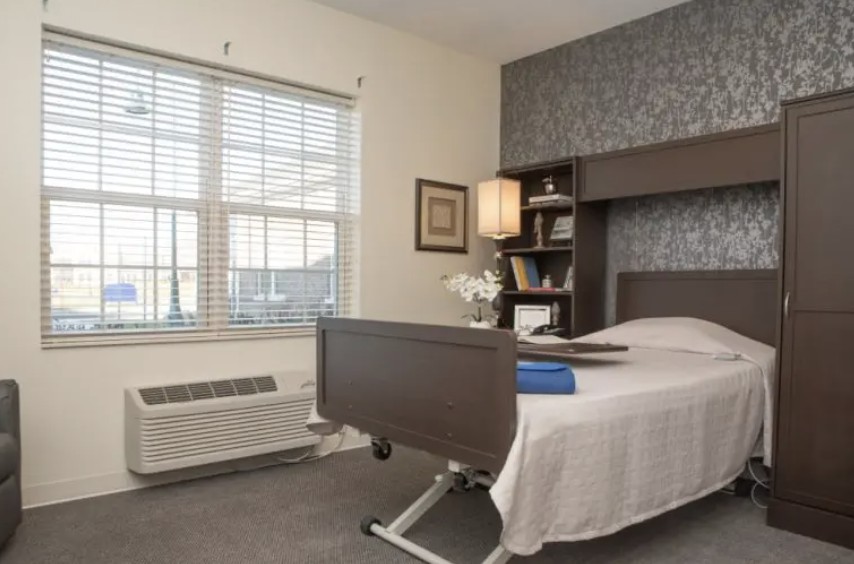
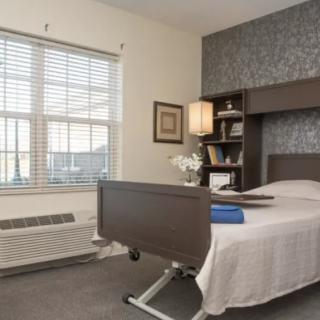
    A well-furnished hospital room with a bed, bookshelf, and large window.
  • Dining

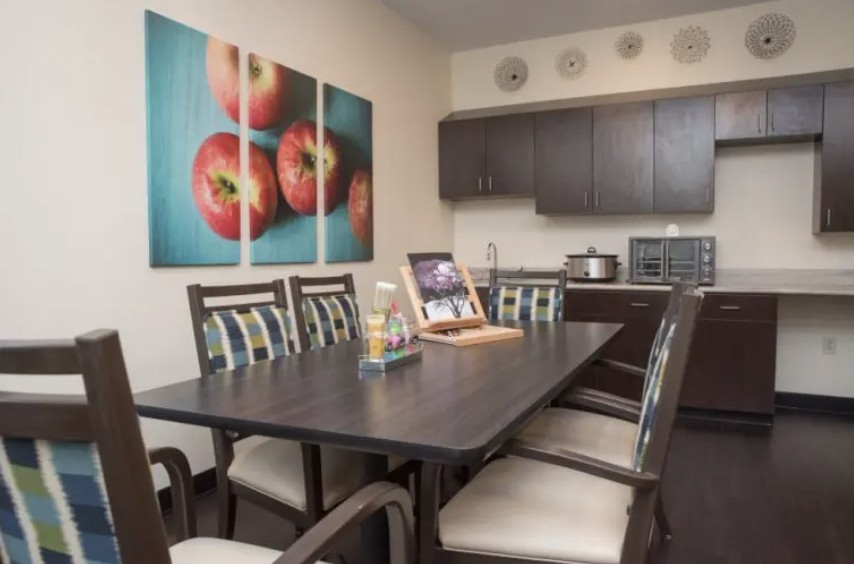
    A modern dining area with a dark wooden table, cushioned chairs, and vibrant tomato wall art.
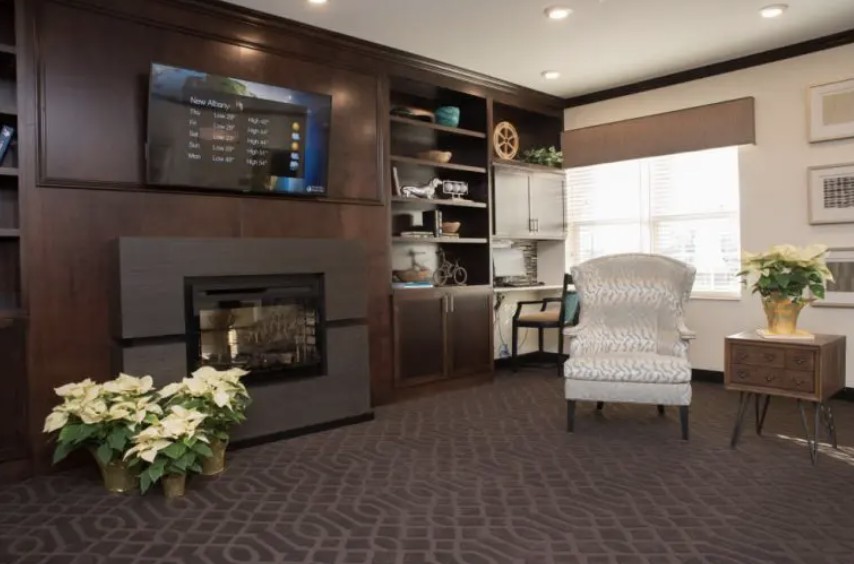
  • Fireplace

    A modern living room with a cozy fireplace and elegant furnishings.

Liberty Station Health Campus in Liberty Township, OH

5348 Newtown Drive, Liberty Township, OH 45011

For more information about senior living options: (844) 490-3973

4 from 22 reviews
5 stars
15
4 stars
2
3 stars
0
2 stars
0
1 stars
5

Assisted Living Independent Living Memory Care Skilled Nursing Facility

What level of care are you interested in?

Assisted Living

Memory Care

Independent Living

Skilled Nursing Facility

Continuing Care Retirement Community (CCRC)CCRC

Other


Request a tour at Liberty Station Health Campus

    Overall Review of Liberty Station Health Campus

    Pros

    • pro The staff at Liberty Station is fabulous and really knows the residents.
    • pro The nursing staff are very attentive and treat residents like family.
    • pro The facility is clean and the staff are nice.
    • pro The staff are caring, and the meals offered are great with good food choices.
    • pro Liberty Station Health Campus has made a positive difference; residents are thriving and enjoy the food, activities, and atmosphere.
    • pro The therapy department is top notch and provides excellent rehab care.
    • pro Liberty Station's Independent Living offers nice apartments, great neighbors, good food, and lots to do.
    • pro Sierra and her team are genuine and truly care about residents and staff.

    Cons

    • pro The facility is extremely understaffed, with not enough staff on each unit.
    • pro Some units have aides who are not state certified, which is dangerous for residents.
    • pro Residents fall frequently and are simply picked up and returned to bed, which is not normal or in line with falls protocol.
    • pro The scheduler, HR, ADON, DON, and administrator are described as covering themselves and throwing nurses and aides to the wolves.
    • pro There is alleged gross negligence and abuse, including restricting restroom access and inadequate feeding for residents.
    • pro Residents develop bed sores and infections due to neglect and insufficient care during recovery.
    • pro Staff shortages are blamed for substandard care, with some nurses not wanting to be affiliated with Liberty or related homes.

    Review

    Liberty Station Health Campus in Liberty Township is best suited for families that prize a bright, reception-friendly atmosphere coupled with strong rehabilitation services, active programming, and a staff culture that many families describe as genuinely caring. The campus earns its daily value through clean, inviting common areas, appealing dining options, and therapy teams that many residents experience as competent and responsive. This community tends to work well for a resident who benefits from structured activities, social engagement, and a therapy-directed pathway to regain strength after hospital stays or surgeries. It is less ideal for families whose priority is guaranteed, unwavering nurse coverage and flawless day-to-day safety without constant vigilance.

    Alternatives to consider emerge for families who must insist on consistently high staffing levels, transparent nurse-to-resident ratios, and demonstrable accountability for safety. Those with high-acuity needs or residents prone to wandering, frequent falls, or delicate skin require facilities with rock-solid staffing models and a track record of preventing bedsores and avoidable incidents. Additionally, families seeking uncompromised memory-care oversight, or a setting with uniformly strict supervision and rapid escalation protocols, may find other campuses with a more explicit safety culture to be a better fit. In short, a cautious buyer should weigh staffing reliability as a non-negotiable criterion.

    On balance, the strongest positives are the perceived warmth and attentiveness of the frontline staff, the meaningful social life and family engagement, and the notable quality of rehabilitation services. Families repeatedly highlight nurses and aides who treat residents like family, a calendar rich with theme-based activities, and abundant opportunities to participate in meals and events. The therapy department is frequently cited as top-tier, contributing to tangible improvements in strength and function for long-term residents and those transitioning from rehab. The physical environment supports these strengths: it is clean, well-maintained, and visually uplifting, with residents responding to the atmosphere and the energy of the team. These factors collectively create a credible, working pathway to better days for many residents.

    Yet, the picture is not spotless. The most persistent concerns center on staffing reliability and its consequences. Reports of understaffing, aides without proper state certification, and incidents that hint at neglect or delayed care loom over the narrative. Complaints range from delays in basic care to distressing accounts of residents not being adequately supported, with fears of falls and worsened conditions like bedsores. Even as many families celebrate positive experiences, these serious cautions cannot be ignored. Management dynamics, including how concerns are addressed and whether accountability is clear, also color the overall trust landscape and influence the willingness to place a loved one here without stringent internal monitoring.

    To make a well-informed decision, prospective families should organize a structured, in-person assessment focused on safety, staffing, and care quality. During tours, request a look at current staffing rosters and turnover, ask to observe a shift in care delivery, and speak with both nursing leadership and direct care staff about workload and training. Review recent state inspections, incident logs, and care plans, and seek candid feedback from current residents and families about response times and escalation procedures. Finally, verify the availability and quality of ongoing therapy, meals, and activities on a week-to-week basis, recognizing that these positives can be substantially undermined by inconsistent staffing or weak supervision.

    Bottom line: Liberty Station Health Campus offers a compelling package for families prioritizing rehab-oriented care, engaging activities, and a warm, supportive daily experience. The caveat is clear - high-quality social and clinical programming can be offset by real risks tied to staffing variability and safety incidents. For families willing to perform ongoing oversight, conduct thorough tours, and insist on transparent staffing practices, Liberty Station can be a strong choice. For those needing unwavering, round-the-clock supervision with near-perfect safety assurances, alternatives with more explicit staffing guarantees should be pursued. The right decision hinges on balancing the demonstrated strengths in care and atmosphere against the legitimate concerns about consistent staffing and safety practices.

    Features

    Housing

    • 120 resident community capacity 120 resident community capacity

    Types of Care

    • Assisted Living Assisted LivingAssisted living facilities provide crucial support and care for seniors who may need help with daily tasks such as medication management, bathing, and meal preparation. These communities offer a safe and comfortable environment where seniors can maintain their independence while receiving the assistance they need to thrive in their golden years.
    • Independent Living Independent LivingIndependent living communities are important for seniors because they offer a safe and supportive environment where older adults can live independently while still having access to amenities and services that enhance their quality of life. These communities provide social opportunities, recreational activities, and assistance with daily tasks, promoting overall well-being and allowing seniors to maintain their independence for as long as possible.
    • Memory Care Memory CareMemory care is crucial for seniors as it provides specialized support and services for individuals with dementia or Alzheimer's disease. These programs offer a safe and secure environment where residents receive personalized care, cognitive stimulation, and help with daily activities. Memory care helps seniors maintain their independence, quality of life, and dignity while also providing peace of mind for their families.
    • Skilled Nursing Facility Skilled Nursing FacilitySkilled Nursing Facilities are crucial for seniors as they provide round-the-clock medical care, rehabilitation services, and assistance with daily activities. These facilities ensure that seniors receive the specialized care they need to maintain their health and well-being as they age.

    Amenities

    • Air-conditioning Air-conditioningAir conditioning is important for seniors as they are more vulnerable to heat-related illnesses and may have underlying health conditions that make it difficult for them to regulate their body temperature. It helps to keep them comfortable, safe, and healthy in hot weather.
    • Beauty salon Beauty salonBeauty salons are important for seniors because they provide a space for them to feel pampered, socialize, and maintain their personal grooming and hygiene. Regular visits to a beauty salon can help boost seniors' self-esteem and overall well-being.
    • Cable or satellite TV Cable or satellite TVCable or satellite TV is important for seniors because it provides entertainment, news, and companionship, helping to combat loneliness and boredom. It also offers a wide range of programming options tailored to different interests and preferences.
    • Computer center Computer centerA computer center is essential for seniors as it provides access to technology, communication tools, and resources that can enhance their daily lives. It allows them to stay connected with loved ones, engage in online activities, and learn new skills, ultimately promoting socialization and mental stimulation.
    • Dining room Dining roomDining rooms are important for seniors as they provide a space for socialization, connection, and nutritious meals. They offer opportunities for residents to bond over shared meals, foster a sense of community, and promote healthy eating habits. Dining rooms also ensure that seniors have access to well-balanced meals tailored to their dietary needs and preferences.
    • Family education and support services Family education and support servicesFamily education and support services are crucial for seniors as they provide resources, guidance, and assistance to both the elderly individuals and their families. These services help in navigating the challenges of aging, improving communication among family members, enhancing quality of life, and ensuring that seniors receive the care and support they need to live independently and comfortably.
    • Fitness room Fitness roomHaving a fitness room in a senior living community is essential for seniors to stay active, maintain their physical health, and improve their overall well-being. Regular exercise can help prevent falls, reduce the risk of chronic diseases, and promote mental sharpness. It also provides social opportunities for residents to connect with others and enjoy a sense of community.
    • Fully furnished Fully furnishedFully furnished senior living communities are important for seniors because they provide convenience, comfort, and a hassle-free moving experience. Seniors can easily settle into their new living space without the stress of having to buy and move furniture. This allows them to focus on enjoying their new home and community.
    • Gaming room Gaming roomGaming rooms are important for seniors as they provide a fun and engaging environment for socializing, cognitive stimulation, and physical activity. Games can improve memory, problem-solving skills, and overall mental well-being while fostering friendships and reducing feelings of isolation.
    • Garden GardenGardens are important for seniors as they provide a peaceful and therapeutic environment for relaxation, physical activity, and socialization. Being in nature has been shown to reduce stress, improve mood, and promote overall well-being. Gardens also offer opportunities for seniors to engage in gardening activities, which can improve mobility, flexibility, and cognitive function. Additionally, gardens create a sense of community and connection with others who share a passion for plants and outdoor spaces.
    • Housekeeping services Housekeeping servicesHousekeeping services are important for seniors because they help maintain a clean and safe living environment, promote independence, and reduce the risk of accidents or illnesses. Additionally, having assistance with household chores can alleviate physical strain and allow seniors to focus on other aspects of their well-being.
    • Kitchenette KitchenetteKitchenettes are important for seniors living in senior living communities because they provide the convenience and independence of being able to prepare simple meals and snacks in the comfort of their own living space. This can help promote a sense of autonomy and well-being for seniors, allowing them to maintain some level of control over their dietary choices and daily routines.
    • Move-in coordination Move-in coordinationMove-in coordination is important for seniors because it helps ease the transition into their new living environment. It ensures that all logistics, such as packing, organizing movers, and setting up utilities are taken care of, allowing seniors to focus on settling in and adjusting to their new home. Having a smooth move-in process can alleviate stress and anxiety, making the transition smoother and more enjoyable for seniors.
    • Outdoor space Outdoor spaceOutdoor spaces are important for seniors as they provide opportunities for physical activity, social interaction, exposure to natural light and fresh air, and a sense of connection to nature. Having access to outdoor spaces can improve overall well-being and quality of life for older adults living in senior communities.
    • Pet friendly Pet friendly"Pet friendly" senior living communities are important for seniors because pets provide companionship, reduce feelings of loneliness and depression, promote physical activity and mental stimulation, and offer a sense of purpose and responsibility. Pets can improve overall well-being and quality of life for seniors in many ways.
    • Private bathrooms Private bathroomsPrivate bathrooms are important for seniors in senior living communities because they provide independence, dignity, and comfort. Having a private bathroom allows seniors to maintain their personal hygiene routines without the need for assistance, promoting a sense of autonomy and privacy. Additionally, private bathrooms help prevent the spread of infections and provide a safe and clean environment for seniors to navigate safely.
    • Religious/meditation center Religious/meditation centerReligious and meditation centers provide seniors with a sense of community, purpose, and spiritual fulfillment. They offer opportunities for social connection, personal growth, stress relief, and emotional support. These centers can help seniors maintain mental and emotional well-being as they navigate the challenges of aging.
    • Restaurant-style dining Restaurant-style diningRestaurant-style dining is important for seniors because it allows them to enjoy delicious, nutritious meals in a social and upscale setting. This enhances their dining experience, promotes healthy eating habits, and fosters socialization with fellow residents, ultimately contributing to their overall well-being and quality of life.
    • Small library Small librarySmall libraries are important for seniors as they provide access to a variety of reading materials, including books, newspapers, and magazines. This can help stimulate their minds, keep them engaged, and provide a sense of community through book clubs and other social activities. Additionally, reading has been shown to improve cognitive function and overall mental well-being in older adults.
    • Telephone TelephoneTelephones are important for seniors as they provide a lifeline for communication with loved ones, emergency services, and healthcare providers. They offer a sense of security and independence, enabling seniors to stay connected and access assistance when needed.
    • Wellness center Wellness centerWellness centers are important for seniors because they offer a variety of programs and services that promote physical, mental, and emotional well-being. These centers provide opportunities for exercise, socialization, education, and relaxation, helping seniors maintain their overall health and quality of life.
    • Wi-Fi/high-speed internet available Wi-Fi/high-speed internet availableWi-Fi/high-speed internet is important for seniors to stay connected with loved ones, access online resources, and participate in virtual activities to combat feelings of loneliness and isolation. It also allows them to easily manage healthcare needs, access entertainment, and engage in lifelong learning opportunities.

    Transportation

    • Community operated transportation Community operated transportationCommunity operated transportation is crucial for seniors as it provides them with the means to access essential services, social activities, and medical appointments. It allows seniors to maintain their independence and quality of life by ensuring they can participate in activities outside of their homes. Additionally, community-operated transportation services offer a safe and reliable way for seniors to travel without having to rely on family or friends for assistance.
    • Transportation arrangement Transportation arrangementTransportation arrangements are crucial for seniors as they may face challenges with driving, mobility, or access to public transportation. Having reliable transportation services ensures that seniors can easily attend appointments, social activities, and maintain their independence and quality of life.
    • Transportation arrangement (non-medical) Transportation arrangement (non-medical)Transportation arrangements are essential for seniors as they provide access to essential services, activities, and social interactions outside the home. This service helps maintain independence, mobility, and overall well-being for seniors who may have limited transportation options.

    Care Services

    • 12-16 hour nursing 12-16 hour nursing12-16 hour nursing care is crucial for seniors in order to ensure around-the-clock monitoring, timely medication administration, and prompt response to any health concerns or emergencies. This level of care helps to promote the overall well-being and safety of seniors living in senior living communities.
    • 24-hour call system 24-hour call system24-hour call systems are important for seniors because they provide peace of mind and immediate assistance in case of emergencies. This technology ensures that help is always available, promoting safety and security for elderly individuals living alone or in assisted living facilities.
    • 24-hour nursing 24-hour nursing24-hour nursing is important for seniors because it provides round-the-clock medical care and support, ensuring their health and safety are consistently monitored and attended to. This level of care can help prevent emergencies, manage chronic conditions, and provide peace of mind for both seniors and their families.
    • 24-hour supervision 24-hour supervision24-hour supervision is important for seniors to ensure their safety, well-being, and access to immediate assistance in case of emergencies or health issues. This constant support provides peace of mind for both seniors and their loved ones, allowing them to age in place with dignity and security.
    • Activities of daily living assistance Activities of daily living assistanceActivities of daily living assistance are important for seniors because they provide essential support with tasks such as eating, bathing, dressing, and mobility. This assistance helps seniors maintain their independence, dignity, and overall quality of life as they age.
    • Assistance with bathing Assistance with bathingAssistance with bathing is crucial for seniors as it helps maintain personal hygiene, prevents infections, and ensures their overall well-being and comfort. It also provides a sense of dignity and independence for seniors who may struggle with this task on their own.
    • Assistance with dressing Assistance with dressingAssistance with dressing is important for seniors because it helps maintain their independence, promotes personal hygiene, prevents accidents and injuries, and improves overall quality of life. This service ensures that seniors can continue to dress comfortably and confidently, despite any physical limitations they may have.
    • Assistance with transfers Assistance with transfersAssistance with transfers is crucial for seniors as it helps prevent falls and injuries, maintains their independence, and ensures they can safely navigate their living environment. It also provides peace of mind for both seniors and their loved ones.
    • Coordination with health care providers Coordination with health care providersCoordination with health care providers is crucial for seniors to ensure proper medical care, medication management, and overall well-being. This collaboration helps prevent overlapping treatments, track progress more effectively, and provide comprehensive support tailored to individual needs.
    • Dementia waiver Dementia waiverDementia waivers are essential for seniors as they provide critical protections and accommodations for those experiencing cognitive decline. These waivers ensure individuals with dementia receive appropriate care, support, and resources to maintain their quality of life and dignity as they navigate the challenges of this progressive condition.
    • Diabetes diet Diabetes dietA diabetes diet is crucial for seniors as it helps manage blood sugar levels, reduce risks of complications, and improve overall health and well-being. By following a balanced and nutritious diet tailored to their specific needs, seniors can better control their diabetes and enhance their quality of life.
    • Hospice waiver Hospice waiverHospice waivers are important for seniors because they allow individuals to receive specialized end-of-life care and support at home or in a hospice facility. This waiver ensures that seniors can access the necessary resources and services to maintain comfort and dignity during their final days.
    • Meal preparation and service Meal preparation and serviceMeal preparation and service are crucial for seniors as they may have limited mobility or energy to cook nutritious meals. Having access to healthy and convenient food options can ensure they are getting the proper nutrition needed to maintain their overall health and well-being.
    • Medication management Medication managementMedication management is crucial for seniors to ensure they are taking the right medications at the correct dosages and times. This helps prevent adverse drug interactions, reduces the risk of medication errors, and promotes overall health and well-being. Proactive management also allows for adjustments as needed based on changing health conditions or new prescriptions.
    • Mental wellness program Mental wellness programMental wellness programs are essential for seniors as they promote cognitive stimulation, emotional support, and social engagement. These programs help prevent isolation, depression, and cognitive decline, ultimately enhancing the overall quality of life for older adults.
    • Mild cognitive impairment Mild cognitive impairment"Mild cognitive impairment" is important for seniors because it is an early stage of cognitive decline that can potentially progress to more severe conditions such as dementia. Recognizing and addressing mild cognitive impairment can help seniors receive appropriate care and support to maintain their quality of life and independence for as long as possible.
    • Special dietary restrictions Special dietary restrictionsSpecial dietary restrictions are important for seniors because age-related changes in metabolism and health conditions can make it difficult for their bodies to process certain foods. By following a diet tailored to their specific needs, seniors can maintain their overall health and well-being, manage chronic conditions, and reduce the risk of complications such as malnutrition or food interactions with medications.
    • Specialized memory care programming Specialized memory care programmingSpecialized memory care programming is crucial for seniors with cognitive impairments such as dementia or Alzheimer's disease. These programs provide a safe and supportive environment tailored to the unique needs of individuals with memory loss, helping them maintain their independence, dignity, and quality of life.
    • Transportation arrangement (medical) Transportation arrangement (medical)Transportation arrangements for medical purposes are essential for seniors as they may have difficulty driving themselves to appointments or accessing public transportation. Having reliable and safe transportation options ensures that seniors can receive timely medical care and maintain their health and well-being.
    • Transportation to doctors appointments Transportation to doctors appointmentsTransportation to doctors' appointments is crucial for seniors as it ensures they have access to necessary medical care and support for their health needs. Without reliable transportation, seniors may struggle to attend important appointments, leading to potential delays in treatment and health complications. Providing transportation services helps seniors maintain their overall well-being and quality of life.

    Dining

    • Diabetes diet Diabetes dietA diabetes diet is crucial for seniors as it helps manage blood sugar levels, reduce risks of complications, and improve overall health and well-being. By following a balanced and nutritious diet tailored to their specific needs, seniors can better control their diabetes and enhance their quality of life.
    • Special dietary restrictions Special dietary restrictionsSpecial dietary restrictions are important for seniors because age-related changes in metabolism and health conditions can make it difficult for their bodies to process certain foods. By following a diet tailored to their specific needs, seniors can maintain their overall health and well-being, manage chronic conditions, and reduce the risk of complications such as malnutrition or food interactions with medications.

    Activities

    • Community-sponsored activities Community-sponsored activitiesCommunity-sponsored activities are important for seniors as they provide opportunities for social interaction, mental stimulation, and physical activity. These activities can help improve overall well-being, combat loneliness and isolation, and promote a sense of belonging and purpose among older adults.
    • Concierge services Concierge servicesConcierge services are essential for seniors as they provide assistance with daily tasks and errands, enhance their quality of life by offering convenience and personalized care, and promote a sense of safety and security.
    • Fitness programs Fitness programsFitness programs are crucial for seniors as they help improve strength, flexibility, balance, and overall well-being. Staying active can reduce the risk of chronic diseases, improve mental health, and enhance quality of life in older adults.
    • Planned day trips Planned day tripsPlanned day trips are important for seniors because they offer opportunities for socialization, mental stimulation, and physical activity. They provide a change of scenery and help seniors stay engaged and connected to their community, promoting overall well-being and quality of life.
    • Resident-run activities Resident-run activitiesResident-run activities are important for seniors as they encourage social interaction, creativity, and a sense of autonomy. These activities empower seniors to stay engaged and active in their community while fostering meaningful connections with their peers.
    • Scheduled daily activities Scheduled daily activitiesScheduled daily activities are important for seniors because they provide structure, socialization, mental stimulation, and physical activity. Engaging in regular activities can improve overall well-being and quality of life for seniors living in a community setting.

    Description

    The Liberty Station Health Campus in Liberty Township, OH is a comprehensive assisted living community offering a range of care options for seniors. Residents can choose from independent living, memory care, or skilled nursing facility services based on their individual needs.

    This vibrant community provides a wide array of amenities to enhance the daily lives of its residents. A beauty salon is available onsite for pampering and grooming needs. Residents can enjoy their favorite shows and movies with cable or satellite TV access. Community-operated transportation ensures that residents have convenient transportation options. A computer center allows residents to stay connected and engaged in the digital world. Three nutritious meals per day are served in the dining room, providing restaurant-style dining experiences. Family education and support services are provided to ensure that loved ones receive the necessary guidance and assistance.

    For recreational activities, Liberty Station offers various spaces and programs. A fitness room is available for exercise routines tailored to suit individual abilities. Gaming enthusiasts can enjoy a dedicated gaming room. The campus features a beautiful garden where residents can relax amidst nature. A small library is available for book lovers to indulge in reading. Outdoor spaces provide opportunities for fresh air and relaxation.

    The health and wellness of residents are prioritized through numerous health-related amenities and services. Housekeeping services ensure that living spaces remain clean and comfortable at all times. Move-in coordination assists new residents with settling into their accommodations seamlessly. Private bathrooms offer privacy and convenience for personal care needs. Spiritual needs are catered to with a religious/meditation center on-site.

    Care services provided at Liberty Station include 24-hour call systems, round-the-clock nursing care, and supervision for peace of mind. Assistance with activities of daily living such as bathing, dressing, and transfers is readily available from compassionate staff members. The community coordinates closely with healthcare providers to ensure holistic care for each resident's unique needs.

    Residents requiring specialized diets like diabetes or special dietary restrictions are accommodated with appropriate meal preparation services. Medication management is provided to ensure residents take their prescribed medications correctly. Mental wellness programs and specialized memory care programming are designed to support individuals with cognitive impairments.

    Transportation arrangements are made for non-medical needs and doctor's appointments, ensuring that residents can reach their desired destinations conveniently. Furthermore, the community offers a wellness center featuring various services and activities to promote health and well-being.

    Residents of Liberty Station Health Campus have access to a high-speed Wi-Fi internet connection throughout the community, allowing them to stay connected with loved ones and engage in online activities. The dedicated staff at Liberty Station is committed to providing exceptional care, ensuring that residents feel valued, comfortable, and supported.

    Within the immediate vicinity of the campus, there are several amenities available nearby. Cafes, parks, pharmacies, physicians' offices, restaurants, and hospitals are all easily accessible for residents' convenience.

    The Liberty Station Health Campus in Liberty Township, OH offers a comprehensive assisted living experience with an array of amenities and specialized care services. With a focus on resident well-being and comfort, this community provides a supportive environment where seniors can thrive.

    Nearby Places of Interest

    Located in Liberty Township, Ohio, this area offers a range of amenities for seniors looking to settle down in a peaceful and convenient community. With several parks nearby such as Rentschler Forest Preserve and Voice of America Park, residents can enjoy outdoor activities and nature walks. There are also multiple pharmacies and medical facilities including Walgreens, CVS Pharmacy, and Mercy Medical Associates-Endocrinology for easy access to healthcare services. Numerous dining options like MacKenzie River Pizza, Culver's, and Jolly's Drive-In provide a variety of cuisine choices. In addition, there are cafes like Starbucks and True West Coffee for relaxing coffee breaks. For spiritual needs, places of worship such as St Anne Episcopal Church and Oasis Church are within reach. Transportation services like U-Haul Moving & Storage are available for convenience. Overall, this part of Liberty Township offers a well-rounded community with amenities tailored to the needs of seniors.

    Parks

    • Rentschler Forest Preserve Ranger Sta (2.2 miles)
    • Marcum Park (5.7 miles)
    • Voice of America Park (6.5 miles)
    • Fleckenstein Park (8.5 miles)

    Pharmacies

    • Walgreens (2.3 miles)
    • Walgreens (5.1 miles)
    • CVS Pharmacy (5.2 miles)
    • Walgreens (5.4 miles)
    • Walgreens (5.6 miles)
    • Walgreens (6.2 miles)
    • Walgreens (6.8 miles)

    Physicians

    • Walden Ponds Medical Care (2.7 miles)
    • Ear Nose & Throat Specialists (4.2 miles)
    • Mercy Medical Associates-Endocrinology (5.3 miles)
    • Mercy Health Partners Lab, X-ray (5.3 miles)
    • Monroe Medical Center (5.6 miles)
    • Cincinnati Eye Institute (5.7 miles)
    • Fort Hamilton Wound Center (6.1 miles)

    Restaurants

    • MacKenzie River Pizza, Grill & Pub (3.2 miles)
    • Culver's (3.6 miles)
    • Popeyes Louisiana Kitchen (3.7 miles)
    • El Barzon (4.3 miles)
    • Penn Station East Coast Subs (4.8 miles)
    • Jolly's Drive-In (5 miles)
    • Skyline Chili (5 miles)

    Cafes

    • Starbucks (4.1 miles)
    • True West Coffee (6.1 miles)
    • Starbucks (6.8 miles)
    • Starbucks (6.9 miles)
    • Triple Moon Coffee Company (7.2 miles)

    Hospitals

    • Butler County Medical Center (4.2 miles)
    • Group Health Medical Center (4.4 miles)
    • Cincinnati Children's Hospital Medical Center Liberty Campus (5.7 miles)
    • Fort Hamilton Hospital (6.1 miles)
    • West Chester Hospital (6.5 miles)
    • Fort Hamilton Hospital (6.5 miles)
    • Cincinnati Children's Fairfield (8.1 miles)

    Places of Worship

    • St Anne Episcopal Church (5.1 miles)
    • Four Corners Church (6.3 miles)
    • Oasis Church (8 miles)

    Transportation

    • U-Haul Moving & Storage (5.2 miles)

    Theaters

    • AMC West Chester 18 (7.3 miles)
    • Showcase Cinema de Lux Springdale 18 (8.6 miles)
    • Holiday Auto Theatre (8.8 miles)

    Frequently Asked Questions

    Where is Liberty Station Health Campus?
    Does Liberty Station Health Campus provide care for residents with dementia or Alzheimer's disease?
    What photos are available for Liberty Station Health Campus in Liberty Township, Ohio?

    Nearby Communities

    • Comfort Keepers

      Comfort Keepers

      Hamilton, OH

      5 from 2 reviews
       

      pro Prime location with abundant nearby amenities (cafes, pharmacies, parks, hospitals, dining).


    • Hawthorn Glen Campus

      Hawthorn Glen Campus

      Middletown, OH

      4 from 38 reviews
       

      pro Caring staff, clean environment, and engaging activities.

    • The Suites At Hawthorn Glen

      The Suites At Hawthorn Glen

      Middletown, OH

      3.9 from 35 reviews
      $3,346 to $4,410 / month

      pro Clean, well-maintained facility with pleasant outdoor spaces and a small, odor-free dementia unit.

    • Birchwood Care Center

      Birchwood Care Center

      Hamilton, OH

      3.9 from 61 reviews
       

      pro Compassionate staff in a clean, home-like setting with effective rehab support.

    • Doverwood Village

      Doverwood Village

      Hamilton, OH

      4.2 from 106 reviews
      $6,120 / month

      pro Caring, responsive staff; clean, well-maintained facility with strong support services.

    • Glen Meadows

      Glen Meadows

      Hamilton, OH

      4 from 72 reviews
       

      pro Dedicated nursing staff and recent renovations.

    • StoryPoint Fairfield

      StoryPoint Fairfield

      Fairfield Township, OH

      4.7 from 195 reviews
      $3,720 to $4,650 / month

      pro Friendly, professional staff in a clean, amenity-rich community.

    • Personal Senior Care Homes - Senour

      Personal Senior Care Homes - Senour

      West Chester, OH

      4.1 from 63 reviews
      $6,000 to $7,000 / month

      pro Intimate, home-like setting with highly personalized, attentive care.

    • The Woodlands of Hamilton

      The Woodlands of Hamilton

      Hamilton, OH

      4.3 from 147 reviews
      $2,860 to $3,870 / month

      pro Friendly, attentive staff; clean, well-maintained environment with good dining and engaging activities.

    Related Resources

    • dementia behaviorsUnderstanding Dementia Behaviors: Practical Insights and Strategies for Caregivers

      Dementia affects memory and cognitive function in older adults, presenting challenges for caregivers due to behavioral changes such as confusion and mood swings. Compassionate, person-centered care that considers individual history and preferences, along with effective communication and environmental modifications, is essential for supporting both patients and their caregivers.

    • dementia and angerWhen Dementia Sparks Anger and Aggression: Understanding the Connection and Ways to Cope

      Dementia leads to cognitive impairment and can cause emotional and behavioral changes, including aggression that arises from frustration, confusion, or fear. Effective coping strategies for caregivers include understanding dementia's nature, recognizing triggers, using empathetic communication, and employing non-pharmacological interventions like music and art therapy.

    • dementia behaviorsDementia Behaviors: In-Depth Understanding and Effective Coping Strategies
      Dementia causes cognitive decline and challenging behaviors that caregivers must manage, necessitating an understanding of the neurological basis of these issues. Effective strategies and self-care for caregivers can enhance support for those with dementia and improve their daily lives.


    Get Pricing Ask A Question Schedule A Tour Contact Senior Advisor