Personal Senior Care Homes - Senour in West Chester, OH

Save

  • Interior

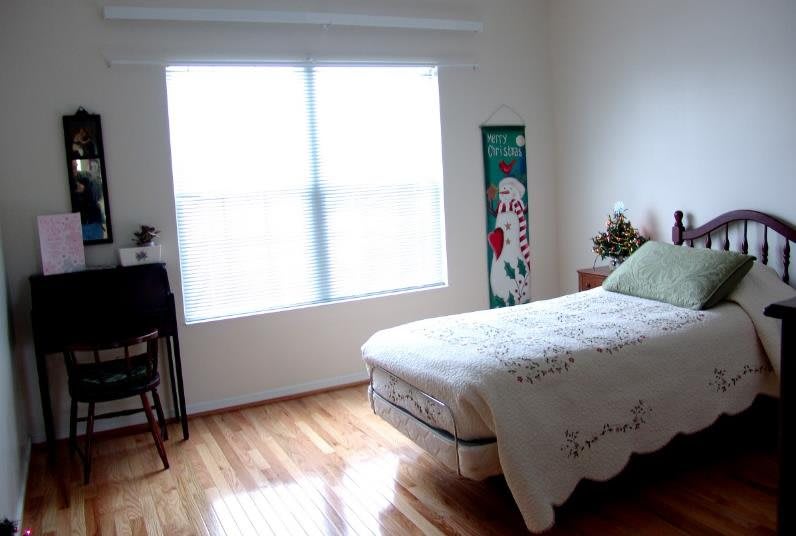
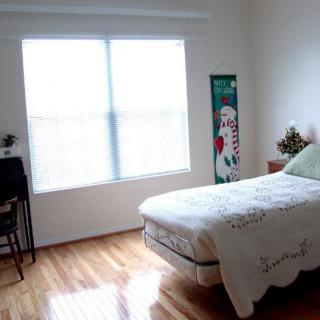
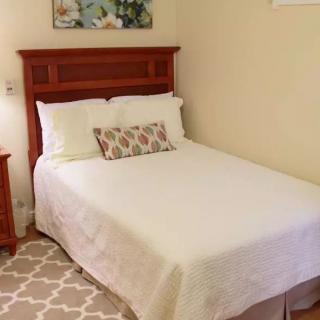
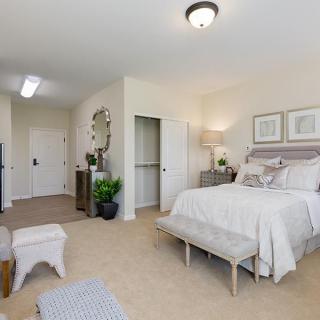
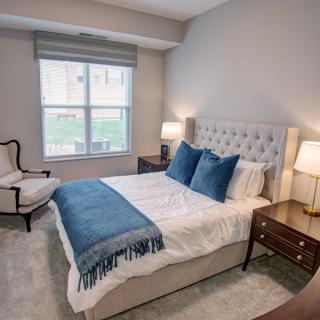
    A minimalist bedroom featuring a bed, desk, and large window with wooden flooring.
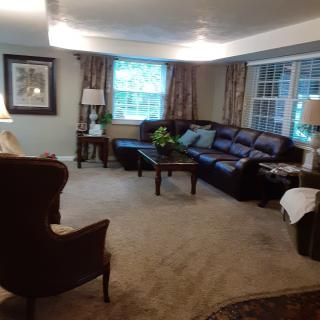
  • Living Room

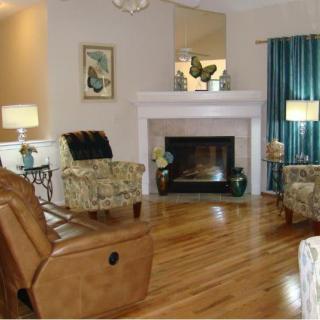
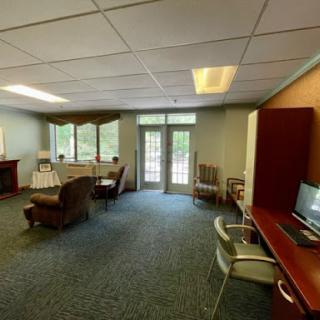
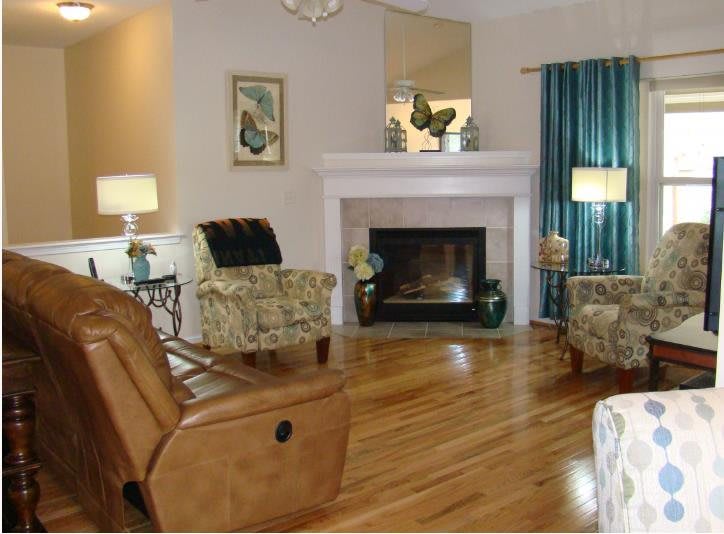
    A cozy living room featuring comfortable armchairs, a fireplace, and wooden flooring.
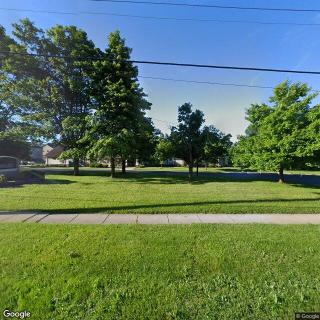
  • Trees

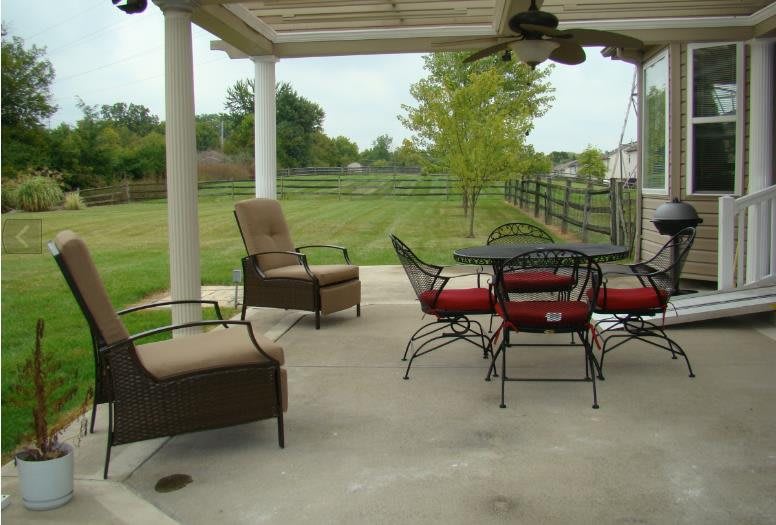
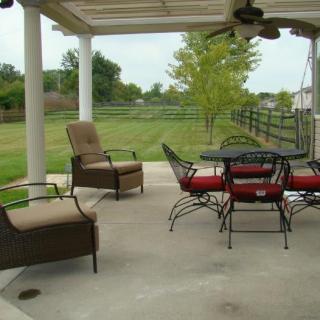
    A covered patio with outdoor furniture and a ceiling fan overlooking a backyard.
  • Landscaping

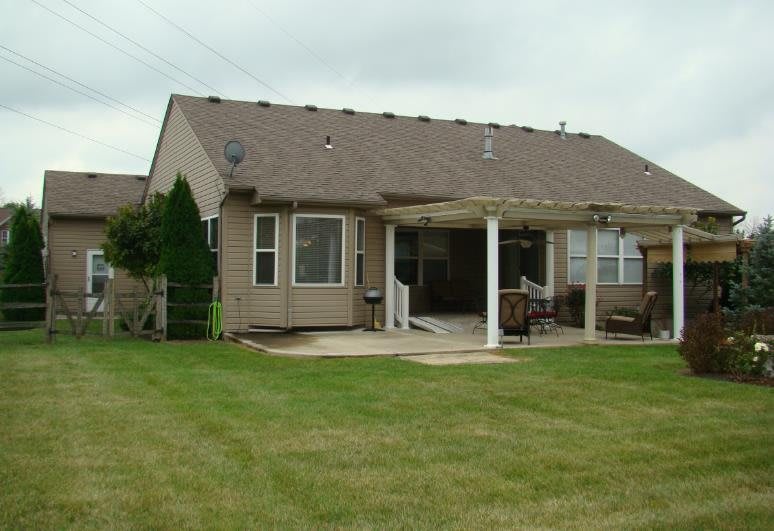
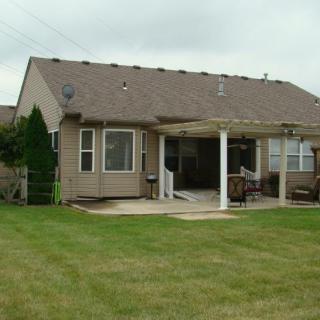
    A suburban backyard featuring a house with a patio and pergola, surrounded by a well-maintained lawn.
  • Kitchen

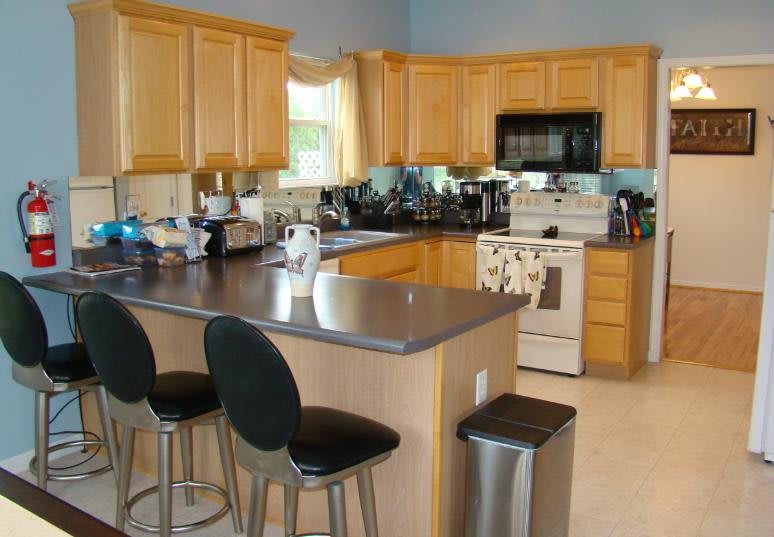
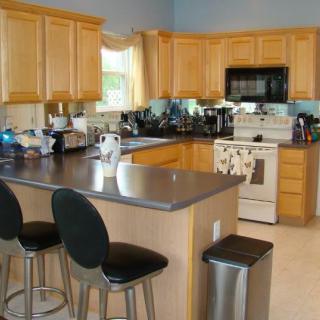
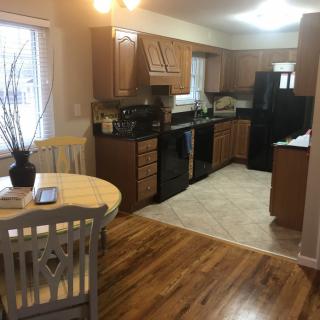
    A modern kitchen featuring light wood cabinets, dark countertops, and stainless steel appliances with bar stools at the island.
  • Bathroom

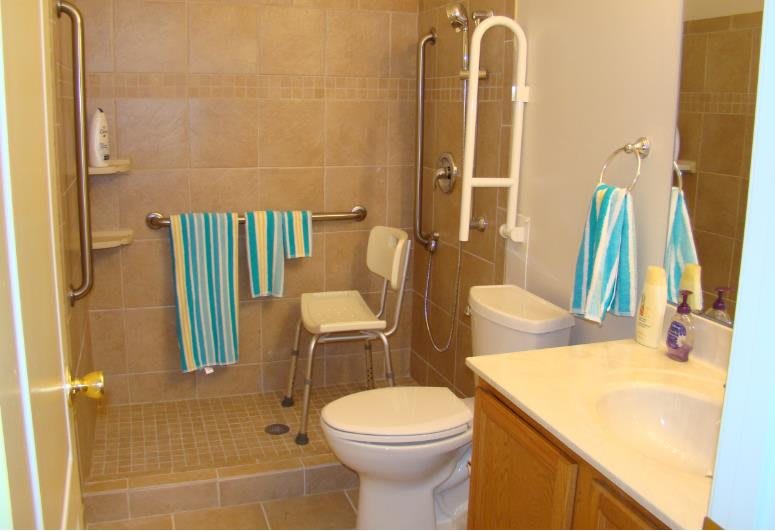
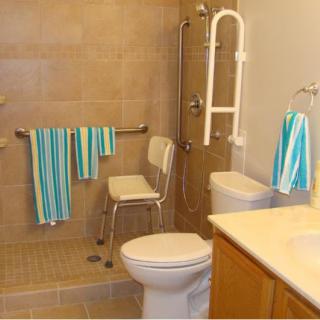
    An accessible bathroom equipped with a shower chair, grab bars, and neatly hung striped towels.
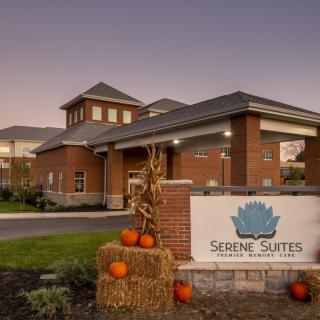
  • Garage

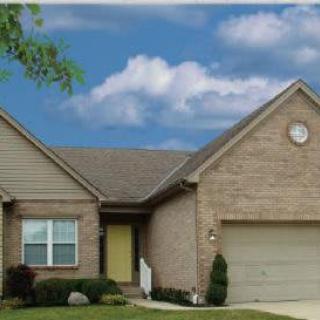
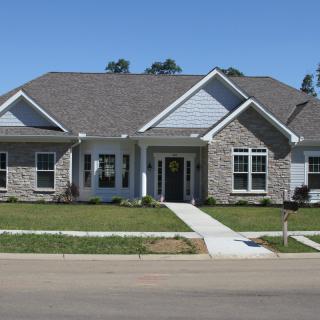
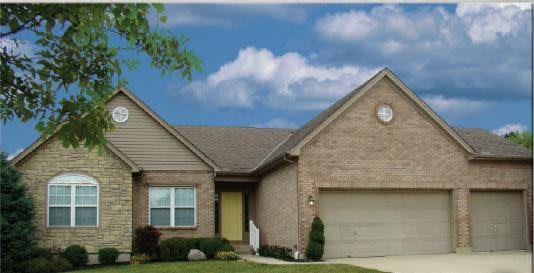
    A suburban house with a brick exterior and attached garage under a cloudy sky.

Personal Senior Care Homes - Senour in West Chester, OH

5940 E Senour Dr, West Chester, OH 45069

For more information about senior living options: (844) 490-3973

4.1 from 63 reviews
5 stars
46
4 stars
3
3 stars
2
2 stars
1
1 stars
11

Board and Care Home Memory Care

Personal Senior Care Homes - Senour Costs & Pricing

Personal Senior Care Homes - Senour offers a range of options for seniors, with costs reflecting the quality and level of care provided. For a semi-private room, residents can expect to pay $6,000 per month, which is significantly higher than the average in Hamilton County at $4,617 and in Ohio at $3,965. The facility's one-bedroom suites are priced at $7,000, also surpassing local county rates of $4,174 and state averages of $3,712. Similarly, for private rooms priced at $7,000, clients find themselves above both county averages ($5,246) and state benchmarks ($4,771). These pricing structures suggest that while Personal Senior Care Homes - Senour may come at a premium compared to regional averages, they likely offer enhanced services and amenities that justify the costs.

Floor plansPersonal Senior Care Homes - SenourHamilton CountyOhio
Semi-Private$6,000$4,617$3,965
1 Bedroom$7,000$4,174$3,712
Private$7,000$5,246$4,771

Overall Review of Personal Senior Care Homes - Senour

Pros

  • pro The staff provide attentive, personal, and loving care to residents.
  • pro The homes feel like real, family-oriented residences where residents are loved as family.
  • pro Meals are home-cooked and personalized for each resident.
  • pro The facility is clean and safe, with secure doors and controlled access.
  • pro Families and friends are welcome to visit, creating a warm, welcoming community.
  • pro There is always at least one aide on duty, with a nurse on-call to support residents.
  • pro Hospice care can be coordinated onsite, allowing residents to age in place with medical support.
  • pro The environment is home-like and less institutional, reducing anxiety and promoting comfort.
  • pro The care team is described as compassionate, patient, and dedicated by families and staff.

Cons

  • pro The reviewer would give the facility zero.
  • pro The facility wouldn't allow a loved one to live there.
  • pro The owner and company are not trustworthy and have taken advantage of families, including lying about reimbursements.
  • pro They failed to respond to multiple text messages and voicemails.
  • pro The owner runs the business unprofessionally, with discrepancies between the owner and staff.
  • pro The license had expired for two years, and the owner lied about its validity.
  • pro A dying loved one was not allowed to be visited by a caregiver who cared for them.
  • pro The staff-to-resident ratio is inadequate, with too few aides and too heavy a workload.
  • pro The food was mediocre and refrigerators were sometimes bare.

Review

This community is best suited for families seeking a true home-like, boutique option for a loved one who benefits from intimate, high-touch care in a small-house setting. PSCH Senour specializes in a 4-bedroom house with a maximum of five residents, delivering a feel of "one-on-one" attention that few larger facilities can match. The model works particularly well for residents with memory challenges who crave routine, predictable surroundings, home-cooked meals, and frequent, personal interaction with caregivers. Families repeatedly note the warmth of the staff, the presence of an on-site nurse or on-call nursing support, and the ability to bring in hospice and doctors to age in place. For dementia and Alzheimer's care, the home atmosphere, limited stimuli, and consistent caregiver relationships can translate into better daily comfort and fewer agitation episodes than institutional settings.

But there are real caveats that families should weigh carefully. Several reviews raise red flags about business practices and governance, including disputes over licensing status and payment. Allegations that licenses were expired and deposits or refunds were mishandled surface repeatedly, creating a trust risk that can overshadow excellent bedside care. In addition, communication gaps and inconsistent follow-through on promises have left some families feeling uncertain about stability and long-term commitments. These concerns are amplified by references to price changes and staffing challenges, especially after hours, which can be critical for families evaluating a long-term placement. Prospective residents need a clear, written understanding of financial terms and license status before committing.

When the positives are weighed against the negatives, the core pros can still outweigh the cons for the right resident and family - provided certain guardrails are in place. The intimate 1:5 caregiver-to-resident ratio, the presence of a nurse on-site or readily available, and the proactive involvement of doctors and hospice in the home all directly address daily care needs and medical oversight in meaningful, tangible ways. The home setting promotes calmer routines, familiar dining experiences, and social connection through shared living spaces. For families who value personalized care, real-time responsiveness, and the comfort of a small, family-like environment, these advantages often translate into superior day-to-day well-being for residents with manageable medical complexity.

Operationally, the house model translates into both wins and strain. On the plus side, the environment feels less like an institution and more like a private residence where meals can be tailored, residents can socialize in a living room, and staff can cultivate genuine relationships. The ability to bring in a doctor or hospice and to coordinate home-based services strengthens this advantage. On the downside, the lean staffing reality - one aide for up to five residents at times, with gaps after typical business hours - makes consistent monitoring and rapid response more challenging. Some reviewers point to safety concerns, such as thresholds and the need for robust fall-prevention measures, underscoring that small homes require vigilant leadership and reliable scheduling to prevent lapses.

For families navigating this decision, a practical, issue-focused checklist matters as much as the warmth and testimonials. Verify that the license is current and that there is transparent documentation of licensing, inspection reports, and any past enforcement actions. Ask for a detailed, written care plan that specifies hourly staffing, what activities are possible, and how emergencies are managed after hours. Request a clear financial contract with itemized charges, deposit policies, and a plan for addressing potential price increases or service changes. Speak with current residents or families to understand daily life, and request in-person tours during different times of day to observe staffing patterns. Finally, confirm the owner's accessibility and the process for escalating concerns, since reliability in governance profoundly affects the care experience.

In the end, PSCH Senour offers a compelling fit for families prioritizing a genuine home atmosphere, highly personalized attention, and dementia-capable care within a small, neighborly setting. It is not the place for those who require unwavering, institution-grade medical oversight, perfect pricing transparency, and perfectly consistent leadership without questions. For these reasons, alternatives - larger, more regulated memory-care communities or traditional nursing facilities with robust administration and clearer licensing histories - should be considered. A measured visit, candid conversations about licensing and finances, and a clear demonstration of daily operation will reveal whether the boutique model aligns with the resident's needs, or if a more structured environment is the prudent path.

Features

Types of Care

  • Board and Care Home Board and Care HomeBoard and care homes provide a smaller, more intimate setting for seniors who require assistance with daily tasks but do not need the level of care offered by a nursing home. They offer personalized care, meals, and social activities in a homelike environment, ensuring that seniors receive individualized attention and support in their golden years.
  • Memory Care Memory CareMemory care is crucial for seniors as it provides specialized support and services for individuals with dementia or Alzheimer's disease. These programs offer a safe and secure environment where residents receive personalized care, cognitive stimulation, and help with daily activities. Memory care helps seniors maintain their independence, quality of life, and dignity while also providing peace of mind for their families.

Pets

  • Dogs allowed Dogs allowed"Pet friendly" senior living communities are important for seniors because pets provide companionship, reduce feelings of loneliness and depression, promote physical activity and mental stimulation, and offer a sense of purpose and responsibility. Pets can improve overall well-being and quality of life for seniors in many ways.

Amenities

  • Activities off-site Activities off-siteEngaging in off-site activities is crucial for seniors to maintain social connections, stay active, and stimulate their minds. It promotes overall well-being and helps combat feelings of isolation and loneliness.
  • Activities on-site Activities on-siteActivities on-site are important for seniors because they provide opportunities for socialization, mental stimulation, physical activity, and overall well-being. Engaging in activities can help seniors stay active, maintain their independence, and improve their quality of life.
  • Air-conditioning Air-conditioningAir conditioning is important for seniors as they are more vulnerable to heat-related illnesses and may have underlying health conditions that make it difficult for them to regulate their body temperature. It helps to keep them comfortable, safe, and healthy in hot weather.
  • Cable or satellite TV Cable or satellite TVCable or satellite TV is important for seniors because it provides entertainment, news, and companionship, helping to combat loneliness and boredom. It also offers a wide range of programming options tailored to different interests and preferences.
  • Devotional services on-site Devotional services on-siteDevotional services on-site provide seniors with spiritual support and a sense of community, as well as an opportunity for reflection and guidance during their senior living experience. This can promote emotional well-being and connection to others, leading to a more fulfilling and enriching lifestyle in their later years.
  • Full kitchen Full kitchenHaving a full kitchen in a senior living facility is important for seniors because it allows them to maintain their independence and prepare their own meals. This promotes healthy eating habits, saves money on dining out, and provides a sense of familiarity and comfort for residents.
  • Ground floor units Ground floor unitsGround floor units are important for seniors because they provide easy accessibility, reduced risk of falls and injuries, and convenience for those with mobility issues. Seniors can avoid climbing stairs or using elevators, making daily tasks and activities more manageable and enjoyable.
  • Handicap accessible Handicap accessible"Handicap accessible" amenities are crucial for seniors to ensure they can easily navigate and access facilities, services, and activities without barriers or limitations due to physical impairments. This promotes independence, safety, and inclusivity for seniors in senior living communities.
  • Indoor common areas Indoor common areasIndoor common areas are crucial for seniors as they provide a space for socialization, recreation, and community engagement, promoting overall well-being and reducing feelings of isolation and loneliness.
  • Kitchenette KitchenetteKitchenettes are important for seniors living in senior living communities because they provide the convenience and independence of being able to prepare simple meals and snacks in the comfort of their own living space. This can help promote a sense of autonomy and well-being for seniors, allowing them to maintain some level of control over their dietary choices and daily routines.
  • Outdoor common areas Outdoor common areasOutdoor common areas are important for seniors as they provide a space for socialization, physical activity, and relaxation. Being outside in nature can improve mood and overall well-being, while also encouraging movement and engagement with others. These spaces can help combat feelings of isolation and promote a sense of community among residents.
  • Private PrivatePrivacy is important for seniors as it allows them to maintain their independence, dignity, and sense of control over their own lives. It also gives them the space and freedom to relax, reflect, and engage in activities that bring them joy and fulfillment. Creating private spaces within senior living facilities is crucial for promoting overall well-being and quality of life.
  • Private bathrooms Private bathroomsPrivate bathrooms are important for seniors in senior living communities because they provide independence, dignity, and comfort. Having a private bathroom allows seniors to maintain their personal hygiene routines without the need for assistance, promoting a sense of autonomy and privacy. Additionally, private bathrooms help prevent the spread of infections and provide a safe and clean environment for seniors to navigate safely.
  • Respite or short term stays offered Respite or short term stays offeredRespite or short term stays provide seniors with a temporary solution when their regular caregiver is unavailable, offering them the opportunity to receive additional care and support during times of need, while also giving caregivers a chance to rest and recharge.
  • Wheelchair accessible showers Wheelchair accessible showersWheelchair accessible showers are crucial for seniors as they provide a safe and independent bathing option for those with mobility challenges. These showers help prevent falls and allow seniors to maintain their dignity and autonomy while ensuring they can bathe comfortably.
  • Wi-Fi/high-speed internet available Wi-Fi/high-speed internet availableWi-Fi/high-speed internet is important for seniors to stay connected with loved ones, access online resources, and participate in virtual activities to combat feelings of loneliness and isolation. It also allows them to easily manage healthcare needs, access entertainment, and engage in lifelong learning opportunities.

Care Services

  • Diabetic care Diabetic careDiabetic care is crucial for seniors as they are more susceptible to developing diabetes due to aging and other health conditions. Proper management of diabetes can help prevent complications such as heart disease, vision loss, and nerve damage, improving the overall quality of life for seniors in senior living communities.
  • High acuity care High acuity careHigh acuity care is important for seniors because it provides specialized medical attention and support for individuals with complex medical needs. This level of care ensures that seniors receive the appropriate treatment and assistance to maintain their health and quality of life as they age.
  • Incontinence care Incontinence careIncontinence care is essential for seniors to maintain their dignity, hygiene, and overall quality of life. By addressing incontinence issues promptly and effectively, seniors can enjoy a sense of independence and comfort in their daily activities.
  • Medication management Medication managementMedication management is crucial for seniors to ensure they are taking the right medications at the correct dosages and times. This helps prevent adverse drug interactions, reduces the risk of medication errors, and promotes overall health and well-being. Proactive management also allows for adjustments as needed based on changing health conditions or new prescriptions.

Dining

  • Anytime dining Anytime diningAnytime dining is important for seniors because it allows them the flexibility to eat when they are hungry, rather than being restricted to set meal times. This can be especially beneficial for those with medical conditions or medications that affect their appetite, as well as those who may have difficulty adhering to a strict dining schedule. Overall, anytime dining promotes independence and overall well-being for seniors in senior living communities.
  • Gluten-free Gluten-freeGluten-free options are important for seniors as they are more prone to digestive issues and dietary sensitivities. Offering gluten-free meal choices in senior living communities can help improve their overall health and well-being.
  • Guest meals Guest mealsGuest meals are important for seniors living in senior living communities because they provide an opportunity for socialization and companionship. Sharing a meal with friends, family, or new acquaintances can help combat feelings of loneliness and isolation, promote a sense of community, and enhance overall well-being. Additionally, guest meals allow seniors to enjoy delicious food in a comfortable setting without the hassle of cooking or cleaning up, making dining a pleasurable and stress-free experience.
  • Kosher KosherKosher options are important for seniors because they adhere to dietary laws that are significant to many Jewish individuals, providing them with peace of mind and an opportunity to maintain their cultural traditions and beliefs while living in a senior living community.
  • Low / no sodium Low / no sodiumLow/no sodium options are important for seniors because excessive sodium intake can lead to high blood pressure, heart disease, and other health issues commonly experienced by older adults. By choosing low/no sodium foods, seniors can better manage their health and reduce their risk of developing these conditions.
  • Meals provided Meals provided"Meals provided" are crucial for seniors in assisted living communities as it ensures they have access to nutritious, balanced meals without the stress of meal planning and preparation. This can help promote overall health and well-being for seniors who may have limited mobility or cognitive abilities.
  • No Sugar No SugarNo sugar diets are important for seniors because they can help prevent or manage chronic conditions such as diabetes, heart disease, and obesity. Sugar can also contribute to cognitive decline and inflammation in the body, so reducing sugar intake can lead to overall improved health and well-being in older adults.
  • Professional chef Professional chefProfessional chefs are important for seniors living in senior living communities because they provide nutritious and delicious meals that cater to their dietary needs and preferences. A professional chef can ensure that seniors are receiving balanced, flavorful meals that support their overall health and well-being.
  • Room service Room serviceRoom service is important for seniors in a senior living community because it provides convenience and allows them to have their meals delivered directly to their room. This can be especially beneficial for seniors who may have mobility issues or difficulty accessing the dining area. Room service ensures that seniors are able to receive nutritious meals without having to navigate through the facility, allowing them to maintain their independence and overall well-being.
  • Special dining programs Special dining programsSpecial dining programs are important for seniors because they provide nutritious meals tailored to their dietary needs and preferences. These programs also offer socialization opportunities, promote overall health and well-being, and can help prevent malnutrition.
  • Vegan VeganVegan diets can provide numerous health benefits for seniors, including lower risk of chronic diseases, improved digestion, and increased energy levels. Additionally, plant-based diets are often rich in essential nutrients that can support overall well-being and longevity in older adults.
  • Vegetarian VegetarianA vegetarian diet is important for seniors because it can help lower the risk of chronic diseases, maintain a healthy weight, and provide essential nutrients needed for aging bodies. Additionally, plant-based diets are often easier on digestive systems and can contribute to overall well-being in older adults.

Activities

  • Activities off-site Activities off-siteEngaging in off-site activities is crucial for seniors to maintain social connections, stay active, and stimulate their minds. It promotes overall well-being and helps combat feelings of isolation and loneliness.
  • Activities on-site Activities on-siteActivities on-site are important for seniors because they provide opportunities for socialization, mental stimulation, physical activity, and overall well-being. Engaging in activities can help seniors stay active, maintain their independence, and improve their quality of life.
  • BBQs or picnics BBQs or picnicsBBQs or picnics provide seniors with social interaction, enjoyment of the outdoors, and a sense of community, contributing to their overall well-being and quality of life.
  • Bible study group Bible study groupBible study groups provide seniors with a sense of community, spiritual growth, and support during their later years. It helps them stay connected to their faith, find comfort in difficult times, and build meaningful relationships with others.
  • Birthday parties Birthday partiesBirthday parties are important for seniors as they provide an opportunity for celebration, socialization, and joy. They allow seniors to feel special and appreciated, boosting their mood and overall well-being. Additionally, birthday parties can help combat feelings of isolation and loneliness by fostering connections with friends, family, and community members.
  • Devotional activities on-site Devotional activities on-siteDevotional activities on-site provide seniors with a sense of community, spiritual fulfillment, and emotional support, promoting overall well-being and a positive sense of purpose in their lives.
  • Holiday parties Holiday partiesHoliday parties are important for seniors because they provide opportunities for socialization, community involvement, and mental stimulation. These festive events offer a sense of belonging and connection during a time that can be lonely for many older adults. Additionally, participating in holiday celebrations can boost mood and overall well-being for seniors living in senior living communities.
  • Light therapy programs Light therapy programsLight therapy programs are important for seniors because they can help improve mood, regulate sleep patterns, and reduce symptoms of depression and anxiety. Exposure to natural light can also have positive effects on cognitive function and overall well-being in older adults.
  • Other religious services Other religious servicesOther religious services are important for seniors as they provide a sense of community, spiritual comfort, and opportunities for socializing. These services can help seniors feel connected to their faith and maintain a sense of purpose and belonging in their later years.
  • Resident band or musicians Resident band or musiciansResident bands or musicians provide entertainment, socialization, and a sense of community for seniors in senior living communities. Music has been proven to have numerous health benefits including reducing stress, improving mood, and enhancing cognitive function. Having regular musical performances can greatly enhance the quality of life for seniors and create a welcoming and enjoyable atmosphere.
  • Visiting chaplain or priest Visiting chaplain or priestHaving a visiting chaplain or priest at a senior living community is important for seniors because it provides spiritual support, comfort, and guidance during a time of life that can be challenging and uncertain. Their presence can help seniors feel connected to their faith, find peace of mind, and cope with the emotional and mental struggles they may face in their later years.

Description

Personal Senior Care Homes - Senour in West Chester, OH is a memory care assisted living community designed to provide exceptional care for seniors with Alzheimer's disease or other forms of dementia. Our community offers a range of amenities and services to ensure the comfort, safety, and well-being of our residents.

Our spacious and comfortable living spaces are fully equipped with air-conditioning, cable or satellite TV, and private bathrooms. Each unit is located on the ground floor and is wheelchair accessible, including the showers. Residents have access to indoor common areas where they can socialize with fellow residents and participate in various activities. Wi-Fi/high-speed internet is available throughout the community.

At Personal Senior Care Homes - Senour, we understand the specialized needs of individuals with memory impairments. Our highly trained staff provides high acuity care and assists with managing medication and incontinence care. We prioritize creating a safe environment that promotes independence while also ensuring individualized support for each resident.

We believe that good nutrition plays a crucial role in overall health and well-being. Our professional chef prepares delicious meals daily, catering to specific dietary requirements such as gluten-free, kosher, low/no sodium, no sugar, vegan, and vegetarian options. Residents can enjoy their meals either in our dining area or opt for room service for added convenience.

Staying active and engaged is essential for maintaining cognitive function and overall happiness. We offer a variety of on-site activities to stimulate the mind and body such as BBQs or picnics, birthday parties, light therapy programs, devotional activities on-site including Bible study groups and religious services led by visiting chaplains or priests. Residents can also enjoy nearby cafes, parks for outdoor relaxation/exercise opportunities.

In close proximity to Personal Senior Care Homes - Senour are several amenities that enhance residents' quality of life. There are numerous pharmacies conveniently located nearby to ensure easy access to medications. Additionally, there are plenty of restaurants offering a variety of cuisines, theaters for entertainment, places of worship for spiritual needs, and hospitals for medical care.

At Personal Senior Care Homes - Senour, we are committed to providing a warm and welcoming environment where seniors with memory impairments can receive the specialized care they need while maintaining their dignity and independence. Come and experience our exceptional community that promotes well-being, engagement, and peace of mind.

Nearby Places of Interest

This part of West Chester, Ohio is a vibrant and diverse community with a variety of amenities to cater to your needs as a senior resident. With several places of worship nearby, you can easily continue practicing your faith. There are also numerous restaurants to enjoy dining out with friends and family, as well as pharmacies and hospitals for any medical needs. The area offers convenient access to healthcare providers such as physicians and specialists. For leisure activities, there are theaters for entertainment and parks for outdoor recreation. Additionally, transportation options are available for ease of travel. Overall, this part of West Chester provides a welcoming and convenient environment for seniors looking to settle down in the area.

Places of Worship

  • St Anne Episcopal Church (1 miles)
  • Four Corners Church (3.2 miles)
  • Mason Christs Church At (5.6 miles)
  • Heritage Presbyterian Church (6.4 miles)
  • Axis Christian Church (6.9 miles)

Restaurants

  • The Cone (1.6 miles)
  • Skyline Chili (2.1 miles)
  • Penn Station East Coast Subs (2.2 miles)
  • Dingle House (2.5 miles)
  • McDonald's (2.6 miles)
  • Agave & Rye (2.8 miles)
  • Kona Grill (2.8 miles)

Pharmacies

  • Walgreens (1.7 miles)
  • CVS Pharmacy (2.2 miles)
  • Walgreens (2.3 miles)
  • Walgreens (2.3 miles)
  • Walgreens (3.3 miles)
  • Walgreens (3.5 miles)
  • Home Care Pharmacy (4.3 miles)

Hospitals

  • Group Health Medical Center (1.9 miles)
  • West Chester Hospital (3.1 miles)
  • Cincinnati Children's Hospital Medical Center Liberty Campus (3.2 miles)
  • Butler County Medical Center (4.9 miles)
  • Cincinnati Children's Fairfield (6 miles)
  • Mercy Health Fairfield Hospital (6 miles)
  • Micu 4 (6.5 miles)

Cafes

  • Starbucks (1.9 miles)
  • Starbucks (2.7 miles)
  • Starbucks (3.5 miles)
  • Starbucks (4.9 miles)
  • Starbucks (6.8 miles)

Physicians

  • Wetherington Family Medicine (2.8 miles)
  • Mercy Medical Associates-Endocrinology (2.9 miles)
  • Mercy Health Partners Lab, X-ray (3 miles)
  • Orthopaedic & Sports Medicine (3.2 miles)
  • Cincinnati Arthritis Association (3.2 miles)
  • Ear Nose & Throat Specialists (4.8 miles)
  • DOCS - Dermatologists Of Central States (DSWO) - Mason (5 miles)

Theaters

  • AMC West Chester 18 (3 miles)
  • Showcase Cinema de Lux Springdale 18 (5.4 miles)

Parks

  • Voice of America Park (3.6 miles)
  • Rentschler Forest Preserve Ranger Sta (5.6 miles)
  • Sharon Woods Park (5.9 miles)
  • Cottell Park (6.4 miles)
  • Fleckenstein Park (6.7 miles)

Transportation

  • U-Haul Moving & Storage (7 miles)

Frequently Asked Questions

How much does it cost to live at Personal Senior Care Homes - Senour in West Chester, OH?
Where is Personal Senior Care Homes - Senour?
Does Personal Senior Care Homes - Senour provide care for residents with dementia or Alzheimer's disease?
Does Personal Senior Care Homes - Senour allow residents to have pets?
What photos are available for Personal Senior Care Homes - Senour in West Chester, Ohio?

Nearby Communities

  • Personal Senior Care Homes - Birkdale

    Personal Senior Care Homes - Birkdale

    West Chester, OH

    3.6 from 26 reviews
    $6,000 to $7,000 / month

    pro Memory-care focused community with on-site activities and varied dining.

  • Villas at Park Place

    Villas at Park Place

    West Chester, OH

    4.7 from 78 reviews
     

    pro Comprehensive care services with dietary accommodations and strong local healthcare access.

  • Visiting Angels

    Visiting Angels

    West Chester, OH


    pro Excellent access to nearby amenities (cafes, pharmacies, physicians, restaurants, theaters, hospitals) for convenient living

  • Provision Living at West Chester

    Provision Living at West Chester

    West Chester Township, OH

    4.8 from 44 reviews
    $4,000 to $6,000 / month

    pro Caring staff in a bright, hotel-like setting with strong safety measures and family communication.

  • West Chester Assisted Living and Memory Care

    West Chester Assisted Living and Memory Care

    West Chester, OH

    3.9 from 48 reviews
    $3,650 to $5,240 / month

    pro Friendly, attentive staff and clean, well-equipped facilities with engaging activities.

  • Comfort Keepers of West Chester,  OH

    Comfort Keepers of West Chester, OH

    West Chester Township, OH

    4.9 from 38 reviews
     

  • StoryPoint Fairfield

    StoryPoint Fairfield

    Fairfield Township, OH

    4.7 from 195 reviews
    $3,720 to $4,650 / month

    pro Friendly, professional staff in a clean, amenity-rich community.

  • Buckeye Forest at Fairfield

    Buckeye Forest at Fairfield

    Fairfield, OH

    3.1 from 109 reviews
    $2,139 to $2,852 / month

    pro Friendly staff and spacious living areas

  • Brookwood Retirement Community

    Brookwood Retirement Community

    Cincinnati, OH

    3.1 from 119 reviews
    $1,600 to $4,000 / month

    pro Responsive staff and engaging activities in a comfortable setting.

Related Resources

  • list of drugs linked to dementiaMedications Associated with Dementia Risk: A Comprehensive Overview

    The article examines the link between certain medications and increased dementia risk, particularly in older adults, emphasizing that long-term or high-dose use of anticholinergics, benzodiazepines, and other drug classes can exacerbate cognitive impairment. It calls for careful medication evaluation and shared decision-making to mitigate these risks while managing treatment efficacy.

  • power of attorney for elderly parentGuiding Your Journey: Understanding Power of Attorney for Elderly Parents

    The article emphasizes the significance of establishing a power of attorney for elderly parents to enable an agent to make decisions on their behalf regarding health and finances, especially during cognitive or physical decline. It outlines various types of power of attorney, the importance of consulting legal professionals, and the responsibilities and challenges faced by agents, while also discussing alternatives and common misconceptions.

  • caregiver support group22 Remarkable Caregiver Support Groups Available Online and In-Person
    Caregiver support groups are crucial for providing emotional and practical assistance to those caring for loved ones, offering resources, coping strategies, and a sense of community through various organizations and platforms. These groups help alleviate isolation and burnout while addressing the unique challenges faced by caregivers of individuals with specific conditions.