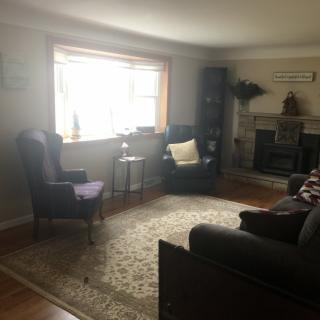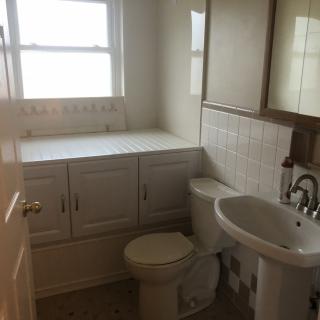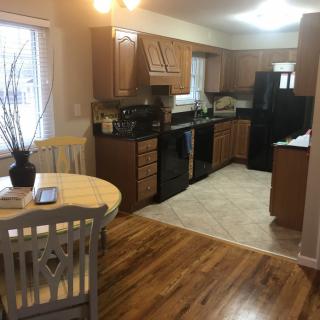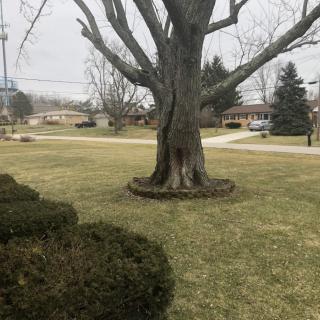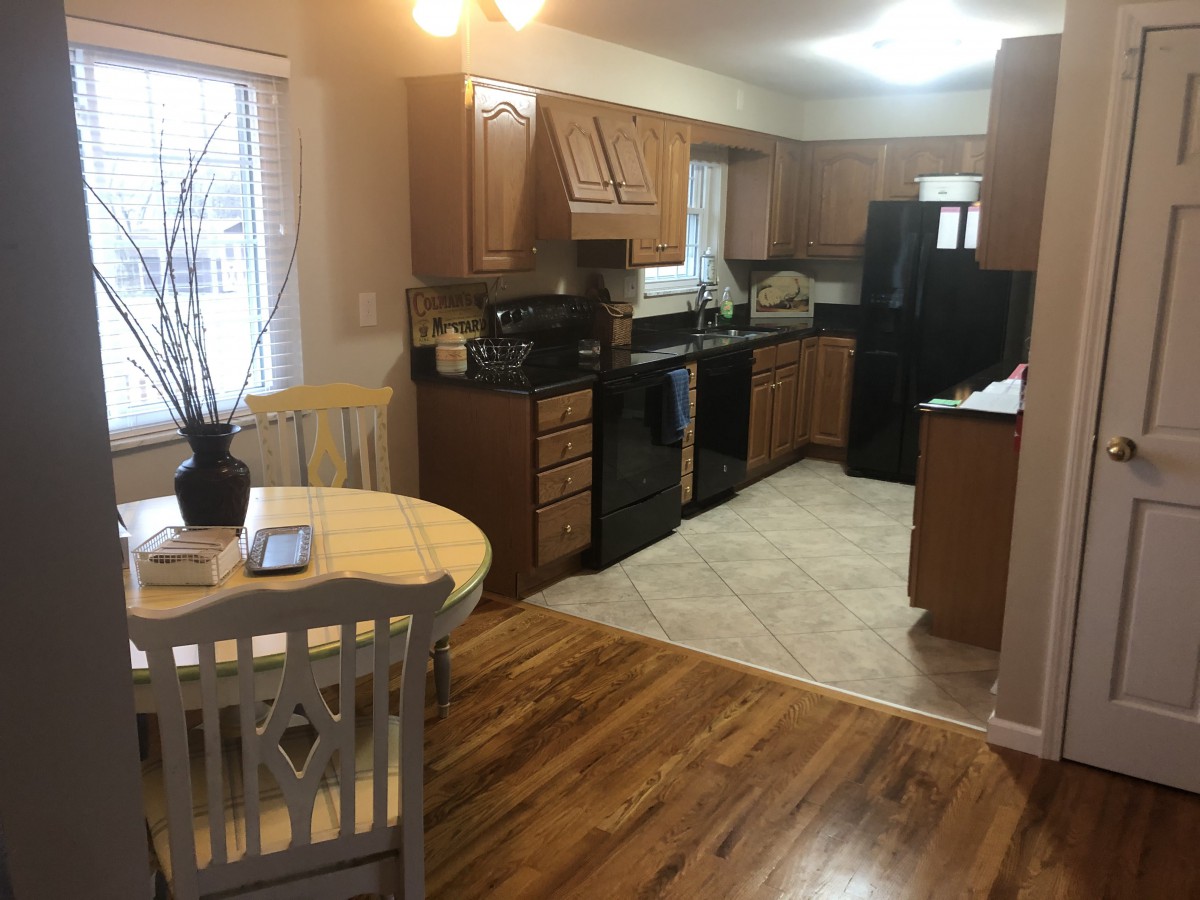
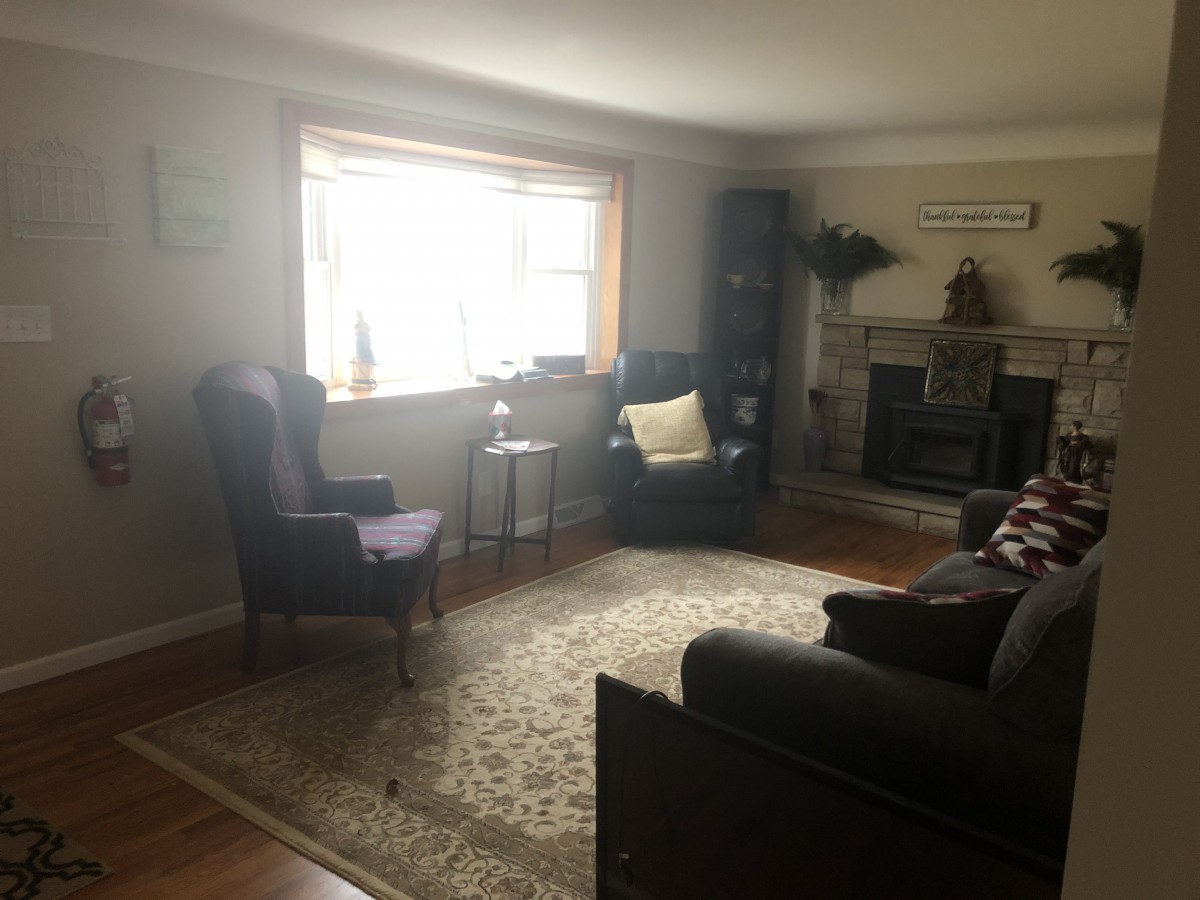
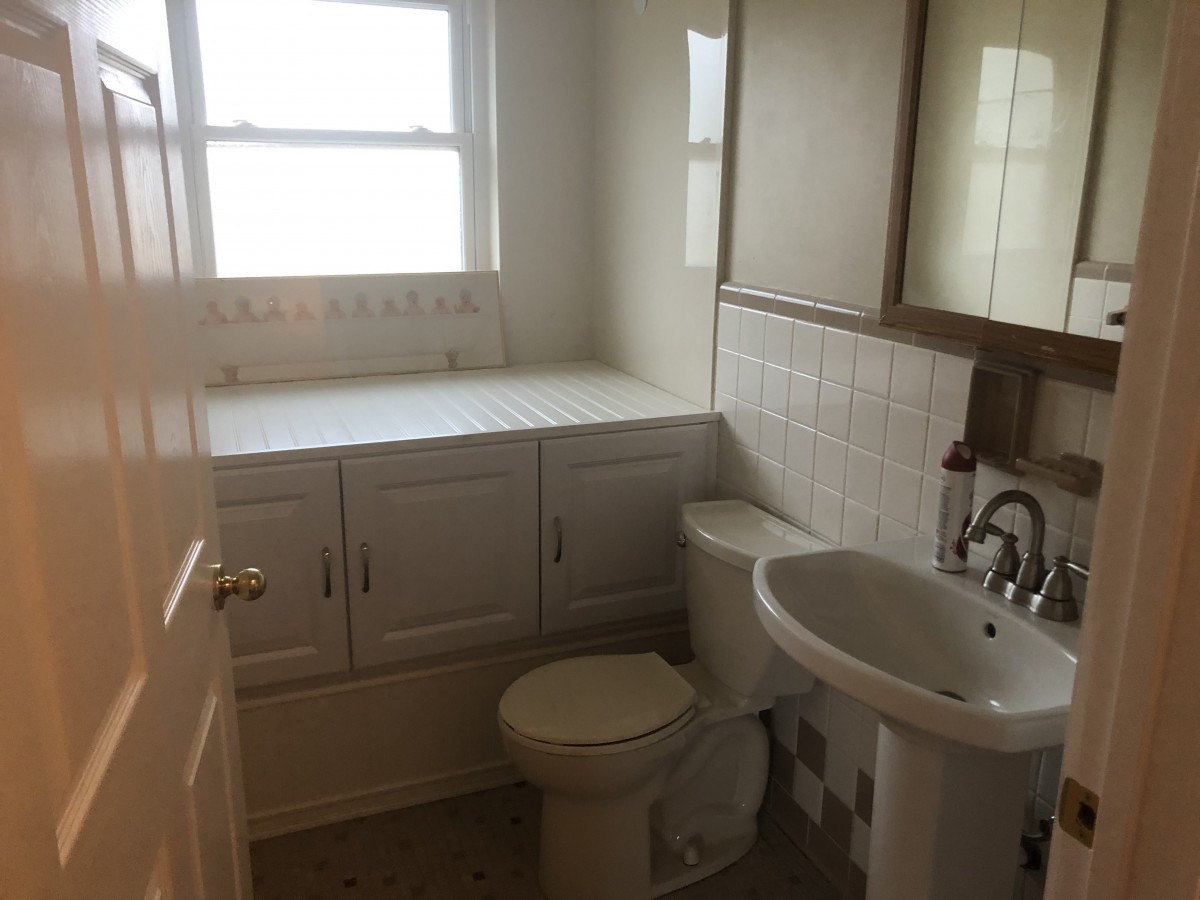
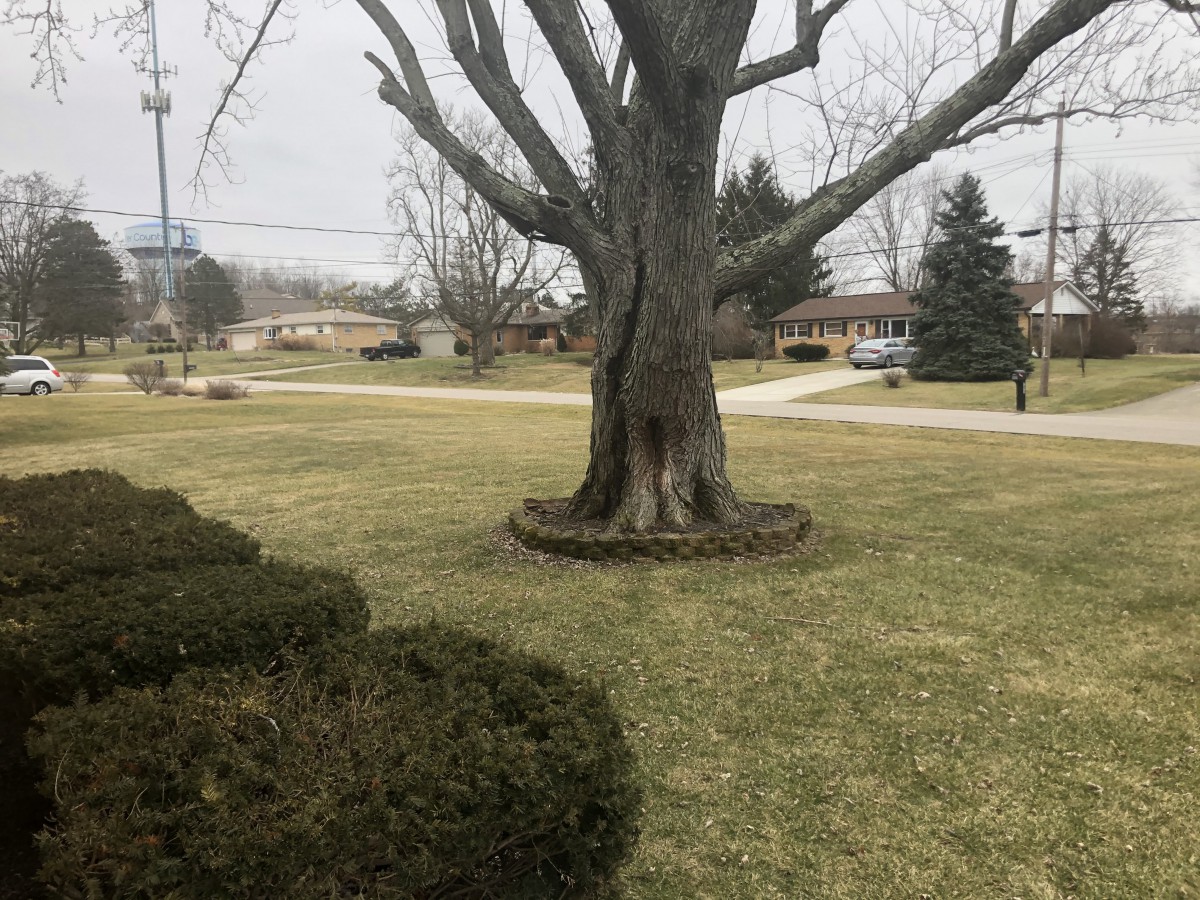
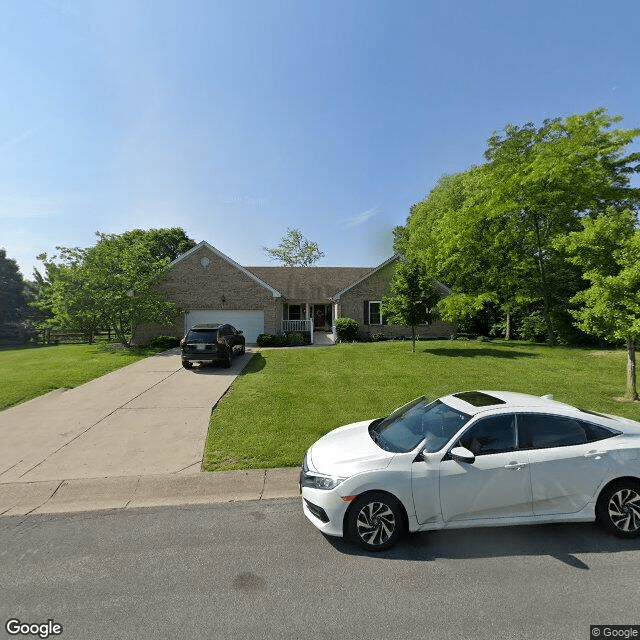
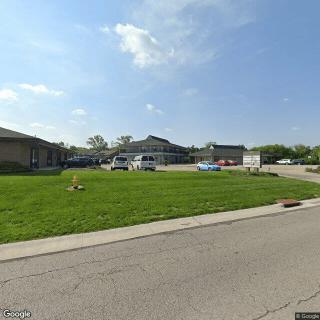
6229 Birkdale Dr, West Chester, OH 45069
To contact a resident: (513) 515-5018
For more information about senior living options: (866) 208-4318
Personal Senior Care Homes - Birkdale Costs & Pricing
At Personal Senior Care Homes - Birkdale, the costs for care reflect a higher price point compared to both Hamilton County and the broader state of Ohio. For a semi-private room, residents can expect to pay $6,000 per month, which is significantly above the county average of $4,617 and the state average of $3,965. The pricing remains consistent for one-bedroom accommodations at $7,000, surpassing Hamilton County's average of $4,174 and Ohio's $3,712. Additionally, private rooms are also priced at $7,000 per month, which exceeds Hamilton County's average of $5,246 and is higher than the state's average of $4,771. These rates reflect not only the quality of care provided but also the amenities and environment offered at Birkdale.
| Floor plans | Personal Senior Care Homes - Birkdale | Hamilton County | Ohio |
|---|---|---|---|
| Semi-Private | $6,000 | $4,617 | $3,965 |
| 1 Bedroom | $7,000 | $4,174 | $3,712 |
| Private | $7,000 | $5,246 | $4,771 |
Memory care communities with a similar price nearby
-
from -$500 / mo
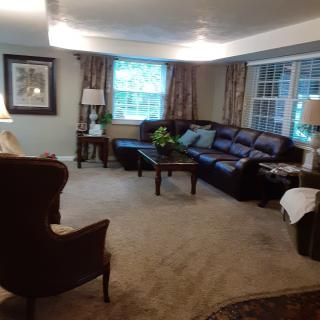
Home Sweet Home Adult Living
$5,500 to $6,900 / month19.6 miles away -
About the same
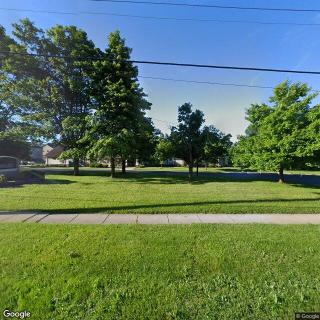
Close to Home
$6,000 / month9.5 miles away -
About the same

Serene Suites Premier Memory Care
$6,000 / month9.1 miles away -
from -$800 / mo
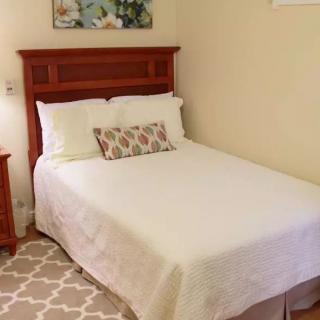
Artis Senior Living of Mason
$5,200 / month4.7 miles away -
from -$1000 / mo
Angels Care Family Homes Loveland
$5,000 to $6,950 / month12.9 miles away
Overall Review of Personal Senior Care Homes - Birkdale
Pros
 PSCH is described as a real home in a beautiful neighborhood where residents are loved as a real family, with home-cooked meals and almost one-on-one care.
- The facility is beautiful and provides personal care, just what families want for a loved one.
- PSCH is presented as a forward-thinking approach to senior care with a caring, compassionate, and highly competent home environment.
- The staff are great and the facilities are nice.
- The staff are friendly and caring, going above and beyond; it is described as one of the better facilities with good food.
- The team is wonderful, hardworking, and dedicated, with families trusting that loved ones will be cared for with respect and warmth.
- Compassionate and caring from the start, with the owner and staff meeting needs and maintaining a home-like atmosphere.
- It’s described as a big step up from traditional elder care, reassuring families that loved ones will be well cared for.
- The boutique approach offers 24-hour care, with residents living in real houses and genuine care.
- The team brings doctors, podiatrists, and even a stylist to the houses, enabling aging in place with hospice support.
- The environment conveys genuine love and care for residents, and visitors can feel the difference.
Cons
 The reviewer would give the facility zero stars.
- The company and owner are not trustworthy and have taken advantage of families in difficult situations.
- They were not prepared to handle dementia-related issues and placed a loved one in danger.
- They lied about reimbursements and have only partially reimbursed what was committed.
- They have not responded to texts or voicemails for over 30 days.
- The owner would not allow a once- loved caregiver to visit a dying husband.
Review
PSCH West Chester is best for families seeking a true home-setting memory-care option, where a loved one with Alzheimer’s or dementia can live in a real house with attentive, around-the-clock care. The boutique model appeals to those who want a neighborhood-feel, less clinical environment, and the flexibility to tailor daily routines, meals, and activities to individual needs. On-site nursing contact, access to doctors and specialists, and the option to bring hospice into the home make aging in place practical and humane. At the same time, this option is not ideal for families prioritizing rigid governance, complete transparency in billing, and a highly standardized daily schedule, areas where alternatives may offer more reassurance. Several reviewers have raised concerns about trust and financial handling by the owner, a reality that must be weighed against the care narrative.
The strongest positives center on a genuine home-like atmosphere and demonstrated compassion from staff. Residents benefit from what feels like real family involvement, with one-on-one attention, home-cooked meals, and a culture of warmth that many families find deeply comforting. The setting is repeatedly praised for being less overstimulating than traditional memory-care facilities, which supports calmer behavior and easier daily management for residents with memory challenges. A nurse’s presence, coupled with on-site access to doctors, podiatrists, and hospice services, reinforces the sense that care options are integrated and responsive rather than episodic. Communication is highlighted as a strength by families who receive photos, videos, and regular updates, helping to sustain trust even when gaps elsewhere arise.
Yet there are serious caution flags that cannot be ignored. Some reviews allege financial mismanagement by the owner, including unpaid bills and interrupted services, which strikes at the heart of the decision for many families. Reports of unreturned texts and voicemails during critical moments raise questions about responsiveness and reliability in crisis or transition periods. On the safety side, anecdotes about admitting residents whose behavioral or safety needs appeared ill-matched to a private home setting suggest gaps in screening and risk assessment. These concerns collectively shift the calculus: supportive, intimate care can quickly be undermined if governance and communication falter or if financial practices appear opaque or unstable.
From a dementia-care perspective, the boutique home model offers meaningful advantages. The environment supports lower stimulation levels, fewer residents per caregiver, and a highly personalized approach, benefits that can translate into steadier routines, reduced agitation, and stronger caregiver-resident bonds. The integration of nursing, physicians, and hospice into the home further strengthens dementia care when staff know residents’ histories and triggers. However, the risk of misalignment, such as admitting residents without adequate safeguards or failing to maintain consistent staffing, can erode these advantages. The best outcomes occur when a stable team remains engaged with each resident’s evolving needs and when admission criteria are clear and rigorously applied.
For families evaluating PSCH, practical due diligence is essential. Seek a transparent, itemized billing history and a clear reimbursement process; observe care routines and staffing patterns during tours; and talk with multiple current families to gauge consistency of care and communication, not just praising narratives. Request a formal, dementia-specific care plan that outlines emergency responses, daily schedules, and how external providers are coordinated. Confirm the on-site nursing presence and the regularity of doctor visits, and verify hospice compatibility. If these assurances prove inconsistent, it is prudent to explore alternatives that offer stronger governance, clearer financial accountability, and more predictable, documented processes.
In sum, PSCH West Chester delivers a compelling, home-first memory-care option for families who prize warmth, individualized attention, and a flexible lifestyle for their loved one. It is particularly suited to residents who thrive in a non-institutional setting with accessible healthcare services embedded in daily life. Those who require stringent oversight, airtight financial transparency, and highly standardized operations may find the risk signals too strong and should consider alternatives with more formal governance. The ultimate choice hinges on balancing the proven humanity and tailored care of a real-house model against concerns about ownership practices and communication, with thorough diligence as the deciding factor.
 Board and Care Home
 Memory Care
 Dogs allowed
 Activities on-site
 Air-conditioning
 Cable or satellite TV
 Devotional services off-site
 Full kitchen
 Ground floor units
 Handicap accessible
 Indoor common areas
 Outdoor common areas
 Private
 Private bathrooms
 Wheelchair accessible showers
 Wi-Fi/high-speed internet available
 Ambulatory care
 Diabetic care
 High acuity care
 Incontinence care
 Medication management
 Anytime dining
 BBQs or picnics
 Birthday parties
 Light therapy programs
 Live musical performances
 Visiting chaplain or priest


 Comprehending Evening Confusion in Dementia: Causes, Manifestations, and Support
 Delirium and Dementia: Unraveling the Key Differences
 Are Dementia and Alzheimer's Disease Lethal? A Comprehensive Exploration