
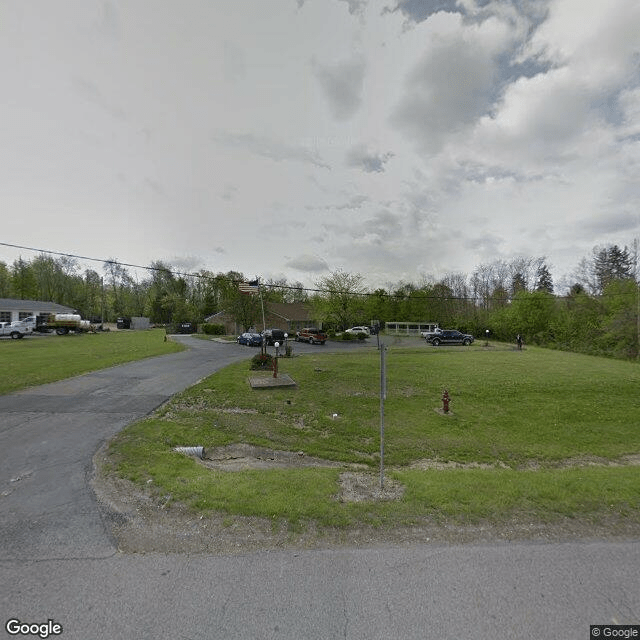
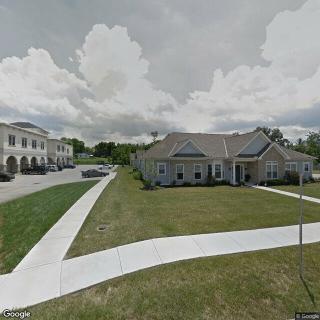
1659 State Route 28, Goshen, OH 45122
For more information about senior living options: (866) 208-4318
Mellon Ridge Alternative Living Solutions Costs & Pricing
Mellon Ridge Alternative Living Solutions offers competitive pricing for its studio accommodations, with a monthly cost of $2,550. This rate is significantly lower than the average costs in Warren County, which stands at $3,601, and even more so when compared to the broader state of Ohio, where the average is $3,727. This affordability positions Mellon Ridge as an appealing option for individuals seeking quality living solutions without overspending. The value provided through this pricing reflects a commitment to delivering accessible and supportive living arrangements in a nurturing environment.
| Floor plans | Mellon Ridge Alternative Living Solutions | Warren County | Ohio |
|---|---|---|---|
| Studio | $2,550 | $3,601 | $3,727 |
Assisted Living communities with a similar price nearby
-
from +$278 / mo
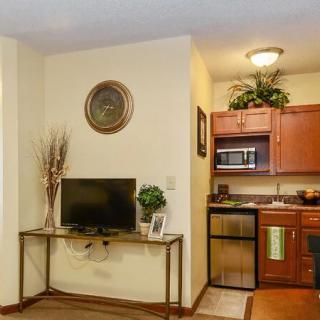
Fairfield Place
$2,828 to $4,317 / month20.1 miles away -
from +$223 / mo

Barrington of Fort Thomas
$2,773 to $3,995 / month18.4 miles away -
from -$126 / mo

Fairfield Pavilion
$2,424 to $3,171 / month20.2 miles away -
from -$500 / mo
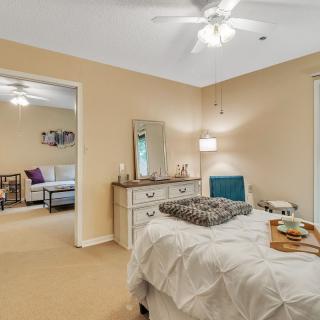
Northgate Park
$2,050 to $3,090 / month22.2 miles away -
from +$450 / mo

Spring Hills Middletown
$3,000 to $3,900 / month20.7 miles away
Overall Review of Mellon Ridge Alternative Living Solutions
Pros
 It is a very good place to live.
Cons
 They withhold residents' rights and funds.
- They force medications on residents.
- They punish residents for buying men's vitamins.
- The nurses are dirty and haggard, and the manager sugarcoats everything.
- They never did anything for LGBTQ residents.
- They treat residents like lab specimens and force irrelevant guardian recommendations.
- If they don't like a resident, they will do everything to get rid of them.
- They deliberately withhold food or sleep from residents.
- They treat residents as just another paycheck.
Review
This community is best suited for relatively independent seniors who want a straightforward, low-friction living arrangement and have strong family or guardian oversight to safeguard care. In practice, Mellon Ridge Alternative Living Solutions appears tolerable only when medical needs are light and daily routines can be managed with outside advocacy. It is not a fit for residents who require consistent medical oversight, sensitive handling of medications, or a respectful, inclusive culture. The reported red flags about rights protections and care quality are enough to redefine “best suited” as someone whose care team can supervise and intervene quickly if issues arise.
Those most likely to want alternatives are families facing potential rights violations, coercive care practices, or a pattern of neglect in staff behavior. If a resident relies on consistent, ethical treatment, transparent governance, and proactive communication from management, these red flags demand attention. LGBTQ residents, individuals with complex medical or guardianship arrangements, or anyone who cannot be physically or emotionally safeguarded by an attentive family member should look elsewhere. The combination of alleged medication pressure, guardianship pressures, and dismissive management responses is incompatible with a culture of person-centered care.
On the upside, at least one reviewer characterizes the community as a very good place to live in terms of basic comfort and day-to-day stability. That signal, however, is sharply countered by grave allegations: rights and finances being withheld, medication practices described as coercive, staff described as dirty or unprofessional, and a manager who allegedly minimizes concerns. The most troubling claims revolve around treating residents as mere problems to manage rather than individuals with dignity, including targeting LGBTQ residents and pushing unverifiable guardian decisions. When such credible concerns surface, the perceived value of the everyday living environment is dwarfed by the risk to safety, autonomy, and peace of mind.
Pros and cons must be weighed with care. The potential for a decent, stable daily routine exists, but the alleged misuse of authority and neglectful behaviors create a risk profile that far outweighs any comfort factor. The positives offer only a narrow cushion: a livable space and routine amenities without clear evidence of consistent, respectful care. The negatives, guardianship manipulation, medication coercion, sleep and feeding neglect, hygiene issues, and a management approach that appears to dismiss resident concerns, pose serious, ongoing risks to well-being. In practical terms, this means decisions should err on the side of caution.
For families evaluating options, use Mellon Ridge as a litmus test for transparency and accountability. Insist on reading policies governing medication administration, residents’ rights, and guardianship oversight; request copies of recent incident reports and state licensing inspections; speak with several staff members and, crucially, with current residents about daily experiences. Demand unannounced visits and a clear, written process for escalating concerns. If the facility cannot demonstrate robust oversight, transparent communication, and a culture of respect, alternatives with stronger reputations for ethical care are a safer bet.
The bottom line is cautious: Mellon Ridge Alternative Living Solutions may be a workable choice only for residents whose care can be closely supervised by family or guardians and who can tolerate limited oversight. For anyone needing reliable, compassionate, and rights-respecting care, the current signals point decisively toward exploring other communities first. If pursuing Mellon Ridge, enter with strict safeguards, a formal advocate, defined responses to grievances, and a timeline for visible improvements. Without demonstrable change in staff conduct, transparency, and resident autonomy, the risk to dignity and safety makes this option less viable than it may appear at first glance.
 30 resident community capacity
 Assisted Living
 Activities on-site
 Beauty salon
 Cable or satellite TV
 Devotional services off-site
 Dining room
 Fully furnished
 Garden
 Housekeeping services
 Indoor common areas
 Kitchenette
 Move-in coordination
 Outdoor space
 Restaurant-style dining
 Small library
 Telephone
 Wi-Fi/high-speed internet available
 24-hour call system
 Ambulatory care
 Assistance with bathing
 Assistance with dressing
 Assistance with transfers
 Diabetes diet
 Diabetic care
 Medication management
 Mental wellness program
 Special dietary restrictions






 Understanding the True Cost of Assisted Living in 2025: A Comprehensive Guide
 Understanding Medicaid Coverage for Assisted Living: A Comprehensive Guide
 How and When Medicaid May Cover Assisted Living Costs