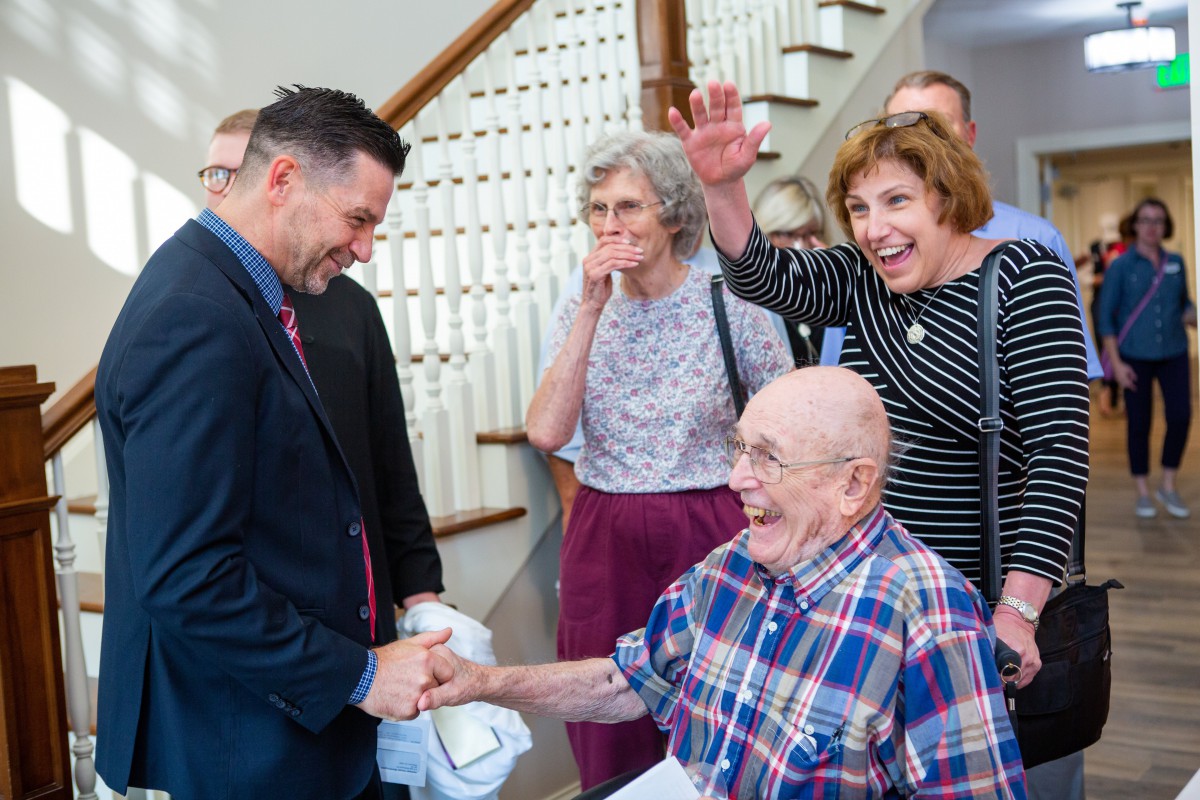
Kemper House Worthington

Save

  • Interior

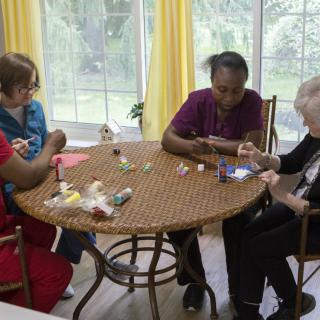
    A group of people enjoying a conversation around a table in a well-lit dining area.
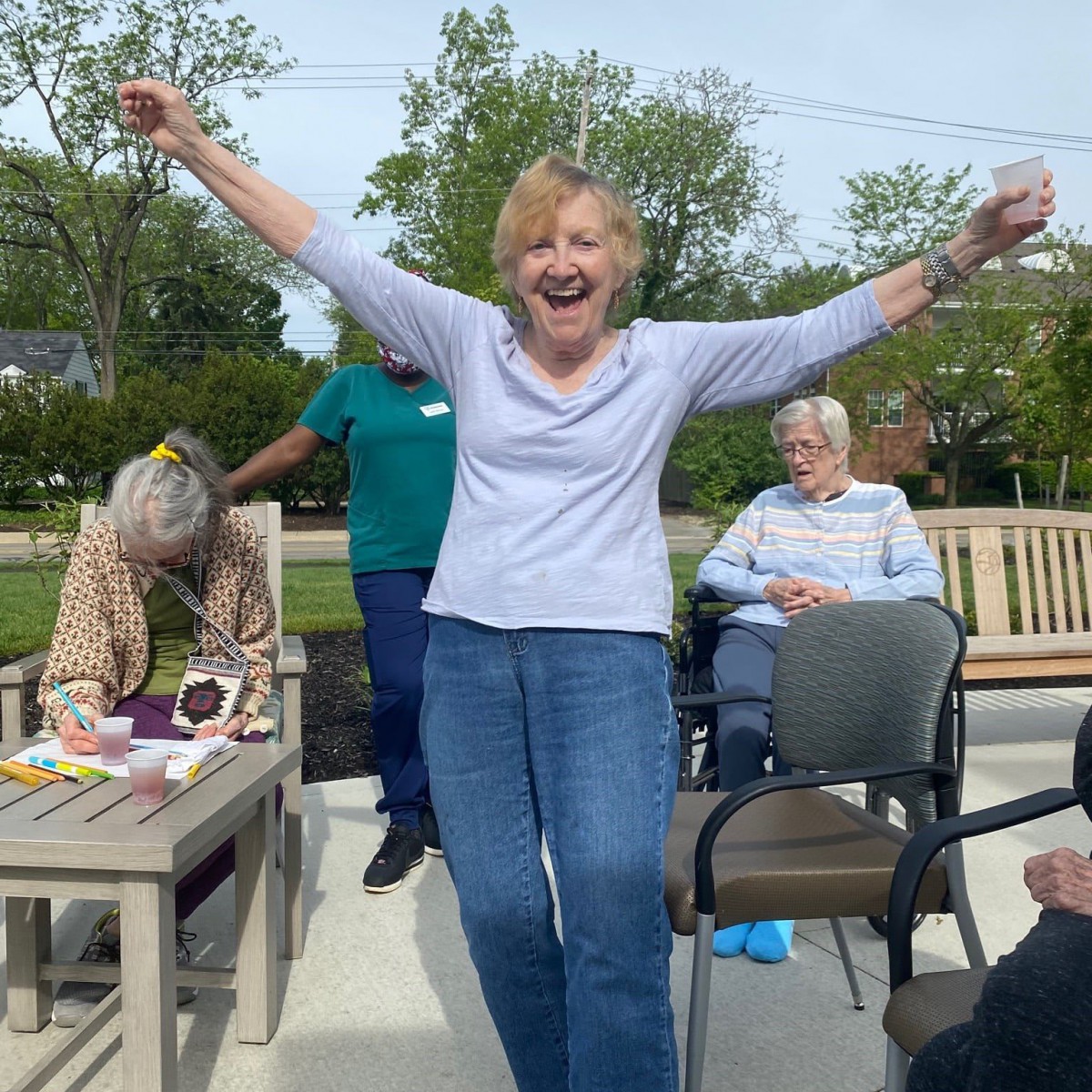
  • Outdoors

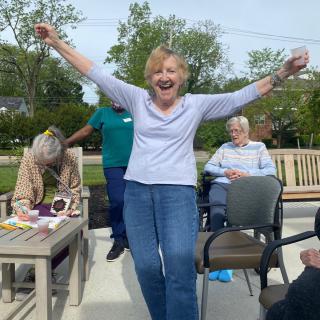
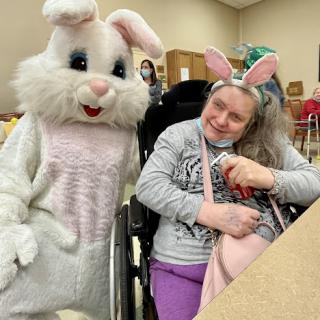
    A joyful gathering in a garden with people socializing and celebrating.
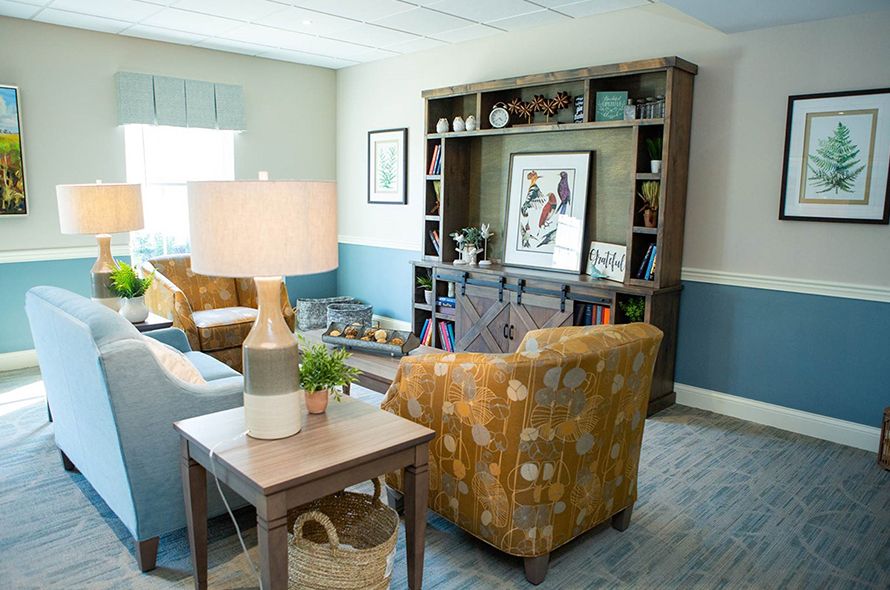
  • Decor

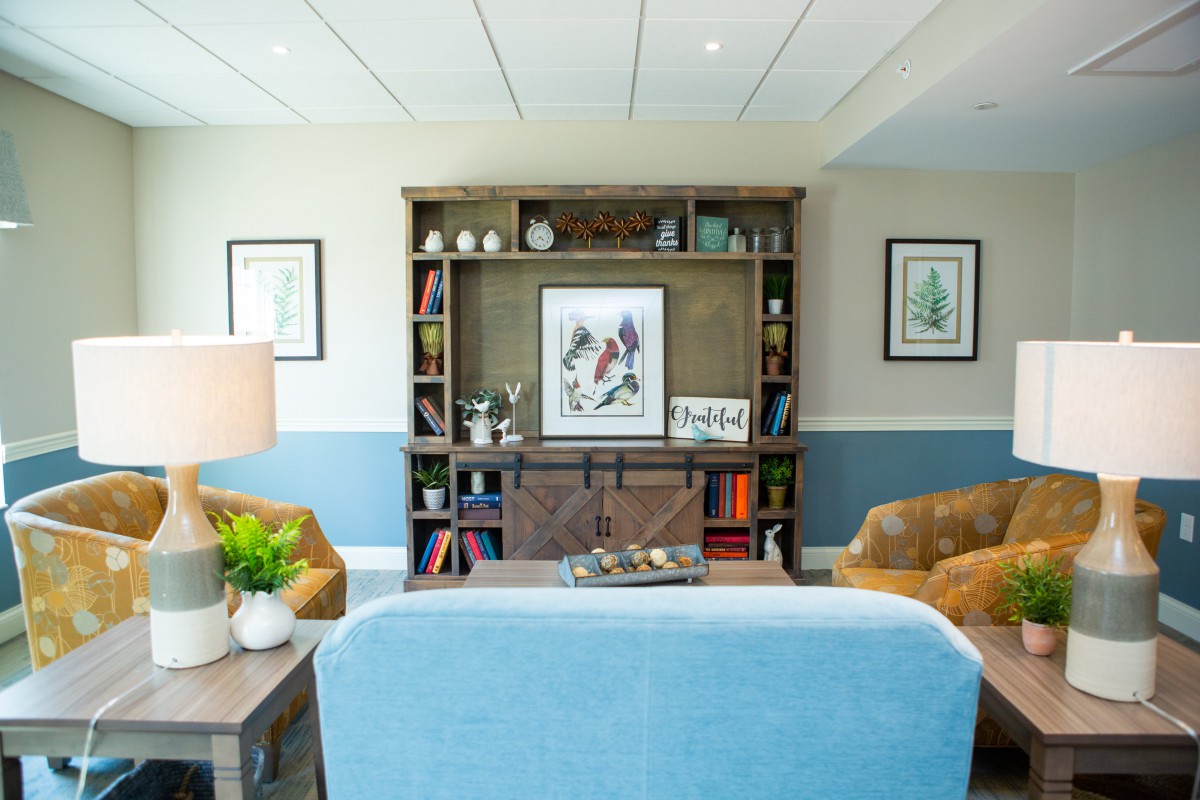
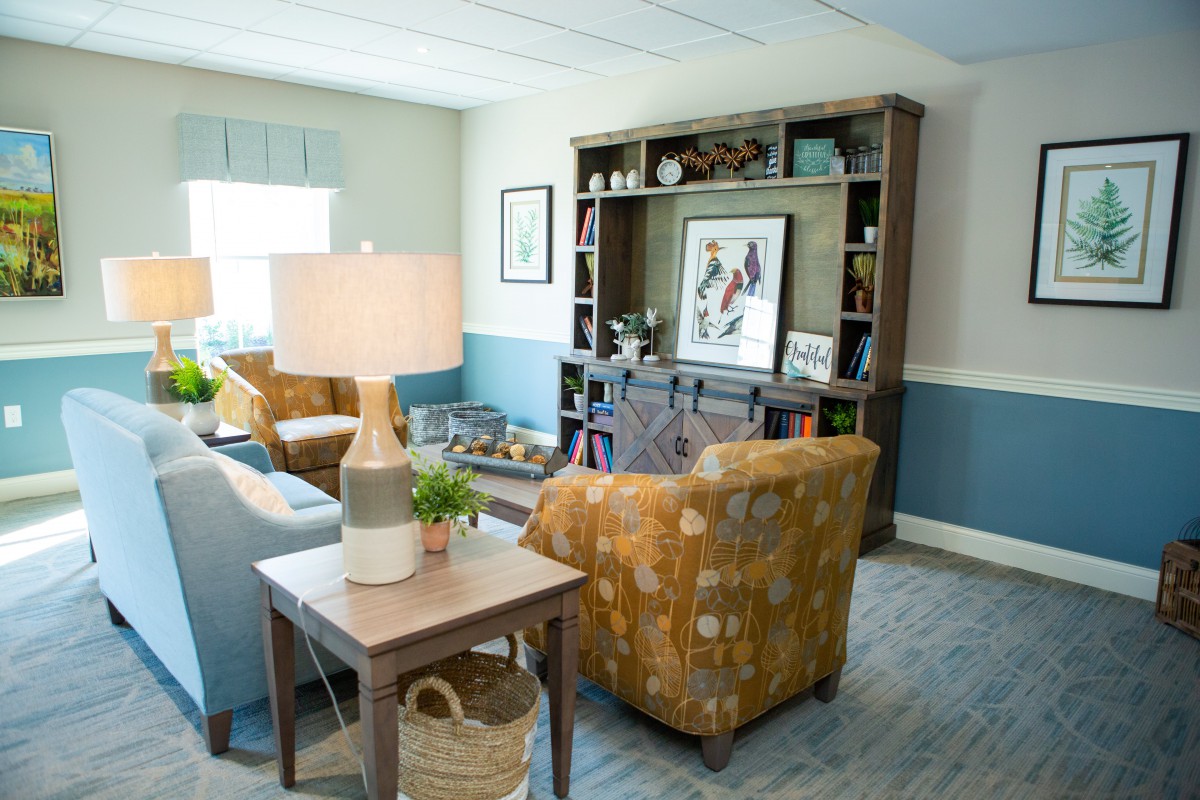
    A cozy living room featuring a colorful armchair, a well-stocked bookshelf, and stylish decor.
  • Living Room

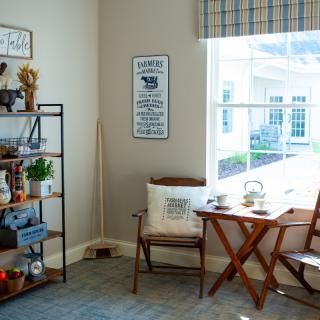
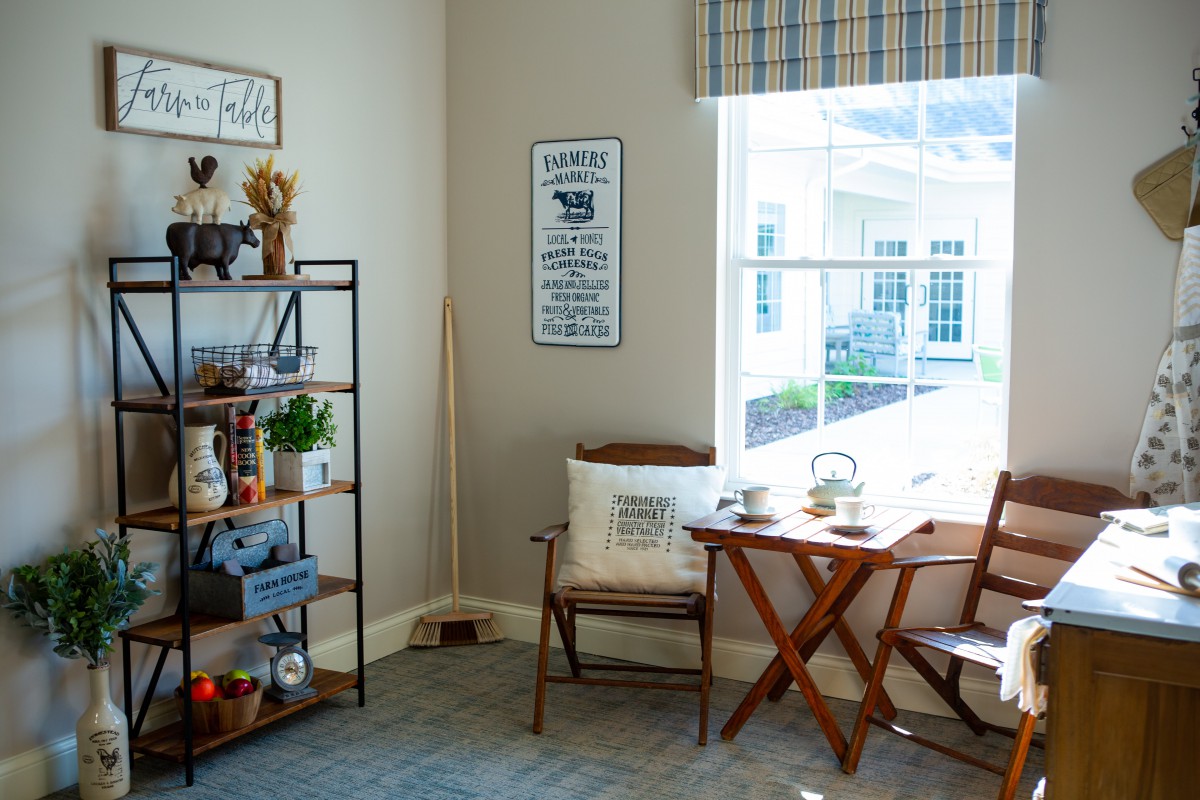
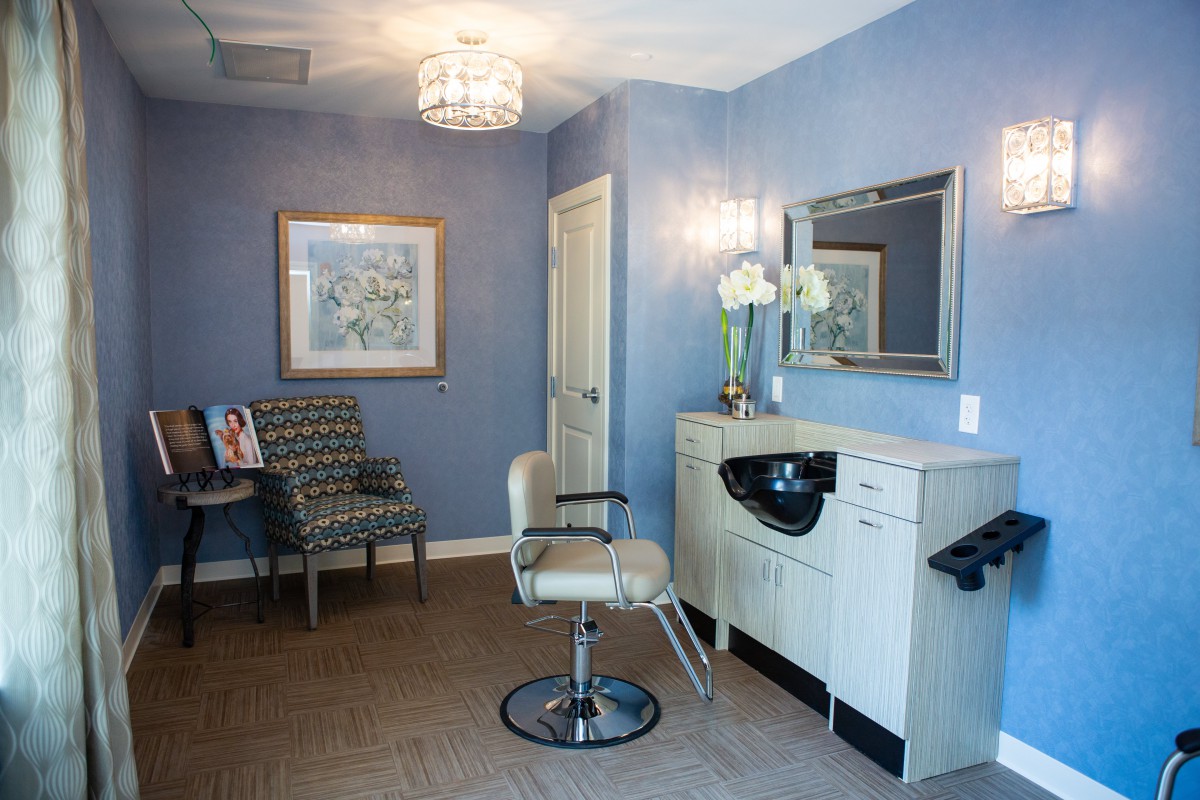
    A cozy living room corner with a wooden chair, a small table, and a decorative shelf beside a large window.
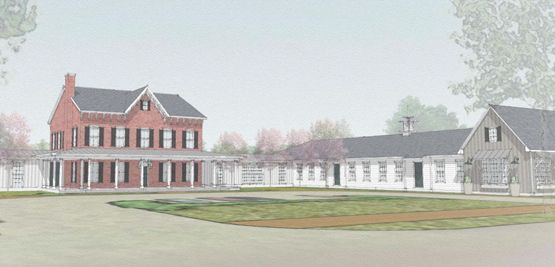
  • Building

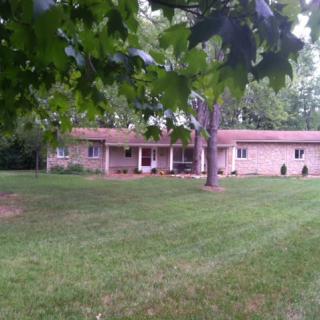
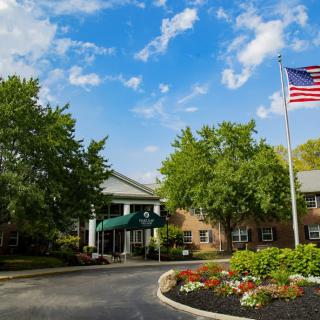
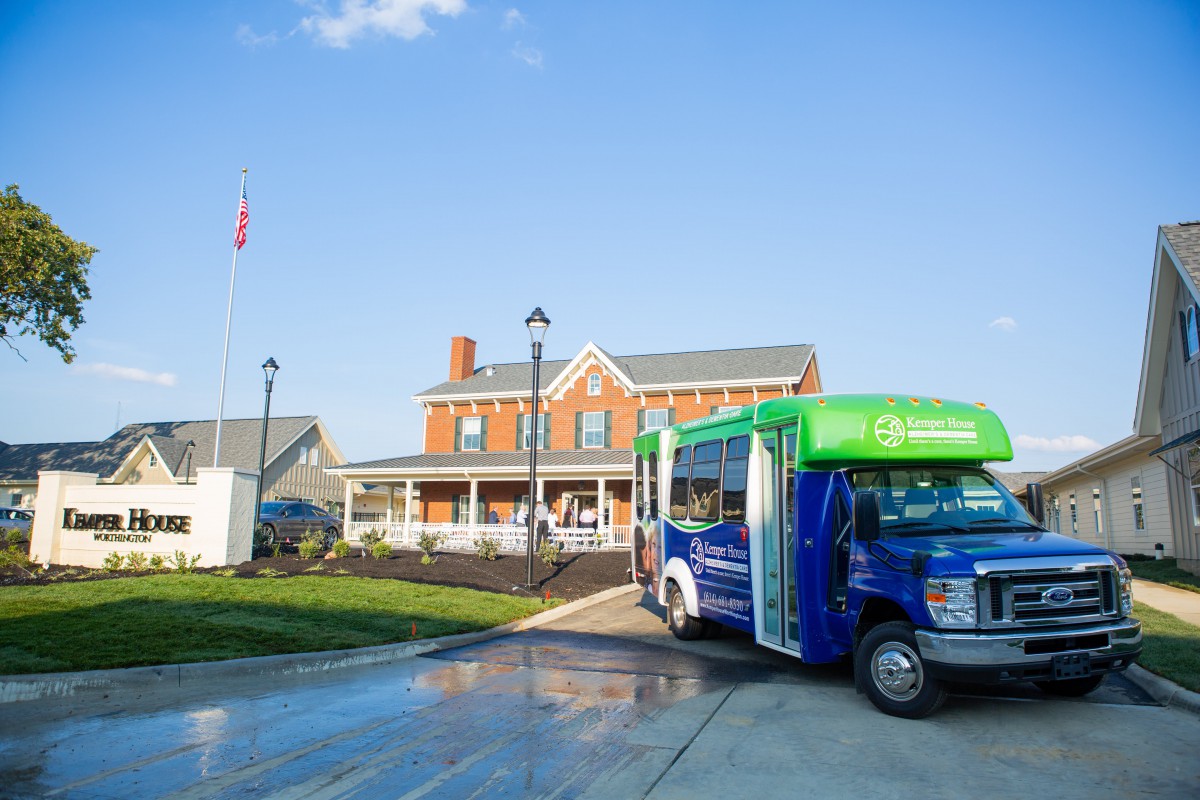
    A scenic view of a residential building with a red-brick structure, accompanied by white extensions and surrounded by a neatly maintained lawn and trees.
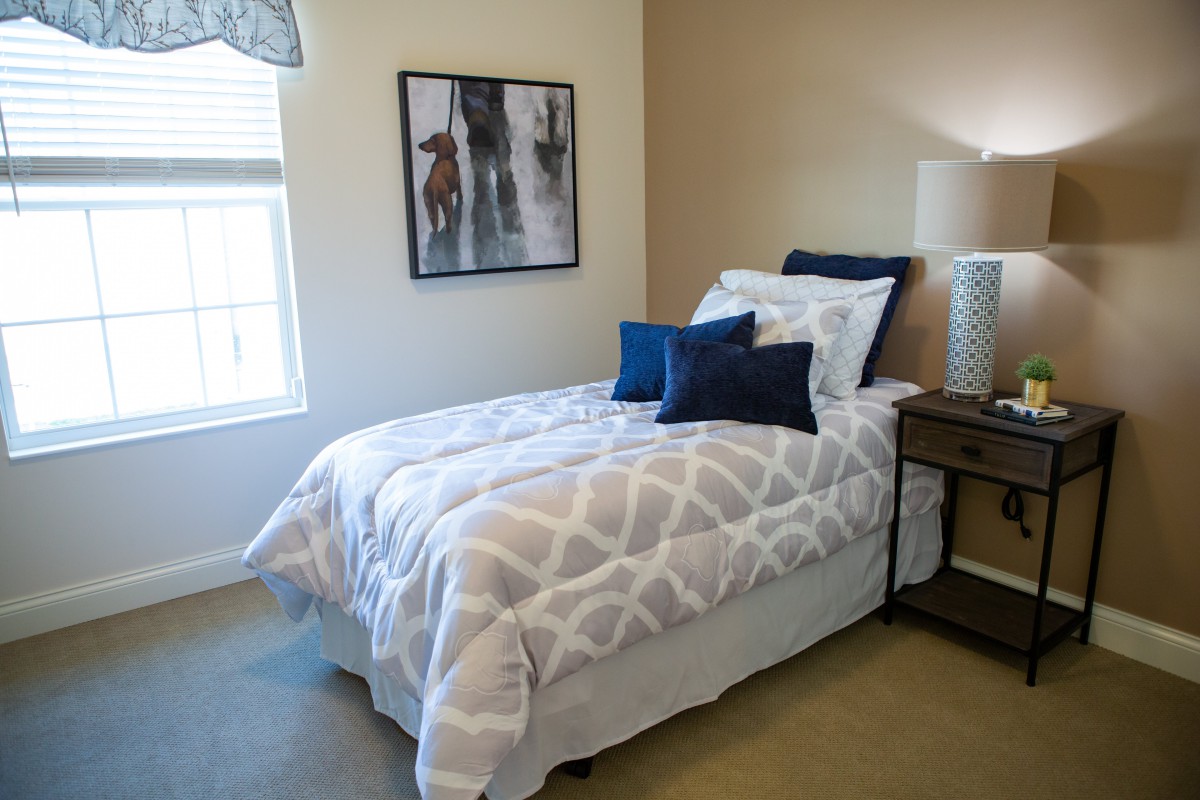
  • Bedroom

    This image shows a floor plan for a private room with an attached bathroom, priced at $6,810 and measuring 293 square feet.
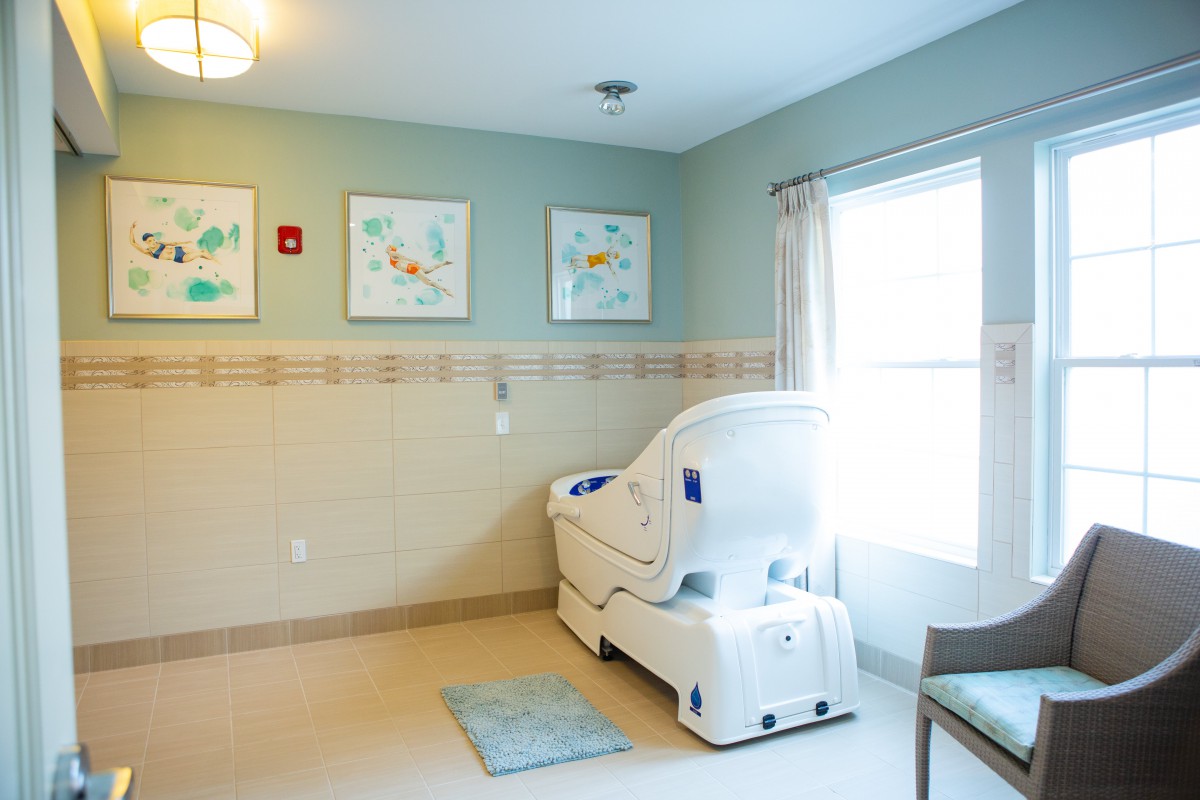
  • Windows

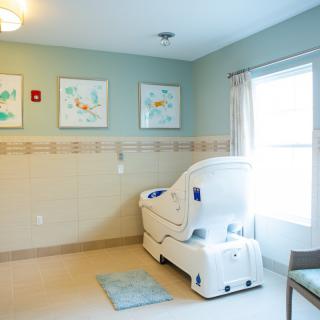
    A modern healthcare bathroom featuring a walk-in tub with calming decor and natural light.
  • Dining

    A vibrant buffet spread featuring sandwiches and fresh salads.
  • Landscaping

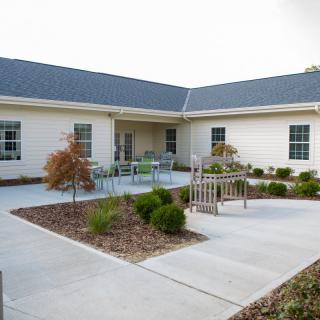
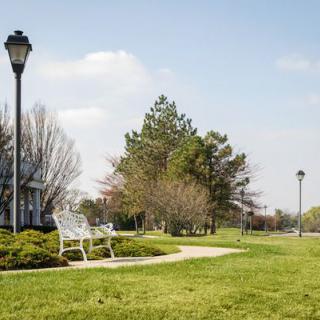
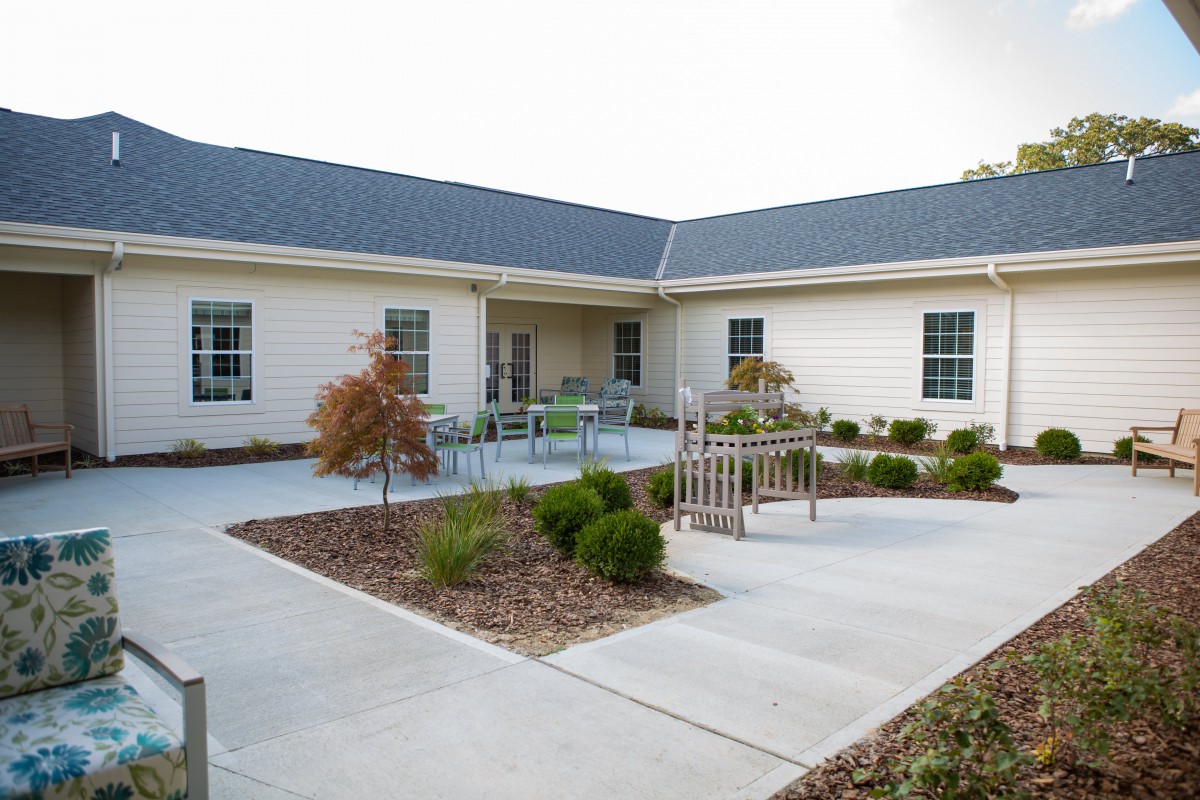
    A modern building with a landscaped courtyard and sidewalk.
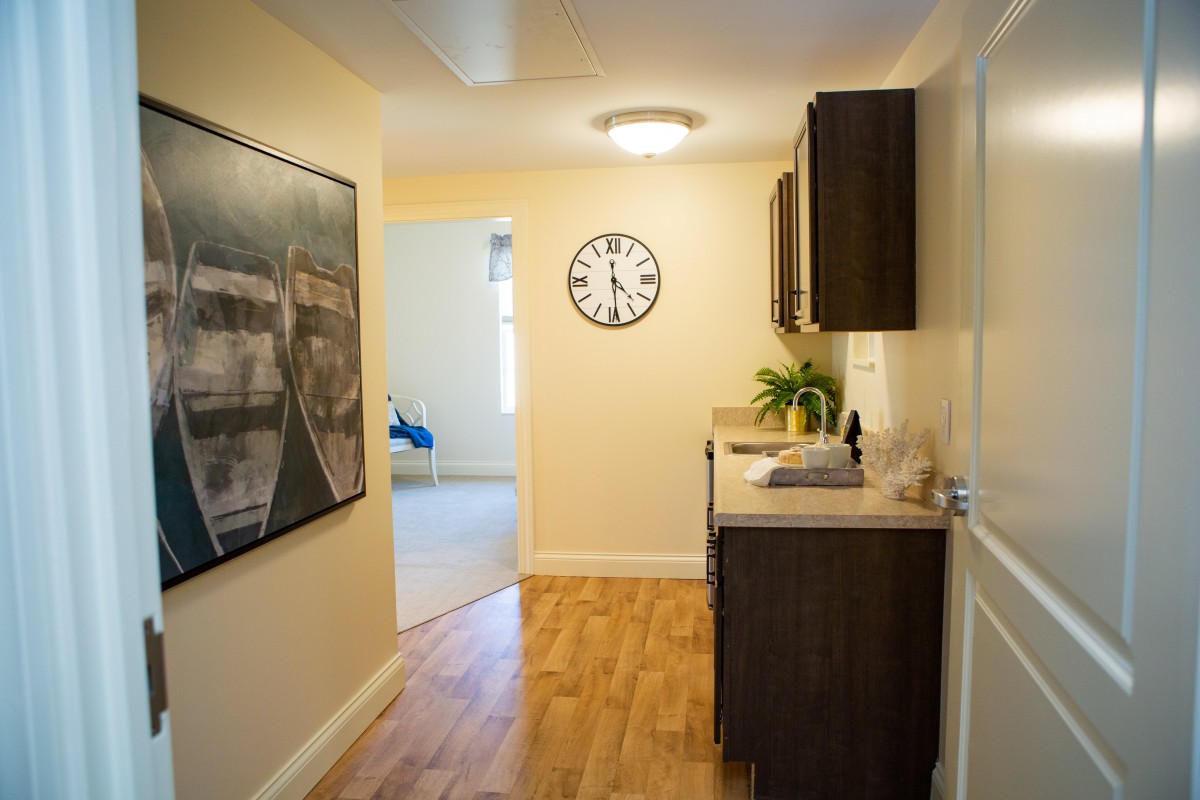
  • Artwork

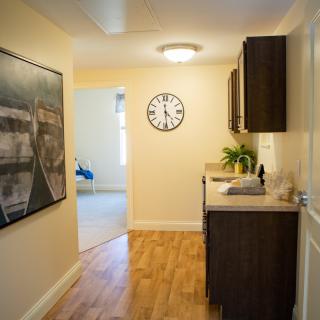
    A well-lit hallway with wooden flooring, featuring a wall-mounted clock and artwork, along with dark cabinets for storage.
  • Fireplace

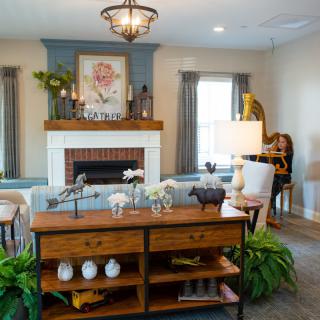
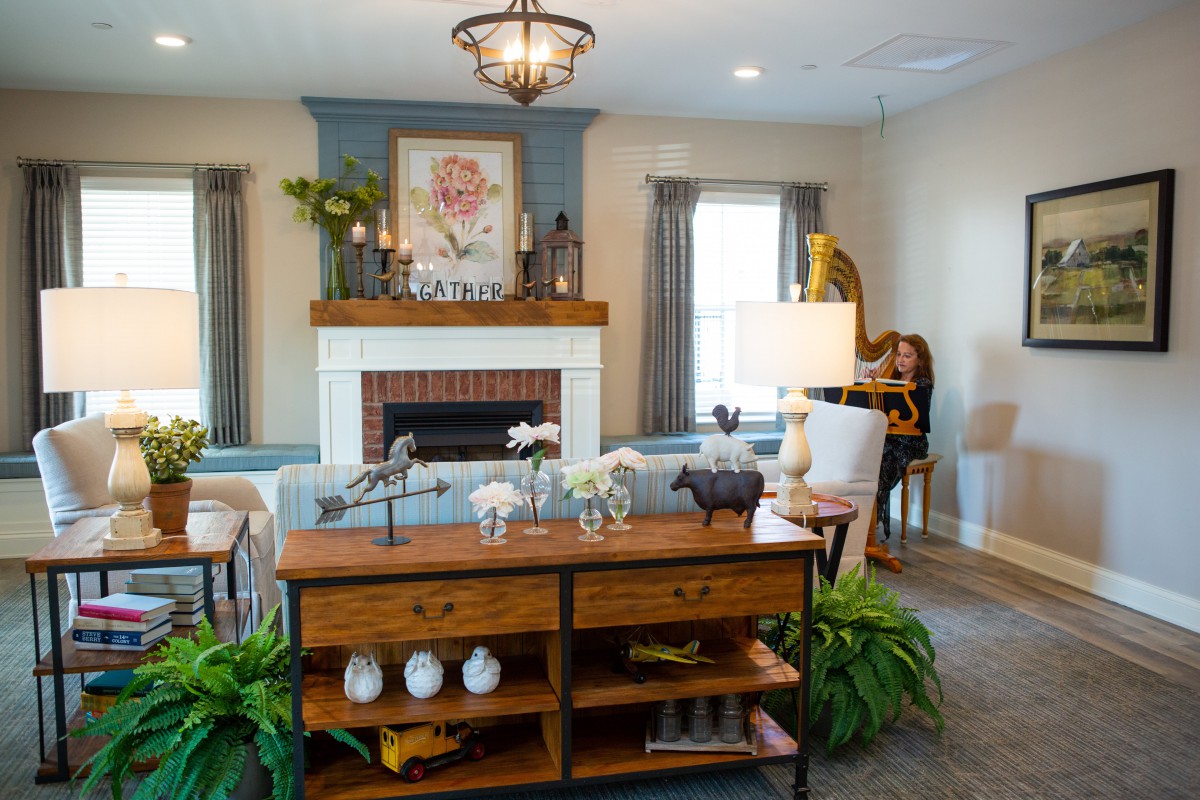
    A beautifully decorated living room featuring a fireplace, elegant furniture, and stylish artwork.
  • Floor Plan

    Floor plan of a Private Deluxe room priced at $7,410.
  • Bathroom

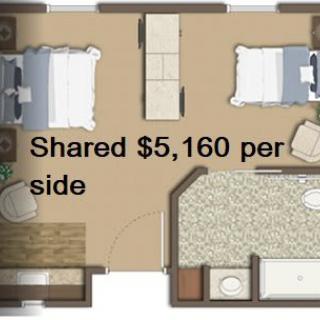
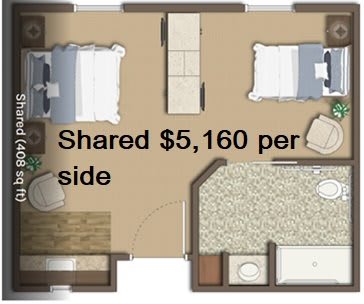
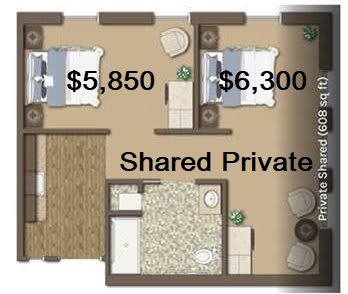
    Floor plan of a shared room, costing $5,160 per side.
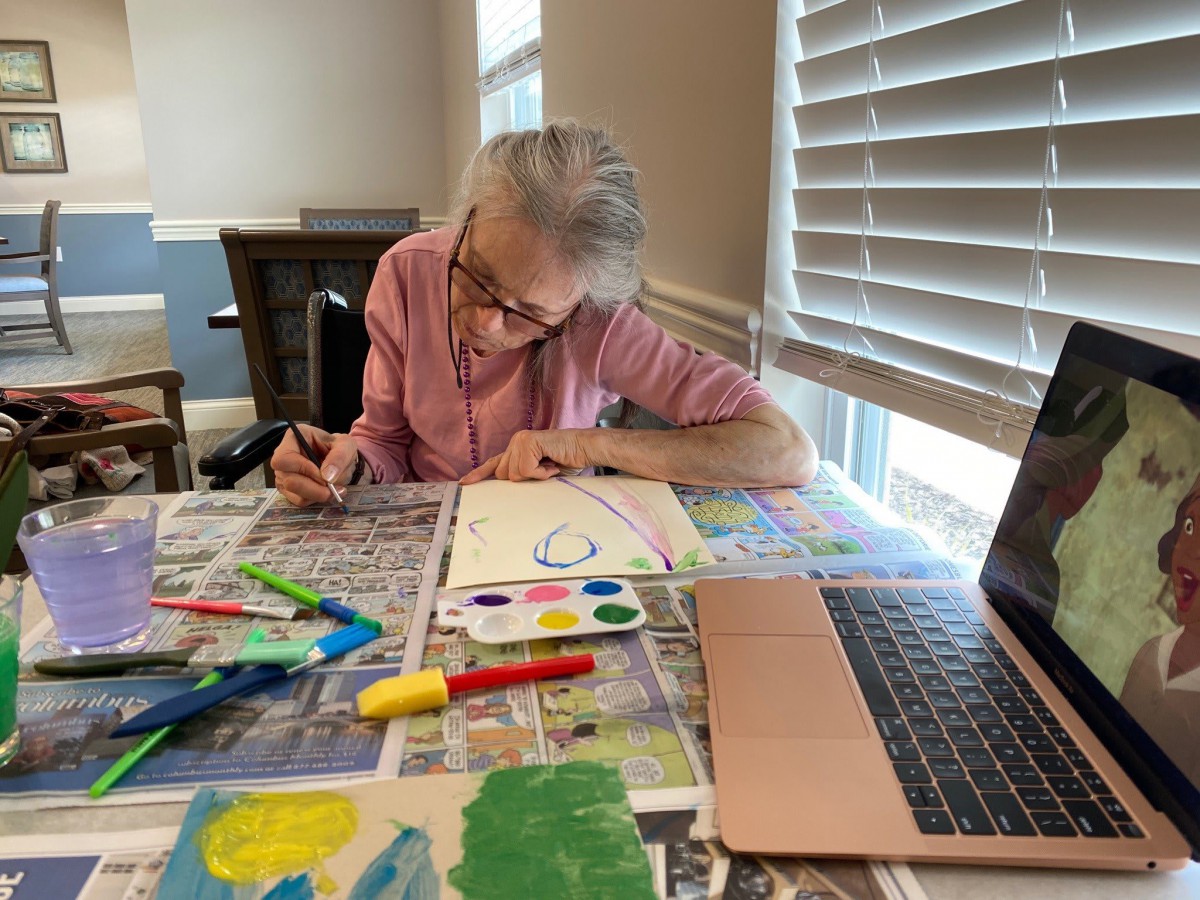
  • Painting

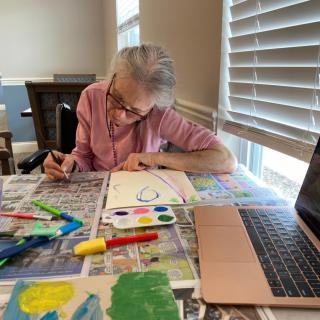
    An older adult engaged in painting at a table, surrounded by art supplies and using a laptop for reference.

Kemper House Worthington

800 Proprietors Road, Worthington, OH 43085

For more information about senior living options: (844) 490-3973

4.8 from 69 reviews
5 stars
65
4 stars
1
3 stars
0
2 stars
0
1 stars
3

Assisted Living Memory Care

Kemper House Worthington Costs & Pricing

Kemper House Worthington offers a range of living options with pricing that reflects the quality of care and amenities provided. For a semi-private room, residents can expect to pay $5,160 per month, which is notably higher than the Franklin County average of $4,507 and the statewide average of $3,965. If you're considering a studio unit, the monthly cost rises to $5,850, again surpassing local and state averages of $3,788 and $3,727 respectively. The one-bedroom option is priced at $6,810, significantly above both the county's average of $3,645 and Ohio's average of $3,712. These costs highlight Kemper House Worthington's commitment to providing exceptional services tailored to meet the needs of its residents in a nurturing environment.

Floor plansKemper House WorthingtonFranklin CountyOhio
Semi-Private$5,160$4,507$3,965
Studio$5,850$3,788$3,727
1 Bedroom$6,810$3,645$3,712

Overall Review of Kemper House Worthington

Pros

  • pro Kemper House Worthington is described as a top-notch dementia and Alzheimer's care community.
  • pro The staff are kind, caring, attentive, and treat residents like family.
  • pro Families feel at ease knowing their loved ones are safe, well cared for, and receive regular updates.
  • pro The facility is clean, well-maintained, and offers a home-like environment with engaging activities and life-enrichment programs.
  • pro The dining program features farm-to-table meals that residents enjoy and that support overall well-being.
  • pro Leadership and ownership are portrayed as compassionate, dedicated, and personally engaged in residents' care.
  • pro Care is highly personalized and person-centered, showing respect for each resident's history and preferences.
  • pro Families repeatedly express gratitude, calling Kemper House a blessing and the best memory care option.

Cons

  • pro There was a lack of staff, hygiene, and attentive care, which led to bed sores.
  • pro Residents were left alone in the dining room, TV room, and hallways.
  • pro There was a complete and total lack of communication and supervision between shifts.
  • pro Only one aide on shift attempted to assist, resulting in the mother being dropped and suffering a hip fracture.
  • pro There were concerns of overmedication of residents.
  • pro One reviewer called it "the very worst place you can take someone you love" and described staff screaming at a resident.
  • pro The State Health Department noted complaints but claimed no penalties or impact on family visits.
  • pro Families reported prohibitive costs and restricted basic needs, including water and expensive supplements, with references to a $11,000-per-month deluxe suite.
  • pro Items such as clothing, eyeglasses, and jewelry were missing from residents' rooms and not returned.

Review

Kemper House Worthington is best suited for families facing a dementia- or Alzheimer's-care decision who want a warm, highly person-centered memory-care community where staff operate with a genuine sense of mission. The campus design supports safe wandering, with three neighborhood-inspired areas that encourage independence within a contained footprint. Life-enrichment programming is robust, reflecting a philosophy that care means daily purpose and connection as much as it does supervision. Nutrition is prioritized through a farm-to-table kitchen, and the care team - including nurses, aides, therapists, and activity specialists - works as a coordinated unit. Ownership and leadership are visibly involved, setting a tone of accountability and ongoing refinement of care plans. For families wanting to feel that their loved one is not simply housed, but truly cared for, Kemper House Worthington stands out.

Those who should consider alternatives are families whose loved ones require broader medical acuity or continuous clinical oversight beyond dementia-specific needs. The community excels at dementia- and Alzheimer's-focused care, not as a hospital-like setting for complex non-dementia medical conditions. Price sensitivity can also push families toward facilities with lower cost structures or different staffing models. In addition, anyone prioritizing ultra-private room configurations, radical transparency about every clinical decision, or facilities with a more clinical, less homey atmosphere may find other options more aligned with their expectations. Those seeking a less intimate, more corporate feel may also prefer different operators.

The strongest pros at Kemper House Worthington offset most core concerns through a proven, compassionate approach to memory care. Residents benefit from deeply trained staff who understand the nuances of dementia behaviors, with a heavy emphasis on engagement, de-escalation, and meaningful activity. Families consistently praise the team for clear, ongoing communication - regular updates, accessible nursing leadership, and care conferences that keep relatives informed about progress and next steps. The Life Enrichment program, physical therapy options, and broad activity calendar create tangible improvements in mood, appetite, and participation. Cleanliness, a well-maintained campus, and an atmosphere that feels like home reinforce the sense that this is a residence first, medical home second.

Nevertheless, a minority of reviews cite past lapses that warrant attention. Allegations of inconsistent shift handoffs, occasional missing items, and episodes that point to gaps in supervision underscore that even strong dementia programs must preserve staffing reliability and thorough care documentation at all times. Those concerns are not the defining experience across the community, but they do highlight the real risk whenever staffing strains coincide with high resident needs. The most credible defenses against these risks are the proven leadership culture, the robust family-communication framework, and the facility-wide commitment to accountability that shows up in daily routines, care planning, and accessible leadership.

In evaluating whether Kemper House Worthington offsets its potential drawbacks, the balance tilts heavily toward yes for families prioritizing empathetic, person-centered dementia care. The reviews consistently describe staff who treat residents with dignity, who learn personal histories, and who tailor activities to abilities - resulting in better mood, social engagement, and in some cases measurable improvements in weight and hydration. The strong emphasis on family partnerships - care conferences, direct nurse access, and transparent decision-making - transforms what could be an anxious transition into a collaborative planning process. The space and culture are designed to nurture relationships, reduce agitation, and keep residents connected to meaningful routines.

The bottom line is clear: Kemper House Worthington remains a leading option for memory care when the priority is dementia-focused excellence delivered in a warm, family-oriented setting. It is well worth prioritizing a first-hand tour, meeting the leadership team, and speaking with multiple care staff to confirm current staffing consistency and the specificity of the resident-care approach. For families who value a vibrant daily life, strong nutrition, and proactive family communication, Kemper House Worthington often represents the best available match. If the care needed goes beyond memory support or cost is a central concern, however, exploring alternatives with different clinical emphases or pricing structures is a prudent next step.

Features

Housing

  • 94 resident community capacity 94 resident community capacity

Types of Care

  • Assisted Living Assisted LivingAssisted living facilities provide crucial support and care for seniors who may need help with daily tasks such as medication management, bathing, and meal preparation. These communities offer a safe and comfortable environment where seniors can maintain their independence while receiving the assistance they need to thrive in their golden years.
  • Memory Care Memory CareMemory care is crucial for seniors as it provides specialized support and services for individuals with dementia or Alzheimer's disease. These programs offer a safe and secure environment where residents receive personalized care, cognitive stimulation, and help with daily activities. Memory care helps seniors maintain their independence, quality of life, and dignity while also providing peace of mind for their families.

Pets

  • Cats allowed Cats allowed"Pet friendly" senior living communities are important for seniors because pets provide companionship, reduce feelings of loneliness and depression, promote physical activity and mental stimulation, and offer a sense of purpose and responsibility. Pets can improve overall well-being and quality of life for seniors in many ways.
  • Dogs allowed Dogs allowed"Pet friendly" senior living communities are important for seniors because pets provide companionship, reduce feelings of loneliness and depression, promote physical activity and mental stimulation, and offer a sense of purpose and responsibility. Pets can improve overall well-being and quality of life for seniors in many ways.

Amenities

  • Activities off-site Activities off-siteEngaging in off-site activities is crucial for seniors to maintain social connections, stay active, and stimulate their minds. It promotes overall well-being and helps combat feelings of isolation and loneliness.
  • Activities on-site Activities on-siteActivities on-site are important for seniors because they provide opportunities for socialization, mental stimulation, physical activity, and overall well-being. Engaging in activities can help seniors stay active, maintain their independence, and improve their quality of life.
  • Air-conditioning Air-conditioningAir conditioning is important for seniors as they are more vulnerable to heat-related illnesses and may have underlying health conditions that make it difficult for them to regulate their body temperature. It helps to keep them comfortable, safe, and healthy in hot weather.
  • Bath tubs Bath tubsBath tubs are important for seniors because they provide a safe and relaxing way to bathe, helping to prevent slips and falls while promoting independence and overall well-being.
  • Beautician on-site Beautician on-siteHaving a beautician on-site at a senior living community is important for seniors as it allows them to easily access grooming and personal care services, boosting their self-esteem and overall well-being. It also provides convenience and helps seniors maintain their sense of independence and personal style.
  • Beauty salon Beauty salonBeauty salons are important for seniors because they provide a space for them to feel pampered, socialize, and maintain their personal grooming and hygiene. Regular visits to a beauty salon can help boost seniors' self-esteem and overall well-being.
  • Cable or satellite TV Cable or satellite TVCable or satellite TV is important for seniors because it provides entertainment, news, and companionship, helping to combat loneliness and boredom. It also offers a wide range of programming options tailored to different interests and preferences.
  • Computer center Computer centerA computer center is essential for seniors as it provides access to technology, communication tools, and resources that can enhance their daily lives. It allows them to stay connected with loved ones, engage in online activities, and learn new skills, ultimately promoting socialization and mental stimulation.
  • Devotional services off-site Devotional services off-siteDevotional services off-site are important for seniors as they provide spiritual nourishment, social engagement, and a sense of community outside of the senior living facility. This can enhance overall well-being and help combat feelings of isolation and loneliness often experienced by older adults.
  • Devotional services on-site Devotional services on-siteDevotional services on-site provide seniors with spiritual support and a sense of community, as well as an opportunity for reflection and guidance during their senior living experience. This can promote emotional well-being and connection to others, leading to a more fulfilling and enriching lifestyle in their later years.
  • Dining room Dining roomDining rooms are important for seniors as they provide a space for socialization, connection, and nutritious meals. They offer opportunities for residents to bond over shared meals, foster a sense of community, and promote healthy eating habits. Dining rooms also ensure that seniors have access to well-balanced meals tailored to their dietary needs and preferences.
  • Fitness room Fitness roomHaving a fitness room in a senior living community is essential for seniors to stay active, maintain their physical health, and improve their overall well-being. Regular exercise can help prevent falls, reduce the risk of chronic diseases, and promote mental sharpness. It also provides social opportunities for residents to connect with others and enjoy a sense of community.
  • Fully furnished Fully furnishedFully furnished senior living communities are important for seniors because they provide convenience, comfort, and a hassle-free moving experience. Seniors can easily settle into their new living space without the stress of having to buy and move furniture. This allows them to focus on enjoying their new home and community.
  • Gaming room Gaming roomGaming rooms are important for seniors as they provide a fun and engaging environment for socializing, cognitive stimulation, and physical activity. Games can improve memory, problem-solving skills, and overall mental well-being while fostering friendships and reducing feelings of isolation.
  • Garden GardenGardens are important for seniors as they provide a peaceful and therapeutic environment for relaxation, physical activity, and socialization. Being in nature has been shown to reduce stress, improve mood, and promote overall well-being. Gardens also offer opportunities for seniors to engage in gardening activities, which can improve mobility, flexibility, and cognitive function. Additionally, gardens create a sense of community and connection with others who share a passion for plants and outdoor spaces.
  • Ground floor units Ground floor unitsGround floor units are important for seniors because they provide easy accessibility, reduced risk of falls and injuries, and convenience for those with mobility issues. Seniors can avoid climbing stairs or using elevators, making daily tasks and activities more manageable and enjoyable.
  • Handicap accessible Handicap accessible"Handicap accessible" amenities are crucial for seniors to ensure they can easily navigate and access facilities, services, and activities without barriers or limitations due to physical impairments. This promotes independence, safety, and inclusivity for seniors in senior living communities.
  • Housekeeping services Housekeeping servicesHousekeeping services are important for seniors because they help maintain a clean and safe living environment, promote independence, and reduce the risk of accidents or illnesses. Additionally, having assistance with household chores can alleviate physical strain and allow seniors to focus on other aspects of their well-being.
  • Indoor common areas Indoor common areasIndoor common areas are crucial for seniors as they provide a space for socialization, recreation, and community engagement, promoting overall well-being and reducing feelings of isolation and loneliness.
  • Kitchenette KitchenetteKitchenettes are important for seniors living in senior living communities because they provide the convenience and independence of being able to prepare simple meals and snacks in the comfort of their own living space. This can help promote a sense of autonomy and well-being for seniors, allowing them to maintain some level of control over their dietary choices and daily routines.
  • Move-in coordination Move-in coordinationMove-in coordination is important for seniors because it helps ease the transition into their new living environment. It ensures that all logistics, such as packing, organizing movers, and setting up utilities are taken care of, allowing seniors to focus on settling in and adjusting to their new home. Having a smooth move-in process can alleviate stress and anxiety, making the transition smoother and more enjoyable for seniors.
  • Outdoor common areas Outdoor common areasOutdoor common areas are important for seniors as they provide a space for socialization, physical activity, and relaxation. Being outside in nature can improve mood and overall well-being, while also encouraging movement and engagement with others. These spaces can help combat feelings of isolation and promote a sense of community among residents.
  • Outdoor space Outdoor spaceOutdoor spaces are important for seniors as they provide opportunities for physical activity, social interaction, exposure to natural light and fresh air, and a sense of connection to nature. Having access to outdoor spaces can improve overall well-being and quality of life for older adults living in senior communities.
  • Private bathrooms Private bathroomsPrivate bathrooms are important for seniors in senior living communities because they provide independence, dignity, and comfort. Having a private bathroom allows seniors to maintain their personal hygiene routines without the need for assistance, promoting a sense of autonomy and privacy. Additionally, private bathrooms help prevent the spread of infections and provide a safe and clean environment for seniors to navigate safely.
  • Respite or short term stays offered Respite or short term stays offeredRespite or short term stays provide seniors with a temporary solution when their regular caregiver is unavailable, offering them the opportunity to receive additional care and support during times of need, while also giving caregivers a chance to rest and recharge.
  • Restaurant-style dining Restaurant-style diningRestaurant-style dining is important for seniors because it allows them to enjoy delicious, nutritious meals in a social and upscale setting. This enhances their dining experience, promotes healthy eating habits, and fosters socialization with fellow residents, ultimately contributing to their overall well-being and quality of life.
  • Small library Small librarySmall libraries are important for seniors as they provide access to a variety of reading materials, including books, newspapers, and magazines. This can help stimulate their minds, keep them engaged, and provide a sense of community through book clubs and other social activities. Additionally, reading has been shown to improve cognitive function and overall mental well-being in older adults.
  • Telephone TelephoneTelephones are important for seniors as they provide a lifeline for communication with loved ones, emergency services, and healthcare providers. They offer a sense of security and independence, enabling seniors to stay connected and access assistance when needed.
  • Wellness center Wellness centerWellness centers are important for seniors because they offer a variety of programs and services that promote physical, mental, and emotional well-being. These centers provide opportunities for exercise, socialization, education, and relaxation, helping seniors maintain their overall health and quality of life.
  • Wheelchair accessible showers Wheelchair accessible showersWheelchair accessible showers are crucial for seniors as they provide a safe and independent bathing option for those with mobility challenges. These showers help prevent falls and allow seniors to maintain their dignity and autonomy while ensuring they can bathe comfortably.
  • Wi-Fi/high-speed internet available Wi-Fi/high-speed internet availableWi-Fi/high-speed internet is important for seniors to stay connected with loved ones, access online resources, and participate in virtual activities to combat feelings of loneliness and isolation. It also allows them to easily manage healthcare needs, access entertainment, and engage in lifelong learning opportunities.

Transportation

  • John Glenn Columbus International Airport (9 miles away) John Glenn Columbus International Airport (9 miles away)
  • Community operated transportation Community operated transportationCommunity operated transportation is crucial for seniors as it provides them with the means to access essential services, social activities, and medical appointments. It allows seniors to maintain their independence and quality of life by ensuring they can participate in activities outside of their homes. Additionally, community-operated transportation services offer a safe and reliable way for seniors to travel without having to rely on family or friends for assistance.
  • Transportation arrangement Transportation arrangementTransportation arrangements are crucial for seniors as they may face challenges with driving, mobility, or access to public transportation. Having reliable transportation services ensures that seniors can easily attend appointments, social activities, and maintain their independence and quality of life.
  • Transportation arrangement (non-medical) Transportation arrangement (non-medical)Transportation arrangements are essential for seniors as they provide access to essential services, activities, and social interactions outside the home. This service helps maintain independence, mobility, and overall well-being for seniors who may have limited transportation options.

Care Services

  • 12-16 hour nursing 12-16 hour nursing12-16 hour nursing care is crucial for seniors in order to ensure around-the-clock monitoring, timely medication administration, and prompt response to any health concerns or emergencies. This level of care helps to promote the overall well-being and safety of seniors living in senior living communities.
  • 24-hour call system 24-hour call system24-hour call systems are important for seniors because they provide peace of mind and immediate assistance in case of emergencies. This technology ensures that help is always available, promoting safety and security for elderly individuals living alone or in assisted living facilities.
  • 24-hour supervision 24-hour supervision24-hour supervision is important for seniors to ensure their safety, well-being, and access to immediate assistance in case of emergencies or health issues. This constant support provides peace of mind for both seniors and their loved ones, allowing them to age in place with dignity and security.
  • Activities of daily living assistance Activities of daily living assistanceActivities of daily living assistance are important for seniors because they provide essential support with tasks such as eating, bathing, dressing, and mobility. This assistance helps seniors maintain their independence, dignity, and overall quality of life as they age.
  • Assistance with bathing Assistance with bathingAssistance with bathing is crucial for seniors as it helps maintain personal hygiene, prevents infections, and ensures their overall well-being and comfort. It also provides a sense of dignity and independence for seniors who may struggle with this task on their own.
  • Assistance with dressing Assistance with dressingAssistance with dressing is important for seniors because it helps maintain their independence, promotes personal hygiene, prevents accidents and injuries, and improves overall quality of life. This service ensures that seniors can continue to dress comfortably and confidently, despite any physical limitations they may have.
  • Assistance with transfers Assistance with transfersAssistance with transfers is crucial for seniors as it helps prevent falls and injuries, maintains their independence, and ensures they can safely navigate their living environment. It also provides peace of mind for both seniors and their loved ones.
  • Coordination with health care providers Coordination with health care providersCoordination with health care providers is crucial for seniors to ensure proper medical care, medication management, and overall well-being. This collaboration helps prevent overlapping treatments, track progress more effectively, and provide comprehensive support tailored to individual needs.
  • Diabetes diet Diabetes dietA diabetes diet is crucial for seniors as it helps manage blood sugar levels, reduce risks of complications, and improve overall health and well-being. By following a balanced and nutritious diet tailored to their specific needs, seniors can better control their diabetes and enhance their quality of life.
  • Diabetic care Diabetic careDiabetic care is crucial for seniors as they are more susceptible to developing diabetes due to aging and other health conditions. Proper management of diabetes can help prevent complications such as heart disease, vision loss, and nerve damage, improving the overall quality of life for seniors in senior living communities.
  • Incontinence care Incontinence careIncontinence care is essential for seniors to maintain their dignity, hygiene, and overall quality of life. By addressing incontinence issues promptly and effectively, seniors can enjoy a sense of independence and comfort in their daily activities.
  • Meal preparation and service Meal preparation and serviceMeal preparation and service are crucial for seniors as they may have limited mobility or energy to cook nutritious meals. Having access to healthy and convenient food options can ensure they are getting the proper nutrition needed to maintain their overall health and well-being.
  • Medication management Medication managementMedication management is crucial for seniors to ensure they are taking the right medications at the correct dosages and times. This helps prevent adverse drug interactions, reduces the risk of medication errors, and promotes overall health and well-being. Proactive management also allows for adjustments as needed based on changing health conditions or new prescriptions.
  • Mental wellness program Mental wellness programMental wellness programs are essential for seniors as they promote cognitive stimulation, emotional support, and social engagement. These programs help prevent isolation, depression, and cognitive decline, ultimately enhancing the overall quality of life for older adults.
  • Special dietary restrictions Special dietary restrictionsSpecial dietary restrictions are important for seniors because age-related changes in metabolism and health conditions can make it difficult for their bodies to process certain foods. By following a diet tailored to their specific needs, seniors can maintain their overall health and well-being, manage chronic conditions, and reduce the risk of complications such as malnutrition or food interactions with medications.
  • Transportation arrangement (medical) Transportation arrangement (medical)Transportation arrangements for medical purposes are essential for seniors as they may have difficulty driving themselves to appointments or accessing public transportation. Having reliable and safe transportation options ensures that seniors can receive timely medical care and maintain their health and well-being.
  • Transportation to doctors appointments Transportation to doctors appointmentsTransportation to doctors' appointments is crucial for seniors as it ensures they have access to necessary medical care and support for their health needs. Without reliable transportation, seniors may struggle to attend important appointments, leading to potential delays in treatment and health complications. Providing transportation services helps seniors maintain their overall well-being and quality of life.

Dining

  • Anytime dining Anytime diningAnytime dining is important for seniors because it allows them the flexibility to eat when they are hungry, rather than being restricted to set meal times. This can be especially beneficial for those with medical conditions or medications that affect their appetite, as well as those who may have difficulty adhering to a strict dining schedule. Overall, anytime dining promotes independence and overall well-being for seniors in senior living communities.
  • Diabetes diet Diabetes dietA diabetes diet is crucial for seniors as it helps manage blood sugar levels, reduce risks of complications, and improve overall health and well-being. By following a balanced and nutritious diet tailored to their specific needs, seniors can better control their diabetes and enhance their quality of life.
  • Gluten-free Gluten-freeGluten-free options are important for seniors as they are more prone to digestive issues and dietary sensitivities. Offering gluten-free meal choices in senior living communities can help improve their overall health and well-being.
  • Guest meals Guest mealsGuest meals are important for seniors living in senior living communities because they provide an opportunity for socialization and companionship. Sharing a meal with friends, family, or new acquaintances can help combat feelings of loneliness and isolation, promote a sense of community, and enhance overall well-being. Additionally, guest meals allow seniors to enjoy delicious food in a comfortable setting without the hassle of cooking or cleaning up, making dining a pleasurable and stress-free experience.
  • International cuisine International cuisineInternational cuisine is important for seniors because it offers a variety of flavors, ingredients, and cultural experiences that can help keep their meals interesting and enjoyable. Trying new dishes can also stimulate the senses and provide different nutrients that contribute to overall health and well-being. Additionally, exploring international cuisine can bring back fond memories of travels or childhood experiences, making mealtime more nostalgic and fulfilling for seniors.
  • Low / no sodium Low / no sodiumLow/no sodium options are important for seniors because excessive sodium intake can lead to high blood pressure, heart disease, and other health issues commonly experienced by older adults. By choosing low/no sodium foods, seniors can better manage their health and reduce their risk of developing these conditions.
  • Meals provided Meals provided"Meals provided" are crucial for seniors in assisted living communities as it ensures they have access to nutritious, balanced meals without the stress of meal planning and preparation. This can help promote overall health and well-being for seniors who may have limited mobility or cognitive abilities.
  • No Sugar No SugarNo sugar diets are important for seniors because they can help prevent or manage chronic conditions such as diabetes, heart disease, and obesity. Sugar can also contribute to cognitive decline and inflammation in the body, so reducing sugar intake can lead to overall improved health and well-being in older adults.
  • Organic OrganicOrganic foods are important for seniors because they contain fewer chemicals and pesticides, which can be harmful to aging bodies. Additionally, organic foods often have higher nutrient levels, making them a healthier choice for maintaining overall well-being in older adults.
  • Professional chef Professional chefProfessional chefs are important for seniors living in senior living communities because they provide nutritious and delicious meals that cater to their dietary needs and preferences. A professional chef can ensure that seniors are receiving balanced, flavorful meals that support their overall health and well-being.
  • Room service Room serviceRoom service is important for seniors in a senior living community because it provides convenience and allows them to have their meals delivered directly to their room. This can be especially beneficial for seniors who may have mobility issues or difficulty accessing the dining area. Room service ensures that seniors are able to receive nutritious meals without having to navigate through the facility, allowing them to maintain their independence and overall well-being.
  • Special dietary restrictions Special dietary restrictionsSpecial dietary restrictions are important for seniors because age-related changes in metabolism and health conditions can make it difficult for their bodies to process certain foods. By following a diet tailored to their specific needs, seniors can maintain their overall health and well-being, manage chronic conditions, and reduce the risk of complications such as malnutrition or food interactions with medications.
  • Special dining programs Special dining programsSpecial dining programs are important for seniors because they provide nutritious meals tailored to their dietary needs and preferences. These programs also offer socialization opportunities, promote overall health and well-being, and can help prevent malnutrition.
  • Vegan VeganVegan diets can provide numerous health benefits for seniors, including lower risk of chronic diseases, improved digestion, and increased energy levels. Additionally, plant-based diets are often rich in essential nutrients that can support overall well-being and longevity in older adults.
  • Vegetarian VegetarianA vegetarian diet is important for seniors because it can help lower the risk of chronic diseases, maintain a healthy weight, and provide essential nutrients needed for aging bodies. Additionally, plant-based diets are often easier on digestive systems and can contribute to overall well-being in older adults.

Activities

  • Art classes Art classesArt classes are important for seniors because they provide a creative outlet, improve cognitive function, reduce stress and anxiety, promote socialization, and enhance overall well-being and quality of life.
  • Catholic services Catholic servicesCatholic services are important for seniors because they provide spiritual support, a sense of community, and opportunities for social interaction that can enhance overall well-being and quality of life in their later years.
  • Community-sponsored activities Community-sponsored activitiesCommunity-sponsored activities are important for seniors as they provide opportunities for social interaction, mental stimulation, and physical activity. These activities can help improve overall well-being, combat loneliness and isolation, and promote a sense of belonging and purpose among older adults.
  • Concierge services Concierge servicesConcierge services are essential for seniors as they provide assistance with daily tasks and errands, enhance their quality of life by offering convenience and personalized care, and promote a sense of safety and security.
  • Cooking classes Cooking classesCooking classes are important for seniors as they provide opportunities for social interaction, enhance cognitive skills, promote healthy eating habits, and boost confidence in the kitchen.
  • Devotional activities offsite Devotional activities offsiteDevotional activities offsite are important for seniors because they provide social engagement, spiritual growth, and a sense of community outside of their living environment. This can improve overall well-being, mental health, and combat feelings of isolation or loneliness.
  • Devotional activities on-site Devotional activities on-siteDevotional activities on-site provide seniors with a sense of community, spiritual fulfillment, and emotional support, promoting overall well-being and a positive sense of purpose in their lives.
  • Educational speakers / life long learning Educational speakers / life long learningEducational speakers and lifelong learning opportunities are crucial for seniors as they provide mental stimulation, promote social engagement, and contribute to overall well-being. Continuous learning helps seniors stay mentally sharp, build new skills, and maintain a sense of purpose and fulfillment in their lives. It also allows them to stay connected to the world around them and fosters a sense of community within senior living facilities.
  • Fitness programs Fitness programsFitness programs are crucial for seniors as they help improve strength, flexibility, balance, and overall well-being. Staying active can reduce the risk of chronic diseases, improve mental health, and enhance quality of life in older adults.
  • Jewish services Jewish servicesJewish services are important for seniors as they provide a sense of community, spiritual support, and connection to their heritage and traditions. These services help enhance overall well-being and quality of life for older adults in senior living settings.
  • Other religious services Other religious servicesOther religious services are important for seniors as they provide a sense of community, spiritual comfort, and opportunities for socializing. These services can help seniors feel connected to their faith and maintain a sense of purpose and belonging in their later years.
  • Planned day trips Planned day tripsPlanned day trips are important for seniors because they offer opportunities for socialization, mental stimulation, and physical activity. They provide a change of scenery and help seniors stay engaged and connected to their community, promoting overall well-being and quality of life.
  • Protestant services Protestant servicesProtestant services are important for seniors because they provide spiritual nourishment, community support, and a sense of belonging. These services can help seniors connect with others who share their faith, find comfort and guidance in times of need, and maintain a sense of purpose and fulfillment in their later years.
  • Resident-run activities Resident-run activitiesResident-run activities are important for seniors as they encourage social interaction, creativity, and a sense of autonomy. These activities empower seniors to stay engaged and active in their community while fostering meaningful connections with their peers.
  • Scheduled daily activities Scheduled daily activitiesScheduled daily activities are important for seniors because they provide structure, socialization, mental stimulation, and physical activity. Engaging in regular activities can improve overall well-being and quality of life for seniors living in a community setting.
  • Visiting Rabbi Visiting Rabbi"Visiting rabbis provide spiritual and emotional support to seniors in assisted living communities, helping them connect with their faith, find comfort in times of need, and maintain a sense of community and belonging."
  • Visiting chaplain or priest Visiting chaplain or priestHaving a visiting chaplain or priest at a senior living community is important for seniors because it provides spiritual support, comfort, and guidance during a time of life that can be challenging and uncertain. Their presence can help seniors feel connected to their faith, find peace of mind, and cope with the emotional and mental struggles they may face in their later years.

Description

Kemper House Worthington is an assisted living community located in Worthington, OH, that specializes in providing memory care to seniors. The community offers a wide range of amenities to enhance the residents' quality of life, including on-site activities and a gaming room for entertainment. There are also beautifully landscaped outdoor common areas and gardens for residents to enjoy.

The community provides fully furnished accommodations, with ground floor units available for easy accessibility. Residents can take advantage of housekeeping services to maintain a clean living environment. Each accommodation has a private bathroom and air-conditioning for comfort.

Kemper House Worthington strives to meet the needs of its residents by offering various care services. These include assistance with daily living activities, such as bathing, dressing, and transfers. The staff is available 24/7 to provide supervision and respond to any emergencies through the 24-hour call system.

The community also focuses on promoting mental well-being through its mental wellness program. Medication management and coordination with healthcare providers ensure that residents receive the necessary care for their specific medical needs. Additionally, special dietary restrictions can be accommodated through personalized meal preparation and service.

Residents have access to various amenities designed to enrich their lives socially and intellectually. They can participate in community-sponsored activities and educational speakers or attend religious services on-site or off-site based on their preferences. Planned day trips are organized for those who enjoy exploring the local area.

In terms of nearby conveniences, there are several cafes, parks, pharmacies, restaurants, places of worship, hospitals, and transportation options within close proximity to Kemper House Worthington.

Overall, this assisted living community offers comprehensive memory care services accompanied by an array of amenities and nearby conveniences to ensure a comfortable and fulfilling lifestyle for its residents.

Videos

Nearby Places of Interest

This part of Worthington, Ohio, offers a variety of amenities and services that may be appealing to older individuals looking for a peaceful and convenient place to live. With multiple physicians' offices nearby, healthcare is easily accessible. There are also several pharmacies within a short distance, making it convenient to pick up medications. In terms of dining options, there are a number of restaurants ranging from casual to upscale choices. For recreational activities, there are several parks in the area where residents can enjoy nature or take a leisurely stroll. Nearby cafes provide opportunities for socializing with friends or relaxing with a cup of coffee. Additionally, the close proximity to hospitals ensures quick access to medical care if needed. Overall, this area offers a well-rounded mix of services and facilities that cater to the needs of seniors looking for a comfortable and convenient living environment.

Physicians

  • Worthington Family Physicians (0.1 miles)
  • Midwest Allergy Asthma and Immunology (2.7 miles)
  • The Millhon Clinic (2.7 miles)
  • Central Ohio Primary Care (2.7 miles)
  • Ohio ENT Surgeons (2.8 miles)
  • Jasonway Internal Medicine (2.9 miles)
  • Columbus Eyecare Associates (2.9 miles)

Pharmacies

  • CVS Pharmacy (0.8 miles)
  • CVS Pharmacy (1.4 miles)
  • SBH Medical Compounding Pharmacy (1.8 miles)
  • Walgreens (2.1 miles)
  • CVS Pharmacy (2.2 miles)
  • CVS Pharmacy (2.3 miles)
  • Walgreens (2.3 miles)

Restaurants

  • The Volleypark (1.4 miles)
  • Columbus Square Bowling Palace (3.1 miles)
  • Golden Phoenix Restaurant (3.3 miles)
  • Waffle House (3.7 miles)
  • Tensuke Market (3.7 miles)
  • Firebirds Wood Fired Grill (3.7 miles)
  • Chick-Fil-A (3.7 miles)

Parks

  • Antrim Park (2 miles)
  • Flint Park (2.7 miles)
  • Sharon Woods Metro Park (2.9 miles)
  • Whetstone Park / Park of Roses (3.4 miles)
  • Metzger Park (3.5 miles)
  • Highbanks Metro Park (4.4 miles)
  • Thompson Park (4.8 miles)

Cafes

  • Crimson Cup (2.6 miles)
  • Panera Bread (4.3 miles)
  • Starbucks (4.4 miles)
  • Starbucks (4.8 miles)
  • Tim Hortons (5.1 miles)

Hospitals

  • Mount Carmel St Ann's OBGYN Clinic (3.5 miles)
  • Ohio Health (4.3 miles)

Transportation

  • The Ohio State University Airport at Don Scott Field (OSU) (3.9 miles)

Places of Worship

  • St Andrew Church (4.8 miles)
  • Westerville Christian Church (5.3 miles)

Theaters

  • Dreamscape at AMC Easton Town Center (5.4 miles)

Frequently Asked Questions

How much does it cost to live at Kemper House Worthington in Worthington, OH?
Where is Kemper House Worthington?
Does Kemper House Worthington provide care for residents with dementia or Alzheimer's disease?
Does Kemper House Worthington allow residents to have pets?
What photos are available for Kemper House Worthington in Worthington, Ohio?

Nearby Communities

  • Right At Home of Columbus

    Right At Home of Columbus

    Columbus, OH


    pro Close proximity to healthcare, dining, parks, and transit.
  • Stafford Village & Court

    Stafford Village & Court

    Worthington, OH


    pro Convenient access to numerous nearby amenities (cafes, parks, pharmacies, doctors, restaurants, hospitals).

  • The Laurels Of Worthington

    The Laurels Of Worthington

    Worthington, OH

    4.4 from 101 reviews
     

    pro Broad on-site amenities and comprehensive care, including restaurant-style dining, beauty salon, fitness room, mental wellness program, ADL and medication management, transportation, and fully furnished apartments.

  • Our Family Home at Worthington Galena Road

    Our Family Home at Worthington Galena Road

    Worthington, OH

    4.8 from 18 reviews
    $8,000 / month

    pro Warm, home-like setting with attentive, stable staff.

  • Esther's Place

    Esther's Place

    Columbus, OH

    4.5 from 4 reviews
    $4,000 / month

    pro Clean, well-maintained environment with friendly staff that supports independence.

  • Bickford of Worthington

    Bickford of Worthington

    Columbus, OH

    4.6 from 78 reviews
    $3,346 to $4,258 / month

    pro Friendly, caring staff and a warm, home-like setting with engaging activities.

  • The Laurels Of Norworth

    The Laurels Of Norworth

    Worthington, OH

    3.6 from 120 reviews
     

  • Oakleaf Village of Columbus

    Oakleaf Village of Columbus

    Columbus, OH

    4 from 57 reviews
    $2,865 to $4,605 / month

    pro Kind, responsive staff with engaging activities and a welcoming community.

  • The Bristol

    The Bristol

    Columbus, OH

    4.4 from 48 reviews
    $4,895 to $6,275 / month

    pro Kind, attentive staff in a welcoming, well-maintained facility with engaging activities.

Related Resources

  • can you die from dementiaAre Dementia and Alzheimer's Disease Lethal? A Comprehensive Exploration

    Dementia, including Alzheimer’s disease, is often mischaracterized in terms of lethality as it leads to complications that can be fatal rather than being a direct cause of death; it causes a progressive decline in cognitive and physical health, making patients vulnerable to infections and other health crises. Effective management of nutrition, hydration, and communication is crucial in patient care, with palliative care becoming vital in advanced stages to enhance comfort and quality of life while caregivers play a key role amidst the challenges posed by the disease.

  • reminiscence therapyExploring the Power of Reminiscence Therapy for Individuals With Dementia

    Reminiscence therapy helps individuals with dementia recall past memories through structured discussions and meaningful objects, enhancing mood, relationships, and sense of identity while celebrating their lives. It can be practiced in formal settings or at home, requiring sensitivity to personal histories and cultural backgrounds.

  • reminiscence therapyAn In-Depth Look at Reminiscence Therapy in Dementia Care
    Reminiscence therapy is a structured method for older adults, especially those with dementia, to share life stories using prompts and sensory cues, fostering emotional well-being, social engagement, and self-identity. It aims to improve quality of life by enhancing interpersonal connections and cognitive stimulation while requiring careful facilitation to avoid distressing memories.