
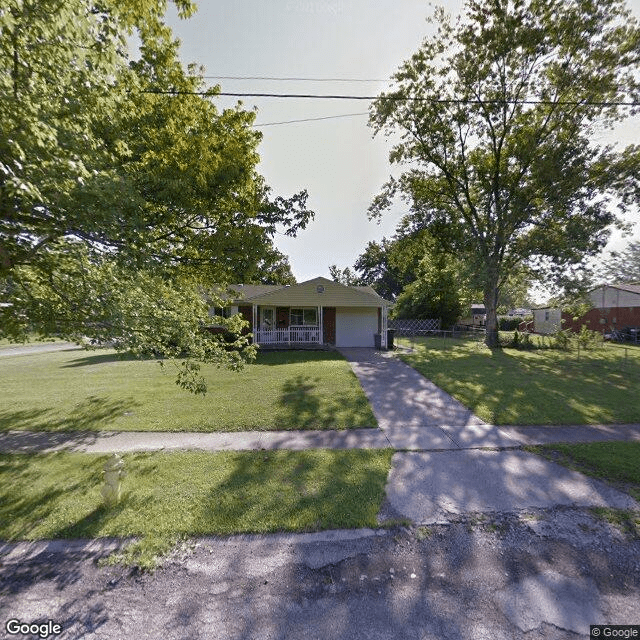
9696 Wymart Avenue, Cincinnati, OH 45231
To contact a resident: (513) 259-5311
For more information about senior living options: (866) 208-4318
Overall Review of P Carter Recovery Home
Pros
 The Potter’s House is described as a blessing in the lives of attendees, offering care, structure, and freedom.
- The staff, including Liz and Tyera, are strong, supportive figures who never give up on those they help.
- The housing manager is credited with creating a safe place to heal and grow.
- Sara is described as kind, respectful, and compassionate in her role.
- Kyle and Kathie are praised as two of the best teachers, who make class real and treat people with respect while guiding recovery.
- The program is said to give people hope and, in some cases, has saved their lives.
- The Potterhouse is described as the best place attendees have ever been, a true place of love and recovery.
- The sober living house is credited with saving lives and helping residents become responsible citizens.
Cons
 The PHP program was highly disorganized and chaotic, making it impossible to focus on the resources being provided.
- The PHP house was just as chaotic and disorganized.
- The management was clearly only concerned about residents paying rent rather than their safety or well-being.
- The living conditions included rat feces, ongoing rat issues, mold, water damage in the ceilings and floors, and a basement constantly flooded with toilet waste, never cleaned up properly.
- The house rules were not enforced and clients did as they pleased, leaving the environment stressful and poorly managed.
- The management seemed more focused on global expansion than addressing immediate issues, built on an unstable foundation that was crumbling.
Review
This community is best suited for adults in early recovery who want a live-in environment that blends real accountability with genuine, compassionate support. The reviews consistently describe staff who listen, respect residents, and treat recovery as a collaborative, growth-oriented process. Residents who crave a setting where structure comes with a human touch, where mentors and housing staff are accessible, nonjudgmental, and focused on practical steps toward independence, will likely find this option compelling. The emphasis on integrated supports, including an IOP component and routine drug testing handled with respect, helps residents build trust in their own ability to stay sober while learning the rhythms of responsible daily living.
Those who may want to consider alternatives are individuals who place a premium on flawless maintenance, spotless facilities, or ironclad, purely rules-based environments. A notable portion of feedback cautions that, in related sober-living setups, organizational chaos and maintenance failures can undermine progress and create a persistently stressful living situation. Prospective residents who require pristine habitability, consistent enforcement of rules, or highly regimented operations may want to shop elsewhere or insist on visiting first to verify that the local operation has kept maintenance, safety, and administrative discipline at a high standard.
The strongest advantages here lie in the human-centered approach and the recovery-focused structure. Across multiple testimonials, the staff are praised for being caring, patient, and genuinely invested in the residents’ ability to change. The program’s blend of accountability with personal autonomy is repeatedly cited as enabling tangible growth, residents feel heard, are encouraged to take responsibility for their choices, and are guided through practical life skills that translate beyond the living arrangement. The presence of an on-site housing manager dedicated to safety and stability, combined with a disciplined IOP component and routine testing, creates a coherent framework where progress can be measured and reinforced day by day. This combination is what can help someone move from “staying clean” to building a sustainable, sober life.
The main drawbacks reflected in the reviews revolve around two themes. First, there is a cautionary note about organizational disarray and safety lapses in related programs managed within the same network. When maintenance and administrative systems falter, the living environment can become stressful rather than therapeutic, diminishing the sense of security essential to recovery. Second, there are explicit concerns about facilities and hazmat-like cleanliness in a different house within the same network, including mold, pest issues, and water intrusion, coupled with a perception that rent takes precedence over resident welfare. While these concerns may be location- or program-specific, they underscore a real risk: a sober-living operation is only as trustworthy as its daily upkeep and its management’s prioritization of residents’ safety.
Given these realities, the decision hinges on priorities and due diligence. If the aim is a hopeful, relationship-driven recovery path with accessible mentors who treat residents as capable individuals and push for genuine accountability, this community stands out as a strong fit. For families and residents, the prudent move is to arrange a first-hand tour, speak with current residents about day-to-day living, and request concrete information on maintenance history, rule enforcement, incident reports, and staffing levels. Cost clarity, length-of-stay norms, and a transparent plan for relapse risk management should be clarified up front, along with written policy on safety issues and emergency procedures.
In sum, this community deserves serious consideration for those seeking a humane, supportive sober-living option that emphasizes growth and accountability within a structured program. It excels when staffing is consistent, care remains resident-centered, and the living environment lives up to its safety and maintenance commitments. It is less ideal for those who require immaculate facilities, zero tolerance for any organizational hiccups, or high-level medical oversight. For families deciding where to place a loved one, weigh the strength of the staff and the recovery philosophy against the realities of facility upkeep and administrative reliability, and lean toward the option that best aligns with the resident’s priorities and risk factors.
 Board and Care Home
 Cincinnati Northern Kentucky International (15 miles away)






 Managing Nursing Home Expenses After Medicare Coverage Ends
 Is a Geriatric Care Manager the Right Choice for Your Family?
 Compassionate Conversations: How to Comfort Someone Who Is Grieving