Clovernook Health Care And Rehabilitation Center in Cincinnati, OH

Save

Clovernook Health Care And Rehabilitation Center in Cincinnati, OH

7025 Clovernook Avenue, Cincinnati, OH 45231

For more information about senior living options: (844) 490-3973

4 from 105 reviews
5 stars
62
4 stars
20
3 stars
4
2 stars
3
1 stars
16

Skilled Nursing Facility

Overall Review of Clovernook Health Care And Rehabilitation Center

Pros

  • pro The staff at Clovernook are friendly and helpful, and greet visitors with smiles.
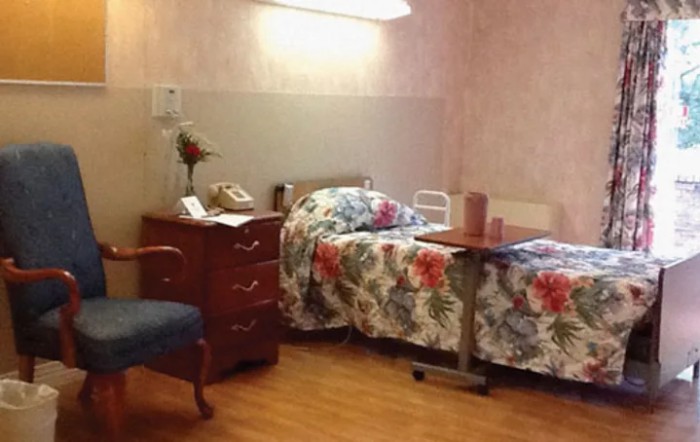
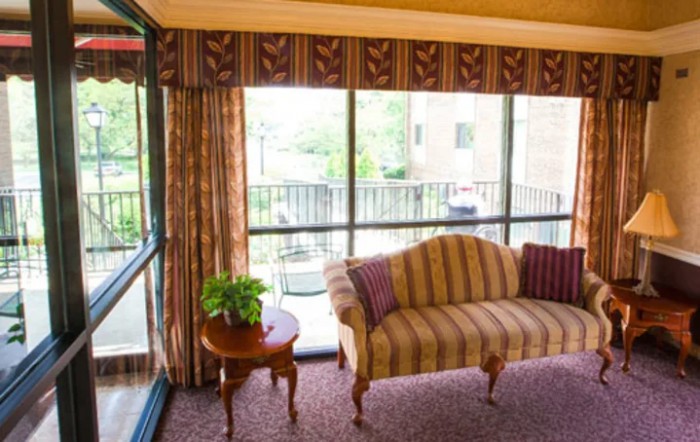
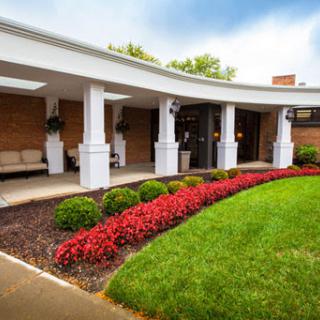
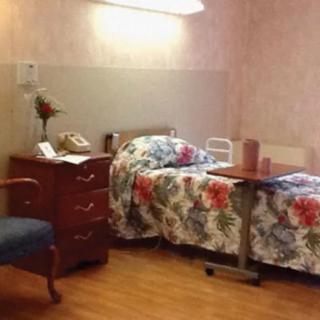
  • pro The facility is clean, bright, and safe.
  • pro Clovernook Healthcare staff really care about the residents and show compassion.
  • pro The activities and physical therapy staff are excellent and engaging.
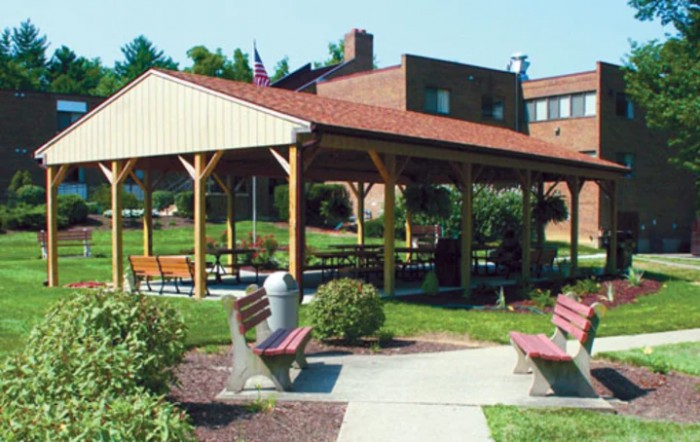
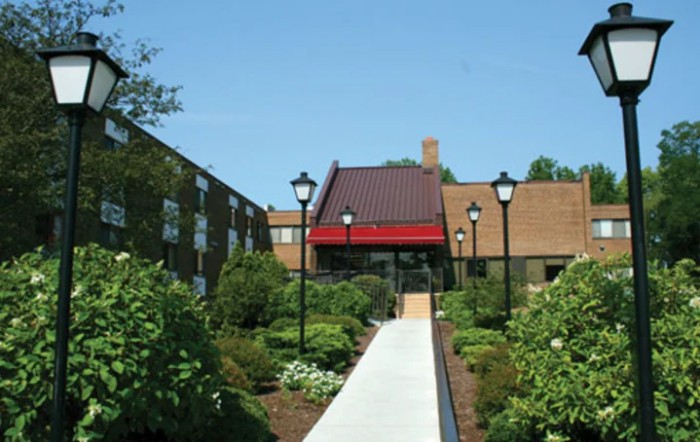
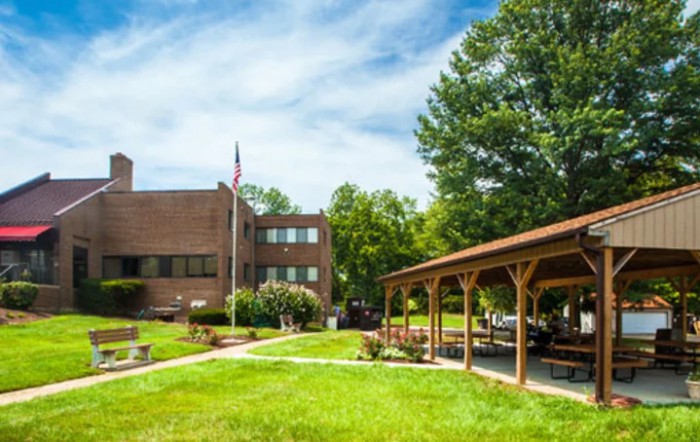
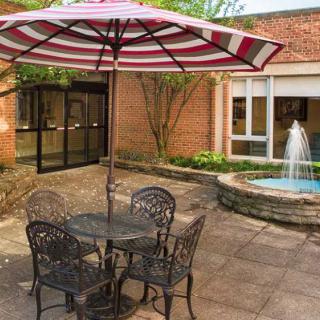
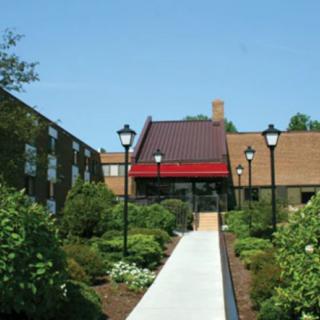
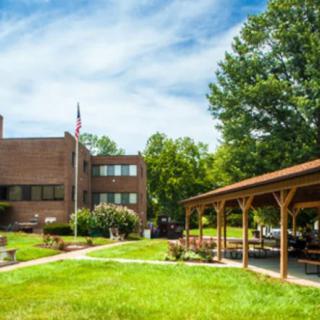
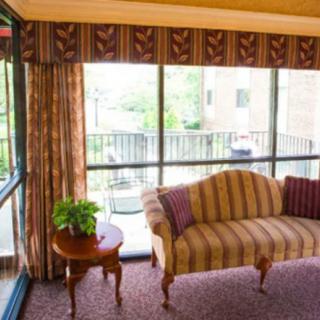
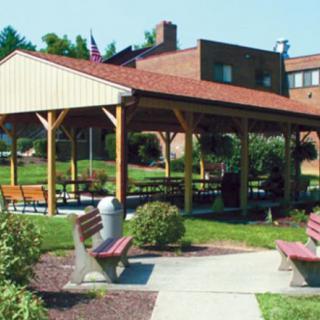
  • pro The grounds are amazing and the outdoor spaces are pleasant.
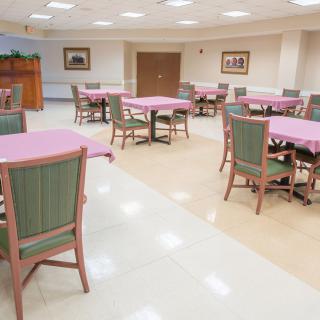
  • pro The dining area is great and meals are enjoyed by residents.
  • pro Clovernook is a special place where staff and residents feel like family.
  • pro The front desk staff are warm and welcoming.

Cons

  • pro The facility is described as the most egregious place the reviewer has ever experienced.
  • pro The staff are accused of laziness and the cleanliness is not up to par.
  • pro Residents are said to be treated poorly and neglected.
  • pro The facility should be shut down and reported to the highest authority.
  • pro Marketing is alleged to misrepresent conditions and lacks transparency.
  • pro The environment is described as neglected, unwelcoming, and far below the standard of care.
  • pro Inappropriate roommate assignments for elderly patients are noted.
  • pro The place is dirty with bedsores and general unsanitary conditions.
  • pro There is a lack of communication and continuity of care due to high turnover and use of agency staff.
  • pro There are allegations of improper therapy billing and misdocumentation, including records being altered to fit agendas.

Review

Clovernook Health Care and Rehabilitation Center is best suited for families seeking a smaller, neighborhood-feel community with a personable staff and robust social programming. The grounds are appealing, and residents often encounter a welcoming front-desk culture and attentive aides. For those who need on-site services like dialysis or who want a setting that supports regular family involvement, Clovernook can deliver a meaningful daily experience when the care team is cohesive. It is not the right fit for residents who demand relentless, highly structured medical oversight, constant supervision, or an operation that is consistently spotless and fully turnkey.

Explicitly, those who should consider alternatives are families weighing staffing stability and care consistency. Several reviews describe significant gaps in care delivery - missed medications, delayed responses, and limited physician contact. Cleanliness and infection control are depicted as uneven, with some families feeling the facility does not meet basic sanitary expectations. For residents with complex medical needs, strict wound care, or advanced dementia requiring tightly supervised routines, the variability in staffing and leadership can translate into unacceptable risk. In short, this is not the place for someone who cannot tolerate ongoing, proactive advocacy and vigilant monitoring.

Positive elements do exist alongside the risks. The most consistent praise centers on warmth and courtesy from many staff members, including admissions personnel, nursing aides, and the activity team, who appear genuinely invested when present. Visitors frequently note clean common areas, attractive outdoor spaces, and a calendar that fosters social engagement, performances, and communal connection. In selected cases, staff go the extra mile to coordinate with families and create a compassionate, respectful floor environment. For residents who can benefit from steady reinforcement and the on-site therapy ecosystem, these strengths can translate into meaningful improvements in mood, motivation, and daily functioning.

Yet the main drawbacks frequently cited - staff turnover, reliance on agency personnel, and gaps in communication - undercut those strengths. Repeated concerns include shifts in nursing leadership, inconsistent medication administration, and limited availability of consistent medical oversight. Reports of bed sores, sanitation lapses, and delays in basic hygiene or assistance appear in multiple accounts. Some families describe a misalignment between marketing representations and on-site reality, particularly around room configurations and the transparency of care plans. These gaps create a challenging backdrop for families who must decide whether ongoing, vigilant advocacy can reliably compensate for uneven care quality.

What to verify before placement is crucial. Demand a formal care plan meeting with the director of nursing and, if needed, a therapy coordinator. Observe a unit during busy hours to gauge response times and confirm staffing patterns - are there stable, full-time staff on the floor, or mostly agency personnel? Request detailed documentation of wound care, medication administration, and any recent safety incidents. Clarify discharge planning, escalation protocols, and how families will be kept informed. Compare pricing to other Cincinnati-area options with similar reputations, ensuring that what is promised matches what is delivered. If high medical complexity or a history of neglect allegations is a concern, proceed with caution and keep a viable alternative in the wings.

Bottom line: Clovernook offers a humane, engaging environment where families who stay actively involved can observe meaningful daily improvements and a sense of community. However, the facility carries tangible safety and consistency risks that cannot be dismissed. For residents needing intensive care oversight, reliable medication management, or consistently pristine conditions, exploring other communities is prudent. The decisive approach combines thorough, repeated visits, frank conversations with frontline staff, and a zero-tolerance stance on opaque care planning. If choosing Clovernook, enter with a concrete advocacy plan, a designated family point person, and readiness to intervene promptly to protect the resident's dignity and overall well-being.

Features

Housing

  • 119 resident community capacity 119 resident community capacity

Types of Care

  • Skilled Nursing Facility Skilled Nursing FacilitySkilled Nursing Facilities are crucial for seniors as they provide round-the-clock medical care, rehabilitation services, and assistance with daily activities. These facilities ensure that seniors receive the specialized care they need to maintain their health and well-being as they age.

Amenities

  • Air-conditioning Air-conditioningAir conditioning is important for seniors as they are more vulnerable to heat-related illnesses and may have underlying health conditions that make it difficult for them to regulate their body temperature. It helps to keep them comfortable, safe, and healthy in hot weather.
  • Beauty salon Beauty salonBeauty salons are important for seniors because they provide a space for them to feel pampered, socialize, and maintain their personal grooming and hygiene. Regular visits to a beauty salon can help boost seniors' self-esteem and overall well-being.
  • Cable or satellite TV Cable or satellite TVCable or satellite TV is important for seniors because it provides entertainment, news, and companionship, helping to combat loneliness and boredom. It also offers a wide range of programming options tailored to different interests and preferences.
  • Computer center Computer centerA computer center is essential for seniors as it provides access to technology, communication tools, and resources that can enhance their daily lives. It allows them to stay connected with loved ones, engage in online activities, and learn new skills, ultimately promoting socialization and mental stimulation.
  • Dining room Dining roomDining rooms are important for seniors as they provide a space for socialization, connection, and nutritious meals. They offer opportunities for residents to bond over shared meals, foster a sense of community, and promote healthy eating habits. Dining rooms also ensure that seniors have access to well-balanced meals tailored to their dietary needs and preferences.
  • Fitness room Fitness roomHaving a fitness room in a senior living community is essential for seniors to stay active, maintain their physical health, and improve their overall well-being. Regular exercise can help prevent falls, reduce the risk of chronic diseases, and promote mental sharpness. It also provides social opportunities for residents to connect with others and enjoy a sense of community.
  • Fully furnished Fully furnishedFully furnished senior living communities are important for seniors because they provide convenience, comfort, and a hassle-free moving experience. Seniors can easily settle into their new living space without the stress of having to buy and move furniture. This allows them to focus on enjoying their new home and community.
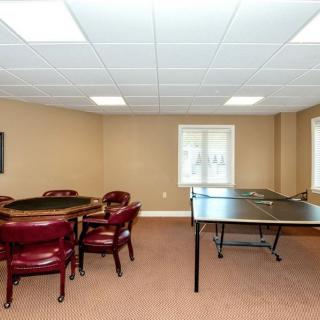
  • Gaming room Gaming roomGaming rooms are important for seniors as they provide a fun and engaging environment for socializing, cognitive stimulation, and physical activity. Games can improve memory, problem-solving skills, and overall mental well-being while fostering friendships and reducing feelings of isolation.
  • Garden GardenGardens are important for seniors as they provide a peaceful and therapeutic environment for relaxation, physical activity, and socialization. Being in nature has been shown to reduce stress, improve mood, and promote overall well-being. Gardens also offer opportunities for seniors to engage in gardening activities, which can improve mobility, flexibility, and cognitive function. Additionally, gardens create a sense of community and connection with others who share a passion for plants and outdoor spaces.
  • Housekeeping services Housekeeping servicesHousekeeping services are important for seniors because they help maintain a clean and safe living environment, promote independence, and reduce the risk of accidents or illnesses. Additionally, having assistance with household chores can alleviate physical strain and allow seniors to focus on other aspects of their well-being.
  • Kitchenette KitchenetteKitchenettes are important for seniors living in senior living communities because they provide the convenience and independence of being able to prepare simple meals and snacks in the comfort of their own living space. This can help promote a sense of autonomy and well-being for seniors, allowing them to maintain some level of control over their dietary choices and daily routines.
  • Move-in coordination Move-in coordinationMove-in coordination is important for seniors because it helps ease the transition into their new living environment. It ensures that all logistics, such as packing, organizing movers, and setting up utilities are taken care of, allowing seniors to focus on settling in and adjusting to their new home. Having a smooth move-in process can alleviate stress and anxiety, making the transition smoother and more enjoyable for seniors.
  • Outdoor space Outdoor spaceOutdoor spaces are important for seniors as they provide opportunities for physical activity, social interaction, exposure to natural light and fresh air, and a sense of connection to nature. Having access to outdoor spaces can improve overall well-being and quality of life for older adults living in senior communities.
  • Private bathrooms Private bathroomsPrivate bathrooms are important for seniors in senior living communities because they provide independence, dignity, and comfort. Having a private bathroom allows seniors to maintain their personal hygiene routines without the need for assistance, promoting a sense of autonomy and privacy. Additionally, private bathrooms help prevent the spread of infections and provide a safe and clean environment for seniors to navigate safely.
  • Restaurant-style dining Restaurant-style diningRestaurant-style dining is important for seniors because it allows them to enjoy delicious, nutritious meals in a social and upscale setting. This enhances their dining experience, promotes healthy eating habits, and fosters socialization with fellow residents, ultimately contributing to their overall well-being and quality of life.
  • Small library Small librarySmall libraries are important for seniors as they provide access to a variety of reading materials, including books, newspapers, and magazines. This can help stimulate their minds, keep them engaged, and provide a sense of community through book clubs and other social activities. Additionally, reading has been shown to improve cognitive function and overall mental well-being in older adults.
  • Telephone TelephoneTelephones are important for seniors as they provide a lifeline for communication with loved ones, emergency services, and healthcare providers. They offer a sense of security and independence, enabling seniors to stay connected and access assistance when needed.
  • Wellness center Wellness centerWellness centers are important for seniors because they offer a variety of programs and services that promote physical, mental, and emotional well-being. These centers provide opportunities for exercise, socialization, education, and relaxation, helping seniors maintain their overall health and quality of life.
  • Wi-Fi/high-speed internet available Wi-Fi/high-speed internet availableWi-Fi/high-speed internet is important for seniors to stay connected with loved ones, access online resources, and participate in virtual activities to combat feelings of loneliness and isolation. It also allows them to easily manage healthcare needs, access entertainment, and engage in lifelong learning opportunities.

Transportation

  • Cincinnati Northern Kentucky International (14 miles away) Cincinnati Northern Kentucky International (14 miles away)
  • Community operated transportation Community operated transportationCommunity operated transportation is crucial for seniors as it provides them with the means to access essential services, social activities, and medical appointments. It allows seniors to maintain their independence and quality of life by ensuring they can participate in activities outside of their homes. Additionally, community-operated transportation services offer a safe and reliable way for seniors to travel without having to rely on family or friends for assistance.
  • Transportation arrangement Transportation arrangementTransportation arrangements are crucial for seniors as they may face challenges with driving, mobility, or access to public transportation. Having reliable transportation services ensures that seniors can easily attend appointments, social activities, and maintain their independence and quality of life.
  • Transportation arrangement (non-medical) Transportation arrangement (non-medical)Transportation arrangements are essential for seniors as they provide access to essential services, activities, and social interactions outside the home. This service helps maintain independence, mobility, and overall well-being for seniors who may have limited transportation options.
  • Transportation to doctors appointments Transportation to doctors appointmentsTransportation to doctors appointments is crucial for seniors as it ensures they have access to necessary medical care and support, promoting their health and well-being. It allows them to receive timely treatment, monitor existing conditions, and address any new health concerns efficiently. Additionally, transportation services can help seniors maintain their independence and quality of life by enabling them to stay connected with their healthcare providers.

Care Services

  • 12-16 hour nursing 12-16 hour nursing12-16 hour nursing care is crucial for seniors in order to ensure around-the-clock monitoring, timely medication administration, and prompt response to any health concerns or emergencies. This level of care helps to promote the overall well-being and safety of seniors living in senior living communities.
  • 24-hour call system 24-hour call system24-hour call systems are important for seniors because they provide peace of mind and immediate assistance in case of emergencies. This technology ensures that help is always available, promoting safety and security for elderly individuals living alone or in assisted living facilities.
  • 24-hour supervision 24-hour supervision24-hour supervision is important for seniors to ensure their safety, well-being, and access to immediate assistance in case of emergencies or health issues. This constant support provides peace of mind for both seniors and their loved ones, allowing them to age in place with dignity and security.
  • Activities of daily living assistance Activities of daily living assistanceActivities of daily living assistance are important for seniors because they provide essential support with tasks such as eating, bathing, dressing, and mobility. This assistance helps seniors maintain their independence, dignity, and overall quality of life as they age.
  • Assistance with bathing Assistance with bathingAssistance with bathing is crucial for seniors as it helps maintain personal hygiene, prevents infections, and ensures their overall well-being and comfort. It also provides a sense of dignity and independence for seniors who may struggle with this task on their own.
  • Assistance with dressing Assistance with dressingAssistance with dressing is important for seniors because it helps maintain their independence, promotes personal hygiene, prevents accidents and injuries, and improves overall quality of life. This service ensures that seniors can continue to dress comfortably and confidently, despite any physical limitations they may have.
  • Assistance with transfers Assistance with transfersAssistance with transfers is crucial for seniors as it helps prevent falls and injuries, maintains their independence, and ensures they can safely navigate their living environment. It also provides peace of mind for both seniors and their loved ones.
  • Diabetes diet Diabetes dietA diabetes diet is crucial for seniors as it helps manage blood sugar levels, reduce risks of complications, and improve overall health and well-being. By following a balanced and nutritious diet tailored to their specific needs, seniors can better control their diabetes and enhance their quality of life.
  • Meal preparation and service Meal preparation and serviceMeal preparation and service are crucial for seniors as they may have limited mobility or energy to cook nutritious meals. Having access to healthy and convenient food options can ensure they are getting the proper nutrition needed to maintain their overall health and well-being.
  • Medication management Medication managementMedication management is crucial for seniors to ensure they are taking the right medications at the correct dosages and times. This helps prevent adverse drug interactions, reduces the risk of medication errors, and promotes overall health and well-being. Proactive management also allows for adjustments as needed based on changing health conditions or new prescriptions.
  • Mental wellness program Mental wellness programMental wellness programs are essential for seniors as they promote cognitive stimulation, emotional support, and social engagement. These programs help prevent isolation, depression, and cognitive decline, ultimately enhancing the overall quality of life for older adults.
  • Special dietary restrictions Special dietary restrictionsSpecial dietary restrictions are important for seniors because age-related changes in metabolism and health conditions can make it difficult for their bodies to process certain foods. By following a diet tailored to their specific needs, seniors can maintain their overall health and well-being, manage chronic conditions, and reduce the risk of complications such as malnutrition or food interactions with medications.

Dining

  • Diabetes diet Diabetes dietA diabetes diet is crucial for seniors as it helps manage blood sugar levels, reduce risks of complications, and improve overall health and well-being. By following a balanced and nutritious diet tailored to their specific needs, seniors can better control their diabetes and enhance their quality of life.
  • Special dietary restrictions Special dietary restrictionsSpecial dietary restrictions are important for seniors because age-related changes in metabolism and health conditions can make it difficult for their bodies to process certain foods. By following a diet tailored to their specific needs, seniors can maintain their overall health and well-being, manage chronic conditions, and reduce the risk of complications such as malnutrition or food interactions with medications.

Activities

  • Community-sponsored activities Community-sponsored activitiesCommunity-sponsored activities are important for seniors as they provide opportunities for social interaction, mental stimulation, and physical activity. These activities can help improve overall well-being, combat loneliness and isolation, and promote a sense of belonging and purpose among older adults.
  • Concierge services Concierge servicesConcierge services are essential for seniors as they provide assistance with daily tasks and errands, enhance their quality of life by offering convenience and personalized care, and promote a sense of safety and security.
  • Fitness programs Fitness programsFitness programs are crucial for seniors as they help improve strength, flexibility, balance, and overall well-being. Staying active can reduce the risk of chronic diseases, improve mental health, and enhance quality of life in older adults.
  • Planned day trips Planned day tripsPlanned day trips are important for seniors because they offer opportunities for socialization, mental stimulation, and physical activity. They provide a change of scenery and help seniors stay engaged and connected to their community, promoting overall well-being and quality of life.
  • Resident-run activities Resident-run activitiesResident-run activities are important for seniors as they encourage social interaction, creativity, and a sense of autonomy. These activities empower seniors to stay engaged and active in their community while fostering meaningful connections with their peers.
  • Scheduled daily activities Scheduled daily activitiesScheduled daily activities are important for seniors because they provide structure, socialization, mental stimulation, and physical activity. Engaging in regular activities can improve overall well-being and quality of life for seniors living in a community setting.

Description

Clovernook Health Care and Rehabilitation Center in Cincinnati, OH is a premier assisted living community that provides exceptional care and amenities to its residents. Situated in a convenient location, the center offers easy access to various amenities and services nearby.

At Clovernook, residents can enjoy a range of amenities designed to enhance their quality of life. A beauty salon is available for those who want to pamper themselves, while cable or satellite TV ensures residents can stay entertained. The community also offers community-operated transportation for outings and appointments, as well as a computer center and Wi-Fi/high-speed internet access for staying connected.

The dining experience at Clovernook is restaurant-style, with delicious meals prepared by the staff and served in a comfortable dining room. Special dietary restrictions are accommodated, ensuring that each resident's unique needs are met. In addition to the dining room, there is also a small library and gaming room where residents can relax and socialize.

Care services at Clovernook are comprehensive and personalized. With 24-hour call system and supervision, residents can feel safe knowing assistance is always available. Trained staff provide support with activities of daily living such as bathing and dressing, as well as assistance with transfers. Medication management is provided to ensure proper administration.

Residents can enjoy an active lifestyle with a variety of activities offered at Clovernook. Fitness programs are available to promote physical health, while planned day trips offer opportunities for exploration outside the community. Resident-run activities provide avenues for socializing and bonding with fellow residents.

Located near cafes, parks, pharmacies, physicians' offices, restaurants, places of worship, hospitals, and transportation options, Clovernook offers convenience for both residents and their families. Whether it's enjoying a meal out or attending medical appointments nearby, everything is easily accessible.

Overall, Clovernook Health Care and Rehabilitation Center in Cincinnati combines outstanding care services with top-notch amenities to create a thriving assisted living community where residents can live comfortably and maintain their independence.

Nearby Places of Interest

Places of Worship

  • Lifespring Christian Church (0.4 miles)
  • St Vivian's Catholic Church (1.3 miles)
  • Vineyard Church Northwest (3.3 miles)
  • St James of the Valley (3.5 miles)
  • White Oak Chapel (3.5 miles)
  • Adath Israel Congregation (6.1 miles)

Pharmacies

  • Kroger Pharmacy (0.5 miles)
  • Walgreens (0.6 miles)
  • Kroger Pharmacy (1.1 miles)
  • Walgreens (1.2 miles)
  • CVS Pharmacy (1.2 miles)
  • CVS Pharmacy (2.6 miles)
  • CVS Pharmacy (2.6 miles)

Restaurants

  • Skyline Chili (0.7 miles)
  • Buffalo Wings & Rings (1.1 miles)
  • Skyline Chili (1.7 miles)
  • Lake Nina Restaurant (2 miles)
  • McDonald's (2.6 miles)
  • The Goody Shop (2.8 miles)
  • Chick-Fil-A (3.3 miles)

Cafes

  • Panera Bread (1.2 miles)
  • Starbucks (3.9 miles)
  • Gabby's Cafe (4 miles)
  • The 86 Coffee Bar & Concert Venue (6.3 miles)
  • Starbucks (6.6 miles)

Hospitals

  • Cincinnati Children's (2 miles)
  • Summit Behavioral Healthcare (4.1 miles)
  • Mercy Health - West Hospital Campus (4.5 miles)
  • Good Samaritan Hospital (5.7 miles)
  • Veterans Hospital (5.9 miles)
  • Cincinnati Children's Hospital Medical Center (5.9 miles)
  • University of Cincinnati Medical Center (6.1 miles)

Parks

  • Winton Woods Cherry Hill Shelter (3.3 miles)
  • Harbin Park (6.9 miles)

Physicians

  • White Oak Family Practice (3.3 miles)
  • Cincinnati Foot Care (3.3 miles)
  • Western Family Physicians (3.8 miles)
  • Seven Hills Women's Health Centers (4.1 miles)
  • Mercy Health - Dry Ridge Family Medicine (4.4 miles)
  • Springdale Family Medicine (4.9 miles)
  • Bowen Center For Women's Health (5 miles)

Transportation

  • Metro Bond Hill Garage (4.8 miles)

Theaters

  • Showcase Cinema de Lux Springdale 18 (6.1 miles)
  • Cinemark (6.3 miles)

Frequently Asked Questions

Where is Clovernook Health Care And Rehabilitation Center?
What photos are available for Clovernook Health Care And Rehabilitation Center in Cincinnati, Ohio?

Nearby Communities

  • Honorworth Home Care

    Honorworth Home Care

    Cincinnati, OH


    pro Close to numerous amenities (cafes, parks, healthcare providers, restaurants, transport, places of worship, and hospitals).

  • Daly Parke

    Daly Parke

    Cincinnati, OH


    pro Excellent access to healthcare, pharmacies, dining, and other amenities in a vibrant Cincinnati neighborhood.

  • Home At Hearthstone

    Home At Hearthstone

    Cincinnati, OH

     
    $3,262 to $3,914 / month

    pro Competitive pricing with extensive amenities.

  • Agape Adult Care Home

    Agape Adult Care Home

    Cincinnati, OH


    pro Private accommodations with diabetic care and a convenient location near parks, pharmacies, hospitals, and dining options.

  • Agape Freedom Center

    Agape Freedom Center

    Cincinnati, OH

     
    $6,500 / month

    pro Vibrant community with extensive nearby amenities.

  • The Christian Village at Mt. Healthy

    The Christian Village at Mt. Healthy

    Cincinnati, OH

    4.3 from 72 reviews
    $2,025 to $2,725 / month

    pro Compassionate staff in a clean, home-like setting with engaging activities.

  • Burlington House Nursing Home

    Burlington House Nursing Home

    Cincinnati, OH

    3.2 from 59 reviews
     

    pro Helpful staff and solid dementia care.

  • The Alois Alzheimer Center

    The Alois Alzheimer Center

    Cincinnati, OH

    3.5 from 99 reviews
    $5,250 / month

    pro Specialized memory-care focus with professional, attentive staff and clean facilities.

  • The Wellington At North Bend Crossing

    The Wellington At North Bend Crossing

    Cincinnati, OH

    4.2 from 169 reviews
    $2,395 to $5,585 / month

    pro Friendly, attentive staff and well-kept, spacious rooms with active resident programming.

Related Resources

  • uti in elderlyUrinary Tract Infections in Older Adults: Comprehensive Insights on Symptoms, Treatment, and Prevention

    Older adults with urinary tract infections (UTIs) often present atypical symptoms, complicating diagnosis due to factors like incomplete bladder emptying and chronic health conditions that increase their susceptibility. Effective management involves prompt treatment with antibiotics, hydration, and preventive strategies while minimizing antibiotic resistance and focusing on holistic care approaches.

  • 602 formCalifornia's Form 602A: An In-Depth Examination of Senior Care Assessment

    California's Form 602A is a vital tool for evaluating the health needs of seniors seeking residential care, detailing their medical conditions and daily living requirements to ensure proper service alignment. This standardized form enhances communication among physicians, families, and facilities, serving as a regulatory measure for admissions and ongoing care while adapting to changing healthcare practices.

  • elderly blood pressure chartComprehensive Look at Senior Blood Pressure Charts: Normal and Elevated Levels by Age
    The overview of blood pressure management for seniors emphasizes the importance of monitoring and interpreting blood pressure readings, noting that normal ranges can vary due to age-related factors and individual health conditions. It highlights tailored guidelines for systolic and diastolic levels, the necessity of early detection and consistent management to prevent serious health complications, and advocates for personalized care strategies that incorporate lifestyle changes and medication adherence.