

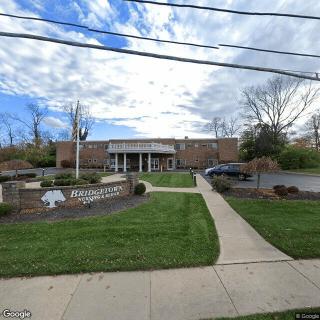
5427 Julmar Dr, Cincinnati, OH 45238
To contact a resident: (513) 922-5106
For more information about senior living options: (866) 208-4318
Overall Review of Julmar Share A Home
Pros
 The school provides excellent communication to parents.
- Ms Kathy and Ms Kim are phenomenal teachers with genuine warmth.
- Ms. Marty genuinely loves what she does, and it shows.
- The school keeps things fun and organized with monthly themed play rooms.
- The school hosts enriching visits from professionals such as fire departments, police, dentists, and others.
- The daughter loved her time there and felt safe, supported, and loved by the teachers and staff.
- The facilities are well maintained, including a large-muscle room with a trampoline and foam pit.
- The preschool is well-organized and hosts many fun events throughout the year.
Cons
 The director placed the child in the 4-year-olds class without discussing it with the parent, behind the parent's back.
- The director's reasoning that the child couldn't handle pre-K material was given without specifics and criticized as lacking.
- The parent felt outraged by the unilateral, undisclosed decision.
- The parent perceived the school as having low expectations for the child's education, prompting withdrawal.
- The reviewer warned that the school may not be suitable for non-typical children.
Review
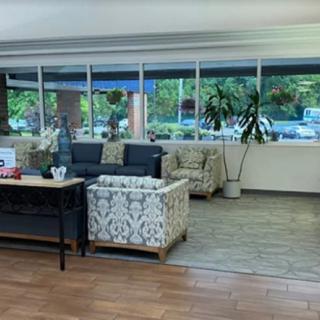
Julmar Share A Home in Cincinnati is best suited for seniors who prize a small, home-like setting where personal attention and daily structure are prioritized. This community fits residents who value intimate caregiver relationships, predictable routines, and the comfort that comes from staff who know their preferences and routines by heart. It works well for those who want a residence that emphasizes safety, a calm pace, and opportunities for meaningful engagement without the bustle of a large campus. For families seeking a warm, person-centered atmosphere where staff serve as active partners in daily life, this setting often checks most boxes.
However, it is important to consider alternatives for residents who require higher medical acuity, memory care, or a broader array of on-site clinical resources. If 24/7 nursing oversight, complex wound care, or highly specialized dementia programming are non-negotiable, a larger community with dedicated memory care wings and in-house medical teams may be a better fit. Families that prioritize a broad social calendar, extensive on-site therapies, or campus-wide amenities might also prefer a more expansive option. Julmar Share A Home can feel ideal in its simplicity, but that same simplicity may limit certain needs.
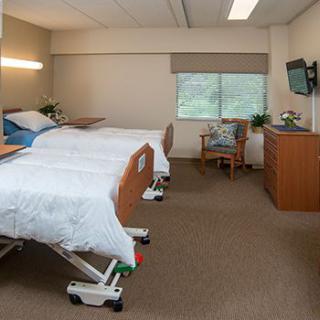
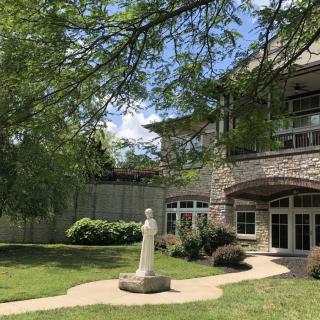
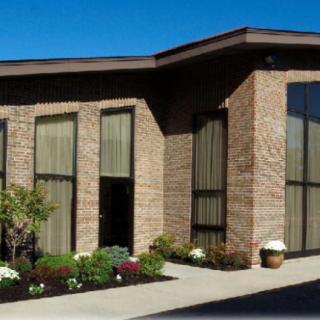
The strongest pros rest in caregiver warmth, clear lines of communication with families, and a well-organized daily life. A small, attentive team tends to know residents’ routines, preferences, and histories, which translates into individualized care that respects autonomy while maintaining safety. The environment’s tidy maintenance and purpose-built spaces support easy navigation and participation in activities tailored to older adults. In practice, these strengths translate into residents who feel seen, secure, and engaged, with regular opportunities to connect with the surrounding community and participate in purposeful programming.
On the downside, the punch of a small setting can also become a constraint. The limited scale may mean fewer peers at similar stages of life, potentially narrowing social opportunities unless programming is aggressively diversified. A secondary concern is a potential rigidity in policy or decision-making. The most productive care experiences rely on flexible, transparent processes; when residents or families perceive that plans are made without full discussion, frustration can arise. While no major clinical gaps are exposed in the available information, the risk that needs may outpace the community’s capacity to customize must be acknowledged.
These cons, however, are largely offset by the thoughtful strengths described above. Strong family communication minimizes misalignment and reassures households that care decisions reflect resident preferences. A structured day supports cognition and physical health by providing predictable activities, which reduces anxiety for residents who thrive on routine. The sense of safety, bolstered by well-maintained facilities and staff who monitor daily functioning, can outweigh the desire for expansive amenities. Moreover, opportunities for community engagement and varied programming help prevent isolation, ensuring residents remain connected to life beyond the doorway.
For families weighing options, a practical path forward emphasizes verification of care-planning processes, resident-choice in daily activities, and a trial period if possible. Ask about how care plans are updated, how resident preferences drive scheduling, and how conflicts between resident desires and staffing realities are resolved. Inquire about staff training in person-centered approaches, emergency protocols, and the availability of rehabilitation or therapy services on-site or nearby. If the resident values intimate attention, consistent routines, and a home-like feel, Julmar Share A Home stands out as a prudent choice. If medical complexity and expansive on-site programming are higher priorities, other options should be explored with equal rigor.
In sum, Julmar Share A Home serves a niche of seniors who want a compact, affectionate setting where care feels personalized and neighborly. It is decisively recommended for individuals who thrive on routine, meaningful daily engagement, and close-knit staff relationships. Those needing robust clinical care, a broad social ecosystem, or expansive campus amenities should look to alternative communities that can meet higher acuity and scale demands. With careful due diligence, visits, direct conversations about decision-making, and a clear plan for the resident’s goals, families can determine whether this intimate home aligns with long-term well-being and peace of mind.
 Board and Care Home
 Cincinnati Northern Kentucky International (6 miles away)



 California's Form 602A: An In-Depth Examination of Senior Care Assessment
 Comprehensive Look at Senior Blood Pressure Charts: Normal and Elevated Levels by Age
 Top Canine Companions for Older Adults