

1058 Columbus St, Chillicothe, OH 45601
To contact a resident: (740) 773-5000
For more information about senior living options: (866) 208-4318
Overall Review of Heartland of Chillicothe
Pros
 The place was excellent.
- The doctors, nurses, aides, office workers, and therapy staff were all loved by the resident.
- The staff put the resident back together.
- The resident said she would never forget the staff.
- The patient would give the place 100 stars if possible.
Cons
 The facility did not bathe the patient for five days.
- The staff did not care for her as they should have.
- She developed bed sores because they never helped move her.
- The blankets and sheets were always filthy.
- The facility does not have enough staff and the staff do not seem to care.
- The room was disgusting and the floor was filthy, with non-caring staff.
- The staff were rude and mean to the patients, with reports of rough treatment.
- The facility was run down and dirty, and no one seemed to look after the patients.
Review
Heartland of Chillicothe is best suited for seniors who need structured, clinically focused rehabilitation after a hospital stay and have active family or advocate involvement to shape and monitor care. The facility’s strongest value lies in its rehabilitative backbone: a capable cadre of doctors, nurses, and especially therapy professionals who can drive meaningful improvements in mobility and independence when the resident engages with the program. For someone ready to commit to a rehab plan, with clear goals and a proactive care team, this community can deliver tangible progress. It is not, however, a one-size-fits-all solution, and the realities of daily caregiving at this site demand realistic expectations.
Those prioritizing daily comfort, consistent personal hygiene, and reliable safety oversight should consider alternatives. Review threads highlight chronic concerns about understaffing, uneven attentiveness, and lapses in routine care. Instances of prolonged neglect, such as missed baths, delayed assistance with daily needs, and unsafe or uncomfortable conditions, underscore the risk of inconsistent caregiving. Some family members report rooms and common areas that feel poorly kept, with minimal supervision and limited responsiveness from staff. In short, for residents who require steady, compassionate day-to-day care, the current pattern may fall short.
The strongest upside rests with the rehabilitative potential and the medical team. The most vivid praise centers on outcomes achieved under skilled therapy and medical oversight: residents who are focused on regaining function can experience real progress, sometimes transforming a daunting post-hospital trajectory into a more hopeful one. The dedication of therapists and clinicians is repeatedly cited as a major asset, with recovery stories that underscore what a committed team can accomplish. Even amid broader quality concerns, the rehab-focused staff remains a decisive positive for individuals who enter with clear mobility goals and the desire to push through a structured therapy plan.
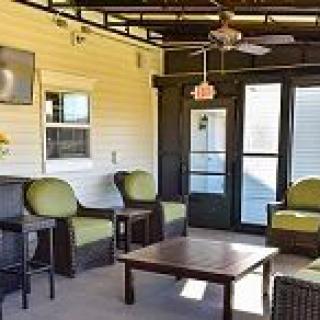
Yet the main drawbacks are persistent and systemic enough to temper the optimism. Staffing shortages appear to translate into inconsistent attention to residents’ daily needs, long gaps between care activities, and uneven enforcement of basic cleanliness and safety standards. The pictured environment, tired rooms, dirty linens, and floors, plus reports of patients going unattended or being left uncomfortable, reflects a culture where routine care can be unreliable. Rudeness or rough handling by some staff members, and occasional reluctance to monitor wandering or ensure timely meals, amplify the risk for vulnerable residents. Remodeling helped appearance in some areas, but it did not fully address the core gaps in daily caregiving.
When weighing pros against cons, Heartland of Chillicothe is most compelling for families pursuing short- to medium-term rehab outcomes with a strong clinical team, and where family members will actively participate in daily care planning and oversight. The rehab wins can outweigh the negatives if the resident is committed to therapy and the facility can align staffing and scheduling to support consistent progress. However, for long-term custodial care, safety, cleanliness, and consistently compassionate daily interaction, the cons tend to erode confidence. In such cases, alternatives, sites with demonstrably steadier staffing, cleaner environments, and more reliable daily care, deserve serious consideration.
Practical next steps for families considering this community are clear. Arrange a detailed tour with a focus on daily routines: staff-to-resident ratios during peak and off-peak hours, how often assistance with bathing and feeding occurs, and how therapies are scheduled and documented. Request current staffing data, review incident logs, and ask to speak with the therapy team about typical patient trajectories. If choosing Heartland, develop a formal care plan that names accountability for daily hygiene, nutrition, and safety, with explicit escalation paths if needs are not met. For those who value a pristine environment and unwavering daily attentiveness, it may be prudent to compare with other local options that emphasize consistent custodial care alongside rehab capability.
 99 resident community capacity
 Assisted Living
 Skilled Nursing Facility
 Activities on-site
 Air-conditioning
 Beauty salon
 Cable or satellite TV
 Computer center
 Devotional services off-site
 Dining room
 Fitness room
 Fully furnished
 Gaming room
 Garden
 Housekeeping services
 Indoor common areas
 Kitchenette
 Move-in coordination
 Outdoor space
 Private bathrooms
 Restaurant-style dining
 Small library
 Telephone
 Wellness center
 Wi-Fi/high-speed internet available
 Community operated transportation
 12-16 hour nursing
 24-hour call system
 Ambulatory care
 Assistance with bathing
 Assistance with dressing
 Assistance with transfers
 Diabetes diet
 Diabetic care
 Medication management
 Mental wellness program
 Special dietary restrictions
 Concierge services
 Planned day trips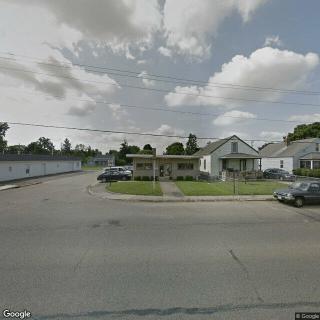




 Understanding Medicaid Coverage for Assisted Living: A Comprehensive Guide
 How and When Medicaid May Cover Assisted Living Costs
 A Detailed Exploration of Assisted Living Medicaid Waivers Across the United States