142 University Drive, Chillicothe, OH 45601
For more information about senior living options: (866) 208-4318
National Church Residences Of Chillicothe Costs & Pricing
National Church Residences of Chillicothe offers a range of accommodation options with monthly costs that are notably competitive compared to both Ross County and the broader state of Ohio. For a semi-private room, residents can expect to pay $1,950, significantly lower than the county average of $3,556 and the state average of $3,965. The one-bedroom units are available for $2,087, again providing savings when contrasted with the county's higher rate of $4,736 and a slightly lower state average of $3,712. Interestingly, while two-bedroom accommodations at National Church Residences cost $3,067 - slightly above Ross County's rate of $2,084 - this remains more affordable than the state's average of $3,501. Lastly, studio apartments are priced at $3,928, which is in line with the county's figure but below the state level of $3,727. Overall, these rates illustrate National Church Residences Of Chillicothe as an attractive option for those seeking quality housing in a supportive community without incurring excessive costs.
| Floor plans | National Church Residences Of Chillicothe | Ross County | Ohio |
|---|---|---|---|
| Semi-Private | $1,950 | $3,556 | $3,965 |
| 1 Bedroom | $2,087 | $4,736 | $3,712 |
| 2 Bedrooms | $3,067 | $2,084 | $3,501 |
| Studio | $3,928 | $4,107 | $3,727 |
Assisted Living communities with a similar price nearby
-
About the same
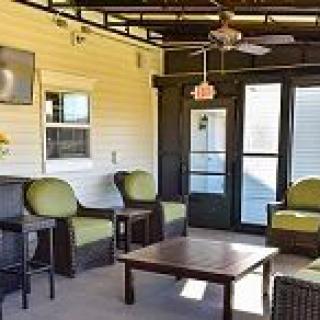
The Wyngate at Circleville
$1,990 to $2,395 / month20.1 miles away -
from +$300 / mo
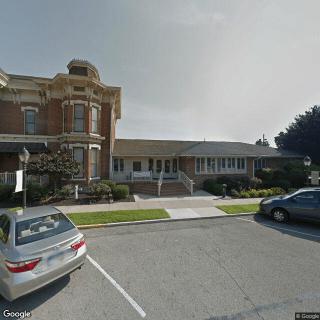
Brown Memorial Home
$2,250 to $5,100 / month18.5 miles away -
About the same
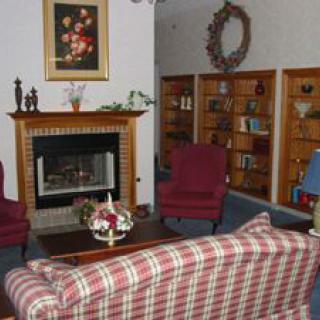
Liberty Village Assisted Living
$1,940 / month1.3 miles away
Overall Review of National Church Residences Of Chillicothe
Pros
 The staff is very nice and all who are met are pleasant.
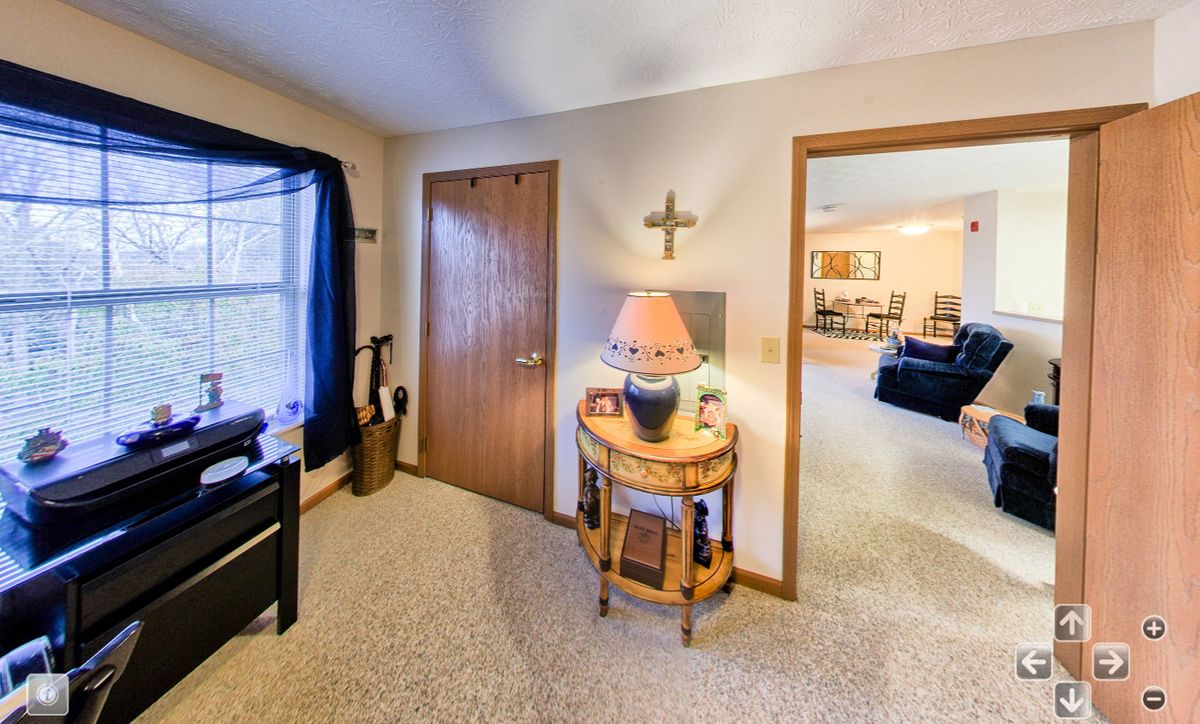
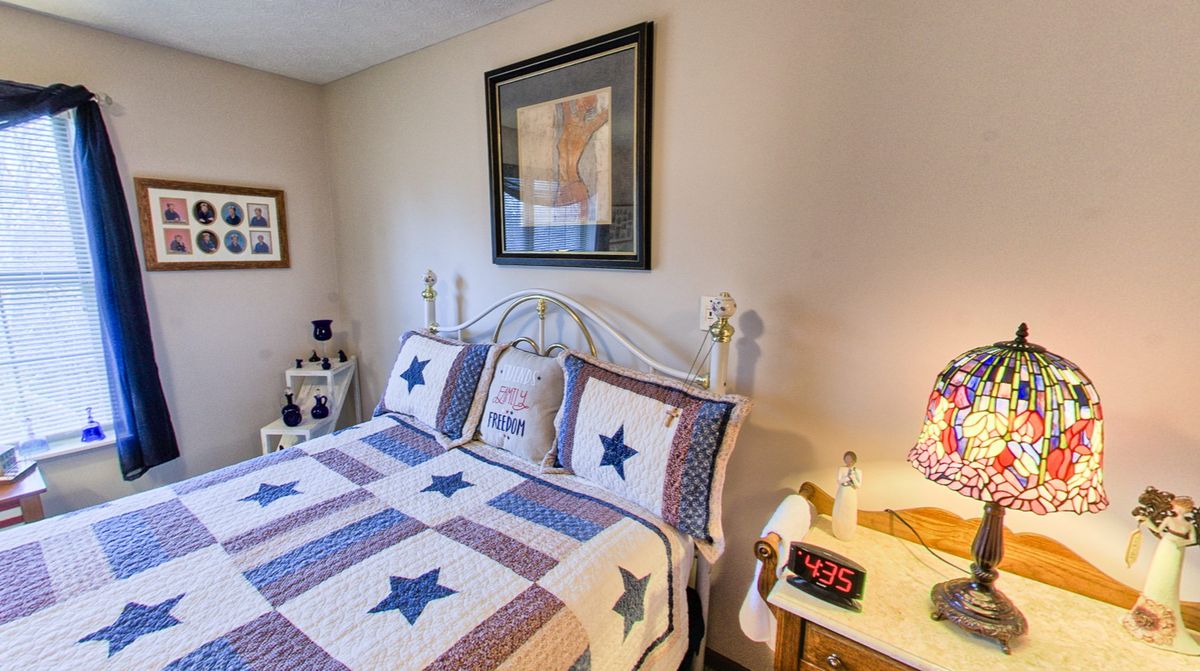
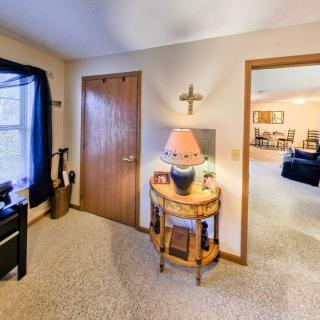
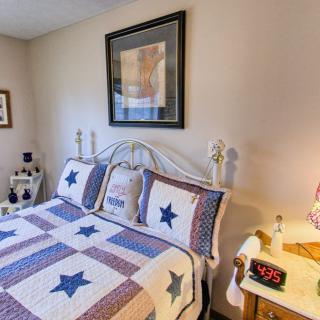
- The rooms are clean and adequately sized for a single person, with studio and one-bedroom options.
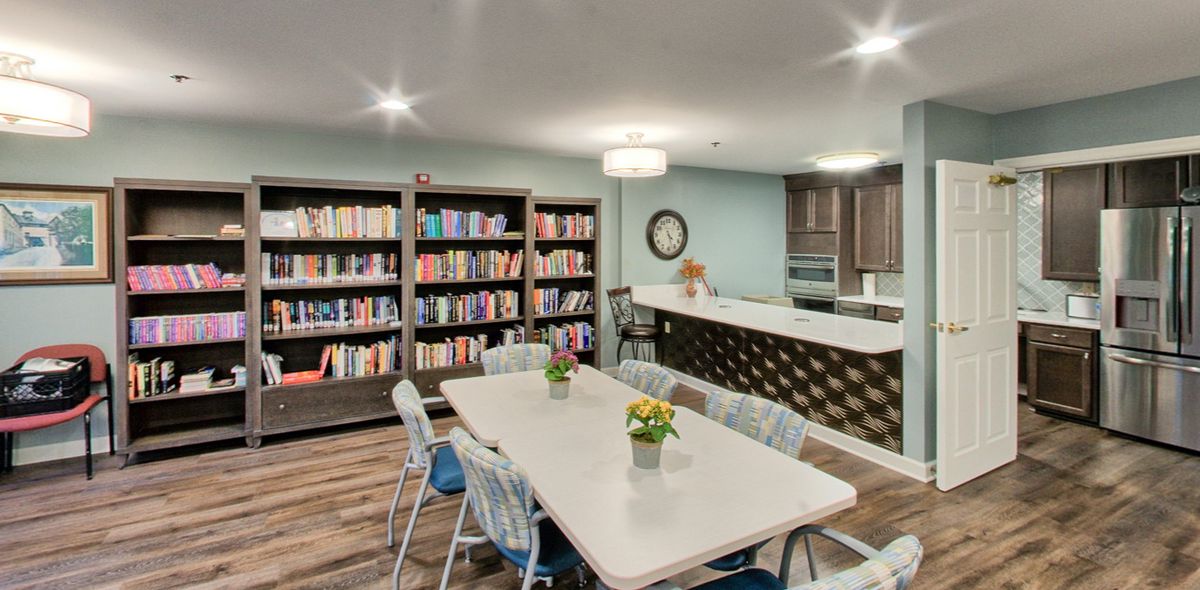
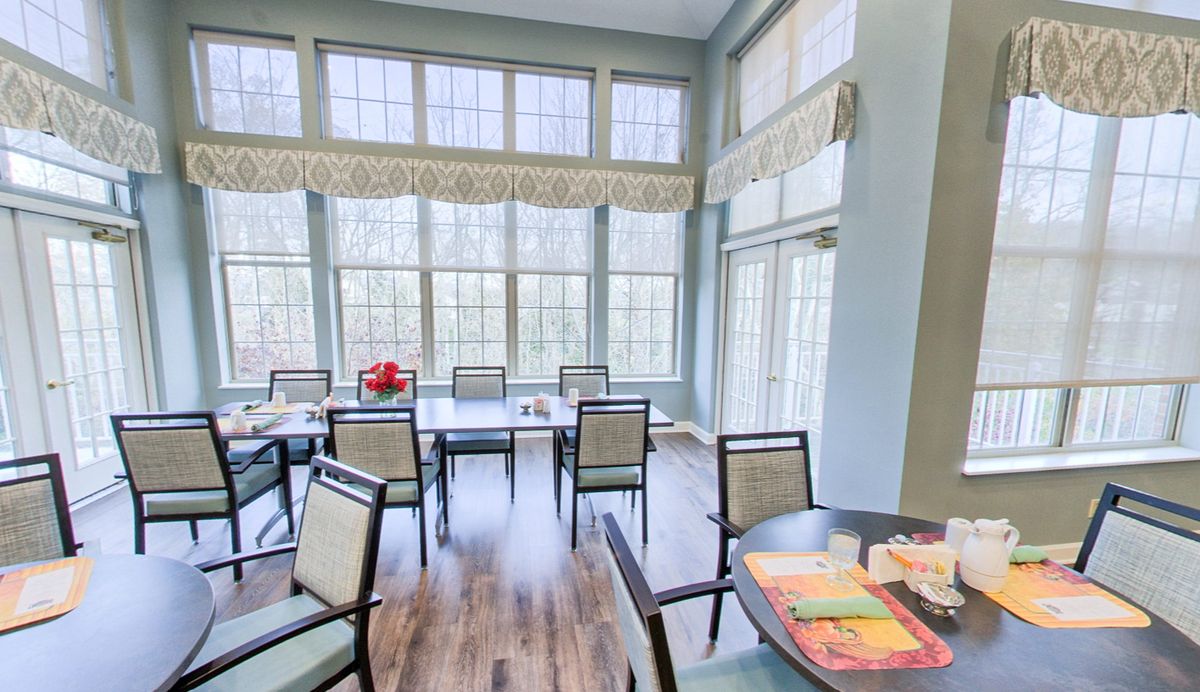
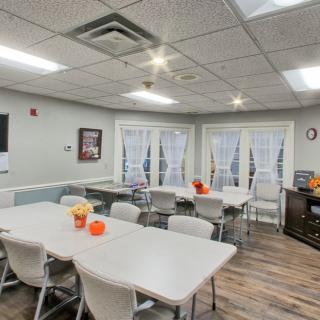
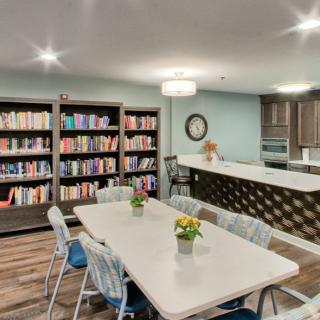
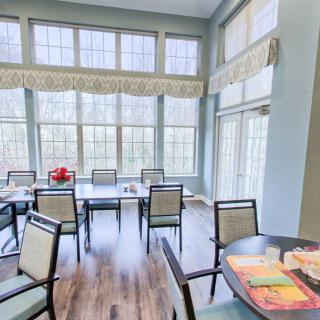
- The dining area is well-lit and clean, with flexible two-hour dining blocks.
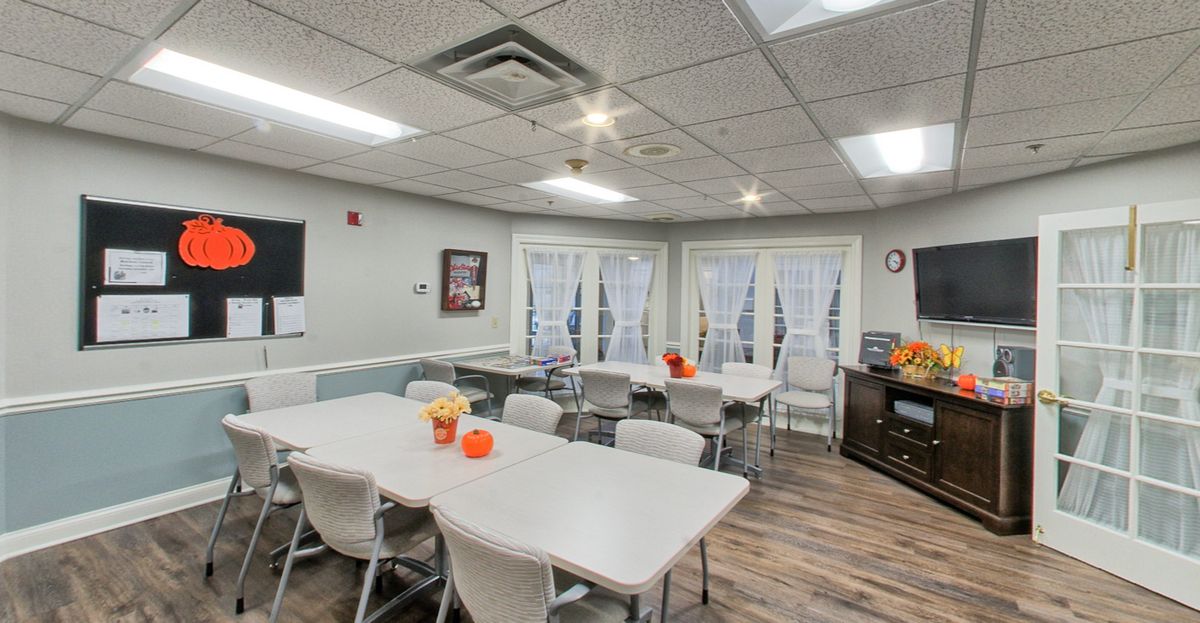
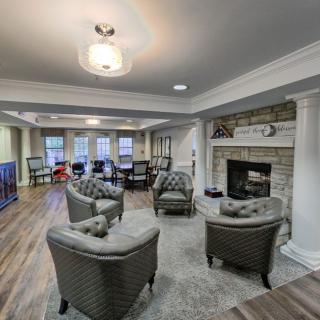
- The facility provides social spaces and activities, including a community room for activities and movies, and a salon.
- The apartments are spacious and well maintained, and security is excellent.
- The physical therapy is excellent, with kind and effective therapists.
- The meals are balanced for a healthy diet and coordinated with a nutritionist for dietary needs.
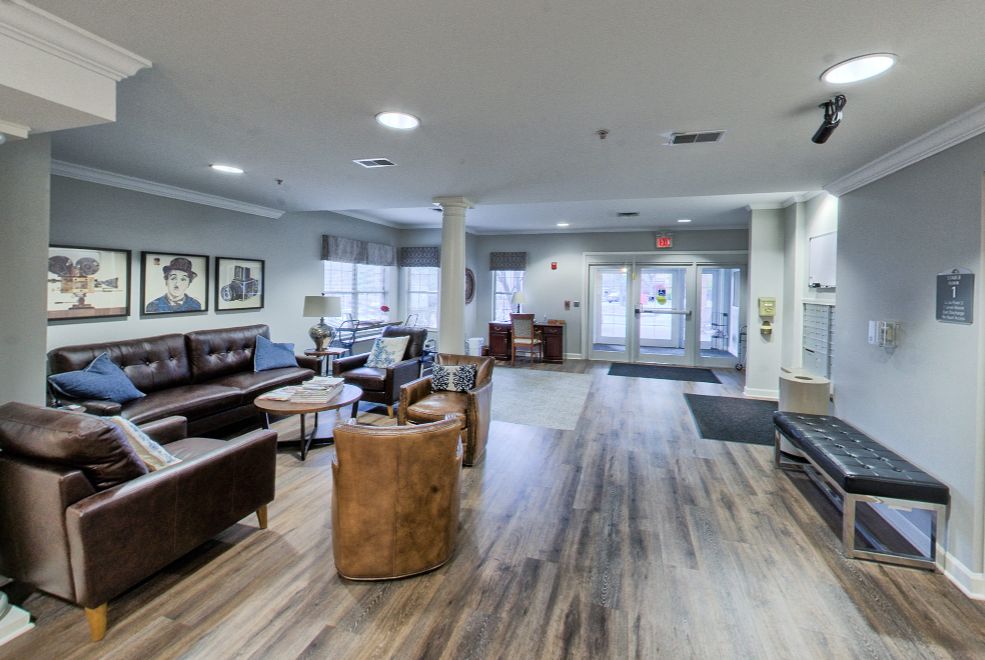
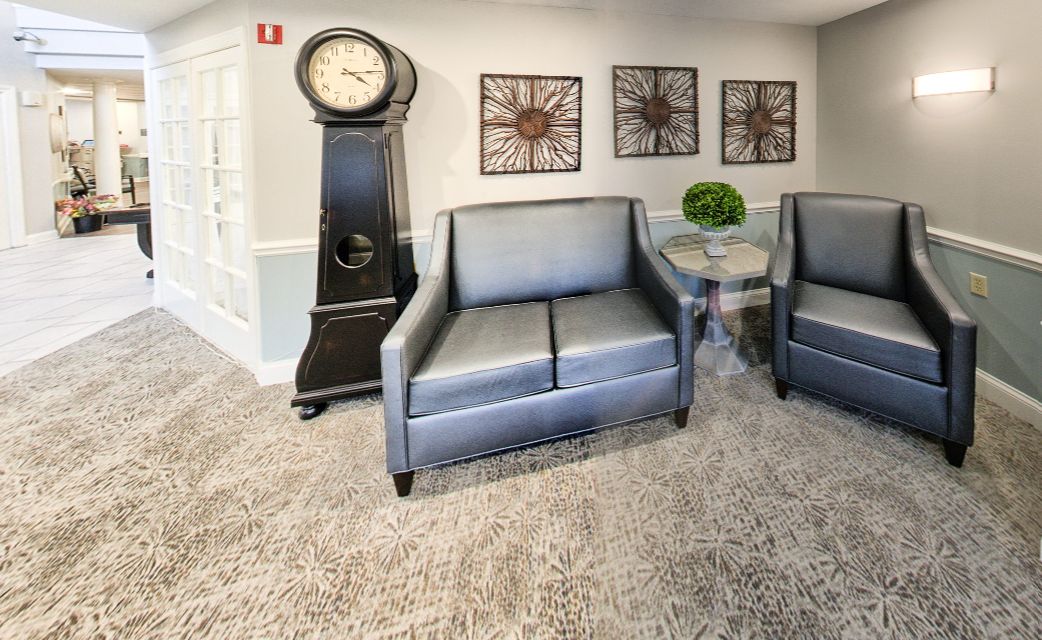
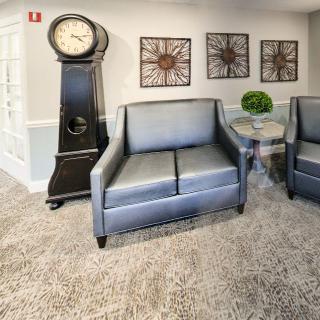
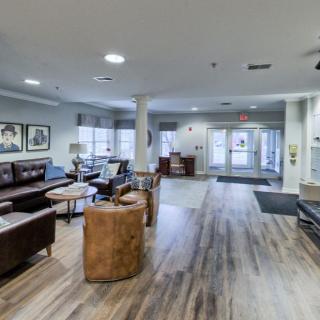
- The lobby is well maintained and offers books and magazines for pleasure reading, making visitors feel welcome.
Cons
 There is a letdown in patient care despite friendly staff.
- Anything that goes wrong with a patient's condition is the patient's fault.
- The nursing director and medical director took no responsibility for the patient developing two stage-4 bed sores and significant weight loss.
- The patient can barely stand with assistance at this time.
- It is so sad to see her debilitated so fast when it didn't need to happen if there was responsible care.
- The only problem is the staff does not seem to care very much about the patients under their care.
Review
This community is best suited for seniors who want a small, home‑like assisted living environment with approachable staff, clean, comfortable living spaces, and a steady stream of social and wellness activities. It works well for respite stays and for families seeking a warm, less institutional atmosphere where staff are friendly, the rooms are adequately sized, and the dining room is welcoming and well managed. The emphasis on personal attention in a smaller setting makes it a strong candidate for residents who value familiarity, routine, and regular opportunities to socialize without the pace of a large campus.
Those considering alternatives should note that this may not be the right pick for residents with substantial medical needs or complex wound and weight‑loss concerns. Several reviews point to variability in medical oversight, with some sessions showing attentive nursing and proactive care, but others describing reactive responses and serious complications. For families prioritizing aggressive medical management, proactive care planning, or highly responsive clinical oversight, a facility with a more robust clinical team or a nursing‑home focus may be a better fit. The setting can feel busier at times, which might dilute the perceived level of individualized attention for those who require frequent care adjustments.
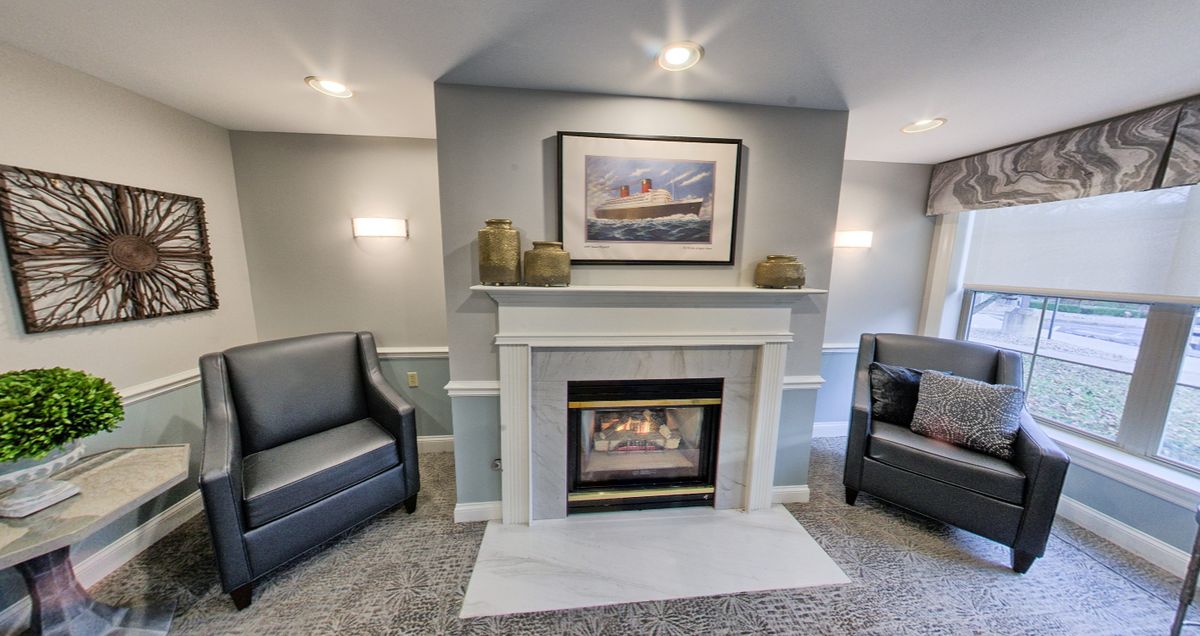
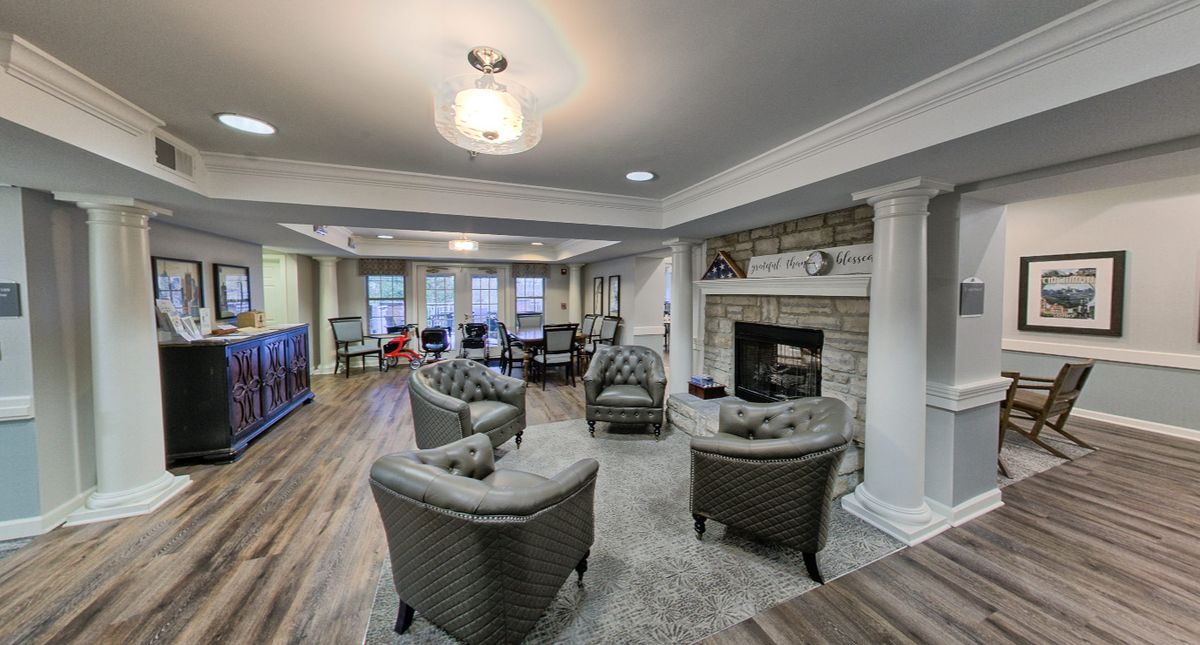
On the positive side, the small size and clean, tidy environment translate into genuine encounters with staff and a sense of community. Rooms are described as pleasant and well maintained, with options that include studios and one‑bedroom layouts. The dining experience is dependable, with a bright, organized dining area and flexible service blocks that allow residents to eat on their own schedule within a two‑hour window. Social spaces, the community room, salon, and multiple seating areas, support a rich cadence of activities, from movies to group interactions, which helps maintain engagement and reduces isolation for many residents.
The facility earns additional points for its robust activity and care ecosystem. Physical therapy receives strong praise for effectiveness and compassionate therapists, and meals are structured to balance dietary needs with practical dining realities, often coordinated with a nutritionist. Security is highlighted as a strength, providing peace of mind for families, and the staff’s courtesy and willingness to assist are repeatedly noted. The environment also feels welcoming to visitors, with a lobby and common areas that convey a sense of liveliness and inclusion, including a culture where younger family members feel comfortable visiting.
However, the most consequential caution centers on medical care quality and consistency. Not all experiences align with the positive tone elsewhere: there are references to serious patient deterioration, stage 4 bedsores, significant weight loss, and a sense that care was more reactive than proactive. These accounts underscore that while front‑line staff and daily operations can be commendable, clinical oversight and timely, preventive interventions vary. For families, this means the facility may deliver a solid living environment and good general support, but it requires careful due‑diligence around care planning, staffing ratios during shifts, and explicit expectations for how medical issues are anticipated and managed.
Bottom line: for decision‑makers balancing livability with light‑to‑moderate assistance and a strong social fabric, National Church Residences of Chillicothe offers a compelling package. Prospective residents should gauge the adequacy of medical oversight for their loved one’s needs, and verify access to proactive wound and weight‑management strategies, day‑to‑day clinical responsiveness, and a dependable care plan. If those medical supports are clearly defined and align with the resident’s needs, this community can be an excellent home that blends comfort, community, and practical care. If, instead, the priority is unwavering, high‑level clinical management on a daily basis, exploring alternatives with stronger medical infrastructure is advised.
 100 resident community capacity
 1-bedroom apartments
 Assisted Living
 Continuing Care Retirement Community (CCRC)
 Independent Living
 Memory Care
 Respite Care
 Skilled Nursing Facility
 Cats allowed
 Dogs allowed
 Activities off-site
 Air-conditioning
 Bath tubs
 Beautician on-site
 Cable or satellite TV
 Computer center
 Devotional services off-site
 Dining room
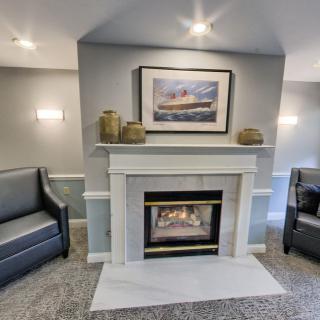
 Fireplaces
 Fitness room
 Full kitchen
 Fully furnished
 Gaming room
 Garden
 Ground floor units
 Handicap accessible
 Housekeeping services
 Indoor common areas
 Move-in coordination
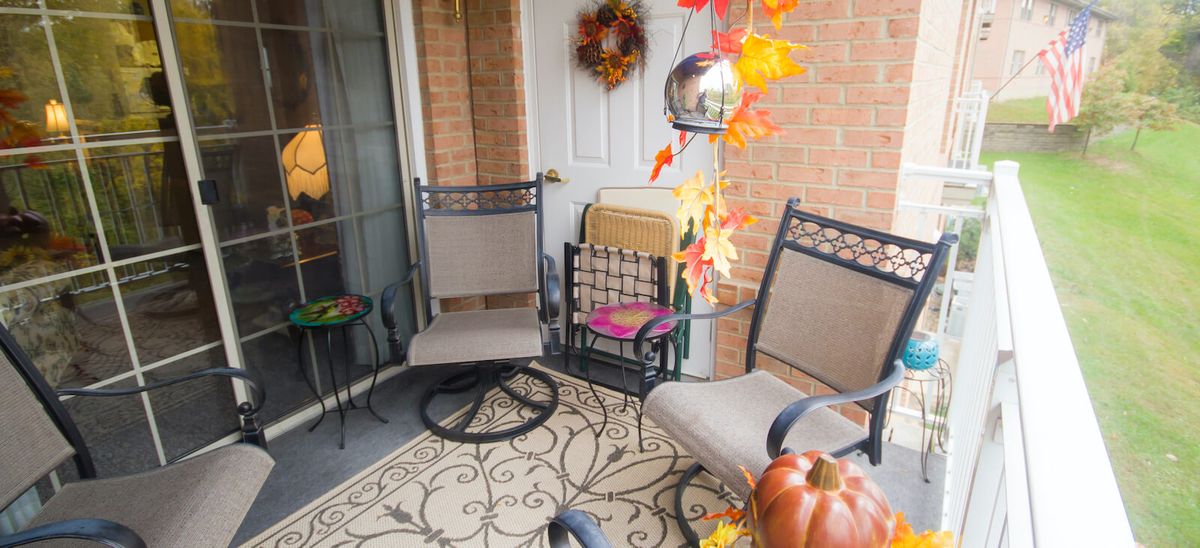
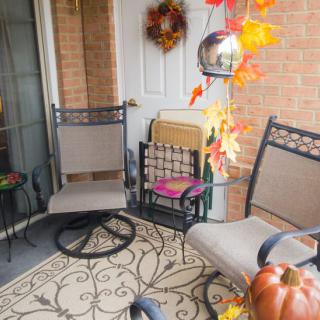
 Outdoor common areas
 Party space
 Private bathrooms
 Restaurant-style dining
 Small library
 Telephone
 Wellness center
 Wheelchair accessible showers
 Wi-Fi/high-speed internet available
 Community operated transportation
 12-16 hour nursing
 24-hour call system
 Ambulatory care
 Assistance with bathing
 Assistance with dressing
 Assistance with transfers
 Diabetes diet
 Diabetic care
 Incontinence care
 Medication management
 Mental wellness program
 Physical therapy
 Special dietary restrictions
 BBQs or picnics
 Concierge services
 Live dance or theater performances
 Live musical performances
 Pet-focused programs
 Planned day trips
 English

 A Detailed Exploration of Assisted Living Medicaid Waivers Across the United States
 Exploring the Contrasts Between Assisted Living and Skilled Nursing
 Vibrant Senior Living: A Comprehensive Guide for Active Older Adults