

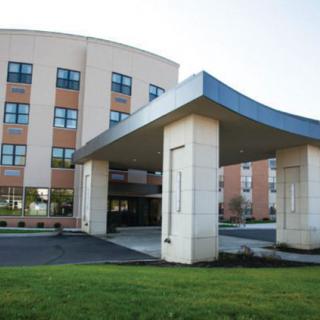
4150 Belden Village Ave. Suite 301, Canton, OH 44718
To contact a resident: (877) 616-2946
For more information about senior living options: (866) 208-4318
Overall Review of Maxim Healthcare
Pros
 The onboarding process at Maxim is very helpful.
- Sandra, the recruiter, Kaitlyn, and Ashley are very helpful and nice.
- The company is patient with its employees and ensures their comfort with the homes they work in.
- The company offers hours and is recommended for those seeking opportunities.
- The office cares about patients and provides quality services to clients.
- The team cares about caregivers and patients.
- Maxim dedicates time and resources to providing the best staff for clients and offers nationally recognized training programs.
- Maxim is a wonderful place to work and employees love working there.
Cons
 The reviewer alleges abuse by staff and that management attempted to cover it up.
- They claim Julie dropped their uncle on the floor and left him there, causing bruises.
- They state Julie walked out in the middle of her shift when confronted.
- They say Vanessa told them not to contact the company anymore and then left.
- They claim to have video evidence of Julie dropping him and forcing him to walk after physical therapy, which was unsafe.
- They contend the company will never forget dissent, no matter how much they beg.
Review
Maxim Healthcare in Canton, OH is best suited for families seeking in-home care delivered by a workforce that is engaged, well-trained, and recognized for its commitment to staff development. This agency tends to work best when the priority is a caregiver cadre with stable tenure, thorough onboarding, and a culture that actively reinforces professional growth. It is not the right fit for families prioritizing ironclad safety guarantees or immediate, around-the-clock clinical oversight without question. Those who demand relentlessly aggressive safety accountability, or who fear potential retaliation against families raising concerns, should consider alternatives. The balance here favors a development-focused, caregiver-first approach, paired with notable red flags that cannot be ignored.
The strongest positives center on people and process. Families will encounter onboarding that is described as patient and thorough, with recruiters who are responsive and supportive. The sentiment from long-tenured staff highlights a culture of recognition and ongoing training, including nationally recognized programs. This translates into caregivers who feel valued and, in theory, more capable and dependable in home settings. The dedication of staff to the mission appears real, and that dedication can yield attentive, personalized attention for clients who are comfortable with consistent, well-prepared caregivers. In practice, this means smoother day-to-day care and a higher likelihood of caregivers who stay with the client over time, reducing transitions and gaps in attention.
Yet, serious downsides loom large and demand careful weighing. The most troubling theme from the feedback is a pattern of alleged abuse by a caregiver, with claims that management did not intervene appropriately and even attempted to cover the incident. Such allegations strike at the core of trust and safety when care is delivered in a private home. The possibility that concerns could be dismissed or repressed compounds the risk, since vulnerable adults rely on timely, transparent responses to perceived harm. Another negative thread is perceived retaliation against staff or families who voice concerns, suggesting a culture where raising issues could carry personal or professional consequences. Coupled with notes that there aren’t enough clients to guarantee consistent hours, these factors collectively undermine reliability and safety, even if the care team is well-trained.
How these pros align with the cons hinges on risk tolerance and care expectations. The strong training and employee recognition programs are meaningful advantages for stability and quality, but they do not fully offset the gravity of abuse allegations and the fear of retaliation. For families seeking guarantees of constant supervision, stringent safety oversight, or unambiguous escalation pathways when problems arise, Maxim may fall short. The apparent mismatch between a caring, capable care team and a system that reportedly mishandles serious incidents creates a paradox: excellent day-to-day caregiving in the best-case with significant accountability gaps in worst-case scenarios. In practical terms, this means the decision requires explicit safeguards and frank diligence.
Prospective clients should insist on concrete, verifiable safeguards before committing. Demand current incident history and any updated regulatory actions, comprehensive caregiver screening protocols, and a clear, written plan for incident reporting and escalation. Ask for the care coordinator’s role, frequency of supervisory visits, and a guaranteed caregiver pairing process to minimize disruptive turnover. Request client-to-staff ratios, backup staffing plans, and transparent communication channels with supervisors. Consider arranging independent references from current clients and family members who can speak to safety, responsiveness, and the availability of replacement caregivers when needed. These steps help determine whether the reality aligns with the positive internal culture described by staff.
In Canton, MO-specific realities aside, the prudent conclusion is that Maxim Healthcare serves a distinct niche. It rewards families who value a robust caregiving culture and reliable day-to-day attention, while demanding vigilance from those who cannot tolerate serious safety concerns or potential retaliation. Alternatives, including other reputable home-health providers or traditional assisted-living communities with visible oversight and complaint-resolution mechanisms, merit serious consideration for families prioritizing safety and accountability over caregiver culture alone. If choosing Maxim, approach the arrangement with a structured plan, explicit safety expectations, and a clear pathway to address any issue, because the best care emerges when strong staff development harmonizes with uncompromising safety and transparent governance.
 Akron-Canton Regional (4 miles away)




 Comprehensive Look at Senior Blood Pressure Charts: Normal and Elevated Levels by Age
 Top Canine Companions for Older Adults
 Comprehensive Guide to Blood Pressure Charts for Older Adults: Understanding Normal and High Readings by Age