
1200 Porters Neck Road, Wilmington, NC 28411
For more information about senior living options: (866) 208-4318
Overall Review of Plantation Village
Pros
 They were treated very well by the Plantation Village staff.
- The resident couple was kind to them and answered questions honestly to help them apply the information to Plantation Village.
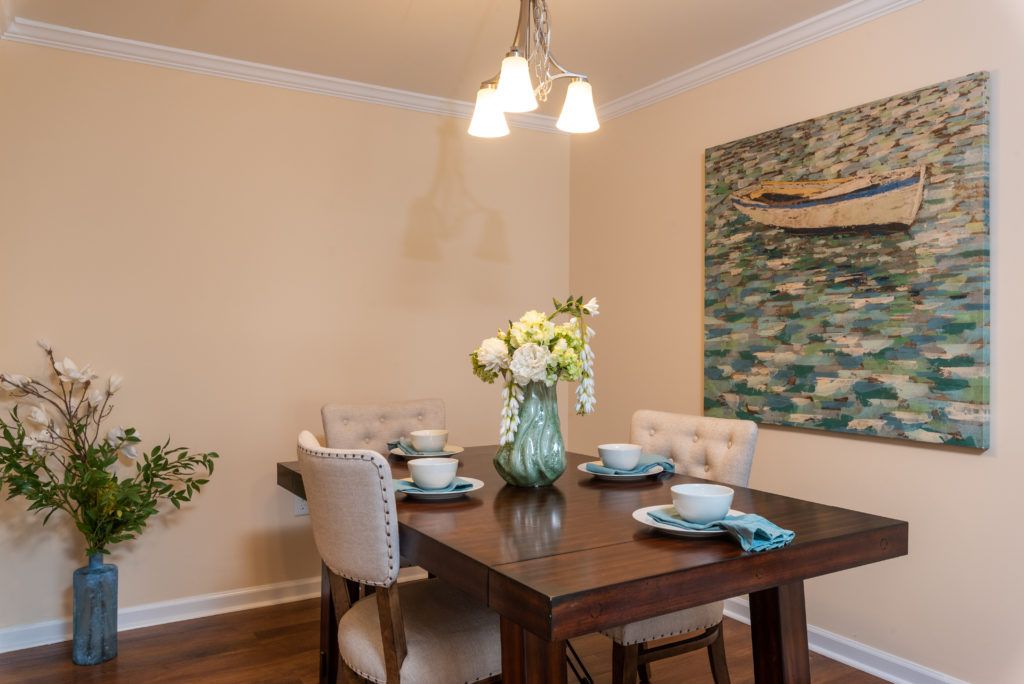
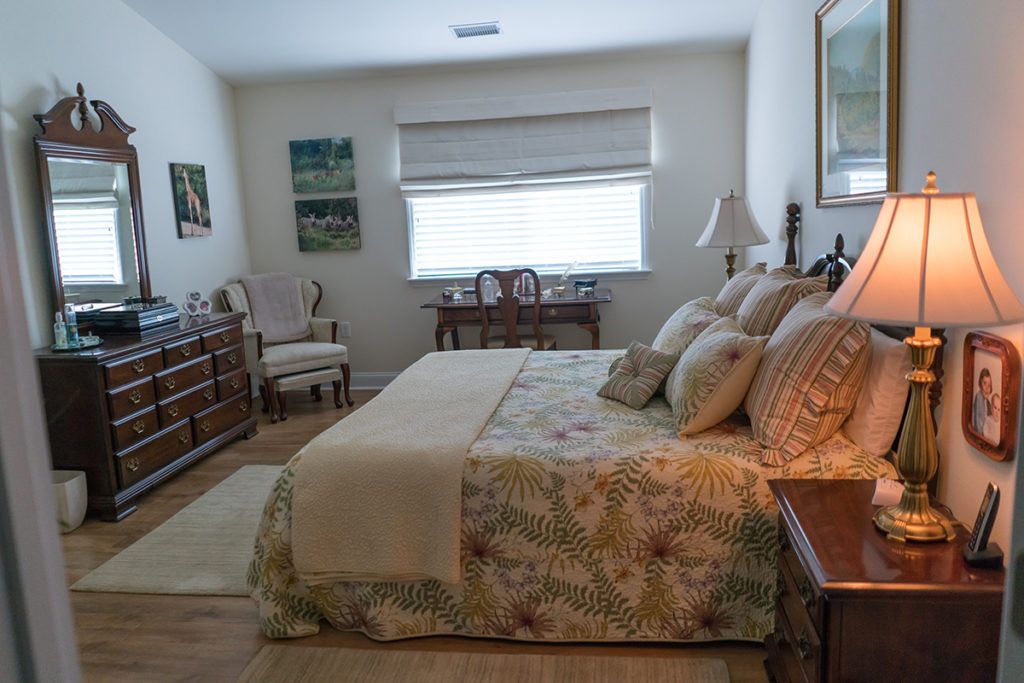
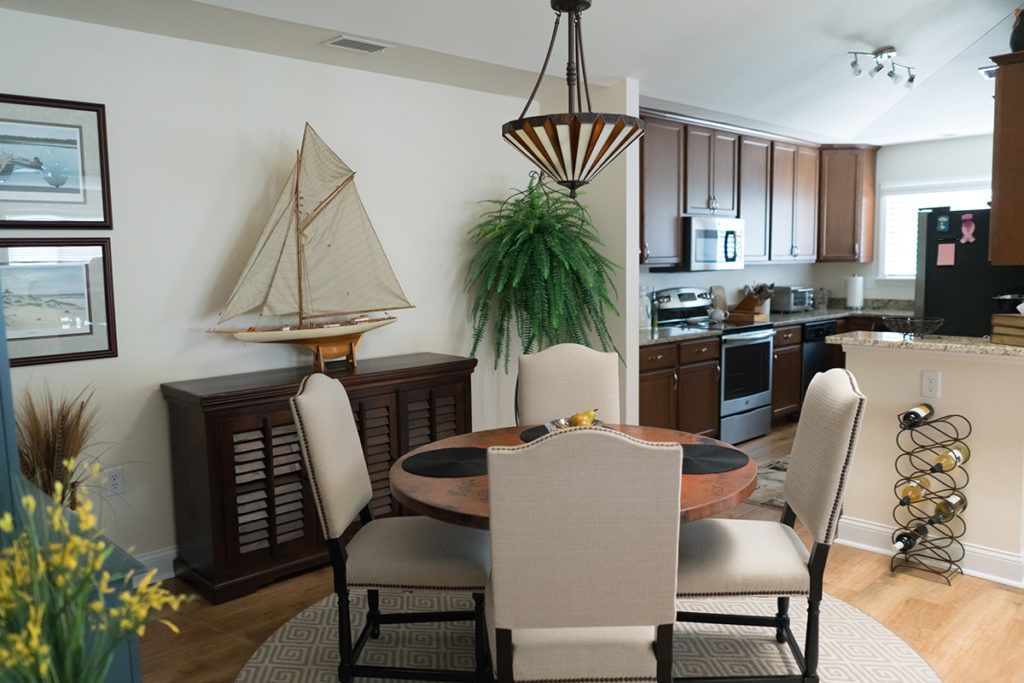
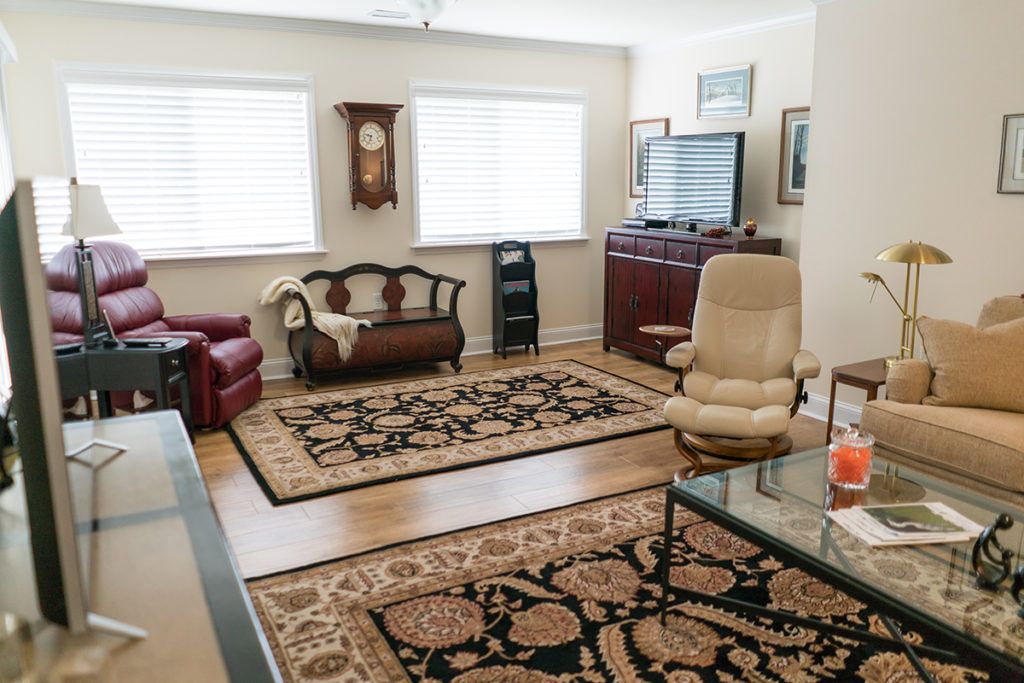
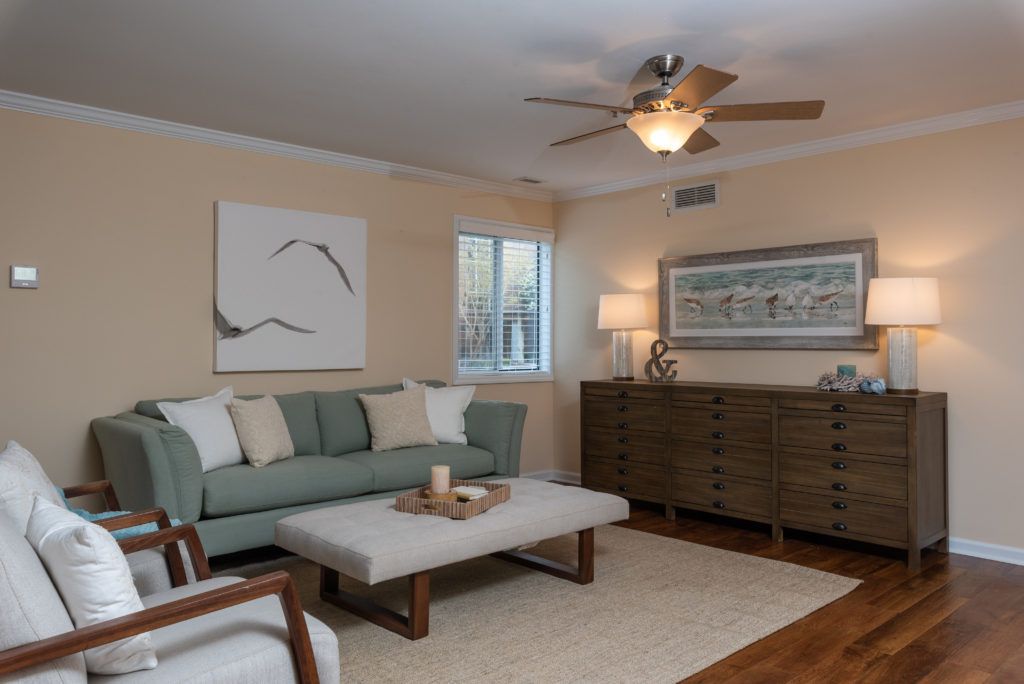
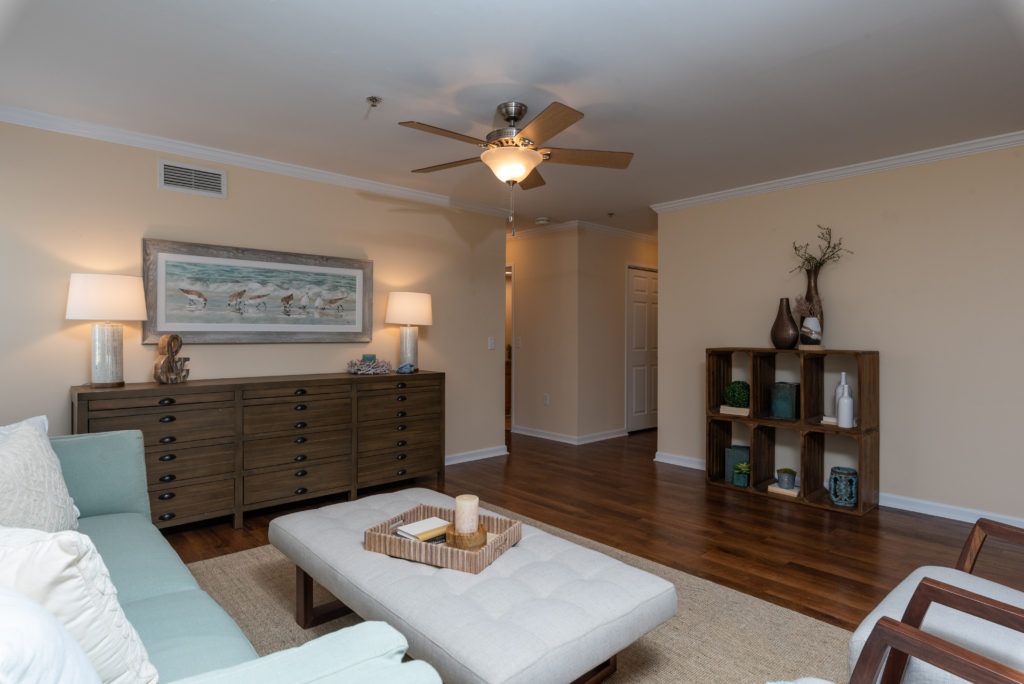
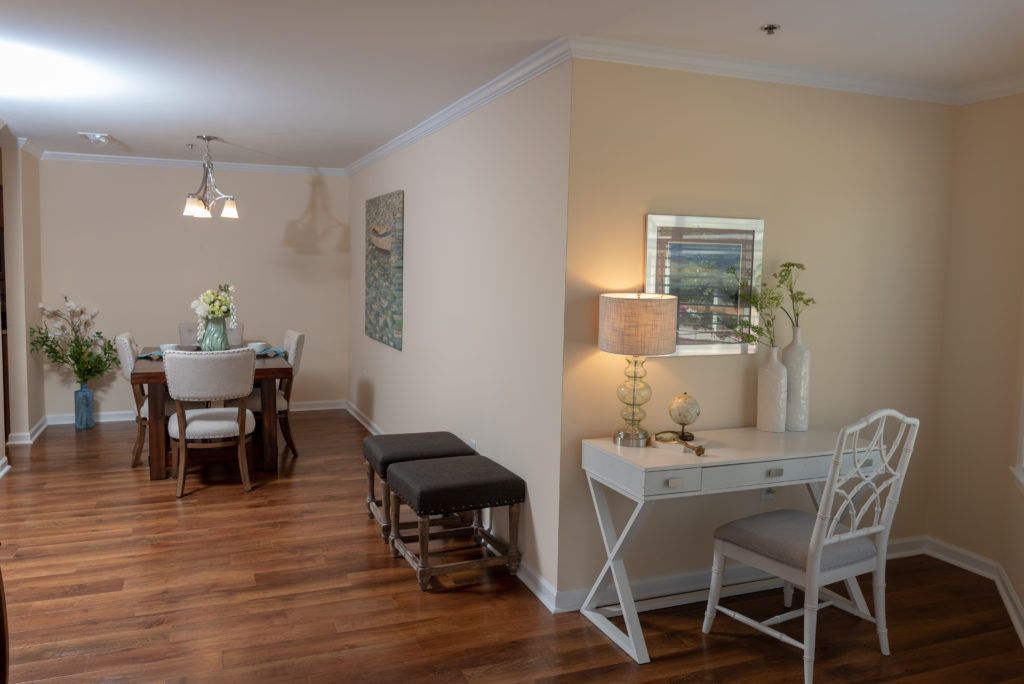
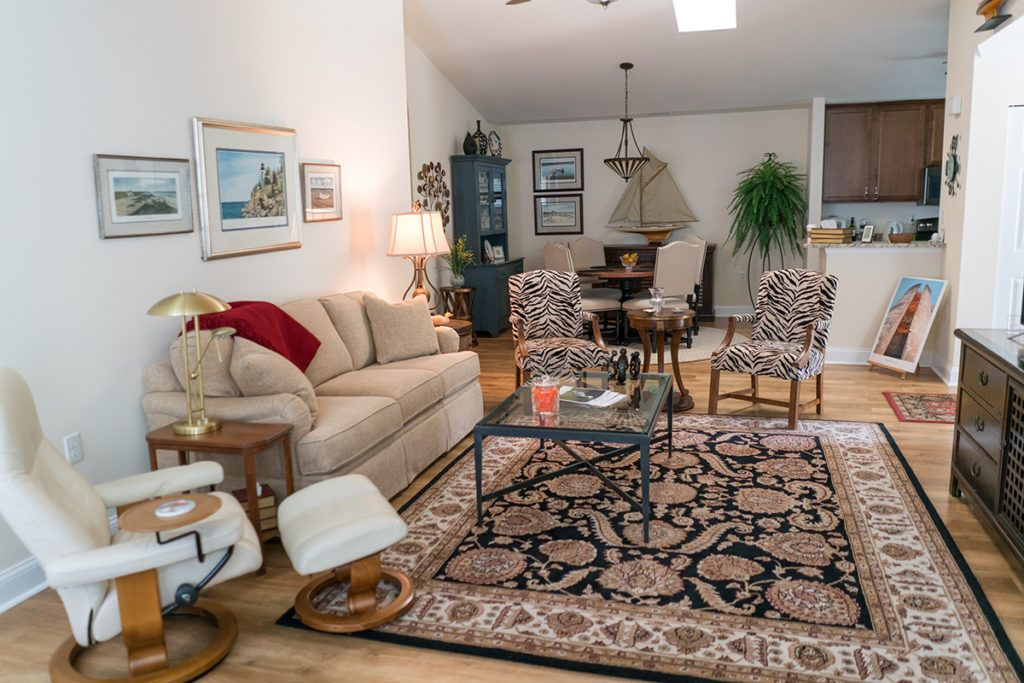
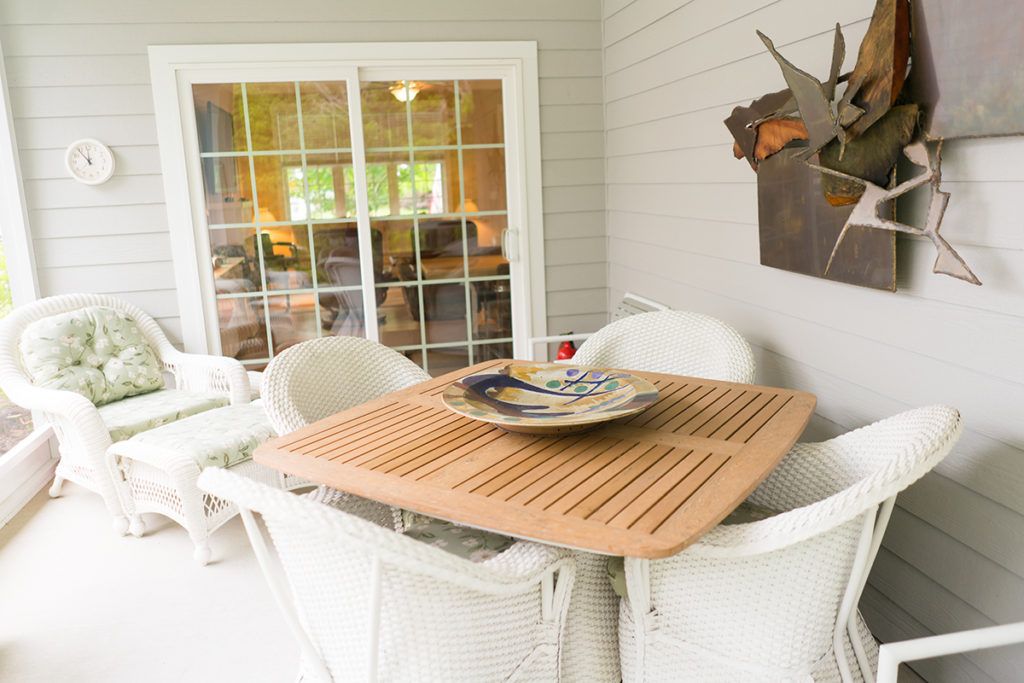
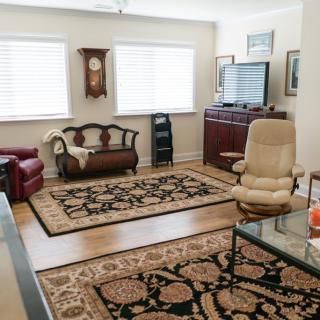
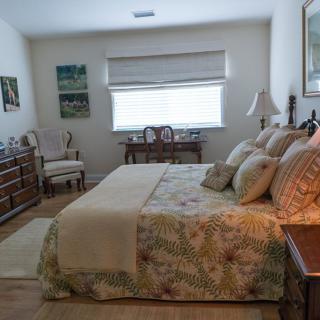
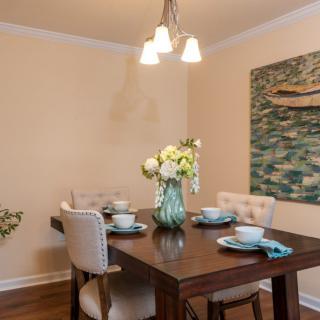
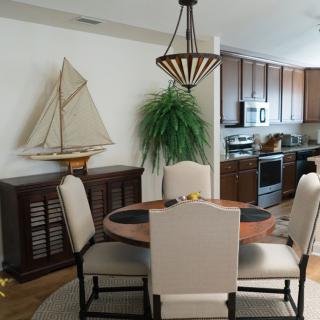
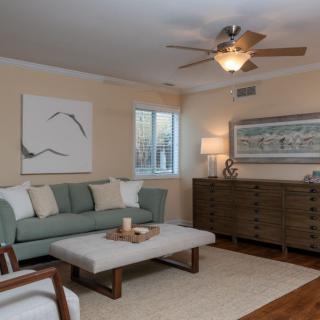
- They were pleased to see a lived-in apartment.
- The community provides opportunities to socialize, exercise, and educate residents, while supporting optimal health.
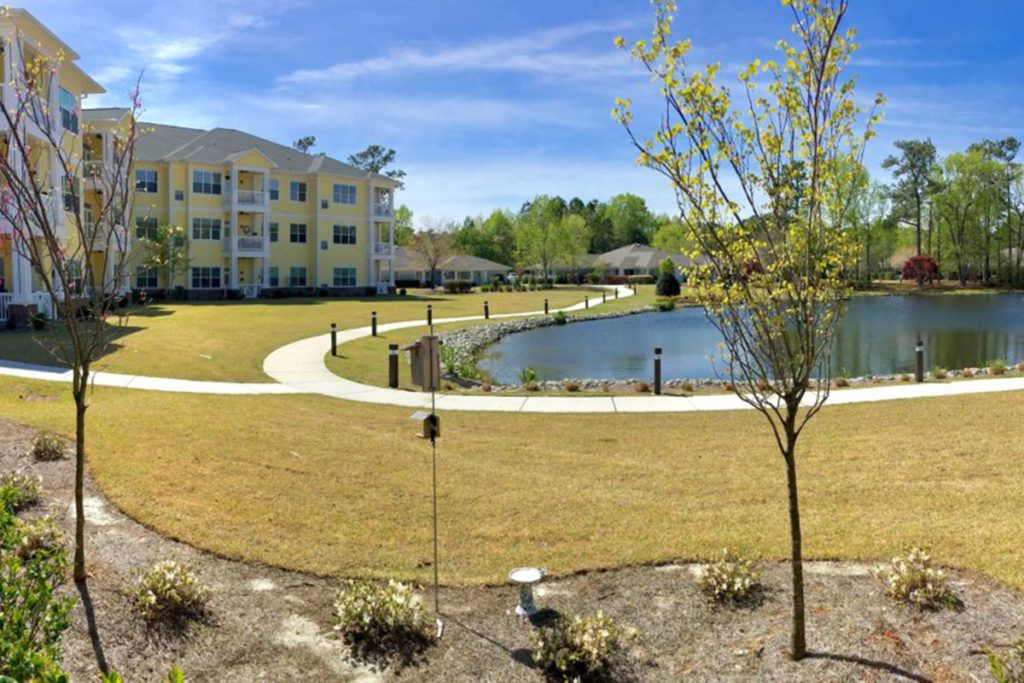
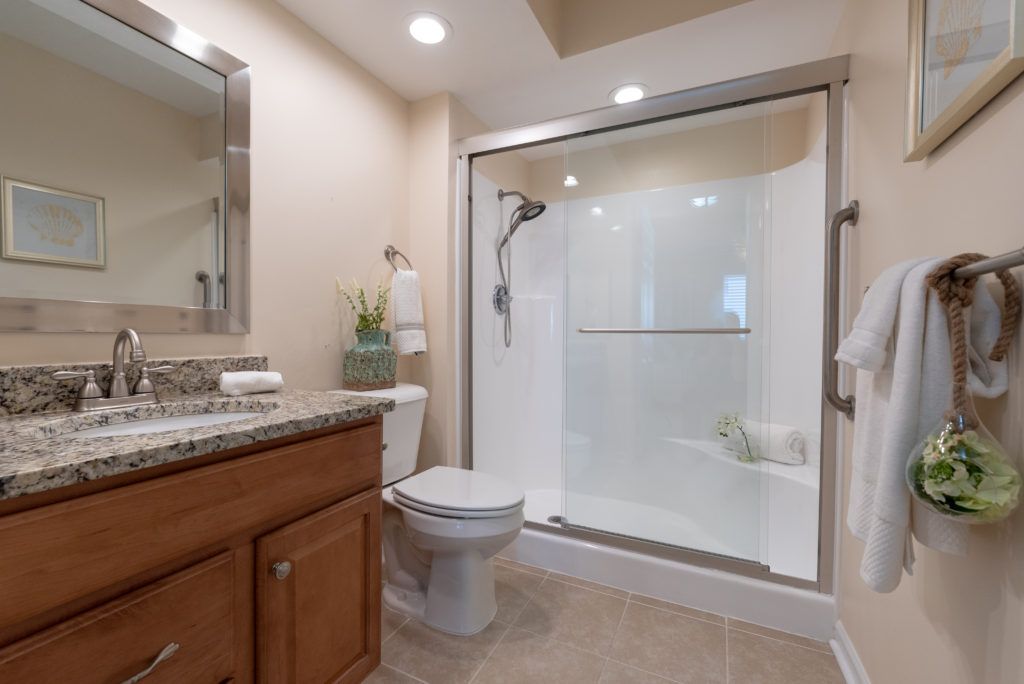
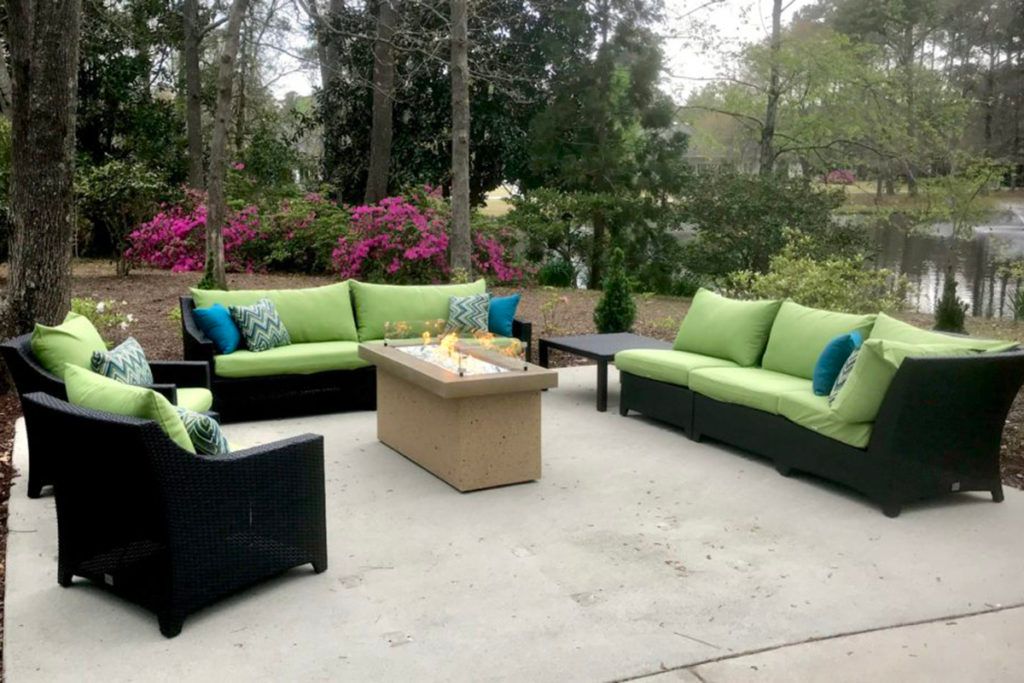
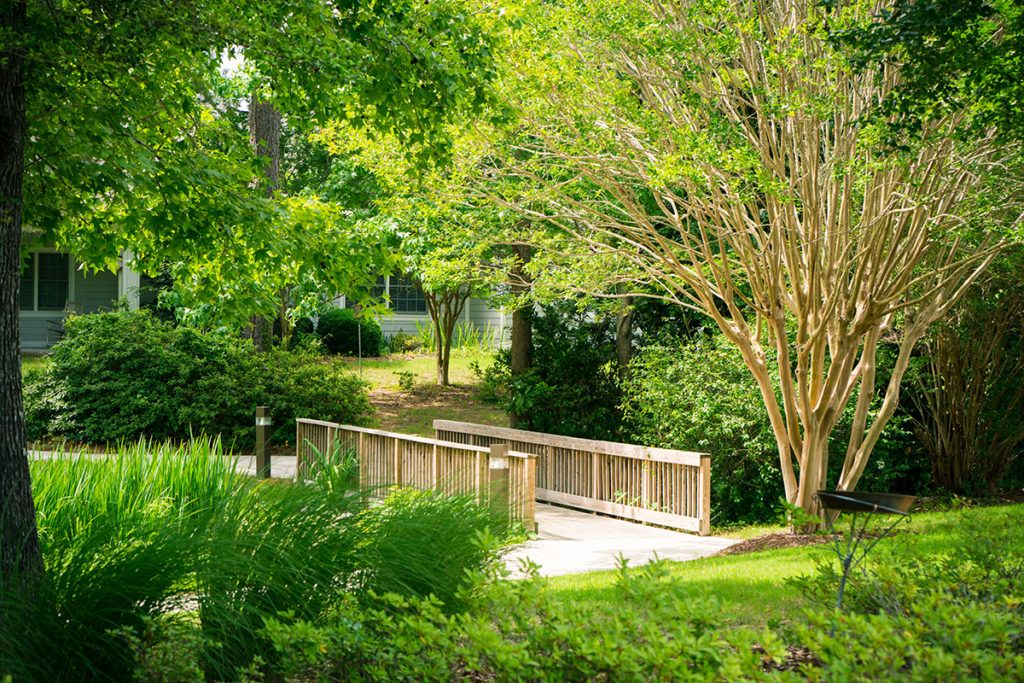
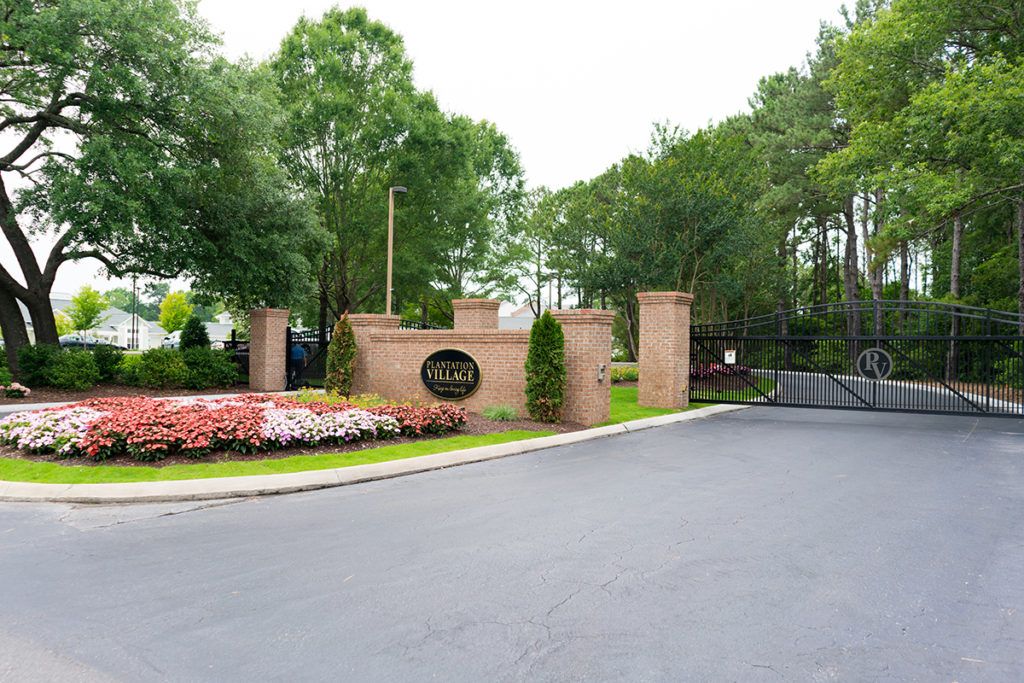
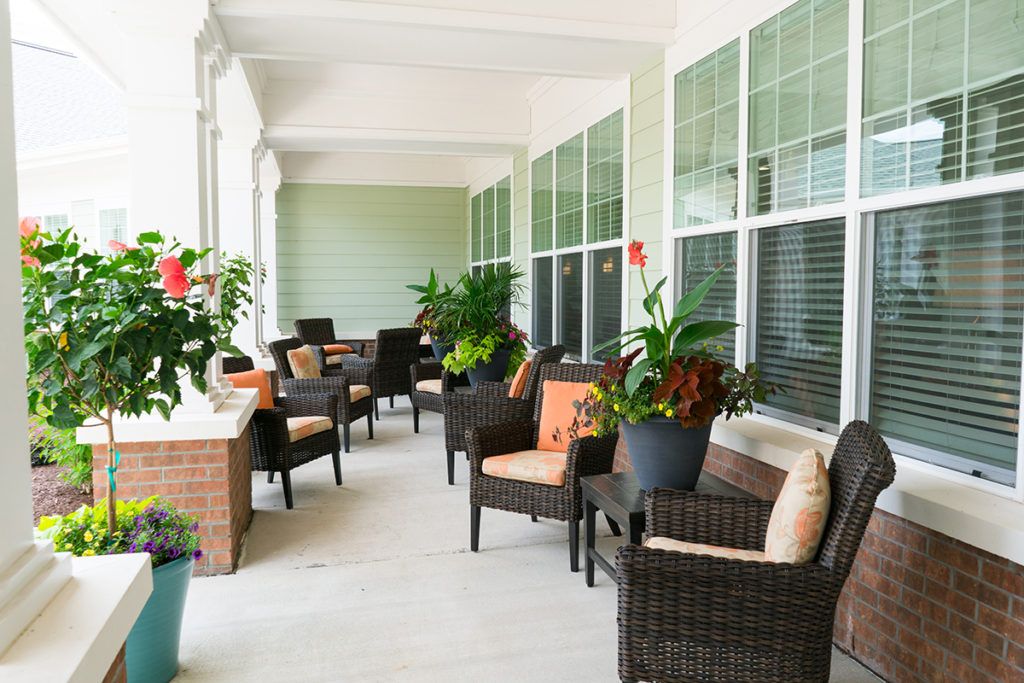
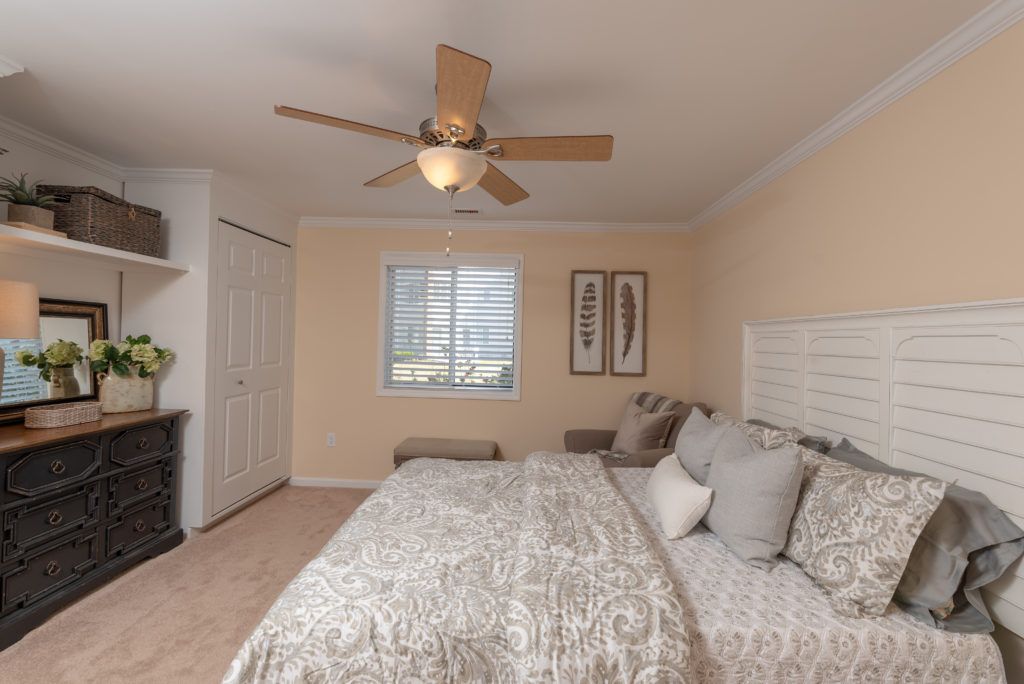
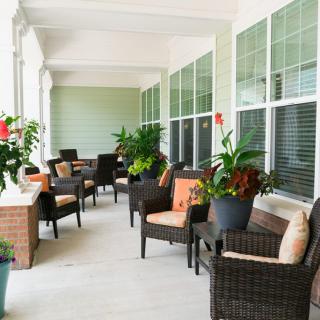
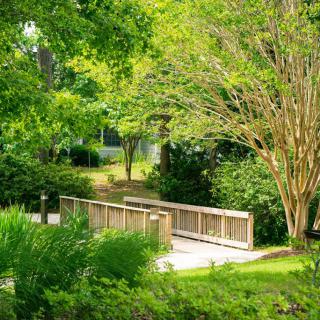
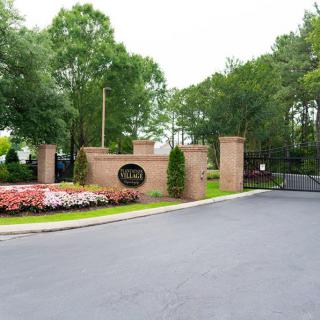
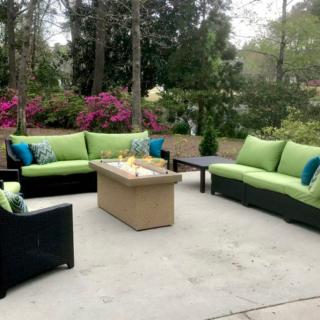
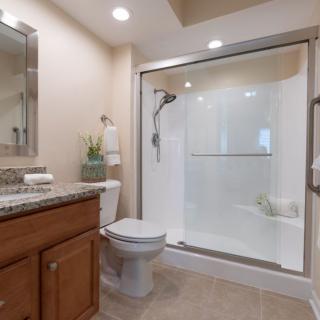
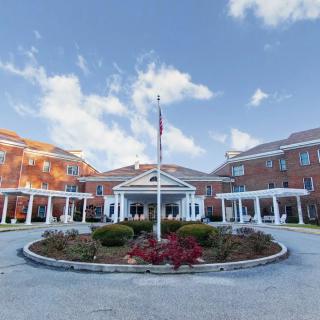
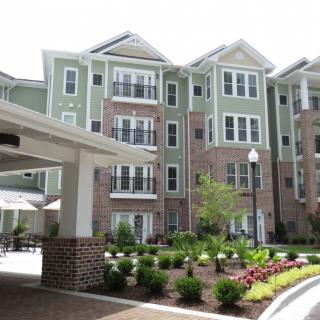
- The grounds are beautiful and the villas are spacious.
- The staff are like family to the residents.
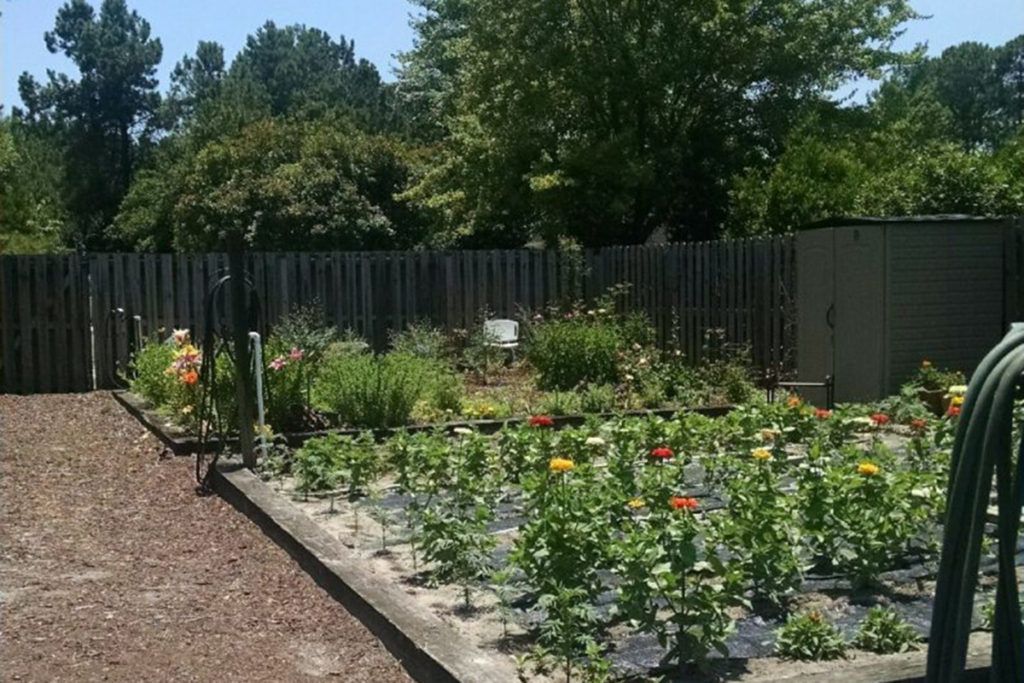
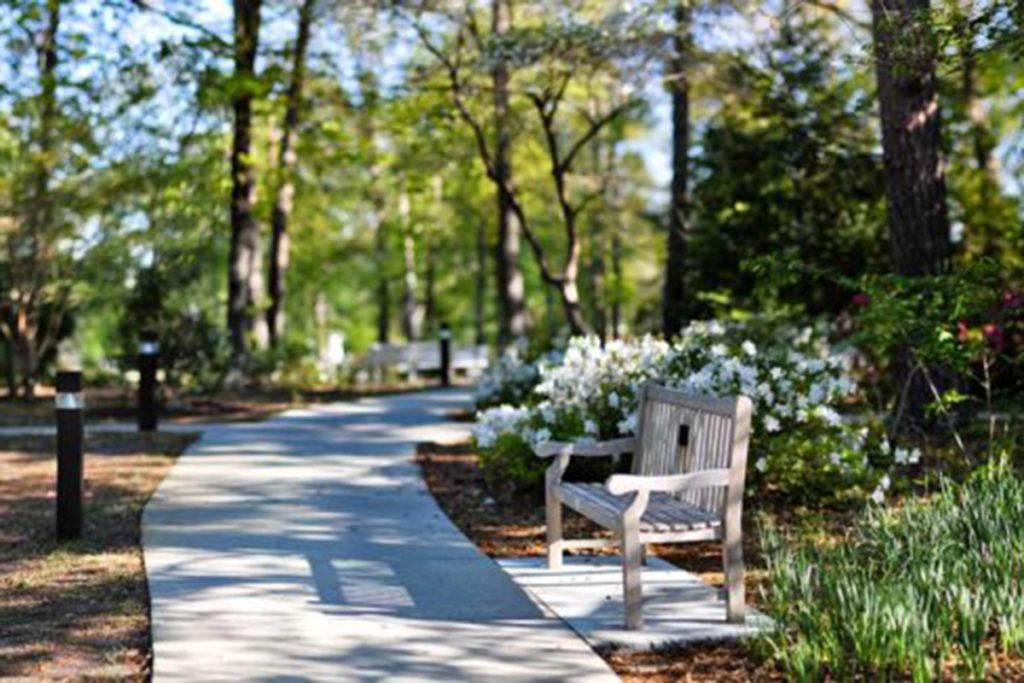
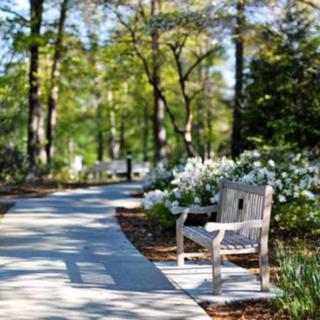
- The campus features a garden, walking paths, and an indoor heated pool.
- Meals are varied and delicious and are delivered to residents' apartments.
- They highly recommend Plantation Village as a vibrant retirement community.
Cons
 They found the facility very nice but expensive.
- They noted that there is a large entrance fee.
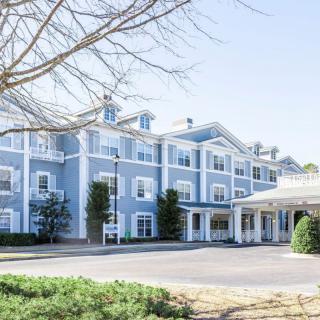
- They worried the apartment buildings are old and scheduled for demolition within five to ten years, raising concerns about maintenance.
- They observed that construction to expand the dining room left the area in disarray.
- They noted that breakfast choices were limited.
Review
Plantation Village in Wilmington, NC is best suited for active seniors who want a true village atmosphere, a place where social life, wellness programming, and convenient on-site services are built into daily living. It appeals to those who value a broad campus experience with walking paths, an auditorium, an indoor pool, and frequent events, all supported by a staff culture that feels genuinely caring and engaged. For couples or families, the environment offers reliable companionship, opportunities to socialize, and a sense of belonging that makes aging in place feel less isolating. Residents who want to stay on one campus as needs evolve will find the continuum of care appealing, since transitions between independent living, assisted options, and nursing care are represented under one roof.
Those considering alternatives should note that Plantation Village carries a premium price tag that can be a decisive factor for families with tighter budgets. The same property that delivers a lush, expansive setting and high-touch service also operates in a high-end tier, which may not fit every financial plan. Prospective buyers who prioritize new construction or a smaller, less campus-heavy footprint may look elsewhere. Additionally, the current aging buildings slated for redevelopment within five to ten years create a concern for families with loved ones who require long-term permanence or who want to avoid potential disruption. If a modern, turnkey, lower-maintenance environment is the goal, alternatives could be more comfortable financially and structurally.
The strongest offset to the main drawbacks rests in the community’s proven strengths: staff consistently deliver attentive, personalized care that resonates with residents and families. Guests repeatedly note kindness, helpful explanations, and a sense that staff treat residents like family. The campus itself is designed for connection, gardens, ponds, walking paths, an auditorium for performances, and a robust wellness program that includes eight integrated elements. On-site conveniences, home care options, door-to-door meal service, grocery and medication delivery, a staffed concierge, and transportation for medical appointments, mean daily life remains streamlined even when needs intensify. These features collectively counterbalance the higher price by delivering a secure, self-contained ecosystem that reduces the burden on families.
From a care-continuum perspective, Plantation Village performs well. The ability to move among living options without relocating, combined with a long-tenured staff and a family-like atmosphere, provides practical peace of mind. Residents highlight consistent, quality meals delivered to the door, a reliable activity slate, and community-driven programs such as Make-A-Wish events and parades that foster meaning and belonging. The availability of an indoor pool, varied dining experiences, and a private apartment with pond views reinforces the sense of ongoing vitality. For families seeking a highly integrated living solution where health and social life are deliberately woven together, these operational strengths are decisive.
Nevertheless, the campus is not without friction points. The entrance fee, coupled with ongoing premium services, remains a sizable upfront investment that can deter cost-conscious families. Construction and renovation activity to expand the dining room create temporary disruption and occasional disarray, which can unsettle those who prefer a spotless, move-in-ready environment. The perception of “high-end” status will be a positive draw for some, but for others it signals tradeoffs in monthly carrying costs and the potential for future, unanticipated expenses. Prospective residents should verify exactly what is included in the service package and what costs may arise as needs evolve.
In the end, Plantation Village offers a compelling fit for a subset of families: those who want a vibrant, socially rich community with a genuine sense of family, the capacity to age in place on one campus, and ready access to care and conveniences. It is less suitable for households prioritizing modest upfront costs, a newer or more compact footprint, or a guaranteed sense of uninterrupted, long-term permanence in a building unlikely to be redeveloped. For families seriously considering this option, a candid tour paired with a detailed, line-item financial discussion is essential. Engage current residents for flavor and truth, obtain a precise forecast of entrance and ongoing fees, confirm the construction timeline and which buildings are affected, and request menu samples and a detailed look at how the care continuum will scale with evolving needs. This disciplined approach will reveal whether Plantation Village is the right long-term home or if alternatives should be pursued.
 52 resident community capacity
 Assisted Living
 Independent Living
 Memory Care
 Activities on-site
 Air-conditioning
 Beauty salon
 Cable or satellite TV
 Computer center
 Devotional services off-site
 Dining room
 Fitness room
 Fully furnished
 Gaming room
 Garden
 Housekeeping services
 Indoor common areas
 Kitchenette
 Move-in coordination
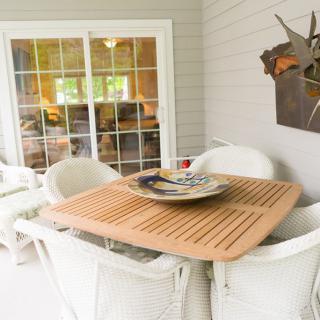
 Outdoor space
 Private bathrooms
 Restaurant-style dining
 Small library
 Telephone
 Wellness center
 Wi-Fi/high-speed internet available
 Wilmington International (8 miles away)
 Community operated transportation
 24-hour call system
 Ambulatory care
 Assistance with dressing
 Diabetic care
 Hospice waiver
 Medication management
 Mental wellness program
 Diabetes diet
 Special dietary restrictions
 Concierge services
 Planned day trips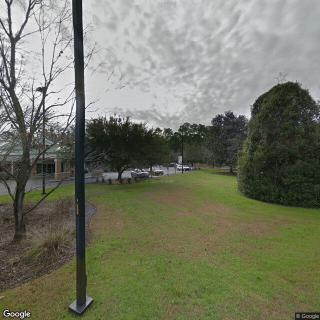


 When to Transition from Assisted Living to Memory Care: Key Indicators, Steps, and Finding the Right Community
 Understanding the Distinctions: Assisted Living and Memory Care Explained
 How to Communicate with a Loved One Living with Dementia: 10 Supportive Strategies