For more information about senior living options: (866) 208-4318
4.4 from 24 reviews
5 stars
14
4 stars
7
3 stars
2
2 stars
0
1 stars
1
Champions Assisted Living Costs & Pricing
Champions Assisted Living offers competitive pricing for its residents, with monthly costs that are generally aligned with the local and state averages. For a studio, prices at Champions stand at $3,426, which is slightly above Pender County's average of $3,283 but notably lower than the state's average of $4,020. One-bedroom accommodations are priced at $3,715, again positioning Champions favorably compared to both local and state figures. However, for two-bedroom options and semi-private rooms, patients may find that Champions' fees of $4,635 and $5,438 respectively exceed those in Pender County while still providing a valuable service. In contrast to North Carolina's averages - which hover around $4,055 for one-bedrooms and dip to $3,584 for semi-private settings - Champions maintains a commitment to quality care that reflects in its pricing structure. Overall, this blend of affordability and quality makes Champions Assisted Living an attractive option within the region.
Floor plans
Champions Assisted Living
Pender County
North Carolina
Studio
$3,426
$3,283
$4,020
1 Bedroom
$3,715
$4,003
$4,055
2 Bedrooms
$4,635
$4,703
$4,245
Semi-Private
$5,438
$4,402
$3,584
Memory care communities with a similar price nearby
About the same
Arbor Landing at Hampstead
4.6 from 111 reviews
$3,495 to $6,195 / month
5.5 miles away
from +$173 / mo
Spring Arbor of Wilmington
4.5 from 93 reviews
$3,599 to $5,195 / month
10.8 miles away
About the same
Morningside of Wilmington
3.9 from 125 reviews
$3,400 to $5,000 / month
11.0 miles away
from -$476 / mo
New Hanover House
3.6 from 33 reviews
$2,950 to $3,950 / month
12.8 miles away
from -$114 / mo
Stonebridge at Woodbury Assisted Living and Memory Care
Residents and families repeatedly describe staff who care and respond to concerns.
Multiple reviews highlight staff members who feel genuinely invested in residents, from nurses and aides to reception and housekeeping. Several families describe communication when issues come up and responsiveness to questions. A reviewer also credits the staff with helping everything feel calmer and easier during a stressful move.
common2 reviews mention this
Clean building and common areas
Residents and visitors note the facility is kept clean.
Reviewers mention a clean apartment and clean common areas. The community also offers indoor common areas, which aligns with what families can see day to day as they visit and spend time there.
caveat2 reviews mention this
Dining can be hit or miss
Dining receives both praise and complaints.
One reviewer says the food was good, while another says the dining setup is what bothers them. That second review points specifically to smaller dining areas on the “pods.” The community provides meals, but the review feedback suggests the dining experience may vary by preference.
differentiator2 reviews mention this
Memory care is part of services
Families seeking memory care mention Champions in their decisions.
At least two reviews reference memory needs, including moving a loved one for memory care and a spouse with dementia. This matches the community offering both assisted living and memory care, so families with cognitive-care needs may see the option reflected in the overall care mix.
How we summarize
Counts show how many written reviews mention each theme; a review can touch several themes, and only frequently mentioned themes are displayed.
Features
Types of Care
Assisted Living
Memory Care
Amenities
Activities on-site
Devotional services off-site
Indoor common areas
Respite or short term stays offered
Transportation
Wilmington International (8 miles away)
Care Services
Ambulatory care
Diabetic care
Dining
Meals provided
Activities
Activities on-site
Devotional activities offsite
Nearby Places of Interest
Cafes
Starbucks (6.9 miles)
Port City Java (9.3 miles)
Bespoke Coffee & Dry Goods (10.7 miles)
Restaurants
Jax 5th Avenue Deli & Ale House (7.1 miles)
Casey's Buffett Barbecue & Home Cookin (7.4 miles)
K-38 Baja Grill (7.7 miles)
Taco Bell (7.8 miles)
Okami Japanese Steakhouse (7.8 miles)
Goody Goody Omelet House (8 miles)
McDonald's (8.2 miles)
Transportation
Wilmington International Airport (ILM) (8.1 miles)
American Airlines (8.1 miles)
Parks
Hugh MacRae Park (8.8 miles)
Brunswick River Park (12.9 miles)
Leland Westgate Park (15 miles)
Annsdale Park (16.3 miles)
Physicians
New Hanover Medical Group (10.4 miles)
Coastal Neurosurgical Associates (10.6 miles)
Wilmington Endocrinology (10.8 miles)
Tinsley, Ellis, A, Jr, MD (10.8 miles)
Wilmington Eye - Medical Center Drive (11.2 miles)
Champions Assisted Living offers competitive pricing for its residents, with monthly costs that are generally aligned with the local and state averages. For a studio, prices at Champions stand at $3,426, which is slightly above Pender County's average of $3,283 but notably lower than the state's average of $4,020. One-bedroom accommodations are priced at $3,715, again positioning Champions favorably compared to both local and state figures. However, for two-bedroom options and semi-private rooms, patients may find that Champions' fees of $4,635 and $5,438 respectively exceed those in Pender County while still providing a valuable service. In contrast to North Carolina's averages - which hover around $4,055 for one-bedrooms and dip to $3,584 for semi-private settings - Champions maintains a commitment to quality care that reflects in its pricing structure. Overall, this blend of affordability and quality makes Champions Assisted Living an attractive option within the region.
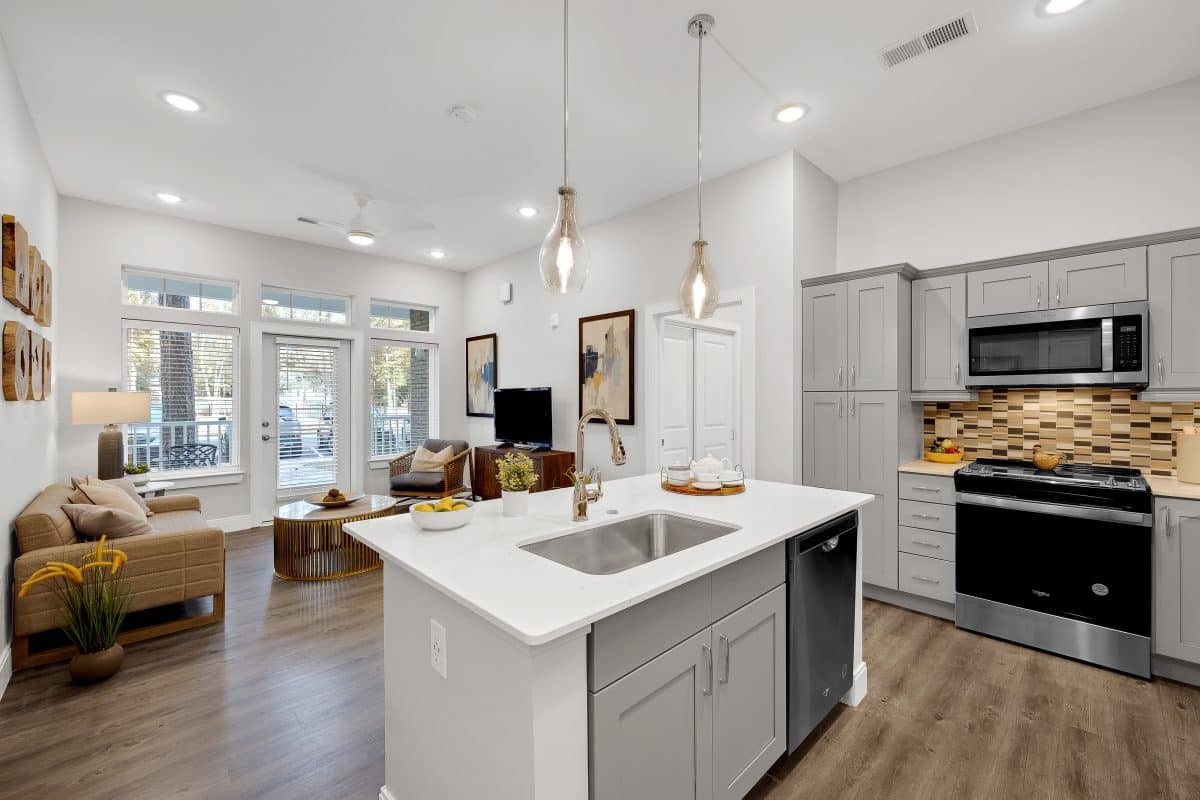
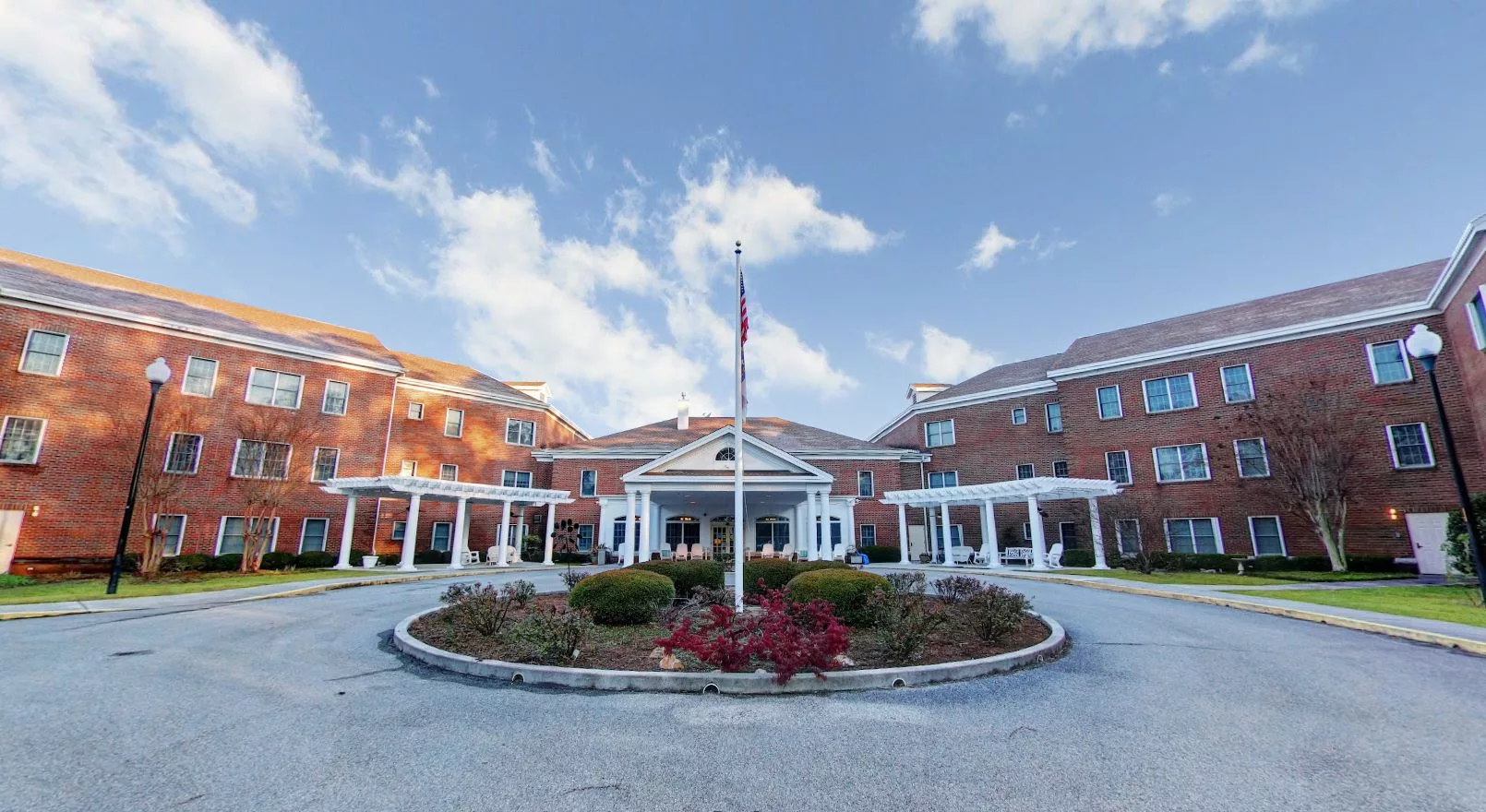
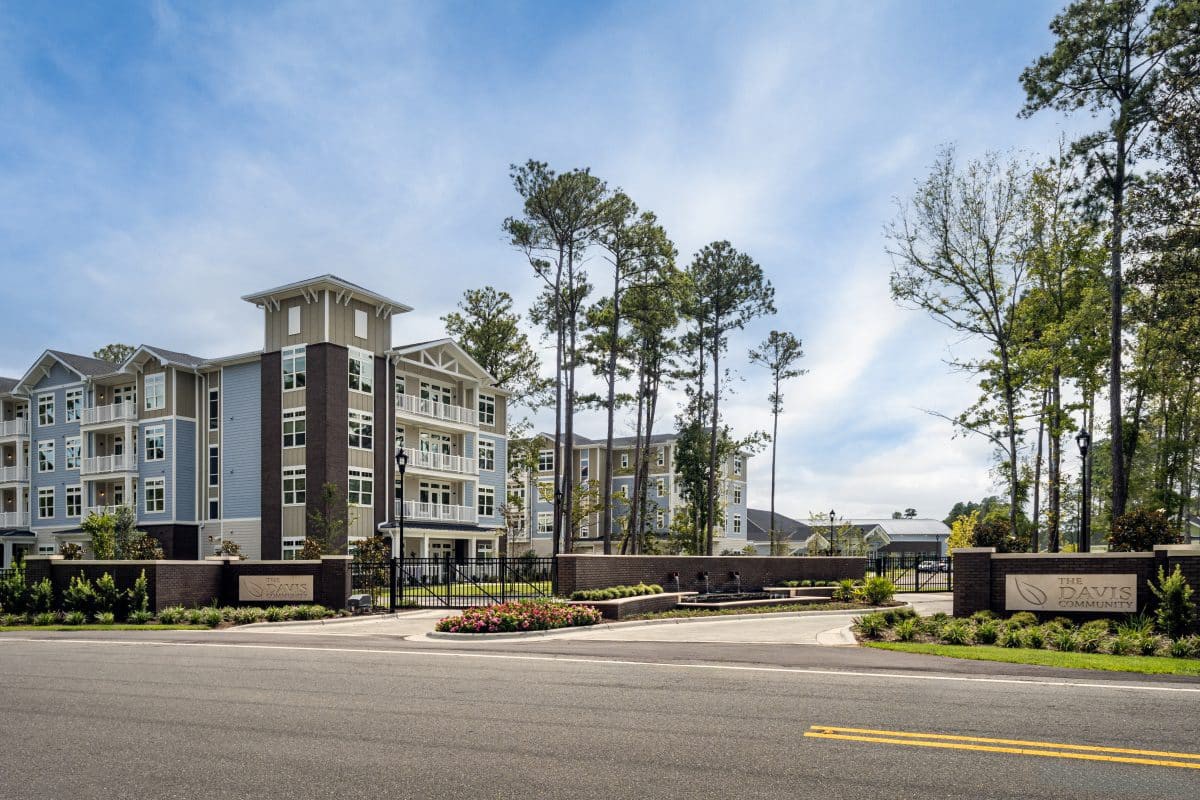
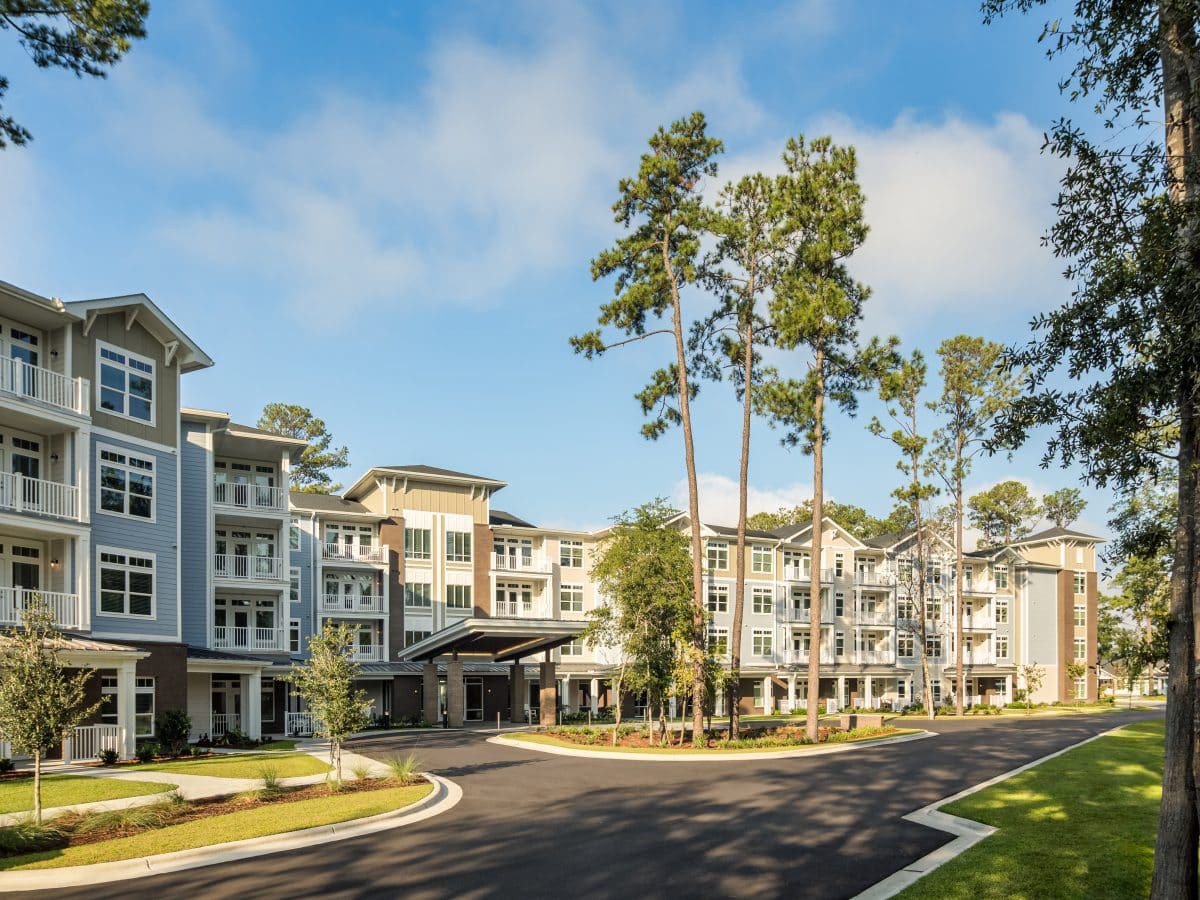
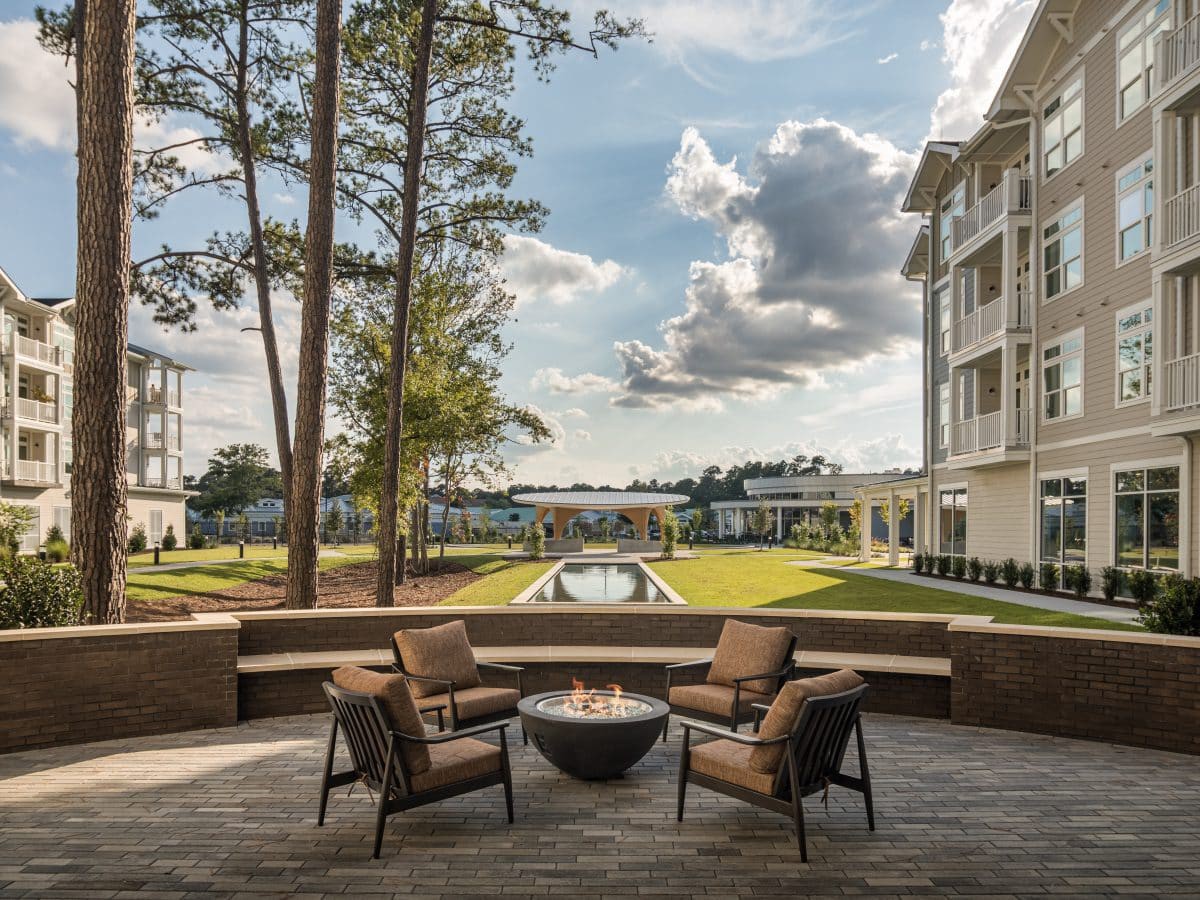
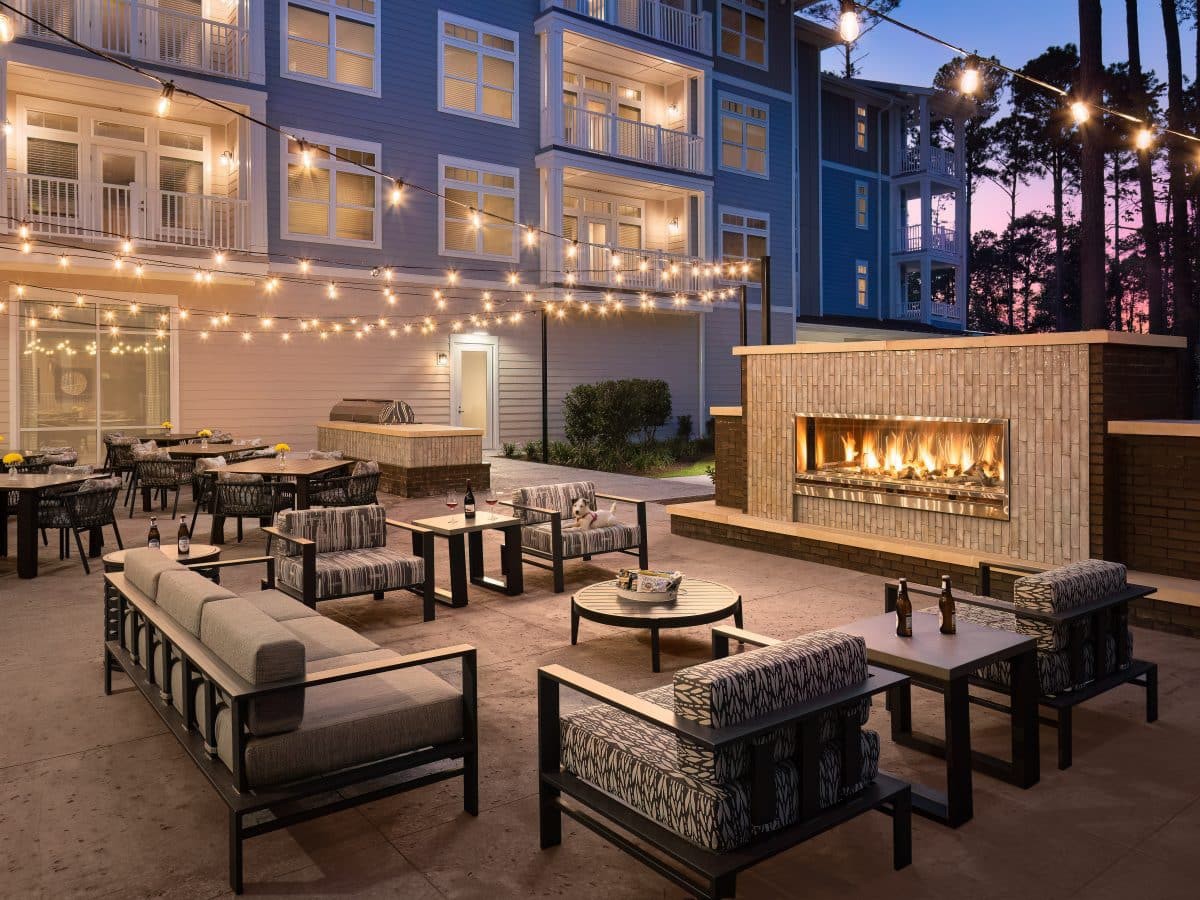
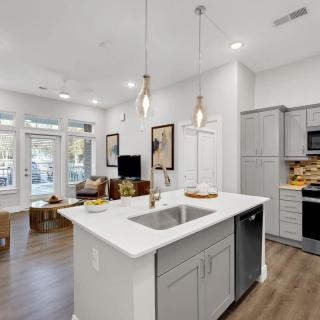
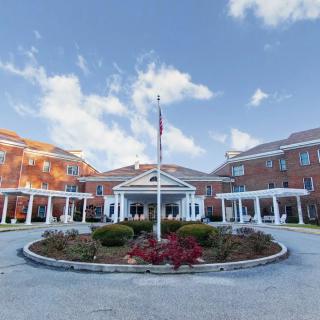
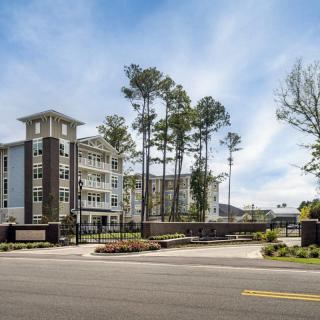
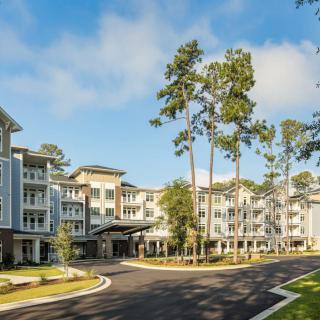
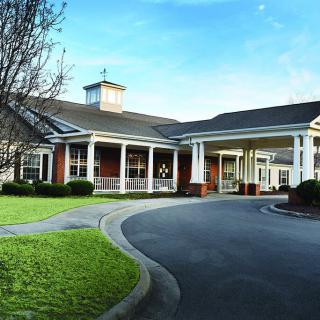
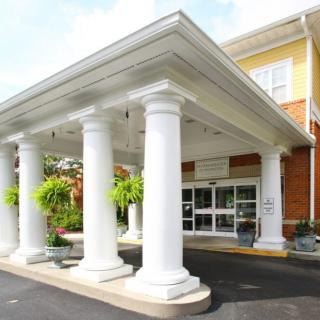
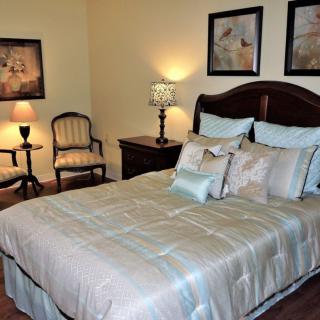
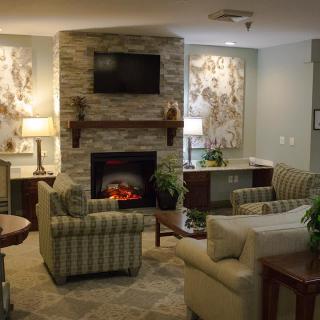
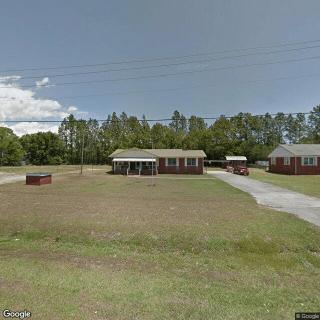
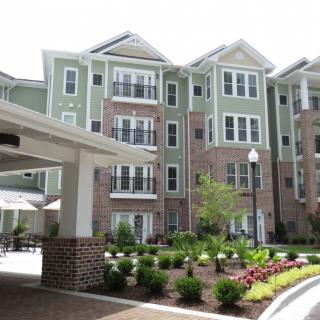
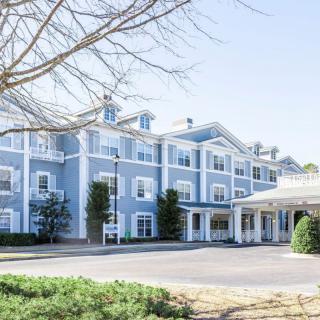
Champions Assisted Living on seniors.fyi includes 6 photos including images showing building, architecture, trees, landscaping, outdoor, seating area, interior, pendant lights, and more.
Nearby Communities
Davis Health Care Center
Wilmington, NC
3.4 from 78 reviews
$4,515 to $4,965 / month
Clean, organized facility with friendly staff and engaging memory-care programs.
Plantation Village
Wilmington, NC
5 from 9 reviews
Mary Rebecca's Village
Hampstead, NC
Intimate 6-resident community with 24-hour supervision and comprehensive ADL support.
Judge Family Care Home 4
Wilmington, NC
5 from 2 reviews
Small, personalized board-and-care setting with 24-hour supervision and on-site meals.
Judge Family Care Home 1
Wilmington, NC
5 from 2 reviews
$1,800 to $2,200 / month
Intimate, small-scale setting with personalized care and pricing below local county/state averages.
Arbor Landing at Hampstead
Hampstead, NC
4.6 from 111 reviews
$3,495 to $6,195 / month
Caring staff in a clean, spacious setting with engaging activities.
Cambridge Village of Wilmington
Wilmington, NC
4.5 from 159 reviews
$2,970 to $4,400 / month
Spacious, safe, with friendly staff, a wide range of on-site activities and amenities (pool, gym, salon, restaurant-style dining) and well-kept, modern apartments.
Coastal Cove Of Wilmington
Wilmington, NC
3.7 from 6 reviews
Small, intimate community with 24/7 supervision, memory care, meals, activities, and outdoor spaces.
The guide outlines the complexities of Medicaid coverage for assisted living, highlighting significant state-to-state variations, limited coverage often restricted to personal care services, and the existence of specialized waivers for certain needs like memory care. It advises families to consult local Medicaid offices for options while emphasizing the importance of understanding state-specific regulations and facility policies.
Medicaid coverage for assisted living varies by state and is primarily available to low-income individuals, with eligibility dependent on strict income and asset limits. Some states offer HCBS waivers for specific services in assisted living, but families must generally cover room and board costs, and should verify facility acceptance of Medicaid while considering potential waiting lists.
Medicaid waivers for assisted living services provide vital support for seniors and individuals with disabilities in need of long-term care, with varying state-specific eligibility criteria and benefits. These waivers cover personal care and case management but often do not fully cover room and board, leading to waiting lists for many applicants.
Interior, Living Room, Kitchen, Hardwood Floor, Pendant Lights, and Open Concept
Landscaping
Building and Architecture
Trees
Fireplace and Patio
Seating Area and Outdoor
Flag and Clouds
Modern Architecture and Fire Pit
Get PricingAsk A QuestionSchedule A TourContact Senior Advisor
By clicking submit, you agree to our Partner's Terms of Use. You
also consent to receive calls and texts, which may be autodialed, from our Partner. Your consent is not a condition to
using our Partner's service. Please visit our Partner's Privacy Policy for information about their privacy practices.




 Assisted Living
 Memory Care
 Activities on-site
 Devotional services off-site
 Indoor common areas
 Respite or short term stays offered
 Wilmington International (8 miles away)
 Ambulatory care
 Diabetic care
 Meals provided
 Clean, organized facility with friendly staff and engaging memory-care programs.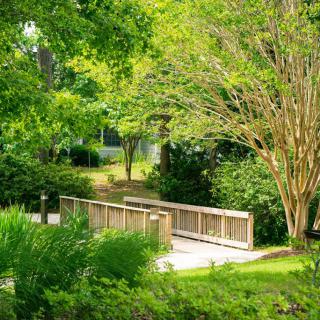

 Understanding Medicaid Coverage for Assisted Living: A Comprehensive Guide
 How and When Medicaid May Cover Assisted Living Costs
 A Detailed Exploration of Assisted Living Medicaid Waivers Across the United States