For more information about senior living options: (866) 208-4318
3.4 from 78 reviews
5 stars
42
4 stars
5
3 stars
2
2 stars
3
1 stars
26
Davis Health Care Center Costs & Pricing
At Davis Health Care Center, the monthly costs for senior care reflect a slight premium compared to both Pender County and the wider North Carolina state averages. For a semi-private room, residents can expect to pay $4,515, which is marginally higher than the county's average of $4,402 but significantly more than the state's average of $3,584. In contrast, the cost for a private room at Davis stands at $4,965, just below the county's rate of $5,033; however, it surpasses the state average of $4,425. These figures position Davis Health Care Center as an option that balances quality and affordability within its local context while still maintaining competitive pricing in comparison to similar facilities across North Carolina.
Floor plans
Davis Health Care Center
Pender County
North Carolina
Semi-Private
$4,515
$4,402
$3,584
Private
$4,965
$5,033
$4,425
Overall Review of Davis Health Care Center
differentiator6 reviews mention this
Activities and outdoor space stand out
Residents describe busy schedules and well-liked outdoor areas.
Several residents and families say there are always activities to join, including scheduled programming and resident involvement. Reviews also highlight outdoor space—such as walking areas and places to spend time with pets—as a big part of the day-to-day experience. One review specifically points out that memory care has activities every day, while another notes that rehab residents still need more social contact. On balance, people tend to connect the community’s atmosphere with having things to do.
common12 reviews mention this
Dining quality gets mixed mentions
Food is commonly praised, but a smaller group of reviews call it disappointing.
Many reviews describe meals as excellent or very good, including references to specific on-site dining options and overall variety. Some people connect dining to a better resident experience and say they enjoyed eating there. Others report more negative experiences, including complaints about food quality and issues with dining service during rehab stays. A few comments are smaller day-to-day gripes about details like table comfort rather than the meals themselves.
common20 reviews mention this
Staff care is a major theme
Staff responsiveness and compassion are repeatedly mentioned by families and residents.
A large share of reviews praise staff as caring, attentive, and communicative, with some highlighting safety and professionalism. Multiple reviewers say they felt their loved ones were well cared for across different levels of care, including rehab, long-term care, and memory care. There are also negative experiences: several reviews describe understaffing, difficulty getting help, and problems with call bell response or continuity of care. A separate thread of criticism includes concerns about how staff treated others and questioned the level of empathy in nursing care.
caveat9 reviews mention this
Nursing and care continuity concerns
Some reviews describe lapses in care follow-through and staffing coverage.
While some families report consistent care, other reviewers describe situations where they had to escalate concerns to get timely help. A few reviews mention call bells not being answered quickly, leaving residents alone, or experiencing delays with basic needs during rehab or nursing care. There are also comments about short staffing and using that as an explanation for not providing the level of care promised, including reduced therapy time and needing to check in frequently. Taken together, residents’ experiences are not uniform when it comes to care responsiveness.
caveat2 reviews mention this
Costs vary by room type
Pricing is positioned higher for some units than county and state baselines.
The pricing information provided shows different ranges by room type, with semi-private pricing listed above county and state benchmarks, while private pricing is closer to county and still above the state baseline. Reviews include both overall satisfaction about care value and complaints about expenses paired with staffing and service concerns. If you’re comparing options, it may help to line up the specific care level you need with what families say happened during day-to-day nursing and rehab. Families who criticized the experience often tied the problem directly to staffing and responsiveness.
How we summarize
Counts show how many written reviews mention each theme; a review can touch several themes, and only frequently mentioned themes are displayed.
Features
Housing
123 resident community capacity
Types of Care
Memory Care
Skilled Nursing Facility
Amenities
Air-conditioning
Beauty salon
Cable or satellite TV
Computer center
Dining room
Fitness room
Fully furnished
Gaming room
Garden
Housekeeping services
Kitchenette
Move-in coordination
Outdoor space
Private
Private bathrooms
Respite or short term stays offered
Restaurant-style dining
Small library
Telephone
Wellness center
Wi-Fi/high-speed internet available
Transportation
Wilmington International (8 miles away)
Community operated transportation
Transportation arrangement
Transportation arrangement (non-medical)
Transportation to doctors appointments
Care Services
12-16 hour nursing
24-hour call system
24-hour supervision
Activities of daily living assistance
Assistance with bathing
Assistance with dressing
Assistance with transfers
Diabetes diet
Meal preparation and service
Medication management
Mental wellness program
Special dietary restrictions
Dining
Diabetes diet
Special dietary restrictions
Activities
Community-sponsored activities
Concierge services
Fitness programs
Planned day trips
Resident-run activities
Scheduled daily activities
Nearby Places of Interest
This part of Wilmington, North Carolina offers a convenient and diverse range of amenities for seniors looking to settle in the area. With a variety of cafes and restaurants within a short driving distance, residents have easy access to dining options. Additionally, there are several parks nearby for outdoor recreation and relaxation. For medical needs, there are multiple physicians' offices and pharmacies in close proximity, providing easy access to healthcare services. The Wilmington International Airport is also situated nearby for those who may need to travel frequently. Overall, this neighborhood provides a well-rounded environment with essential services and recreational opportunities for seniors looking to make Wilmington their home.
Cafes
Starbucks (7 miles)
Port City Java (9.4 miles)
Bespoke Coffee & Dry Goods (10.8 miles)
Restaurants
Jax 5th Avenue Deli & Ale House (7.2 miles)
Casey's Buffett Barbecue & Home Cookin (7.5 miles)
K-38 Baja Grill (7.8 miles)
Taco Bell (7.9 miles)
Okami Japanese Steakhouse (7.9 miles)
Goody Goody Omelet House (8.2 miles)
McDonald's (8.3 miles)
Transportation
Wilmington International Airport (ILM) (8.2 miles)
American Airlines (8.2 miles)
Parks
Hugh MacRae Park (8.9 miles)
Brunswick River Park (13.1 miles)
Leland Westgate Park (15.1 miles)
Annsdale Park (16.4 miles)
Physicians
New Hanover Medical Group (10.6 miles)
Coastal Neurosurgical Associates (10.7 miles)
Wilmington Endocrinology (10.9 miles)
Tinsley, Ellis, A, Jr, MD (10.9 miles)
Wilmington Eye - Medical Center Drive (11.3 miles)
At Davis Health Care Center, the monthly costs for senior care reflect a slight premium compared to both Pender County and the wider North Carolina state averages. For a semi-private room, residents can expect to pay $4,515, which is marginally higher than the county's average of $4,402 but significantly more than the state's average of $3,584. In contrast, the cost for a private room at Davis stands at $4,965, just below the county's rate of $5,033; however, it surpasses the state average of $4,425. These figures position Davis Health Care Center as an option that balances quality and affordability within its local context while still maintaining competitive pricing in comparison to similar facilities across North Carolina.
The features at Davis Health Care Center play a crucial role in enhancing the quality of life for residents with dementia or Alzheimer's disease by addressing their unique needs and promoting independence while ensuring safety. Assistance with dressing helps residents feel comfortable and maintain their dignity, while medication management ensures they receive the correct dosages at the appropriate times, minimizing confusion. Meal preparation and service cater to nutritional requirements, which are vital for overall health and cognitive function. Activities of daily living assistance allows residents to engage in necessary daily tasks with support, fostering a sense of accomplishment. Additionally, assistance with bathing and transfers guarantees hygiene and mobility, further reducing the risk of accidents. The 24-hour supervision provides peace of mind for families and ensures immediate intervention if needed. Finally, a mental wellness program engages residents cognitively and emotionally, encouraging social interaction and stimulating memory retention, which is essential for those facing memory decline.
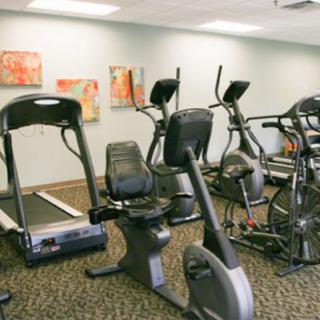
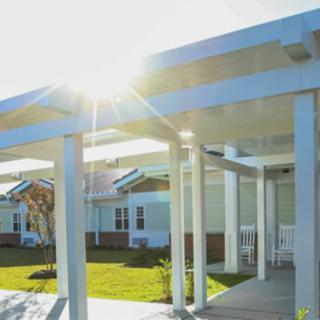
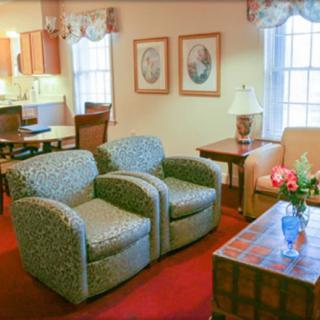
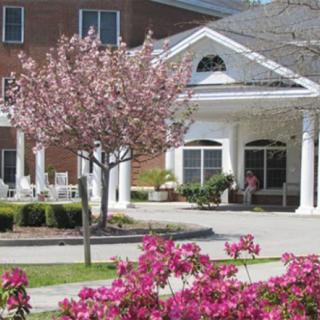
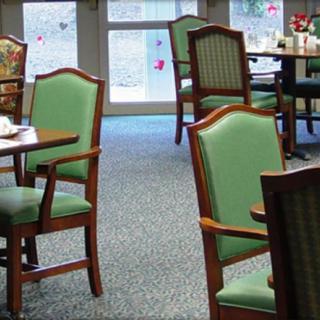
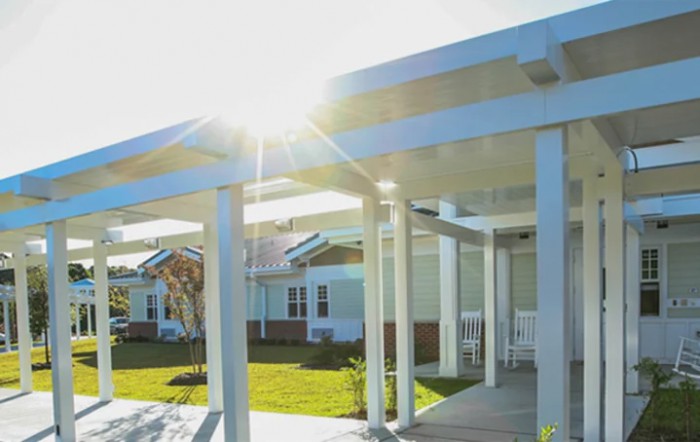
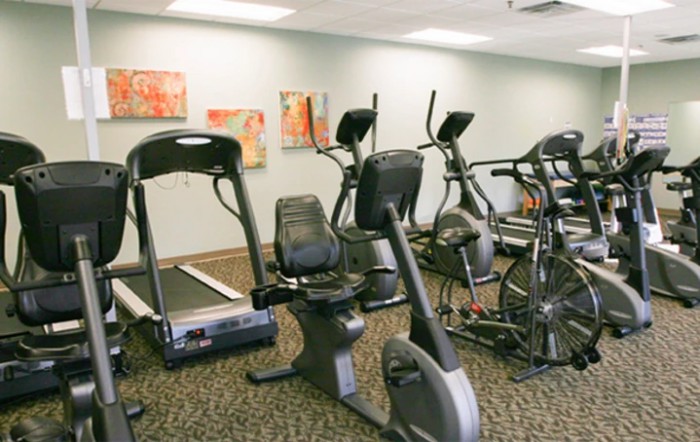
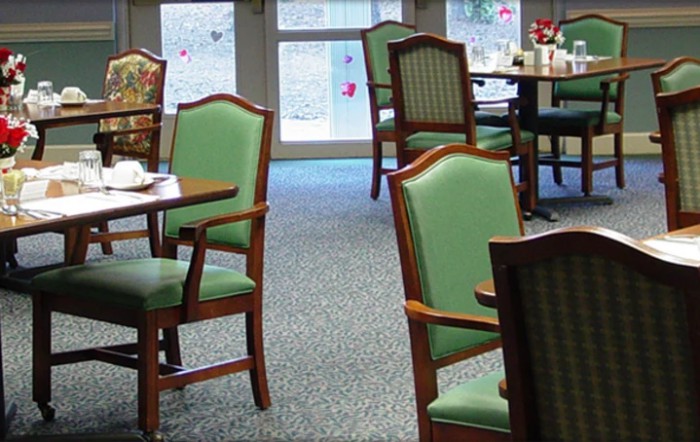
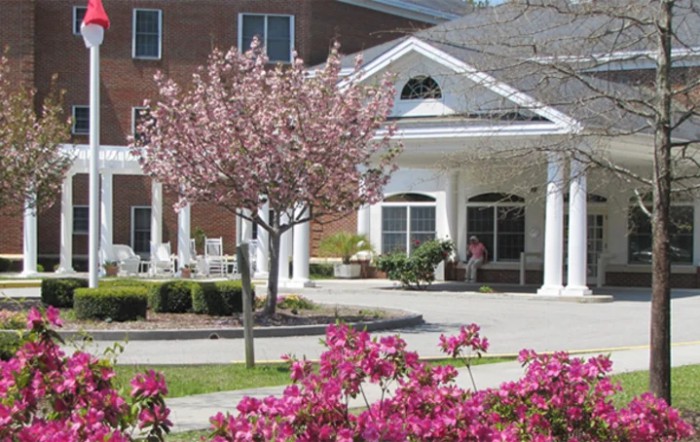
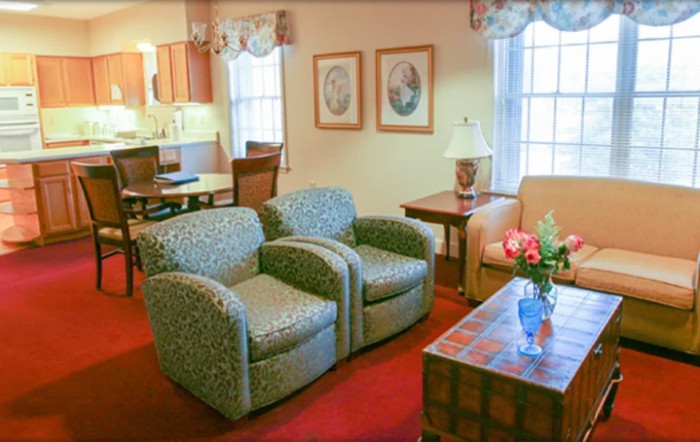
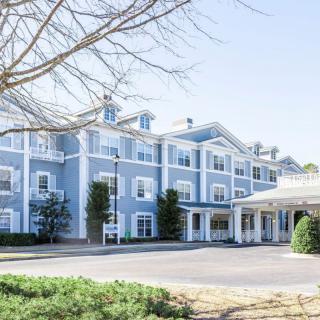
Davis Health Care Center on seniors.fyi includes 6 photos including images showing exercise equipment, interior, dining, paintings, windows, architecture, outdoors, pergola, and more.
Nearby Communities
Champions Assisted Living
Wilmington, NC
4.4 from 24 reviews
$3,426 to $5,438 / month
Nice facility with friendly, responsive staff and strong resident social engagement.
Plantation Village
Wilmington, NC
5 from 9 reviews
Mary Rebecca's Village
Hampstead, NC
Intimate 6-resident community with 24-hour supervision and comprehensive ADL support.
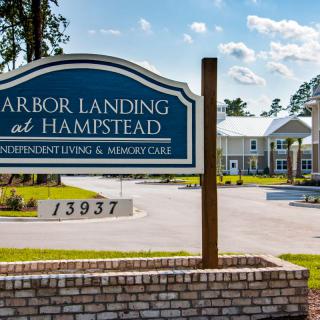
Arbor Landing at Hampstead
Hampstead, NC
4.6 from 111 reviews
$3,495 to $6,195 / month
Caring staff in a clean, spacious setting with engaging activities.
Judge Family Care Home 4
Wilmington, NC
5 from 2 reviews
Small, personalized board-and-care setting with 24-hour supervision and on-site meals.
Judge Family Care Home 1
Wilmington, NC
5 from 2 reviews
$1,800 to $2,200 / month
Intimate, small-scale setting with personalized care and pricing below local county/state averages.
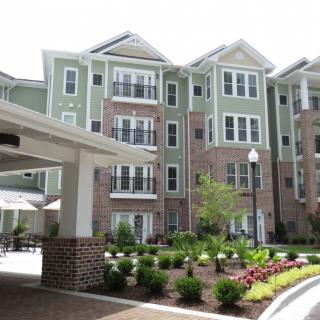
Cambridge Village of Wilmington
Wilmington, NC
4.5 from 159 reviews
$2,970 to $4,400 / month
Spacious, safe, with friendly staff, a wide range of on-site activities and amenities (pool, gym, salon, restaurant-style dining) and well-kept, modern apartments.
Coastal Cove Of Wilmington
Wilmington, NC
3.7 from 6 reviews
Small, intimate community with 24/7 supervision, memory care, meals, activities, and outdoor spaces.
The article outlines effective communication strategies for interacting with loved ones with dementia, highlighting the need for empathy, patience, and understanding while emphasizing supportive approaches like using simple language, minimizing distractions, and focusing on feelings over facts to maintain dignity and foster connection. It also suggests seeking professional guidance when needed as communication challenges evolve.
VA nursing homes, or Community Living Centers (CLCs), offer tailored long-term care for veterans, featuring medical attention and rehabilitation in a supportive environment. The guide covers facility types, eligibility criteria, financial assistance options, quality of care standards, and alternatives to full-time nursing home placement.
At-home dementia care expenses vary widely based on care levels, location, and caregiver expertise, with monthly costs for home health aides exceeding $4,500 and specialized care potentially surpassing $100,000 annually. While families favor in-home care for its comfort and personalized attention, they must consider financial planning and the challenges of caregiver fatigue.
Get PricingAsk A QuestionSchedule A TourContact Senior Advisor
By clicking submit, you agree to our Partner's Terms of Use. You
also consent to receive calls and texts, which may be autodialed, from our Partner. Your consent is not a condition to
using our Partner's service. Please visit our Partner's Privacy Policy for information about their privacy practices.

 123 resident community capacity
 Memory Care
 Skilled Nursing Facility
 Air-conditioning
 Beauty salon
 Cable or satellite TV
 Computer center
 Dining room
 Fitness room
 Fully furnished
 Gaming room
 Garden
 Housekeeping services
 Kitchenette
 Move-in coordination
 Outdoor space
 Private
 Private bathrooms
 Respite or short term stays offered
 Restaurant-style dining
 Small library
 Telephone
 Wellness center
 Wi-Fi/high-speed internet available
 Wilmington International (8 miles away)
 Community operated transportation
 12-16 hour nursing
 24-hour call system
 Activities of daily living assistance
 Assistance with bathing
 Assistance with dressing
 Assistance with transfers
 Diabetes diet
 Medication management
 Mental wellness program
 Special dietary restrictions
 Concierge services
 Planned day trips
 Nice facility with friendly, responsive staff and strong resident social engagement.

 How to Communicate with a Loved One Living with Dementia: 10 Supportive Strategies
 Comprehensive Guide to VA Nursing Homes: A Crucial Long-Term Care Resource for Veterans
 Estimating the Expenses of At-Home Dementia Care: A Detailed Exploration