Cape Fear Home Care in Wilmington, NC
Save
Information last verified:
513 Market St, Wilmington, NC 28401
For more information about senior living options: (844) 490-3973
This community is best suited for families facing the end of life who want deeply compassionate, hands-on hospice support delivered with dignity in a calm, home-like setting. The strongest case lies with those who value a patient- and family-centered approach, where a coordinated team, doctors, nurses, aides, social workers, chaplains, and volunteers, works to relieve pain, ease transitions, and keep families informed. It is especially strong for in-home hospice care and for centers that emphasize a peaceful atmosphere, meaningful family time, and ongoing spiritual and emotional support. When the priority is to minimize suffering while keeping loved ones comfortable and respected, this provider consistently delivers.
However, several reviewers counsel caution and advocate exploring alternatives. Some families report rude or unresponsive office interactions, missed forms, and delays in communication that can compound stress during already difficult moments. A subset of notes highlights discrimination concerns or inconsistent policies that affect access to visits or services. These experiences matter, because they directly influence how smoothly care unfolds on the ground. For families where reliable, proactive communication and equitable, respectful treatment are non-negotiable, it makes sense to compare other local hospice options or to bring explicit expectations to the intake process and to demand concrete communication guarantees.
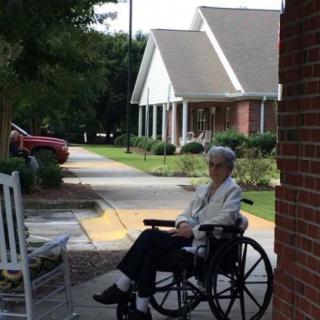
The core positives, compassionate staffing, patient comfort, and family-centric support, often rise above the downsides. Across numerous reviews, the care teams are described as patient, gentle, and deeply committed to keeping patients clean, comfortable, and pain-free. Families repeatedly credit nurses, CNAs, and chaplains for guiding them through the process with empathy, and they celebrate the seamless involvement of social workers and physicians in planning and daily care. The environment itself is repeatedly praised: calm, orderly, and conducive to quiet time with loved ones; facilities offer peaceful rooms that allow family presence and meaningful goodbyes. The program also shines in its willingness to coordinate with hospital teams and to arrange equipment, medications, and home visits promptly when needed.
Still, the most challenging threads in the reviews focus on communication gaps and inconsistencies in service delivery. Several families recount periods of poor callback times, unanswered questions, or delays in updating care plans. In some cases, medication management and symptom control appeared to suffer from miscommunication or walk-throughs that did not meet expectations. These drawbacks can eclipse strengths, especially for families already navigating grief and urgency. To mitigate risk, prospective clients should insist on a clearly defined point of contact, a named primary nurse for the care horizon, and a written plan that outlines expected response times, escalation steps, and who will attend family meetings. This proactive posture tends to convert potential weaknesses into manageable risks.
From an operational standpoint, the hospice and life-care ecosystem here has several notable strengths. The blend of home-based and center-based services offers flexibility, enabling families to preserve familiar surroundings while accessing professional support when symptoms flare or transitions occur. The presence of chaplains, social workers, and volunteers expands the support network beyond medical care, reinforcing emotional and spiritual well-being for both patients and families. The staff’s attentiveness to family logistics, food donations, room preparation for visitors, and coordination of aftercare services, speaks to a holistic model that treats the whole family, not just the patient. Clean, serene facilities further reinforce a sense of dignity during life’s final chapters.
Bottom line: this hospice and life-care provider is a strong, credible option for families prioritizing compassionate, patient-centered end-of-life care and meaningful family involvement. When the focus is on a peaceful, supported passing with robust emotional and spiritual care, the positives are compelling and consistently reinforced by many grateful families. Yet the decision hinges on reliability and communication. For families where oversight, rapid responsiveness, and consistent, respectful treatment across all touchpoints cannot be guaranteed, it is prudent to compare alternative hospice providers in Wilmington or to set firm expectations at intake and demand documented guarantees. If the chosen path remains this provider, a practical plan is essential: designate a single point of contact, request a named nurse and a detailed care plan, establish clear response windows, and enlist the social worker as ongoing advocate to ensure concerns are escalated and addressed promptly.
Cape Fear Home Care, located in the beautiful city of Wilmington, NC, offers a wonderful assisted living community for individuals seeking a comfortable and supportive environment. With its convenient location, residents can enjoy easy access to various amenities nearby.
For those who appreciate a good cup of coffee or a delicious meal outside of their home, Cape Fear Home Care is surrounded by 24 restaurants where residents can indulge in diverse culinary experiences. From cozy cafes to fine dining establishments, there is something to suit every palate.
Nature enthusiasts will be delighted with the three parks located close to the community. These parks provide perfect settings for leisurely walks, picnics with loved ones, or simply enjoying the outdoors and embracing the serenity of nature.
Healthcare needs are well taken care of with four pharmacies in close proximity to Cape Fear Home Care. This ensures that medication refills and other pharmaceutical services are easily accessible for all residents.
Residents also have convenient access to six physicians nearby, ensuring comprehensive medical care. Whether it's routine check-ups or specialized treatments, having trusted healthcare professionals just a stone's throw away brings great peace of mind to both residents and their families.
Transportation options are abundant with two transportation services nearby. This makes it convenient for residents to travel around the city for appointments, shopping trips, or outings with friends and family.
Additionally, entertainment options are readily available as there is one theater close by. Residents can enjoy enriching cultural experiences without having to venture far from home.
Overall, Cape Fear Home Care provides a nurturing and vibrant assisted living community where residents can live comfortably and enjoy their golden years amidst an array of amenities right at their fingertips.
This area of Wilmington, North Carolina offers a convenient and diverse range of amenities for seniors looking to settle down in a peaceful and well-connected community. With cafes like Bespoke Coffee & Dry Goods and restaurants like Tarantelli's and Elijah's Restaurant within close proximity, residents can easily enjoy delicious meals and socialize with friends. The availability of reputable physicians such as New Hanover Medical Group and pharmacies like Seashore Discount Drugs ensures that healthcare needs are well catered for. In addition, the presence of beautiful parks like Brunswick River Park allows for leisurely strolls and outdoor activities. For entertainment options, theaters such as The Pointe 14 at Barclay are just a short drive away. Overall, this area provides a comfortable and enriching environment for seniors seeking to enjoy their retirement years in Wilmington.
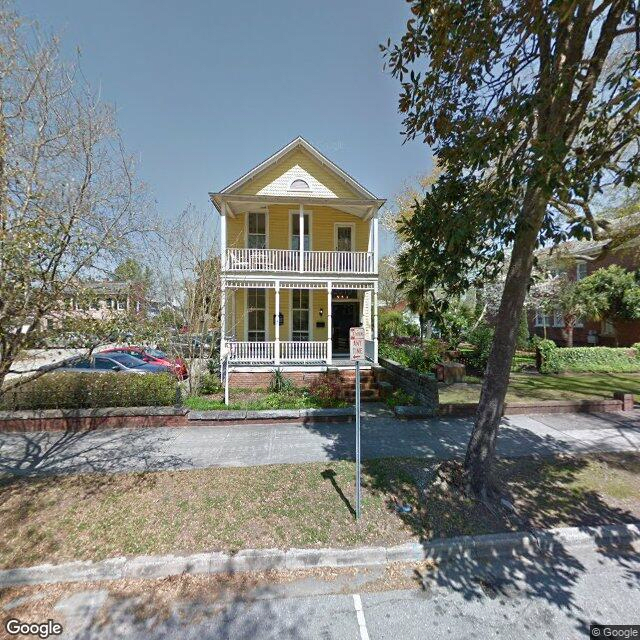
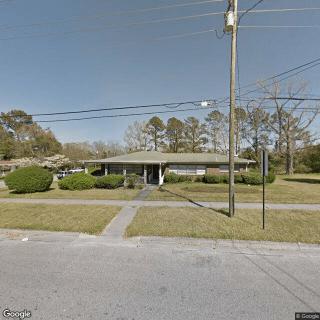
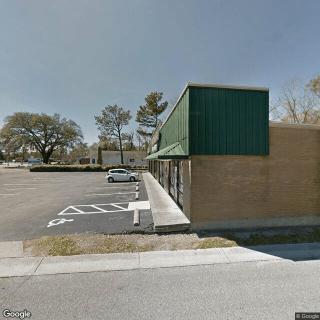
Cape Fear Home Care is located at 513 Market St, Wilmington, NC 28401 in Pender County, North Carolina
Understanding the Nuances of Palliative Care and Hospice: A Comprehensive Exploration

Palliative care focuses on alleviating distress at any stage of a serious illness and can accompany curative treatments, while hospice care is for those nearing the end of life with a prognosis of six months or less, emphasizing comfort over curative measures. Both prioritize holistic care for patients and families but differ in timing, goals, and scope.
Fecal Incontinence in Older Adults: A Comprehensive Guide

Fecal incontinence, prevalent among older adults, arises from factors like weakened pelvic muscles and nerve damage, significantly affecting well-being and social interactions. Diagnosis involves clinical evaluation and tests to inform tailored treatments, while caregivers and preventive measures can aid in managing the condition effectively.
Recognizing the Journey: Understanding and Navigating Anticipatory Grief
Anticipatory grief is an emotional response to the impending loss of a loved one, characterized by complex emotions such as sadness and anger, and involves navigating stages similar to those identified by Kübler-Ross. Coping strategies are vital for managing this process, emphasizing compassionate communication, self-care, and support groups while recognizing the cultural influences on grieving.