Magnolia Gardens Of Warrenton

930 Highway 158 Bus. E, Warrenton, NC 27589

For more information about senior living options: (844) 490-3973

2.5 from 11 reviews
5 stars
3
4 stars
1
3 stars
0
2 stars
1
1 stars
6

Assisted Living

Overall Review of Magnolia Gardens Of Warrenton

Pros

  • pro Things are looking better at the facility following the new management change.
  • pro There is hope that the improvements will continue.

Cons

  • pro They wouldn't recommend this place to anyone, saying it doesn't care for its patients and that their brother was treated poorly.
  • pro They say they aren't getting what they're looking for.
  • pro They describe the place as the nastiest, saying it doesn't take care of patients and can't keep staff; they also claim the staff are lazy.
  • pro They wouldn't send their loved ones here, noting it's where their grandmother died and the director spoke to their family horribly.
  • pro They say their father's stay has been an absolute nightmare.
  • pro They say the facility's internet is down even after they provided a TV and Roku.
  • pro They say their father contracted Covid-19 there and is isolated with no entertainment or interaction.
  • pro They say there is no stimulation or rehabilitation being done for their father.
  • pro They call the facility a money grab and say it should be shut down.
  • pro They say they will report the facility and move their father out.

Review

Magnolia Gardens Of Warrenton is best suited for families with very few options who must place a loved one despite serious care concerns and who are prepared to supervise care closely and fill gaps with outside services. The consensus from several families is that the community struggles with consistent staffing and reliable care delivery. For residents who require regular, attentive supervision, this facility is unlikely to meet expectations without substantial family involvement. If the plan relies on staff for daily medical oversight, personal interaction, and meaningful activity, the current environment tends to fall short. In short, this is a last-resort choice where oversight becomes part of the care plan, not a substitute for it.

Those who should seriously consider alternatives are families seeking reliable clinical oversight, consistent staffing, regular rehabilitation, and an engaging social milieu. If a loved one requires structured physical therapy, daily meaningful activities, or timely responses to medical needs, Magnolia Gardens has repeatedly shown gaps that undermine recovery and comfort. Families with the ability to tour other facilities, or to supplement with home health aides, will find better alignment elsewhere. For long-term stays, consider communities with documented staffing stability, transparent care plans, and responsive administrative leadership. If mobility and social engagement are priorities, this site may not deliver adequate fulfillment.

From a practical standpoint, the limited, if any, clearly articulated advantages are overshadowed by pervasive concerns. Several reviews note poor treatment of residents and staff shortages tied to a culture of disengagement. A seemingly positive signal appears in the report of a new management layer, with some families hoping that improved oversight persists. The ability for residents to bring personal entertainment is a modest flex that hints at a lack of built-in stimulation; it does not compensate for the absence of regular programming or interactive staff interaction. In short, the facility may offer location convenience, but the day-to-day care experience remains suspect.

Key pros do not meaningfully offset the primary drawbacks. The new leadership is not yet proven to stabilize staffing or consistently deliver compassionate care, and that instability directly affects safety and well-being. The most alarming themes center on neglectful behavior claims, ineffective communication, and restricted engagement that leaves residents isolated. The internet outage complaint is emblematic of a broader pattern where basic comforts and opportunities for connection are inconsistent. Without reliable staffing, timely assistance with activities of daily living, and proactive clinical oversight, any marginal gains from management changes risk being eroded. Families should not assume improvement is guaranteed without concrete, sustained evidence of change.

When proceeding with Magnolia Gardens, families should demand concrete assurances. Request current staffing ratios, a written care plan with daily goals, and a schedule of rehabilitation services and social activities. Seek regular, scheduled updates from the administrator and direct contact with the charge nurse or primary clinician. Verify that there is a clear process for responding to emergencies and handling infections, and insist on timely repair of basic amenities and dependable internet or entertainment options. Consider bringing in a private caregiver to monitor and supplement clinical care. Create an exit plan with defined triggers for transition if care quality declines further. Do not rely on hope; require accountability.

Bottom line: Magnolia Gardens Of Warrenton is not a typical first choice for most families. It is a facility to be avoided unless there is no viable alternative and the family is prepared to be highly involved in daily care, advocate vigorously, and arrange outside services. For those who cannot or should not compromise on care quality, explore other Warrenton-area options with stronger staffing records, clearer care plans, and a track record of compassionate engagement. If choosing Magnolia, proceed with caution, insist on measurable improvements, and keep a ready plan to relocate. The overarching goal remains safeguarding safety, dignity, and meaningful activity, rather than accepting a pattern of inconsistent care.

Features

Housing

  • 86 resident community capacity 86 resident community capacity

Types of Care

  • Assisted Living Assisted LivingAssisted living facilities provide crucial support and care for seniors who may need help with daily tasks such as medication management, bathing, and meal preparation. These communities offer a safe and comfortable environment where seniors can maintain their independence while receiving the assistance they need to thrive in their golden years.

Amenities

  • Air-conditioning Air-conditioningAir conditioning is important for seniors as they are more vulnerable to heat-related illnesses and may have underlying health conditions that make it difficult for them to regulate their body temperature. It helps to keep them comfortable, safe, and healthy in hot weather.
  • Beauty salon Beauty salonBeauty salons are important for seniors because they provide a space for them to feel pampered, socialize, and maintain their personal grooming and hygiene. Regular visits to a beauty salon can help boost seniors' self-esteem and overall well-being.
  • Cable or satellite TV Cable or satellite TVCable or satellite TV is important for seniors because it provides entertainment, news, and companionship, helping to combat loneliness and boredom. It also offers a wide range of programming options tailored to different interests and preferences.
  • Computer center Computer centerA computer center is essential for seniors as it provides access to technology, communication tools, and resources that can enhance their daily lives. It allows them to stay connected with loved ones, engage in online activities, and learn new skills, ultimately promoting socialization and mental stimulation.
  • Dining room Dining roomDining rooms are important for seniors as they provide a space for socialization, connection, and nutritious meals. They offer opportunities for residents to bond over shared meals, foster a sense of community, and promote healthy eating habits. Dining rooms also ensure that seniors have access to well-balanced meals tailored to their dietary needs and preferences.
  • Fitness room Fitness roomHaving a fitness room in a senior living community is essential for seniors to stay active, maintain their physical health, and improve their overall well-being. Regular exercise can help prevent falls, reduce the risk of chronic diseases, and promote mental sharpness. It also provides social opportunities for residents to connect with others and enjoy a sense of community.
  • Fully furnished Fully furnishedFully furnished senior living communities are important for seniors because they provide convenience, comfort, and a hassle-free moving experience. Seniors can easily settle into their new living space without the stress of having to buy and move furniture. This allows them to focus on enjoying their new home and community.
  • Gaming room Gaming roomGaming rooms are important for seniors as they provide a fun and engaging environment for socializing, cognitive stimulation, and physical activity. Games can improve memory, problem-solving skills, and overall mental well-being while fostering friendships and reducing feelings of isolation.
  • Garden GardenGardens are important for seniors as they provide a peaceful and therapeutic environment for relaxation, physical activity, and socialization. Being in nature has been shown to reduce stress, improve mood, and promote overall well-being. Gardens also offer opportunities for seniors to engage in gardening activities, which can improve mobility, flexibility, and cognitive function. Additionally, gardens create a sense of community and connection with others who share a passion for plants and outdoor spaces.
  • Housekeeping services Housekeeping servicesHousekeeping services are important for seniors because they help maintain a clean and safe living environment, promote independence, and reduce the risk of accidents or illnesses. Additionally, having assistance with household chores can alleviate physical strain and allow seniors to focus on other aspects of their well-being.
  • Kitchenette KitchenetteKitchenettes are important for seniors living in senior living communities because they provide the convenience and independence of being able to prepare simple meals and snacks in the comfort of their own living space. This can help promote a sense of autonomy and well-being for seniors, allowing them to maintain some level of control over their dietary choices and daily routines.
  • Move-in coordination Move-in coordinationMove-in coordination is important for seniors because it helps ease the transition into their new living environment. It ensures that all logistics, such as packing, organizing movers, and setting up utilities are taken care of, allowing seniors to focus on settling in and adjusting to their new home. Having a smooth move-in process can alleviate stress and anxiety, making the transition smoother and more enjoyable for seniors.
  • Outdoor space Outdoor spaceOutdoor spaces are important for seniors as they provide opportunities for physical activity, social interaction, exposure to natural light and fresh air, and a sense of connection to nature. Having access to outdoor spaces can improve overall well-being and quality of life for older adults living in senior communities.
  • Private bathrooms Private bathroomsPrivate bathrooms are important for seniors in senior living communities because they provide independence, dignity, and comfort. Having a private bathroom allows seniors to maintain their personal hygiene routines without the need for assistance, promoting a sense of autonomy and privacy. Additionally, private bathrooms help prevent the spread of infections and provide a safe and clean environment for seniors to navigate safely.
  • Restaurant-style dining Restaurant-style diningRestaurant-style dining is important for seniors because it allows them to enjoy delicious, nutritious meals in a social and upscale setting. This enhances their dining experience, promotes healthy eating habits, and fosters socialization with fellow residents, ultimately contributing to their overall well-being and quality of life.
  • Small library Small librarySmall libraries are important for seniors as they provide access to a variety of reading materials, including books, newspapers, and magazines. This can help stimulate their minds, keep them engaged, and provide a sense of community through book clubs and other social activities. Additionally, reading has been shown to improve cognitive function and overall mental well-being in older adults.
  • Telephone TelephoneTelephones are important for seniors as they provide a lifeline for communication with loved ones, emergency services, and healthcare providers. They offer a sense of security and independence, enabling seniors to stay connected and access assistance when needed.
  • Wellness center Wellness centerWellness centers are important for seniors because they offer a variety of programs and services that promote physical, mental, and emotional well-being. These centers provide opportunities for exercise, socialization, education, and relaxation, helping seniors maintain their overall health and quality of life.
  • Wi-Fi/high-speed internet available Wi-Fi/high-speed internet availableWi-Fi/high-speed internet is important for seniors to stay connected with loved ones, access online resources, and participate in virtual activities to combat feelings of loneliness and isolation. It also allows them to easily manage healthcare needs, access entertainment, and engage in lifelong learning opportunities.

Transportation

  • Community operated transportation Community operated transportationCommunity operated transportation is crucial for seniors as it provides them with the means to access essential services, social activities, and medical appointments. It allows seniors to maintain their independence and quality of life by ensuring they can participate in activities outside of their homes. Additionally, community-operated transportation services offer a safe and reliable way for seniors to travel without having to rely on family or friends for assistance.
  • Transportation arrangement Transportation arrangementTransportation arrangements are crucial for seniors as they may face challenges with driving, mobility, or access to public transportation. Having reliable transportation services ensures that seniors can easily attend appointments, social activities, and maintain their independence and quality of life.
  • Transportation arrangement (non-medical) Transportation arrangement (non-medical)Transportation arrangements are essential for seniors as they provide access to essential services, activities, and social interactions outside the home. This service helps maintain independence, mobility, and overall well-being for seniors who may have limited transportation options.
  • Transportation to doctors appointments Transportation to doctors appointmentsTransportation to doctors appointments is crucial for seniors as it ensures they have access to necessary medical care and support, promoting their health and well-being. It allows them to receive timely treatment, monitor existing conditions, and address any new health concerns efficiently. Additionally, transportation services can help seniors maintain their independence and quality of life by enabling them to stay connected with their healthcare providers.

Care Services

  • 12-16 hour nursing 12-16 hour nursing12-16 hour nursing care is crucial for seniors in order to ensure around-the-clock monitoring, timely medication administration, and prompt response to any health concerns or emergencies. This level of care helps to promote the overall well-being and safety of seniors living in senior living communities.
  • 24-hour call system 24-hour call system24-hour call systems are important for seniors because they provide peace of mind and immediate assistance in case of emergencies. This technology ensures that help is always available, promoting safety and security for elderly individuals living alone or in assisted living facilities.
  • 24-hour supervision 24-hour supervision24-hour supervision is important for seniors to ensure their safety, well-being, and access to immediate assistance in case of emergencies or health issues. This constant support provides peace of mind for both seniors and their loved ones, allowing them to age in place with dignity and security.
  • Activities of daily living assistance Activities of daily living assistanceActivities of daily living assistance are important for seniors because they provide essential support with tasks such as eating, bathing, dressing, and mobility. This assistance helps seniors maintain their independence, dignity, and overall quality of life as they age.
  • Assistance with bathing Assistance with bathingAssistance with bathing is crucial for seniors as it helps maintain personal hygiene, prevents infections, and ensures their overall well-being and comfort. It also provides a sense of dignity and independence for seniors who may struggle with this task on their own.
  • Assistance with dressing Assistance with dressingAssistance with dressing is important for seniors because it helps maintain their independence, promotes personal hygiene, prevents accidents and injuries, and improves overall quality of life. This service ensures that seniors can continue to dress comfortably and confidently, despite any physical limitations they may have.
  • Assistance with transfers Assistance with transfersAssistance with transfers is crucial for seniors as it helps prevent falls and injuries, maintains their independence, and ensures they can safely navigate their living environment. It also provides peace of mind for both seniors and their loved ones.
  • Diabetes diet Diabetes dietA diabetes diet is crucial for seniors as it helps manage blood sugar levels, reduce risks of complications, and improve overall health and well-being. By following a balanced and nutritious diet tailored to their specific needs, seniors can better control their diabetes and enhance their quality of life.
  • Meal preparation and service Meal preparation and serviceMeal preparation and service are crucial for seniors as they may have limited mobility or energy to cook nutritious meals. Having access to healthy and convenient food options can ensure they are getting the proper nutrition needed to maintain their overall health and well-being.
  • Medication management Medication managementMedication management is crucial for seniors to ensure they are taking the right medications at the correct dosages and times. This helps prevent adverse drug interactions, reduces the risk of medication errors, and promotes overall health and well-being. Proactive management also allows for adjustments as needed based on changing health conditions or new prescriptions.
  • Mental wellness program Mental wellness programMental wellness programs are essential for seniors as they promote cognitive stimulation, emotional support, and social engagement. These programs help prevent isolation, depression, and cognitive decline, ultimately enhancing the overall quality of life for older adults.
  • Special dietary restrictions Special dietary restrictionsSpecial dietary restrictions are important for seniors because age-related changes in metabolism and health conditions can make it difficult for their bodies to process certain foods. By following a diet tailored to their specific needs, seniors can maintain their overall health and well-being, manage chronic conditions, and reduce the risk of complications such as malnutrition or food interactions with medications.

Dining

  • Diabetes diet Diabetes dietA diabetes diet is crucial for seniors as it helps manage blood sugar levels, reduce risks of complications, and improve overall health and well-being. By following a balanced and nutritious diet tailored to their specific needs, seniors can better control their diabetes and enhance their quality of life.
  • Special dietary restrictions Special dietary restrictionsSpecial dietary restrictions are important for seniors because age-related changes in metabolism and health conditions can make it difficult for their bodies to process certain foods. By following a diet tailored to their specific needs, seniors can maintain their overall health and well-being, manage chronic conditions, and reduce the risk of complications such as malnutrition or food interactions with medications.

Activities

  • Community-sponsored activities Community-sponsored activitiesCommunity-sponsored activities are important for seniors as they provide opportunities for social interaction, mental stimulation, and physical activity. These activities can help improve overall well-being, combat loneliness and isolation, and promote a sense of belonging and purpose among older adults.
  • Concierge services Concierge servicesConcierge services are essential for seniors as they provide assistance with daily tasks and errands, enhance their quality of life by offering convenience and personalized care, and promote a sense of safety and security.
  • Fitness programs Fitness programsFitness programs are crucial for seniors as they help improve strength, flexibility, balance, and overall well-being. Staying active can reduce the risk of chronic diseases, improve mental health, and enhance quality of life in older adults.
  • Planned day trips Planned day tripsPlanned day trips are important for seniors because they offer opportunities for socialization, mental stimulation, and physical activity. They provide a change of scenery and help seniors stay engaged and connected to their community, promoting overall well-being and quality of life.
  • Resident-run activities Resident-run activitiesResident-run activities are important for seniors as they encourage social interaction, creativity, and a sense of autonomy. These activities empower seniors to stay engaged and active in their community while fostering meaningful connections with their peers.
  • Scheduled daily activities Scheduled daily activitiesScheduled daily activities are important for seniors because they provide structure, socialization, mental stimulation, and physical activity. Engaging in regular activities can improve overall well-being and quality of life for seniors living in a community setting.

Description

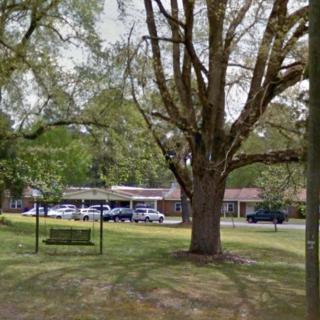
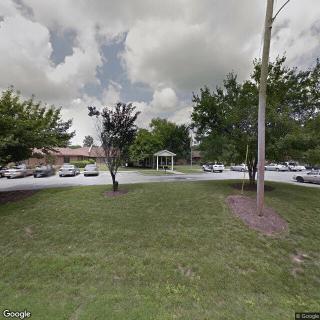
Magnolia Gardens of Warrenton is an assisted living community located in Warrenton, North Carolina. With a range of amenities and care services, we strive to provide a comfortable and enriching environment for our residents.

Our community features various amenities to enhance the overall well-being of our residents. These include a beauty salon where they can pamper themselves, cable or satellite TV for their entertainment, and a computer center to stay connected with loved ones. We also have a fitness room for regular exercise, a gaming room for recreational activities, and outdoor space where they can relax and enjoy nature. Additionally, we offer housekeeping services to ensure a clean and organized living environment.

The dining experience at Magnolia Gardens of Warrenton is restaurant-style, offering delicious meals prepared by our skilled staff. We accommodate special dietary restrictions to cater to individual needs and preferences.

To facilitate transportation needs, our community offers community-operated transportation as well as transportation arrangement for non-medical purposes such as shopping or social outings. We also provide transportation arrangements specifically for doctors' appointments.

Care services at Magnolia Gardens of Warrenton are designed to meet the individual needs of each resident. Our 24-hour call system ensures that help is always available whenever needed. Our trained staff provides assistance with daily living activities such as bathing, dressing, and transfers. We also offer medication management and follow specific dietary guidelines like diabetes diets or special dietary restrictions.

Residents at Magnolia Gardens of Warrenton can engage in various activities that promote social interaction and personal growth. We offer fitness programs to keep them active and healthy. Planned day trips are organized for them to explore nearby attractions. Resident-run activities allow them to showcase their talents and interests within the community. We also have scheduled daily activities to ensure there is always something exciting happening.

Additionally, our community offers concierge services to assist residents with any additional needs or requests they may have. A mental wellness program is in place to address the emotional well-being of our residents.

Furthermore, Magnolia Gardens of Warrenton is conveniently located near physicians, ensuring quick and easy access to medical care.

Overall, at Magnolia Gardens of Warrenton, we prioritize the comfort and happiness of our residents by providing excellent amenities and care services in a warm and inviting atmosphere.

Nearby Places of Interest

Physicians

  • Rural Health Group (3.8 miles)
  • Tanglewood Family Medicine (13.3 miles)
  • Avada Hearing Care Center (22.5 miles)
  • South Hill Internal Medicine (22.8 miles)
  • South Hill Family Medicine (22.8 miles)
  • South Hill Family Practice (22.8 miles)
  • Mid Atlantic Eye Physicians (22.9 miles)

Parks

  • County Line State Park (12.7 miles)
  • North Bend Park and Campground (15.8 miles)
  • Centennial Park (22.6 miles)
  • Parker Park (22.6 miles)
  • Veteran's Memorial Park (22.6 miles)
  • Town Park (22.8 miles)

Restaurants

  • Huddle House (13.9 miles)
  • Applebee's (21.5 miles)
  • Sonic Drive-In (21.6 miles)
  • Arby's (21.6 miles)
  • Bojangles' Famous Chicken 'n Biscuits (21.7 miles)
  • Luca's Italian Restaur (21.7 miles)
  • Five Guys Burgers & Fries (21.7 miles)

Places of Worship

  • Philadelphia Church (19.8 miles)
  • Bethel Memorial Rzua (21.1 miles)
  • Rzua Headquarters (21.1 miles)
  • Awesome Faith Headquarters (21.2 miles)
  • Bethel Memorial Rzua (21.3 miles)
  • Rzua Headquarters (21.3 miles)
  • New Life Ministries (21.7 miles)

Pharmacies

  • Walmart Pharmacy (21.8 miles)
  • CVS Pharmacy (22.3 miles)
  • The Medicine Shoppe (22.5 miles)
  • South Hill Drug Company (23.1 miles)

Transportation

  • U-Haul Moving & Storage (22.7 miles)
  • Walker's Nick Taxicab (22.8 miles)

Hospitals

  • Community Memorial Healthcenter (23.2 miles)
  • Community Memorial Hospital (23.2 miles)

Frequently Asked Questions

Where is Magnolia Gardens Of Warrenton?

Nearby Communities

  • Lifestyle Home Care

    Lifestyle Home Care

    Warrenton, NC

    5 from 1 review
     

    pro Personalized care with engaging activities in a warm, welcoming community.

  • K & G Family Care Home

    K & G Family Care Home

    Warrenton, NC

    5 from 7 reviews
     

    pro Small, home-like board-and-care setting with 24-hour staff, medication management, diabetes-friendly meals, and transportation to medical appointments.

  • Alpha Magnolia Garden

    Alpha Magnolia Garden

    Warrenton, NC

    2.5 from 13 reviews
    $2,500 to $5,000 / month

    pro Immaculate facility with kind staff and successful roommate matching.

  • Warren Hills Nursing Center

    Warren Hills Nursing Center

    Warrenton, NC

    3.5 from 11 reviews
     

    pro Comprehensive amenities and 24/7 care including transport, dining, fitness, and wellness.

  • Boyd's Rest Home 2

    Boyd's Rest Home 2

    Macon, NC

    4 from 4 reviews
     

    pro Small, personalized care with ADL support and dietary options.

  • Boyd's Rest Home

    Boyd's Rest Home

    Macon, NC

    4 from 4 reviews
    $1,800 / month

    pro Low cost relative to local and state averages.

  • Pelican Health Henderson

    Pelican Health Henderson

    Henderson, NC

    3.7 from 42 reviews
     

    pro Caring staff and excellent care for residents.

  • Louisburg Manor

    Louisburg Manor

    Louisburg, NC

    3 from 11 reviews
     

    pro Warm, home-like atmosphere with attentive staff and on-site services.

  • Community Memorial Hospital Hundley Center

    Community Memorial Hospital Hundley Center

    South Hill, VA

    1.6 from 7 reviews
     

    pro Restaurant-style dining with 24/7 supervision and comprehensive amenities.

Assisted Living in Nearby Cities

Related Resources

  • active senior livingVibrant Senior Living: A Comprehensive Guide for Active Older Adults

    Vibrant Senior Living emphasizes active senior living communities that promote independence and engagement through diverse amenities and activities, fostering wellness and social interaction among older adults. These communities range from independent to assisted living, with a focus on personal growth, family involvement, financial planning, and leveraging technology to enhance residents' experiences.

  • when to move from assisted living to memory careWhen to Transition from Assisted Living to Memory Care: Key Indicators, Steps, and Finding the Right Community

    Transitioning from assisted living to memory care is driven by an individual's cognitive decline and specific needs, requiring careful evaluation of indicators like increased confusion and wandering. The process involves consulting medical professionals, researching suitable communities, considering financial and legal aspects, and ensuring effective communication for personalized care plans.

  • assisted living vs memory careAssisted Living and Memory Care: Understanding Their Core Differences

    Assisted living provides moderate support for seniors seeking independence, while memory care offers specialized support for individuals with dementia or cognitive impairments through structured routines and trained staff. Key differences include care approaches, environment security measures, staff training levels, activity types, and cost considerations.