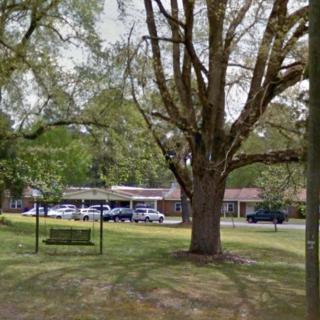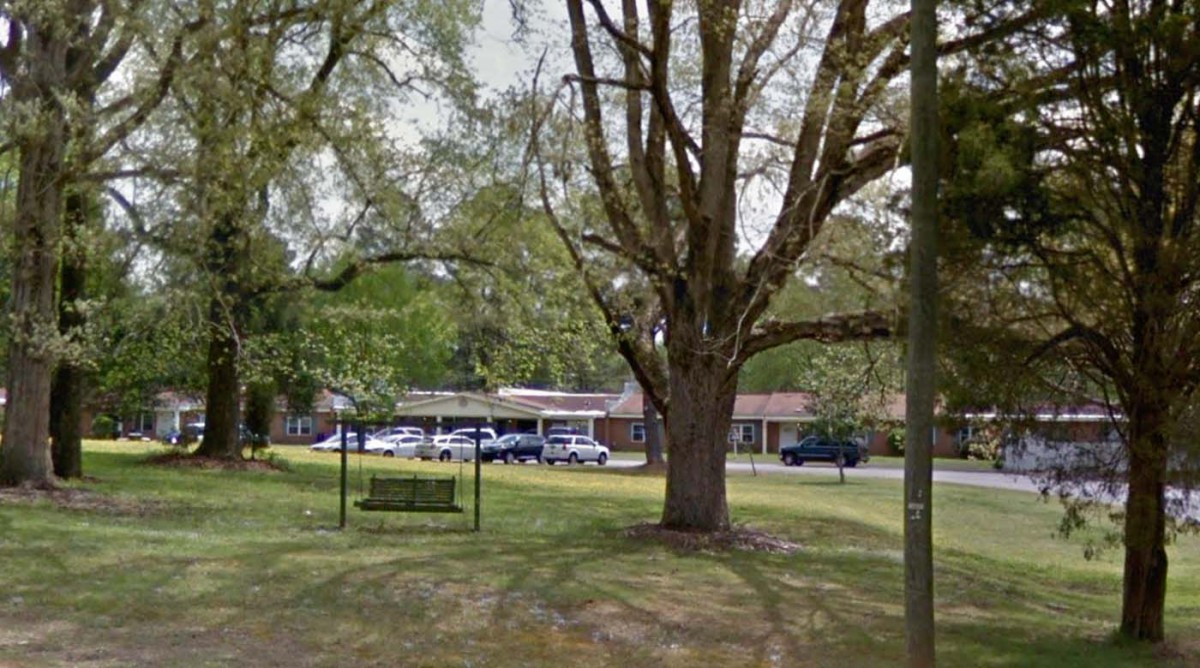
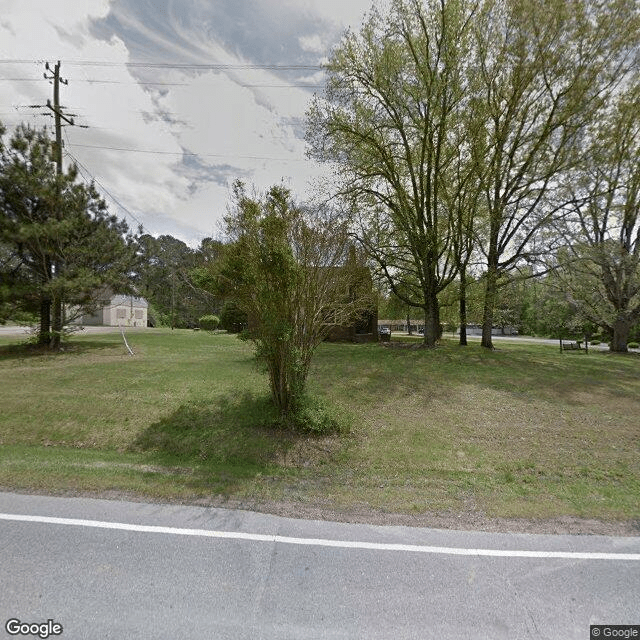
930 Hwy 158 Bus. E, Warrenton, NC 27589
To contact a resident: (252) 257-3106
For more information about senior living options: (866) 208-4318
Alpha Magnolia Garden Costs & Pricing
At Alpha Magnolia Garden, the monthly costs for room types reflect a strategic alignment with both local and state averages. For a semi-private room, residents pay $2,500 per month - considerably higher than the Warren County average of $2,000 but notably lower than the North Carolina average of $3,584. This positions Alpha Magnolia Garden competitively in terms of affordability while maintaining quality standards. In contrast, the cost for a one-bedroom unit is set at $5,000 per month, which matches the local rate in Warren County but is higher than the state average of $4,055. This pricing structure suggests that Alpha Magnolia Garden aims to offer value through its amenities and services while staying attuned to regional market dynamics.
| Floor plans | Alpha Magnolia Garden | Warren County | North Carolina |
|---|---|---|---|
| Semi-Private | $2,500 | $2,000 | $3,584 |
| 1 Bedroom | $5,000 | $5,000 | $4,055 |
Overall Review of Alpha Magnolia Garden
Pros
 The staff are kind, caring and attentive.
- It is the cleanest place the reviewer has seen.
- The staff are so sweet and they can't be praised enough.
- The move-in process includes meeting the resident first and matching them with a good roommate.
- The mom's roommate is very sweet and they get along fine.
- Things are looking better around there since the new management change.
Cons
 The facility is described as the nastiest place, with staff who do not take care of patients and are lazy.
- The reviewer would not recommend the facility to anyone due to poor patient care and a relative being treated poorly.
- They warn others not to send loved ones there, citing a grandmother's death and a director who spoke to the family horribly.
- Some of the staff lack compassion, and there is no communication with families except when signatures are requested.
- There was a Covid outbreak at the facility with no notification to families.
- The place is labeled a money grab that should be shut down, as a relative contracted Covid-19 and received no stimulation or rehabilitation.
Review
Alpha Magnolia Garden in Warrenton, NC is best suited for families seeking a clean, welcoming environment with genuinely warm front-line staff and a move-in process that emphasizes compatible roommate matching. It works well for seniors who want a home-like setting where routine and personal attention matter, and where active family involvement in oversight is feasible and valued. The strongest hinge point is the overall upkeep and the approachable demeanor of many caregivers, which translates into days that feel comfortable and predictable for residents who thrive on social connection and steady oversight.
However, those evaluating alternatives should note that this community may not be the right fit for residents with heavier medical needs or those who require consistent, round-the-clock nursing and robust rehabilitation programming. Multiple reviewers flagged care gaps, staffing instability, and communication delays, which together undermine reliability in daily care. For families prioritizing transparent management, strong dementia programming, or regular therapeutic activities, other options will likely deliver more predictable outcomes. In short, cleanliness and friendliness do not compensate for ongoing care and staffing concerns.
On balance, the clean facility and the personable staff can offset some concerns for residents who do not demand intensive clinical oversight. The move-in process, particularly the emphasis on matching residents with compatible roommates and the ability to feel comfortable in the environment from day one, supports mood and social engagement. Yet these positives weaken when care delivery becomes inconsistent or when administrative communications lag or feel unresponsive. The value lies in daily atmosphere and companionship, but it rests on the assumption that care plans will stay aligned with evolving needs and that families remain engaged in ongoing updates.
Persistent criticisms center on care delivery and staffing stability. Some reviewers describe neglectful care, difficulty retaining caregivers, and signs of laziness among staff, all of which threaten safety and daily well-being. Direct communications from leadership are cited as harsh or dismissive, leaving families feeling unheard. Reports of limited stimulation, minimal rehabilitative programming, and a sparse range of activities depict a facility that can feel passive in meeting aging and functional needs. Even with notes of improvement under new management, the historical pattern of inconsistent experience weighs heavily in any risk assessment.
Prospective families should demand clear, measurable assurances before moving in. Request current staffing ratios and turnover data, a formalized resident care plan, and a calendar of daily activities and rehabilitative services. Seek specifics on how plans adapt to changing needs and how communication will operate, how often updates occur, through which channels, and who will respond. Ask for recent resident references and observe interactions during tours, particularly between staff and residents. If memory care or higher-acuity care is anticipated, verify the community’s capacity to deliver the required level of support or confirm acceptance into a higher-acuity setting when needed.
Overall, Alpha Magnolia Garden presents a mixed proposition: a clean, friendly environment with commendable roommate matching and warmth from many staff members, but hindered by inconsistent care delivery and leadership communication issues. For families able to stay actively involved and to monitor staffing fluctuations, it can serve as a comfortable, personable option. But for those whose priority is predictable medical care, structured programming, and respectful, transparent leadership, moving on to a community with demonstrated stability is a prudent course. The decisive factor rests on whether a calm, social setting can be sustained alongside consistent, capable care through all stages of need.
 Assisted Living
 Memory Care
 Activities on-site
 Devotional services off-site
 Indoor common areas
 Respite or short term stays offered
 Ambulatory care
 Diabetic care
 Incontinence care
 Medication management
 Meals provided



 Understanding Medicaid Coverage for Assisted Living: A Comprehensive Guide
 How and When Medicaid May Cover Assisted Living Costs
 A Detailed Exploration of Assisted Living Medicaid Waivers Across the United States