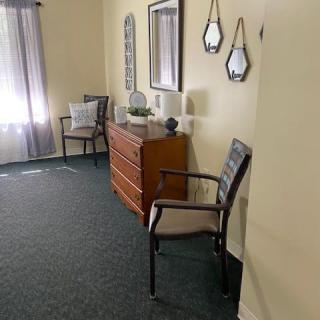
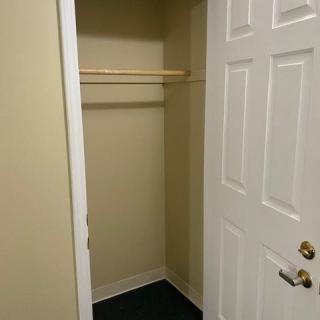
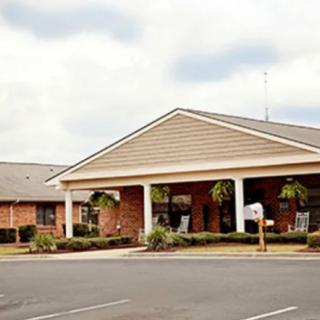
1115 Carthage St, Sanford, NC 27330
To contact a resident: (919) 774-3774
For more information about senior living options: (866) 208-4318
Sanford Senor Living and Manor Costs & Pricing
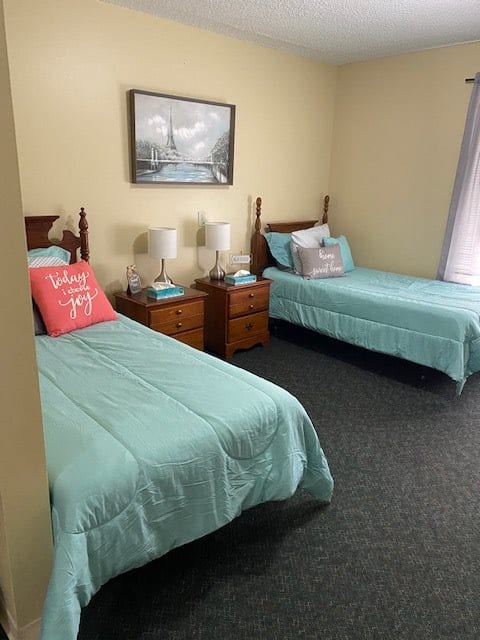
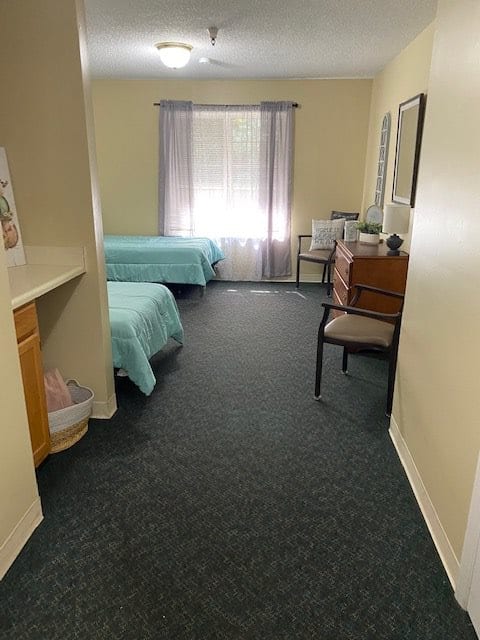
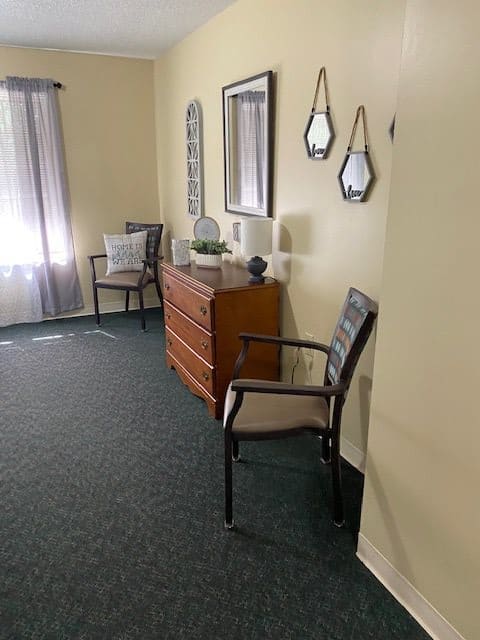
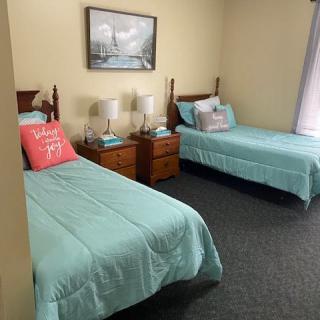
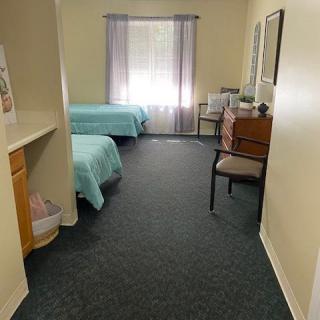
Sanford Senior Living and Manor offers competitive pricing for its semi-private rooms, with a monthly cost of $3,300. This rate is slightly higher than the average for Moore County, which stands at $3,259, yet it remains more affordable compared to the overall state average in North Carolina of $3,584. The facility's pricing reflects a commitment to providing quality care while staying within reasonable bounds of the regional market trends. Residents can expect a supportive environment that prioritizes their well-being without compromising on comfort or value.
| Floor plans | Sanford Senor Living and Manor | Moore County | North Carolina |
|---|---|---|---|
| Semi-Private | $3,300 | $3,259 | $3,584 |
Memory care communities with a similar price nearby
-
from +$250 / mo
TerraBella Southern Pines
$3,550 to $5,105 / month24.4 miles away
Overall Review of Sanford Senor Living and Manor
Pros
 They have been very friendly.
- The staff is terrific.
- Their loved one says the food is good.
- They are perfectly satisfied, with their loved one being there and they do not have to worry about them.
Cons
 They do not require services from this establishment.
- The place is a dementia care unit located directly next to the Victorian Manor.
Review
Sanford Senor Living and Manor in Sanford, NC is best suited for families facing memory-care decisions who need a dependable, staff-driven environment where daily routines and meals feel predictable and comforting. The available feedback points to a community that prioritizes warmth and accessibility: residents are described as having very friendly staff, with caregivers perceived as “terrific,” and family members reporting that the loved one enjoys meals and feels secure. For families prioritizing peace of mind through steady person-centered attention, this community delivers a practical, hands-on approach to dementia care that reduces worry and supports residents’ sense of normalcy day after day.
The most compelling bona fides center on staff engagement and nourishment. Multiple lines from the reviews emphasize friendly, capable caregivers and good food, with at least one family member explicitly stating satisfaction and relief from worry. In memory care, where mood stabilization and consistent communication matter, such dependable human contact can translate into tangible benefits: fewer behavioral escalations, better adherence to routines, and a sense of safety that can ease transitions for both resident and family. The dietary quality cited in the feedback further reinforces a core, daily stability that is often undervalued in memory-focused communities.
A caveat worth noting is that the site is identified in one account as a dementia care unit and is described as being situated next to another facility, Victoria Manor. This framing matters for families that are weighing options: the emphasis appears to be memory-focused care within a defined space, which may suit residents needing specialized cognitive support but may not align with families seeking broader assisted-living services under one roof. The remark that the reviewer did not require services at this establishment signals a potential misalignment for those whose loved ones do not live with memory impairments or who anticipate a wider spectrum of care needs beyond memory support.
With limited reviews and a mid-range rating, the decision calculus should acknowledge that this community’s strengths are concentrated in dementia-care competencies rather than a broader continuum of care. The small sample size invites caution: experiences can vary as resident acuity or staff turnover shifts. For families exploring alternatives, the key trade-off becomes clear, pros like attentive staff and dependable meals versus the potential limitation of a program that may be highly specialized and less flexible for residents without dementia or for those who require non-memory-related assisted living services. Consideration should be given to how important a broad scope of care is versus the benefits of a tightly run memory-care environment.
When the choice narrows to memory care, the pros can meaningfully outweigh the cons. The tangible benefits, consistently friendly caregivers, a culture of attentiveness, and meals that satisfy, directly support daily quality of life and can avert crises that often accompany cognitive decline. These realities matter most to families seeking steadiness, not novelty, and they justify a focused visit to assess whether the staff-to-resident dynamic, safety features, and dementia-specific programming align with a loved one’s stage and preferences. However, for those whose needs include non-dementia assisted living, alternative communities offering a more expansive menu of services may yield better alignment with long-term care goals.
Bottom line: this community stands out for memory-care families who prize reliable staffing, personal warmth, and consistent meals within a dementia-focused framework. It is not the universal solution for all senior-living needs, and alternatives should be pursued by families whose loved ones require broader services or who want a setting that accommodates both memory care and non-memory care under a single campus. Prospective buyers should prioritize a targeted tour focused on dementia programming, staffing ratios, daily schedules, and safety protocols, while also probing for opportunities to observe interactions during peak activity times. For the right resident, Sanford Senor Living and Manor can deliver steadiness, peace of mind, and everyday dignity in a recognizable, caring environment.
 Assisted Living
 Memory Care
 Activities on-site
 Air-conditioning
 Devotional services on-site
 Indoor common areas
 Ambulatory care
 Diabetic care
 Medication management
 Meals provided
 Exploring the Contrasts Between Assisted Living and Skilled Nursing
 Vibrant Senior Living: A Comprehensive Guide for Active Older Adults
 Assisted Living and Memory Care: Understanding Their Core Differences