

1107 Carthage Street, Sanford, NC 27330
For more information about senior living options: (866) 208-4318
Royal Oaks Assisted Living Costs & Pricing
Royal Oaks Assisted Living presents a competitive pricing structure compared to the surrounding Moore County and North Carolina averages. For semi-private accommodations, residents can expect to pay $2,800 per month, which is significantly lower than both the county average of $3,259 and the state average of $3,584. Similarly, the one-bedroom option is priced at $3,000, again offering savings when compared to the county's average of $3,910 and the state's average of $4,055. However, for private rooms, Royal Oaks' rate of $5,550 exceeds both the local and state averages of $4,995 and $4,425 respectively. Overall, while Royal Oaks offers appealing rates for shared and one-bedroom living arrangements in comparison to regional norms, they may be less competitive when it comes to private room options.
| Floor plans | Royal Oaks Assisted Living | Moore County | North Carolina |
|---|---|---|---|
| Semi-Private | $2,800 | $3,259 | $3,584 |
| 1 Bedroom | $3,000 | $3,910 | $4,055 |
| Private | $5,550 | $4,995 | $4,425 |
Assisted Living communities with a similar price nearby
-
from +$225 / mo
Green Leaf Care Center
$3,025 to $3,850 / month22.0 miles away -
from -$480 / mo

Parkview Rest & Retirement
$2,320 to $3,820 / month0.6 miles away -
from +$500 / mo
Sanford Senor Living and Manor
$3,300 / month0.0 miles away
Overall Review of Royal Oaks Assisted Living
Pros
 The place has everything needed.
- It is well laid out.
- It is pleasing to the eye.
Review
Royal Oaks Assisted Living in Sanford is best suited for seniors who want a turnkey, aesthetically pleasing setting with broad on-site services and a straightforward, easy-to-navigate layout. The environment appears to support independent or lightly assisted lifestyles, where daily routines are simplified by a well-organized floor plan and attractive presentation. For families prioritizing first impressions, ease of movement through common areas, and the comfort of a polished common experience, this community stands out as a compelling option. It is the kind of place where the overall feel, courteous by design, visually soothing, and geared toward reducing small daily frictions, can meaningfully ease the transition from home.
But this choice is not for everyone. Those requiring robust, around-the-clock medical oversight, intensive memory care, or highly customized clinical programming should consider alternatives. The sole public rating, three stars from a single review, creates a meaningful caveat: a limited evidence base on care outcomes, staffing quality, and resident satisfaction. Prospective buyers should be cautious about assuming high-value care without corroborating data. Families who demand transparent pricing, firm caregiver-to-resident ratios, and independent, longitudinal feedback would be wise to widen the comparison set before deciding.
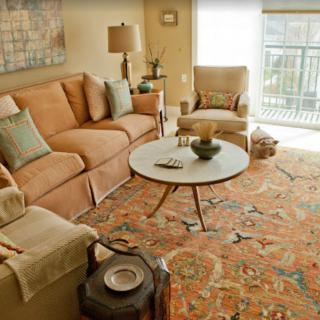
The clear strengths of Royal Oaks lie in environment and on-site breadth. On the tour, the marketing process highlighted a facility that “has everything needed,” with spaces that are both well laid out and pleasing to the eye. Those design strengths translate into practical advantages: intuitive navigation reduces confusion for seniors and aides, common areas that are cohesive and inviting can support social interaction, and a comprehensive amenity mix minimizes the need for constant transitions between outside services. In short, the setting lowers friction and can improve daily mood, which matters greatly for residents who thrive with predictability and comfort.
However, the same restraint that makes the property appealing can muddy the decision when care quality remains under-documented. Without independent evidence of how staff engage with residents, how often care plans are updated, or how well the facility handles specific medical needs, the environment alone cannot guarantee a superior living experience. The 3-star rating signals that overall satisfaction may be average, and that the resident or family experience could vary considerably. Prospective shoppers should not equate a pretty lobby and neat corridors with consistently excellent care or value for money.
For families actively evaluating, adopt a disciplined approach to verification. Request a detailed, written services agreement that breaks out what is included in base rent, what constitutes add-on charges, and which assistance levels trigger upgraded care. Seek current staffing metrics, caregiver hours per resident, nurse availability, and turnover rates, and ask for a day-in-the-life schedule that shows meal times, activities, transportation, and quiet-time options. Meet a current resident or family member to gauge real-world satisfaction beyond marketing impressions. Finally, compare state inspection summaries, safety measures, and any relevant memory-care provisions against alternative communities to ensure alignment with specific care needs.
In sum, Royal Oaks Assisted Living offers a polished, well-appointed environment with broad on-site capabilities that can ease the daily experience for many seniors, especially those who value a strong first impression and minimal daily friction. Yet the decision should rest on a fuller picture of actual caregiving quality, pricing transparency, and long-term resident satisfaction. For families weighing options, this community deserves a serious side-by-side comparison with other locally available options, prioritizing organizations that can demonstrate consistent care outcomes and dependable staffing. If pursued, the next steps should focus on digging into care specifics, visiting with current residents, and securing a transparent, written understanding of costs to determine whether the appealing environment translates into reliable, value-driven living over time.
 50 resident community capacity
 Assisted Living
 Independent Living
 Activities on-site
 Beauty salon
 Cable or satellite TV
 Devotional services off-site
 Dining room
 Fully furnished
 Garden
 Housekeeping services
 Indoor common areas
 Kitchenette
 Move-in coordination
 Outdoor space
 Restaurant-style dining
 Small library
 Telephone
 Wi-Fi/high-speed internet available
 24-hour call system
 Ambulatory care
 Assistance with bathing
 Assistance with dressing
 Assistance with transfers
 Diabetes diet
 Diabetic care
 Medication management
 Mental wellness program
 Special dietary restrictions


 Exploring the Contrasts Between Assisted Living and Skilled Nursing
 8 Key Indicators That Suggest It May Be Time to Transition from Assisted Living to Skilled Nursing Care
 Vibrant Senior Living: A Comprehensive Guide for Active Older Adults