
1115 Carthage Street, Sanford, NC 27330
For more information about senior living options: (866) 208-4318
Overall Review of Magnolia House Retirement Center
Pros
 He is doing well and adjusting to Sanford Manor.
- The facility is nice and is being updated with renovations.
- He has a private room, with the option of a roommate.
- There is an events coordinator and a fenced outdoor area for activities like bingo.
- The staff respond promptly and help whenever needed, and they arrange doctor visits.
- He was accepted and moved in quickly, in about two days.
- The monthly cost represents a good value for the services provided.
Cons
 The activities have been really limited due to COVID-19 protocols.
- They aren’t allowing visitors at the moment.
- The facility feels outdated and somewhat dark.
- No resident trips are being offered at this time.
- The building is not new.
Review
Magnolia House Retirement Center in Sanford is best suited for families seeking a practical, value-oriented option where a loved one can move in quickly, comfortably, and without a heavy lift on the budget. It works well for seniors who want a private room (with the option to share), simple on-site dining, and reliable access to staff and medical coordination. The emphasis is on dependable day-to-day support, predictable costs, and a straightforward environment rather than cutting-edge amenities or an action-packed activity calendar. For residents who crave a modern facility aesthetic, robust off-site excursions, or highly structured, expansive programming, alternatives should be considered.
A core strength is the admissions process and ongoing staff responsiveness. Move-in can happen fast, which minimizes family disruption and anxiety. The team is described as accessible and helpful, with administrators, care coordinators, and scheduling staff who can coordinate doctor's visits and keep family members informed. The presence of an events coordinator, a large communal cafeteria, and a community room provides social anchors and opportunities to gather, even as the calendar remains more modest. An outdoor, fenced area gives residents a safe space to sit or participate in light activities, reinforcing a sense of security and routine.
On the downside, Magnolia House leans toward an older, less modern footprint. The building is not newly renovated, and décor can feel dark or dated, with ongoing improvements underway. The occupancy is under program capacity, roughly half of the 35-resident capacity is currently in use, which can blunt the sense of bustle and limit spontaneous social interaction. Activity options are described as limited, with no trips being scheduled at present. While the facility supports daily calls to family and provides on-site visits from doctors, the overall programming and off-campus engagement are not as robust as might be found in younger communities, which may frustrate residents who thrive on constant activity and exploration.
These strengths partially offset the drawbacks. The value proposition is compelling: at about $3,600 per month for comprehensive care, meals, room, and services, Magnolia House represents a competitive option in the Sanford market. The strong administrative side, quick admissions, steady family communication, and proactive care coordination, helps families feel connected and in control. The large dining space and community room, coupled with the private room option, mitigate some social downsides of a smaller, older facility. And the commitment to renovations signals a path toward a more inviting environment, with painting underway in resident rooms and ongoing upgrades that should improve comfort and appeal over time.
Nevertheless, families should set expectations accordingly. If a resident requires a highly active daily schedule, frequent off-site outings, or a modern, bright atmosphere, alternatives with more ambitious programming and newer construction will likely serve better. For memory care or more complex medical needs, or for those who prize a rapid, bustling social calendar, Magnolia House may fall short relative to peers that offer specialized units or more intensive supervision. Prospective residents should assess the current activity lineup, confirm what trips, outings, or guest amenities are actually available, and verify how renovations will be staged to minimize disruption.
In making a decision, use Magnolia House as a value-first option that rewards straightforward care, responsiveness, and manageable costs. Pair this with a clear sense of what matters most: is quick move-in and reliable caregiver access the top priority, or is a more immersive activity program and a newer facility non-negotiable? If the former, schedule a thorough visit to tour rooms, dining, and common spaces; ask for a current activity calendar and a tour of the outdoor area; confirm room type availability and any incremental costs. If the latter, keep Magnolia House in the landscape but compare it against communities with fuller programming and upgraded environments. The choice should align with both financial realities and the resident’s social and medical needs, ensuring a fit that can endure as expectations shift over time.
 85 resident community capacity
 Assisted Living
 Air-conditioning
 Beauty salon
 Cable or satellite TV
 Computer center
 Dining room
 Fitness room
 Fully furnished
 Gaming room
 Garden
 Housekeeping services
 Kitchenette
 Move-in coordination
 Outdoor space
 Private bathrooms
 Restaurant-style dining
 Small library
 Telephone
 Wellness center
 Wi-Fi/high-speed internet available
 Community operated transportation
 12-16 hour nursing
 24-hour call system
 Activities of daily living assistance
 Assistance with bathing
 Assistance with dressing
 Assistance with transfers
 Diabetes diet
 Medication management
 Mental wellness program
 Special dietary restrictions
 Concierge services
 Planned day trips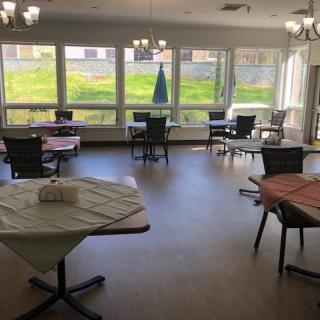





 8 Key Indicators That Suggest It May Be Time to Transition from Assisted Living to Skilled Nursing Care
 Vibrant Senior Living: A Comprehensive Guide for Active Older Adults
 When to Transition from Assisted Living to Memory Care: Key Indicators, Steps, and Finding the Right Community