
165 Turner Farm Lane, Reidsville, NC 27320
For more information about senior living options: (866) 208-4318
Overall Review of Nancy O. Turner Family Care Home II
Pros
 Chilton Family Care Home is described as welcoming and truly a family care home.
- Leslie (RN/Owner) and her team provide exceptional care, creating a calming atmosphere with empathy and compassion.
- The staff recognizes residents' needs and moods, working with them on days that require extra empathy.
- Leslie’s daughters contribute by spending time with residents, adding warmth and love to the daily routine.
- Meals at Chilton Family Care Home are wonderful and home-cooked, with special Tuesday treats.
- The care team demonstrates heartfelt appreciation and dedication to caring for residents.
- The facility is immaculately clean and spotless, reflecting high standards of upkeep.
Review
Nancy O. Turner Family Care Home II is best suited for seniors who want a true home environment in which caregivers know residents personally, routines bend to individual needs, and warmth is woven into daily care. The model described in reviews centers on a licensed owner with a nursing background guiding a small team, typically three to five certified nursing assistants, so care feels intimate, anticipatory, and steady. In this setting, residents experience calm, consistent attention, and a caregiving rhythm that mirrors a family home more than a clinical campus.
Those who should consider alternatives are residents with higher medical complexity or those who require round-the-clock nursing oversight, extensive medical equipment, or abundant on-site programming and structured transportation. Large assisted living or memory-care facilities often deliver more formal medical coverage, broader activity calendars, and guaranteed coverage during staff vacations or sick days. For families prioritizing robust medical immediacy, highly scheduled activities, or comprehensive transport options, a bigger community may better align with expectations.
The strongest pros, personalization, attentiveness, and a home-like atmosphere, do real, measurable work in offsetting the potential downsides of a small operation. A small team tends to know preferences, moods, and routines with remarkable precision, enabling caregivers to adjust care plans on the fly and to provide extra empathy when a resident is unsettled. The ability to respond with familiarity rather than rotation of strangers translates into less stress and more consistency in daily living. Cleanliness and thoughtful touches, home-cooked meals, special meal days, and a genuine sense of care, compound that value, making meals more than nutrition and housekeeping more than upkeep.
Another clear strength is the family-like warmth that emerges when a home welcomes not just residents but the rhythms of a family life. Observers note that staff members, including those who participate in daily rituals and small celebrations, cultivate a comforting, low-stress environment. The presence of children involved in daily life, along with the staff’s affectionate, hands-on approach, adds a layer of heartfelt engagement that many families equate with genuine, uncomplicated kindness. For residents who prize familiarity, predictability, and emotional connection, this dynamic is a meaningful offset to the absence of a larger, more formal campus.
Yet this same intimate model invites careful scrutiny of potential limits. The most salient con for many families is the dependence on a small team to cover all shifts, vacations, and emergencies. While the close-knit staff fosters stability and trust, it can also mean slower coverage during off-hours or days when multiple residents require attention simultaneously. Prospective families should confirm how staffing is managed across evenings and weekends, what backup coverage exists, and how medical emergencies or high-needs days are handled. The takeaway is not a warning against the model, but a demand for clarity: the resident profile must align with what a small team can consistently deliver.
In making a decision for Nancy O. Turner Family Care Home II, the evaluator should weigh the resident’s medical profile, desired social milieu, and tolerance for a highly personalized, intimate setting. If warmth, flexibility, home-cooked meals, and deeply familiar caregiving are priorities, this model delivers with discernible strength. If, however, the resident requires intensive medical supervision, a more structured daily schedule, or comprehensive transportation and programming, alternatives with larger staff and broader resources should be explored. A focused visit, watching caregiver-resident interactions, confirming staffing patterns, and probing emergency plans, will reveal whether the fit meets expectations or if a different setting is warranted.
 6 resident community capacity
 Assisted Living
 Board and Care Home
 Cable or satellite TV
 Dining room
 Fully furnished
 Garden
 Housekeeping services
 Move-in coordination
 Outdoor space
 Telephone
 Wi-Fi/high-speed internet available
 Piedmont Triad International (22 miles away)
 24-hour supervision
 Activities of daily living assistance
 Assistance with bathing
 Assistance with dressing
 Assistance with transfers
 Diabetes diet
 Meal preparation and service
 Medication management
 Special dietary restrictions
 Transportation arrangement (medical)
 Transportation to doctors appointments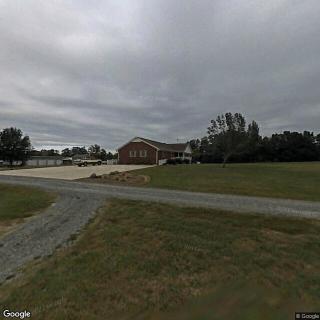



 An Extensive Exploration of the VA Aid and Attendance Benefit
 Senior Transition Services: Understanding Their Role, Cost, and Importance
 Exploring the Path to Senior Living: A Comprehensive Look at Independent Living and Assisted Living