
101 North Peartree Lane, Raleigh, NC 27610
For more information about senior living options: (866) 208-4318
Ann's Family Care 7 Costs & Pricing
Ann's Family Care 7 offers competitive pricing for its services, particularly when compared to the average costs in Wake County and throughout North Carolina. For a semi-private room, Ann's facility charges $3,150 per month, which is significantly lower than Wake County's average of $4,391 and just below the state average of $3,584. When it comes to studio accommodations, Ann's rates are similarly attractive at $3,925 per month, again undercutting both the county's average of $4,757 and aligning closely with the state average of $4,020. This makes Ann's Family Care 7 an appealing option for families seeking quality care without straining their budgets.
| Floor plans | Ann's Family Care 7 | Wake County | North Carolina |
|---|---|---|---|
| Semi-Private | $3,150 | $4,391 | $3,584 |
| Studio | $3,925 | $4,757 | $4,020 |
Assisted Living communities with a similar price nearby
-
from -$150 / mo
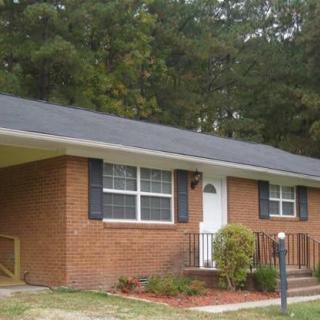
Crawley Family Care Home
$3,000 to $4,500 / month21.7 miles away -
from +$490 / mo
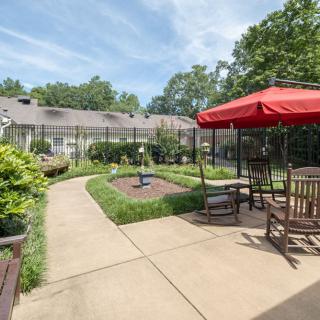
Carolina Reserve of Durham
$3,640 to $5,620 / month22.5 miles away -
from +$460 / mo
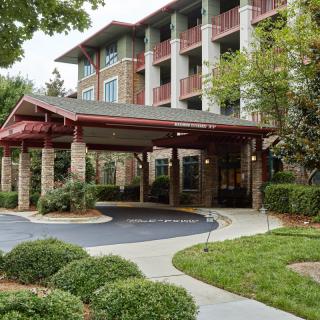
Magnolia Glen
$3,610 to $5,250 / month7.0 miles away -
from +$350 / mo
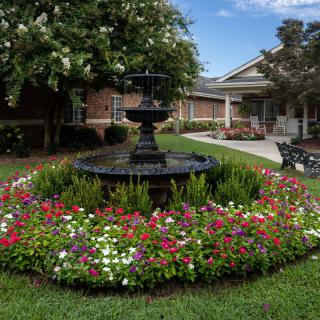
Oak Hill Assisted Living
$3,500 to $7,335 / month20.4 miles away -
from +$620 / mo
The Reserve at Mills Farm
$3,770 to $5,800 / month13.5 miles away
Overall Review of Ann's Family Care 7
Pros
 The place is clean, well maintained, and has a warm, home-like atmosphere.
- The staff are professional and truly compassionate.
- The place is spotless and the staff are super friendly.
- AJE Family Care Home is highly recommended.
- It is a wonderful place for loved ones, with very caring staff and a friendly, family-oriented environment.
- AJE Family Care Home is clean and the staff are pleasant.
Review
Ann's Family Care 7 in Raleigh, NC is best suited for seniors who want a small, home-like setting where daily care feels personal and attentive. This community shines for residents who prioritize cleanliness, a warm atmosphere, and staff who project genuine compassion over a clinical, institution-like vibe. It’s most comfortable for individuals who don’t require heavy medical interventions around the clock but value steady, respectful support, consistent routines, and easy access to a tight-knit, family-style caregiving team. The emphasis on a spotless, well-maintained environment helps residents settle in quickly, and the homelike feel supports emotional well-being for both residents and their families.
Those considering alternatives are likely families with residents needing ongoing skilled nursing around the clock, advanced memory care with dedicated programming, or a broader calendar of specialized activities and outings. If the priority is high-level clinical oversight, frequent on-site therapy, or expansive campus amenities, a larger community with formal departments may deliver more of what is required. Even in Raleigh, options exist that provide more structured medical management; for some, that broader scope is worth the trade-off in atmosphere and personal touch.
From the standpoint of daily experience, the strongest proven assets are the cleanliness and the home-like atmosphere together with staff who are professional yet deeply compassionate. The facility’s spotless appearance and consistently pleasant demeanor of the team translate into a sense of safety and predictability. Residents benefit from staff who treat them like family, with a tone of care that reinforces trust. This combination makes routines smoother, meals more comfortable, and transitions gentler, precisely what families want when choosing care for a loved one who values respect and dignity.
Those strengths offset potential gaps inherent in smaller, family-style homes. Because the model centers on intimate supervision and consistent, personal attention, the most critical needs, affection, daily assistance with activities of daily living, timely communication with families, often get prioritized. The downside, typically, is fewer on-site specialists and fewer high-intensity medical services on call. Yet when staff are genuinely engaged, the extra warmth and daily consistency can compensate by reducing anxiety, increasing participation in routine, and catching issues early through close observation. In short, compassionate staff and a clean, welcoming setting can substitute effectively for a wider clinical menu.
Practical decision-making hinges on resident needs and family expectations. If a loved one thrives on predictable schedules, meaningful but simple activities, and social engagement within a tight-knit community, Ann's Family Care 7 delivers pronounced value. Prospective residents should verify the scope of care offered, including whether basic nursing tasks are available around the clock, what memory care options exist if any, and how activities are organized to promote engagement. Cost considerations, transparency about staffing ratios, and the ease of communication with caregivers should shape the final judgment because the strongest positives only go so far if the practical logistics don’t align.
Bottom line: for families seeking a clean, homelike environment with compassionate, professional caregivers who treat elders as family members, Ann's Family Care 7 stands out in Raleigh. It is a best-fit choice for those prioritizing atmosphere, reassurance, and personal attention over expansive medical programs. Alternatives should be considered when the resident needs higher-level clinical support or a more varied activities slate. In planning a visit, focus on consistent staffing, clear daily routines, and open channels to discuss care planning with the team to ensure the fit remains strong as needs evolve.
 5 resident community capacity
 Assisted Living
 Board and Care Home
 Cable or satellite TV
 Dining room
 Fully furnished
 Garden
 Housekeeping services
 Move-in coordination
 Outdoor space
 Telephone
 Wi-Fi/high-speed internet available
 Raleigh-Durham International (13 miles away)
 24-hour supervision
 Activities of daily living assistance
 Assistance with bathing
 Assistance with dressing
 Assistance with transfers
 Diabetes diet
 Meal preparation and service
 Medication management
 Special dietary restrictions
 Transportation arrangement (medical)
 Transportation to doctors appointments


 Securing Financial Support for Assisted Living: A Comprehensive Overview
 Social Security Benefits and Assisted Living: Navigating Options Across the U.S.
 An Extensive Exploration of the VA Aid and Attendance Benefit