For more information about senior living options: (866) 208-4318
3.5 from 23 reviews
5 stars
11
4 stars
4
3 stars
1
2 stars
0
1 stars
7
Lenoir Assisted Living Costs & Pricing
Lenoir Assisted Living offers competitive pricing for its residents, particularly when compared to both Lenoir County and the broader North Carolina state averages. For a semi-private room, Lenoir Assisted Living charges $2,600 per month, which is notably lower than the county average of $2,725 and significantly less than the state average of $3,584. Similarly, for a one-bedroom unit, the monthly cost stands at $2,900 - again undercutting both the county average of $3,156 and the state average of $4,055. These attractive rates not only reflect Lenoir's commitment to affordability but also provide great value in delivering quality care and comfort in a supportive environment for its residents.
Floor plans
Lenoir Assisted Living
Lenoir County
North Carolina
Semi-Private
$2,600
$2,725
$3,584
1 Bedroom
$2,900
$3,156
$4,055
Memory care communities with a similar price nearby
Residents’ families consistently describe the staff as caring and compassionate.
Many reviewers say the caregivers are patient, kind, and genuinely invested in residents, including people dealing with dementia. Several mention positive day-to-day interactions and say the staff helped make a difficult situation feel more manageable. A few reviews also point to dedicated long-tenure staff and friendly office leadership.
common4 reviews mention this
Dining and meal variety stand out
Dining is a frequent bright spot, with praise for meal variety.
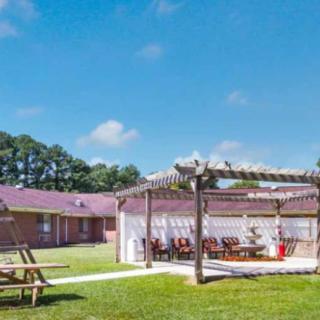
Several reviewers highlight the menu and say the food is very good with a nice variety. Others describe the dining area as pleasant and spacious. The community also offers restaurant-style dining and meals provided, along with room service and support for special dietary restrictions.
common3 reviews mention this
Activities keep residents involved
Reviews frequently mention residents staying engaged through activities.
Multiple reviewers say their loved ones are happy and involved with activities, including resident participation. Some also describe scheduled community programming and entertainment, and a few mention day-to-day involvement as part of life there. The community offers on-site and off-site activities, planned daily schedules, and games and fitness programs.
caveat4 reviews mention this
Bed bugs and pest issues are reported
Some reviews raise serious cleanliness concerns tied to pests.
A set of reviews describe an ongoing bed bug infestation, including reports of residents being covered in bed bugs and pest droppings. These reviewers also say the problem wasn’t addressed promptly and mention escalating the issue. Because these concerns are repeated across multiple accounts, it’s a risk point residents’ families should treat seriously.
caveat2 reviews mention this
Medication and care communication concerns
A few reviews describe breakdowns in timely care or communication.
Some reviewers say they were not alerted about problems quickly enough, even when residents’ conditions were worsening. Others mention medication not being administered correctly or in a timely way, and say it contributed to a hospitalization. These accounts stand in contrast to more positive care reviews, so it’s worth asking how they handle medication management and escalation.
common3 reviews mention this
Pricing is described as cost-effective
Several families comment that pricing feels reasonably good for the area.
A few reviews mention the cost as good, including comments that the community is cost effective and reasonably priced. This aligns with the published pricing range for studio and one-bedroom options being below county and state benchmarks in both cases. Families still note fit can depend on care needs, so pricing alone may not resolve whether the community is right for a particular level of assistance.
How we summarize
Counts show how many written reviews mention each theme; a review can touch several themes, and only frequently mentioned themes are displayed.
Lenoir Assisted Living offers competitive pricing for its residents, particularly when compared to both Lenoir County and the broader North Carolina state averages. For a semi-private room, Lenoir Assisted Living charges $2,600 per month, which is notably lower than the county average of $2,725 and significantly less than the state average of $3,584. Similarly, for a one-bedroom unit, the monthly cost stands at $2,900 - again undercutting both the county average of $3,156 and the state average of $4,055. These attractive rates not only reflect Lenoir's commitment to affordability but also provide great value in delivering quality care and comfort in a supportive environment for its residents.
The 24-hour supervision at Lenoir Assisted Living ensures that residents receive constant support in a safe and secure environment, which is crucial for individuals with dementia or Alzheimer's who may wander or require immediate assistance. Assistance with activities of daily living, such as bathing and dressing, helps maintain personal hygiene and dignity while addressing the challenges posed by cognitive decline. The support provided during transfers promotes physical safety and mobility, reducing the risk of falls. Incontinence care is essential for maintaining comfort and dignity, while meal preparation and service cater to nutritional needs tailored to individual preferences and dietary restrictions. Effective medication management ensures residents adhere to prescribed treatments, minimizing confusion around dosages. Additionally, the mental wellness program fosters cognitive engagement and emotional well-being through tailored activities designed to stimulate memory, encourage social interaction, and promote overall quality of life for those facing memory-related challenges.
Dementia, influenced by aging and certain medications, may be exacerbated by drug classes such as anticholinergics, benzodiazepines, and antipsychotics, which are associated with cognitive impairment. Regular medication reviews by healthcare professionals are crucial for older adults to manage risks and optimize cognitive health.
Dementia often results in disrupted sleep patterns, leading to excessive daytime sleeping due to factors like brain damage affecting circadian rhythms, medication side effects, and lack of structure in daily activities. Caregivers must monitor these changes closely, as oversleeping can increase risks such as malnutrition or dehydration, and provide necessary support and routines to enhance patient engagement and well-being.
The transition from assisted living to skilled nursing care is often prompted by complex medical needs that assisted living cannot meet, with key indicators including frequent health declines, increased falls, severe memory issues, and caregiver burnout. Families should recognize these signs early to discuss options with healthcare providers and prepare for the emotional and logistical aspects of moving to a facility that offers comprehensive medical support.
Get PricingAsk A QuestionSchedule A TourContact Senior Advisor
By clicking submit, you agree to our Partner's Terms of Use. You
also consent to receive calls and texts, which may be autodialed, from our Partner. Your consent is not a condition to
using our Partner's service. Please visit our Partner's Privacy Policy for information about their privacy practices.

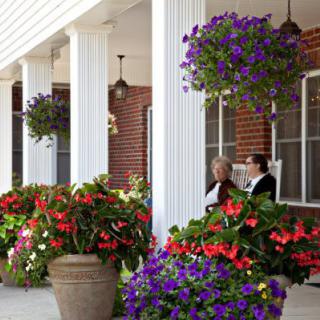
 94 resident community capacity
 1-bedroom apartments
 Assisted Living
 Memory Care
 Activities off-site
 Air-conditioning
 Beautician on-site
 Cable or satellite TV
 Computer center
 Devotional services off-site
 Dining room
 Financing advice
 Fitness room
 Fully furnished
 Gaming room
 Garden
 Guest parking
 Housekeeping services
 Indoor common areas
 Kitchenette
 Laundry
 Move-in coordination
 Outdoor common areas
 Party space
 Private bathrooms
 Respite or short term stays offered
 Restaurant-style dining
 Security gate
 Small library
 Telephone
 Wellness center
 Wheelchair accessible showers
 Wi-Fi/high-speed internet available
 Albert J Ellis (18 miles away)
 Community operated transportation
 12-16 hour nursing
 24-hour call system
 Ambulatory care
 Assistance with bathing
 Assistance with dressing
 Assistance with transfers
 Diabetes diet
 Diabetic care
 High acuity care
 Incontinence care
 Medication management
 Mental wellness program
 Special dietary restrictions
 Arts and crafts
 Book club
 Concierge services
 Cooking club
 Educational speakers / life long learning
 Games
Games Live musical performances
 Planned day trips
 Wii bowling
 Caring staff with a warm, well-maintained environment and good meals.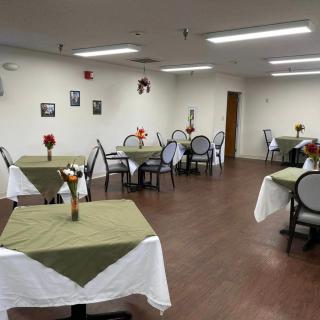


 A Thorough Discussion of Medications Potentially Linked to Dementia Risk
 Why Do Dementia Patients Sleep So Much? Understanding Oversleeping, Stages, and Care Approaches
 8 Key Indicators That Suggest It May Be Time to Transition from Assisted Living to Skilled Nursing Care