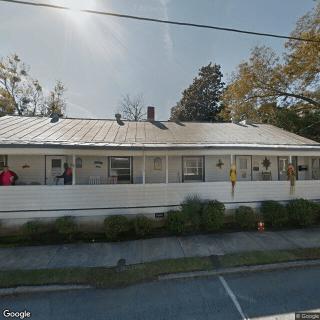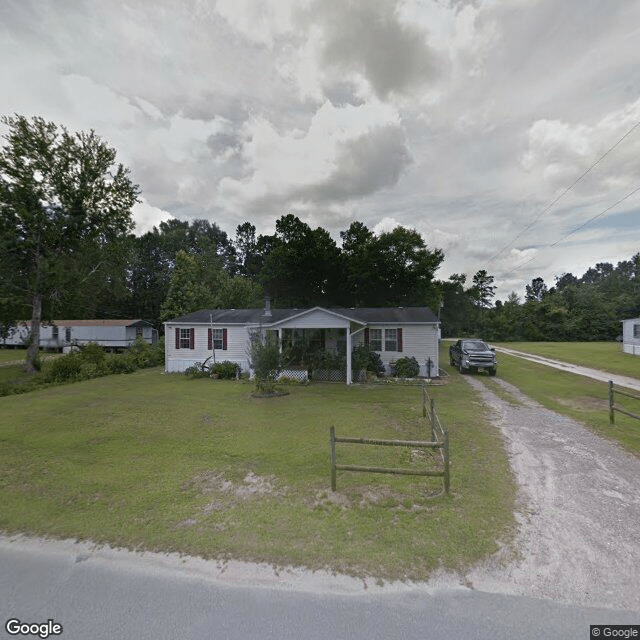
Gardens Assisted Living

Save
Gardens Assisted Living

Gardens Assisted Living

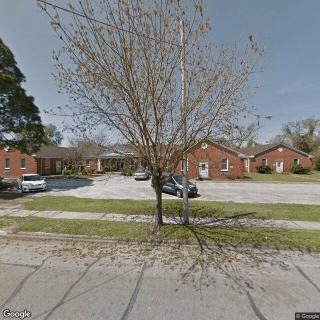
247 Longleaf Dr, New Bern, NC 28560

For more information about senior living options: (844) 490-3973

2.4 from 18 reviews
5 stars
5
4 stars
1
3 stars
1
2 stars
0
1 stars
11

Assisted Living

Overall Review of Gardens Assisted Living

Pros

  • pro The staff was very welcoming when they stopped by for a tour with their father.
  • pro They enjoyed speaking with the residents and staff on duty.
  • pro This community seemed like a very comfortable place for dad.
  • pro The staff was very knowledgeable and answered all questions, putting the family at ease.
  • pro Other residents came up to the grandmother and spoke wonderful things about the community.
  • pro The community is bright, cheery, and very clean.
  • pro There are fun activities, and he is enjoying the social interaction.

Cons

  • pro The facility is not a good place.
  • pro The company pockets money from residents.
  • pro Employees are stealing from residents.
  • pro Residents are treated poorly and sleep in their own urine.
  • pro Aides are constantly on their phones, ignoring their duties.
  • pro The care is very poor and residents often have no supervision.
  • pro The director did not act on families' concerns.
  • pro Management does not care about staff and allows harassment; staff are unprofessional.
  • pro There is a lack of communication with families; important information isn't shared (e.g., ER visits).
  • pro The corporate office is unresponsive; messages left for months with no return call.
  • pro A sign labeling showers as "bath/spa" was misleading.
  • pro A family member claims their mother was pushed and they were not notified.
  • pro The facility restricted family access to see residents.

Review

The collection of impressions from visitors and family members paints a decidedly mixed picture of The Gardens of Trent. On one end, several encounters emphasize warmth, hospitality, and reassurance. A number of people describe walking into the community and immediately feeling welcomed by staff and residents alike. First impressions matter to families evaluating care for a loved one, and for some visitors, the experience was exactly what they hoped for: a friendly, knowledgeable staff on hand, telltale signs of a bright and cheery environment, and a sense that their father or grandfather would be comfortable there. In these accounts, the staff are not only professional but are engaged in real conversations with the residents, offering reassurance as families navigate the daunting process of selecting care. The residents themselves appear to be active participants in the social fabric of the community, often stepping forward to share positive remarks about the place and its people, which further eases the concerns of newcomers.

Other narratives highlight a cohesive, customer-focused tone that permeates the experience of touring, even if the tour wasn't planned. Several reviewers emphasize the staff's knowledge and willingness to answer questions, which helps families feel at ease about the next steps in arranging care. In some instances, the environment is depicted as a supportive space where activities and social interactions are part of daily life, contributing to a sense of belonging and normalcy for residents. The combination of bright surroundings, cleanliness, and a friendly attitude among staff and residents creates a perception of a comfortable home-like atmosphere for their loved ones.

However, not all feedback aligns with that positive frame. A substantial portion of the reviews contains strong criticisms about the facility's operations and management. One reviewer explicitly stated a negative experience, saying they would give zero stars if possible and alleging a lack of willingness to accommodate family members' concerns, particularly around access to see a loved one. This account points to tension around authority and decision-making, suggesting that some families felt the management style did not align with their expectations for collaborative care. The sentiment conveyed is that communication gaps and a perception of rigid authority can erode trust during a process that already feels overwhelming.

Beyond individual disputes about how decisions are made, other reviews raise serious accusations about the day-to-day treatment of residents. Several claims allege financial improprieties and neglect, including accusations that funds are mishandled and that residents are treated poorly or left in uncomfortable conditions. Some reviewers assert that staff failures - such as being distracted by personal devices and neglecting duties - are ongoing problems. These statements are stark and troubling, and they carry the implied expectation that regulatory bodies should examine the facility's practices. While it's essential to acknowledge these uncertainties as reported concerns, they are presented as allegations by reviewers rather than proven facts.

The most intense critiques center on the perceived disconnect between families and facility leadership. Accounts speak of inadequate responsiveness from administrators, with examples ranging from delayed or absent calls back to families after serious incidents to broader worries about whether concerns are heard and acted upon. The sentiment in these comments is that the director and the corporate office may not be sufficiently accessible or responsive, especially in moments when families feel their loved ones' safety or well-being is at stake. The frustration in these stories underscores how critical transparent, timely communication is to maintaining confidence in a long-term care setting.

There are moments of nuance amid the broader tension. One reviewer shared a positive, almost humanizing moment: a vegetarian family member interacted with the nutritionist, who quickly adapted a plan to accommodate dietary preferences, even if the initial communication about those preferences hadn't been clear. The result was a plate of fresh fruit and vegetables that delighted the patient, demonstrating that responsive staff can still deliver meaningful care within the day-to-day routine. Another thread of commentary notes bright-spoken staff, clean facilities, and engaging activities that stimulate social interaction, suggesting that the community has the capacity to foster lively, reassuring environments for residents and visitors alike.

Taken together, these reviews sketch a landscape of high contrasts. For some families, The Gardens of Trent represents a welcoming, well-organized community with caring staff, pleasant surroundings, and opportunities for meaningful social engagement that together ease the transition into care. For others, the experience is fraught with concerns about governance, communication, and the safety and dignity of residents, with alarming allegations that invite scrutiny from oversight bodies and careful, on-site observation. This spectrum of experiences highlights a fundamental truth about evaluating care facilities: outcomes depend heavily on day-to-day interactions, leadership responsiveness, and the ability of staff to balance compassionate care with clear, open communication with families.

If you are considering this community for a loved one, the reviews suggest two guiding practices. First, arrange multiple visits at different times, including informal time with both staff and residents, to observe how team members respond to questions and how care routines are actually carried out. Second, ask pointed questions about governance, reporting channels, and escalation procedures - especially around concerns of safety, medical oversight, and communication during emergencies. It may also be prudent to verify current licensing and consult external sources such as state health departments or elder care ombudsmen if there are lingering questions about care standards or incident follow-up. In the end, experiences across these accounts emphasize that a thoughtful, informed approach - coupled with firsthand observation - offers the best path to determine whether a given community aligns with a family's values and expectations for care.

Features

Types of Care

  • Assisted Living Assisted LivingAssisted living facilities provide crucial support and care for seniors who may need help with daily tasks such as medication management, bathing, and meal preparation. These communities offer a safe and comfortable environment where seniors can maintain their independence while receiving the assistance they need to thrive in their golden years.

Amenities

  • Activities on-site Activities on-siteActivities on-site are important for seniors because they provide opportunities for socialization, mental stimulation, physical activity, and overall well-being. Engaging in activities can help seniors stay active, maintain their independence, and improve their quality of life.
  • Devotional services off-site Devotional services off-siteDevotional services off-site are important for seniors as they provide spiritual nourishment, social engagement, and a sense of community outside of the senior living facility. This can enhance overall well-being and help combat feelings of isolation and loneliness often experienced by older adults.
  • Indoor common areas Indoor common areasIndoor common areas are crucial for seniors as they provide a space for socialization, recreation, and community engagement, promoting overall well-being and reducing feelings of isolation and loneliness.

Transportation

  • Craven County Regional (8 miles away) Craven County Regional (8 miles away)

Care Services

  • Ambulatory care Ambulatory care"Ambulatory care services provide essential medical support and treatment to seniors without requiring hospitalization, allowing them to maintain their independence and quality of life while managing chronic conditions or receiving routine medical care."
  • Diabetic care Diabetic careDiabetic care is crucial for seniors as they are more susceptible to developing diabetes due to aging and other health conditions. Proper management of diabetes can help prevent complications such as heart disease, vision loss, and nerve damage, improving the overall quality of life for seniors in senior living communities.

Dining

  • Meals provided Meals provided"Meals provided" are crucial for seniors in assisted living communities as it ensures they have access to nutritious, balanced meals without the stress of meal planning and preparation. This can help promote overall health and well-being for seniors who may have limited mobility or cognitive abilities.

Activities

  • Activities on-site Activities on-siteActivities on-site are important for seniors because they provide opportunities for socialization, mental stimulation, physical activity, and overall well-being. Engaging in activities can help seniors stay active, maintain their independence, and improve their quality of life.
  • Devotional activities offsite Devotional activities offsiteDevotional activities offsite are important for seniors because they provide social engagement, spiritual growth, and a sense of community outside of their living environment. This can improve overall well-being, mental health, and combat feelings of isolation or loneliness.

Description

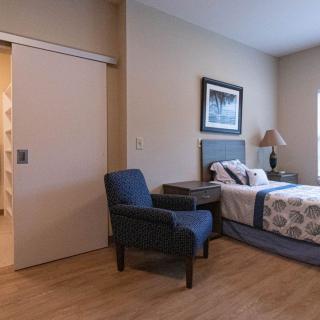
Gardens Assisted Living in New Bern, NC is a vibrant and welcoming community that provides excellent care services for seniors. Our residents enjoy a comfortable and safe environment, where they can receive the assistance they need while maintaining their independence.

At Gardens Assisted Living, we understand the importance of spirituality in our residents' lives. That's why we offer devotional services off-site, allowing our residents to continue practicing their faith and finding solace in a supportive community.

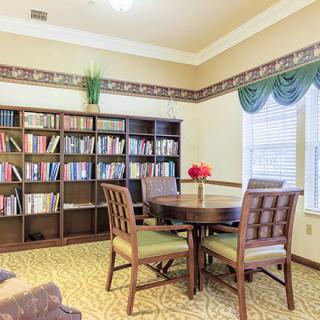
Our indoor common areas are designed with our residents' comfort in mind. Whether they want to socialize with fellow residents, enjoy some quiet time reading a book or join in an engaging activity, our common areas provide the perfect setting.

We also offer specialized care services for those with diabetes. Our experienced and compassionate staff members are trained to assist residents who require diabetic care, ensuring they receive the attention and support needed to manage their condition effectively.

In addition to providing excellent care and support, we believe in creating a fulfilling lifestyle for our residents. We organize devotional activities offsite, where our residents can explore their faith with like-minded individuals while enjoying new experiences and strengthening their spiritual connection.

At Gardens Assisted Living, we are committed to making each resident feel valued and cherished as part of our warm community. With our outstanding amenities, comprehensive care services, and engaging activities, we strive to create an exceptional assisted living experience for all of our residents.

Nearby Places of Interest

Frequently Asked Questions

Where is Gardens Assisted Living?

Nearby Communities

Related Resources

  • assisted living vs memory careAssisted Living and Memory Care: Understanding Their Core Differences

    Assisted living provides moderate support for seniors seeking independence, while memory care offers specialized support for individuals with dementia or cognitive impairments through structured routines and trained staff. Key differences include care approaches, environment security measures, staff training levels, activity types, and cost considerations.

  • assisted living activitiesBeyond the Bingo Hall: 50+ Enriching Activities for Seniors in Assisted Living

    Assisted living communities offer diverse activities beyond traditional games to enhance seniors' physical health, cognitive well-being, emotional enrichment, and social connections, including fitness classes, creative expression, and intergenerational interactions. These enriching programs foster community bonds and support residents' independence and happiness.

  • assisted living vs memory careUnderstanding the Distinctions: Assisted Living and Memory Care Explained

    The article differentiates between assisted living and memory care, explaining that assisted living supports seniors with daily activities while promoting independence, whereas memory care provides specialized services for individuals with dementia, focusing on secure environments and cognitive support. It also addresses staff training, safety considerations, costs, family involvement, and transition strategies for families navigating these care options.