Spring Arbor of Greensboro

Save

  • Interior

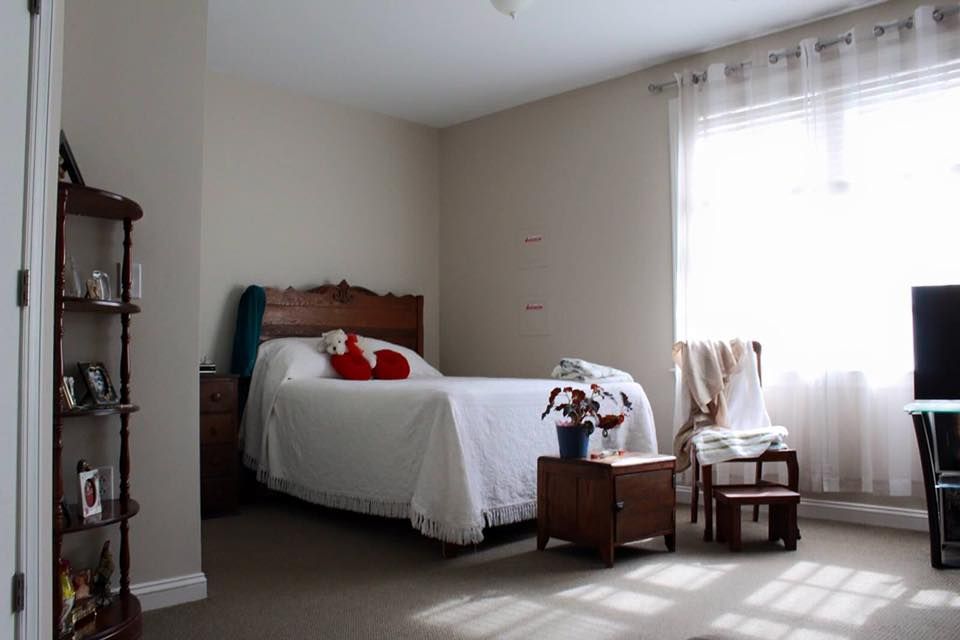
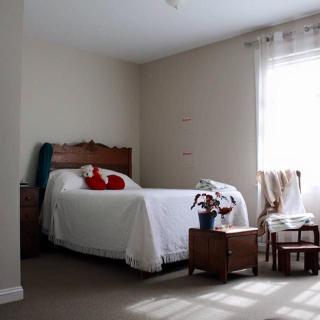
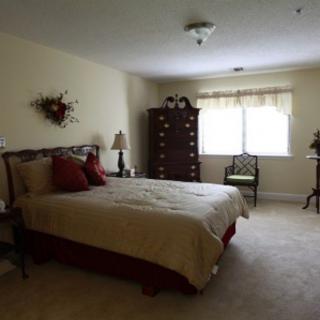
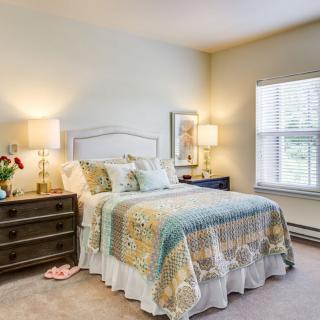
    A cozy bedroom with natural lighting, featuring a neatly made bed and classic furniture.
  • Decor

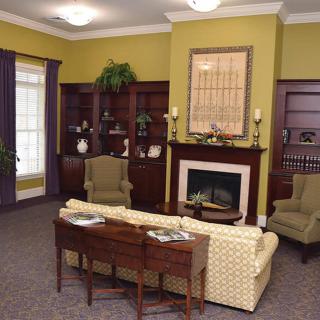
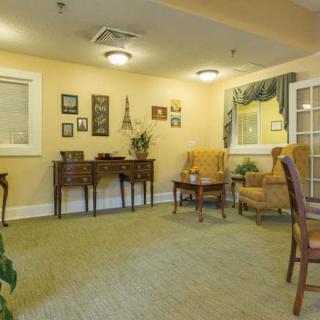
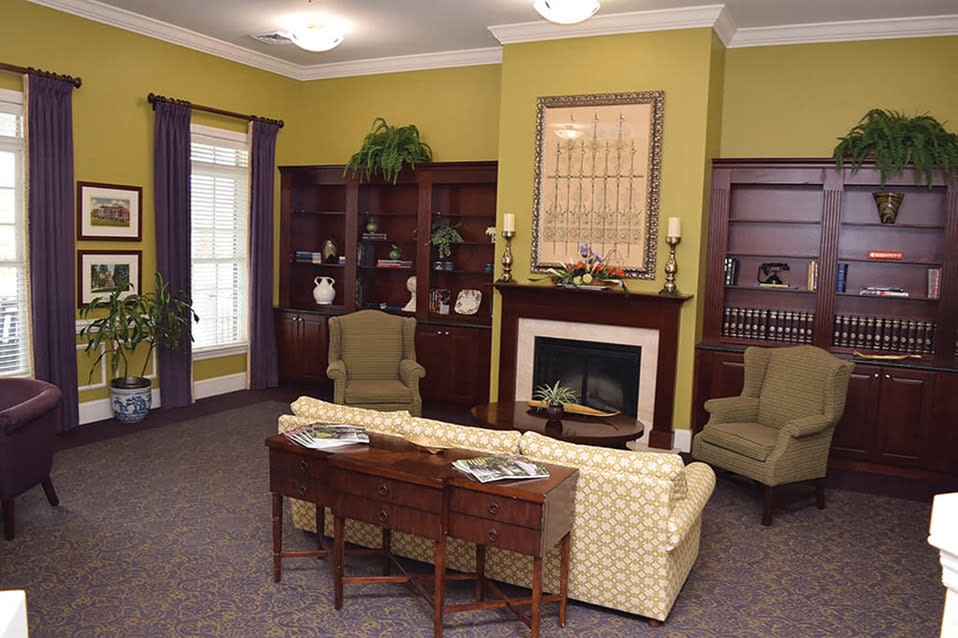
    A cozy traditional living room with a fireplace, bookshelves, and comfortable seating.
  • Living Room

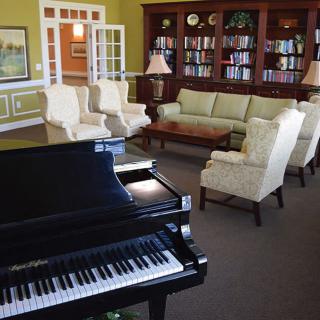
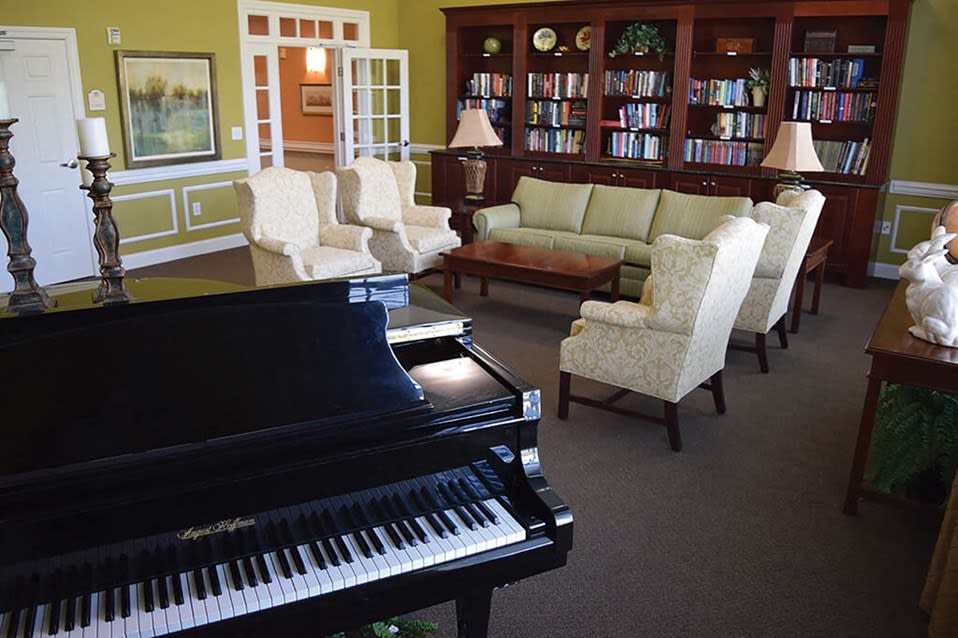
    A cozy living room with a grand piano, comfortable seating, and a bookshelf.
  • Building

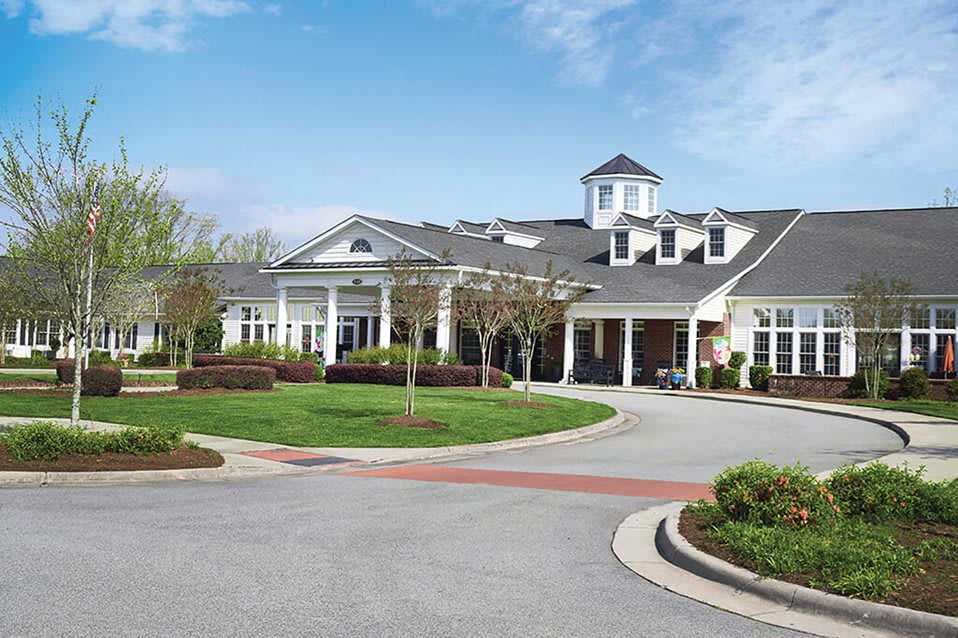
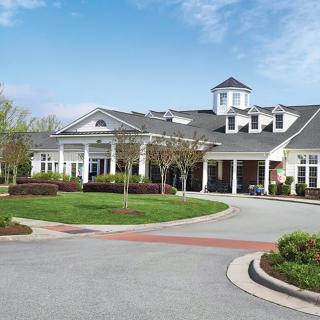
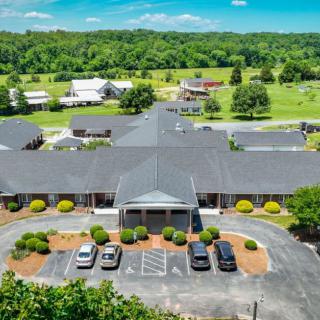
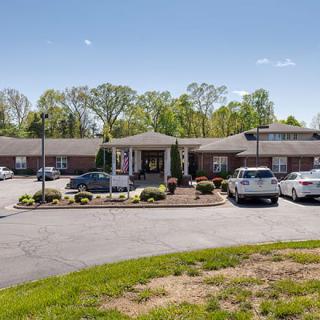
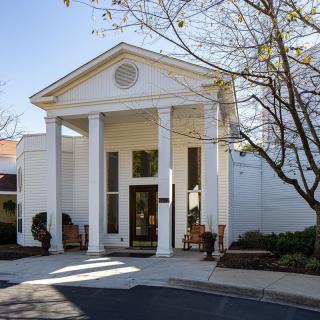
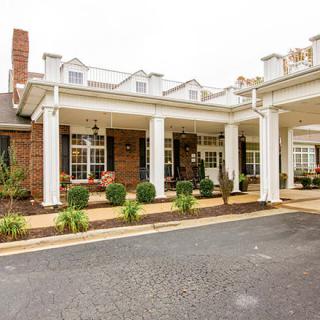
    A large residential building with a circular driveway and landscaped surroundings under a clear blue sky.
  • Trees

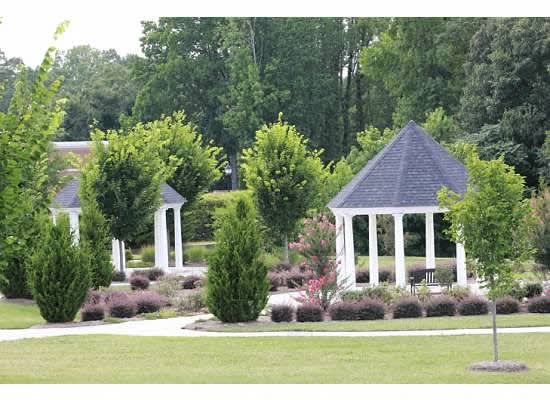
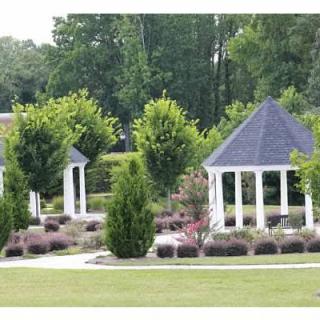
    Two white gazebos surrounded by lush greenery and pathways in a landscaped garden.
  • Dining

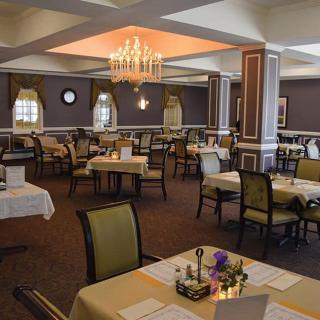
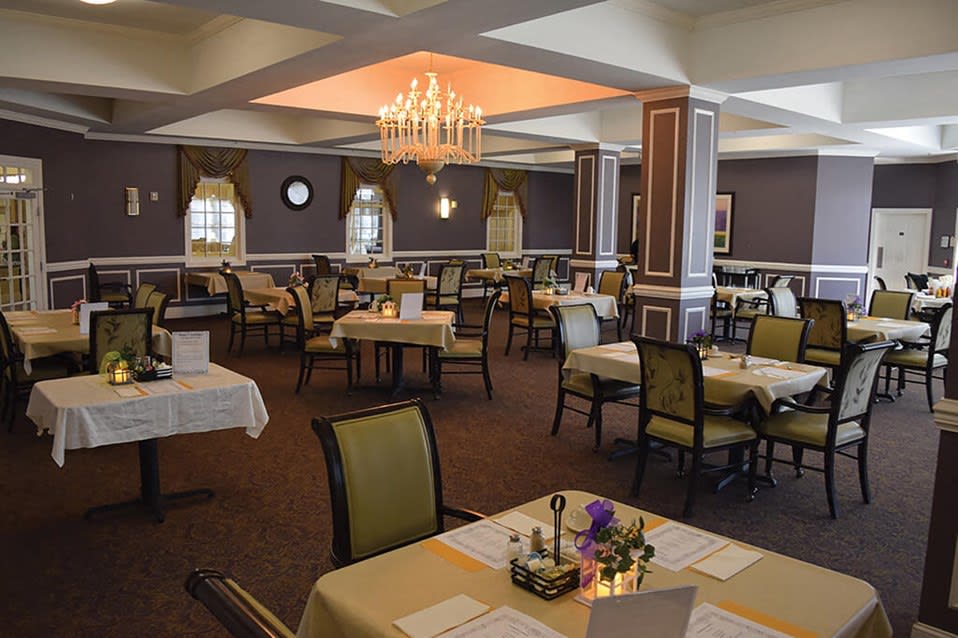
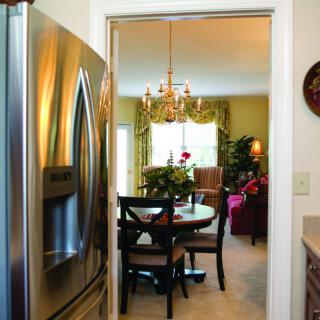
    A well-decorated dining room with neatly arranged tables and a chandelier.
  • Landscaping

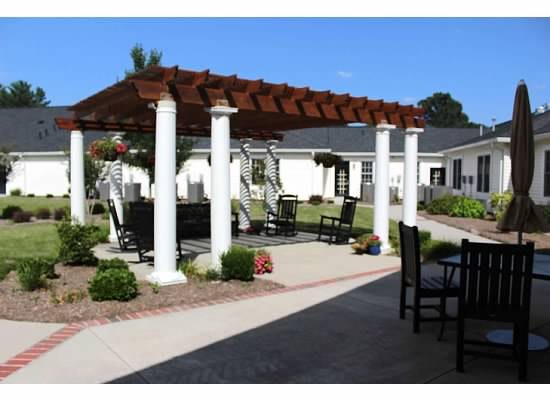
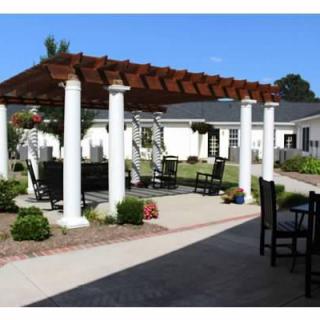
    A picturesque outdoor patio area featuring a wooden pergola supported by white columns, surrounded by a well-maintained garden with seating arrangements.
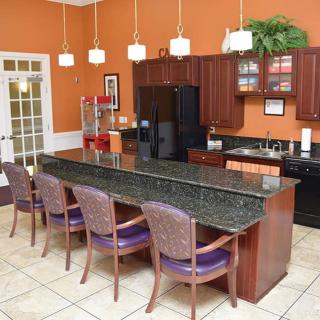
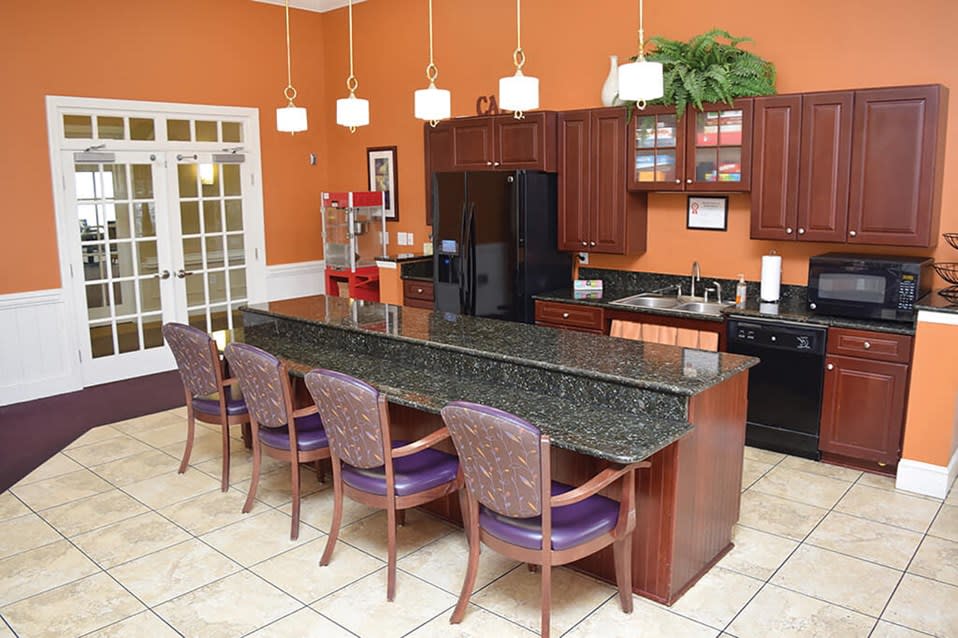
  • Kitchen

    A modern kitchen with an island and bar stools, featuring granite countertops and pendant lighting.
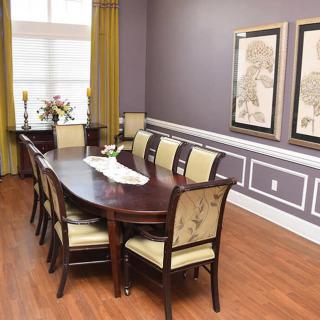
  • Artwork

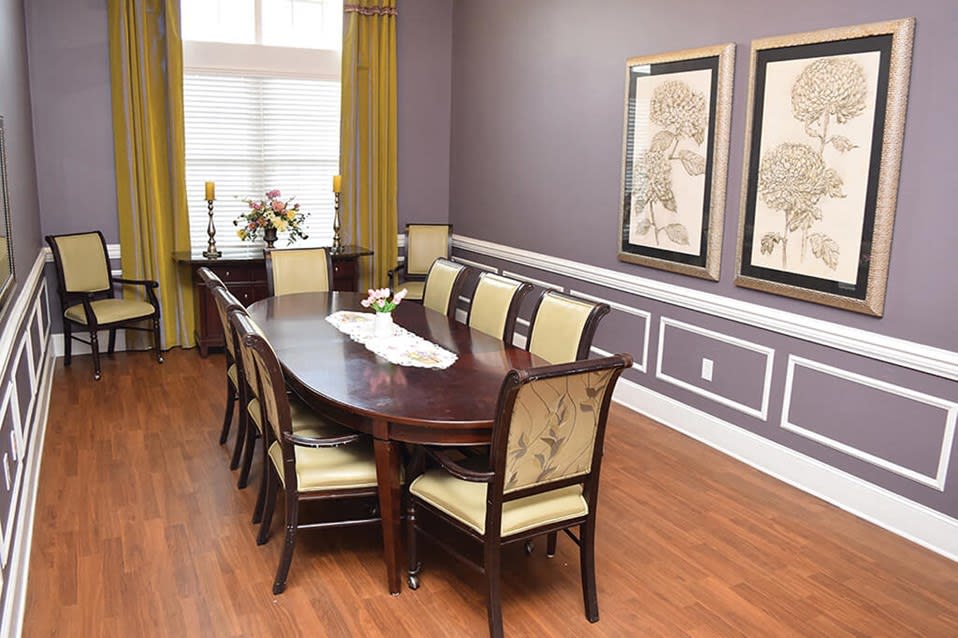
    A well-decorated dining room featuring a long wooden table with upholstered chairs, framed artwork on lavender walls, and hardwood flooring.
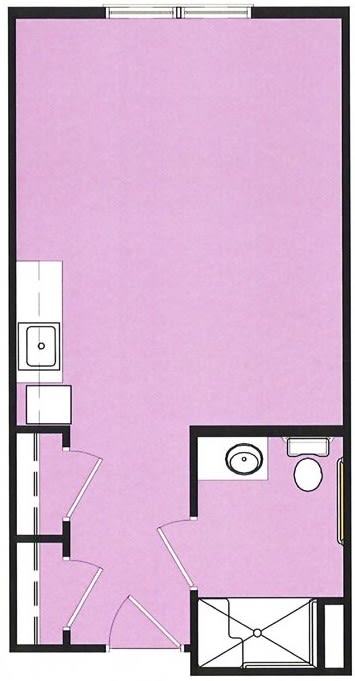
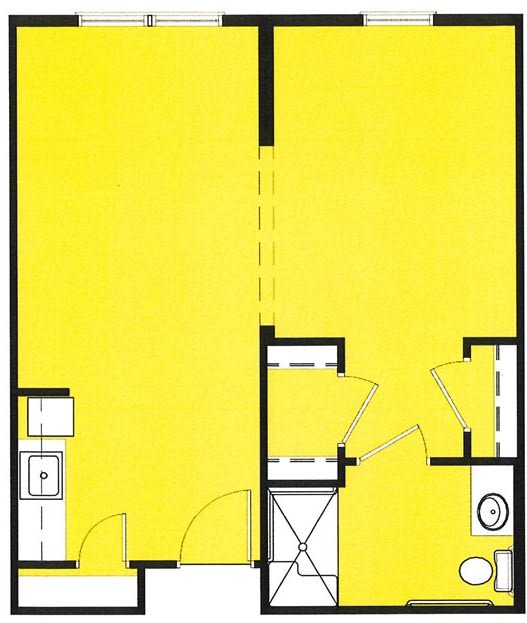
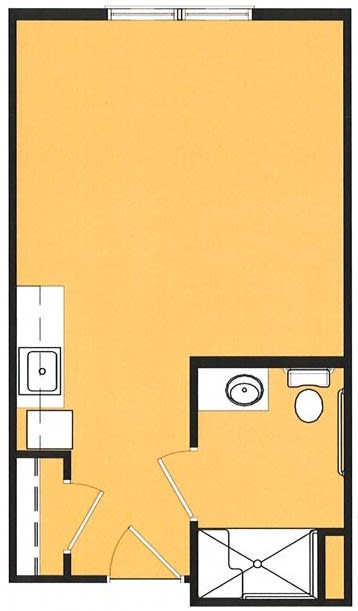
  • Floor Plan

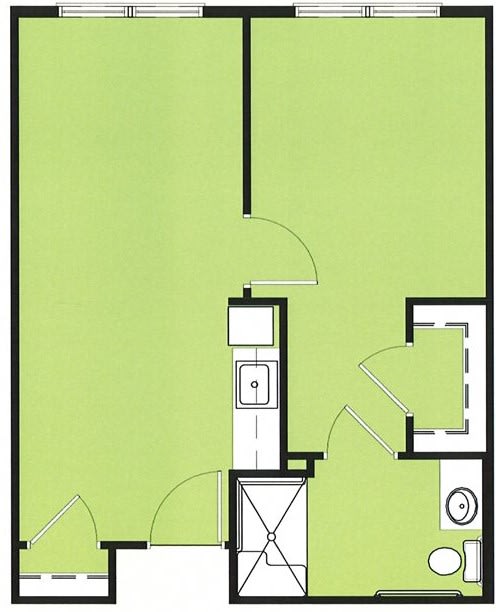
    A simple floor plan of a studio apartment featuring a kitchen and bathroom area.
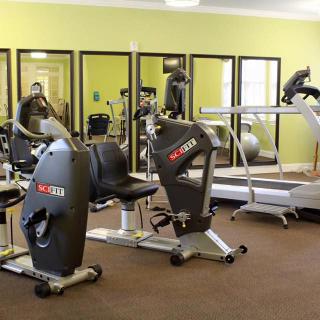
  • Exercise Equipment

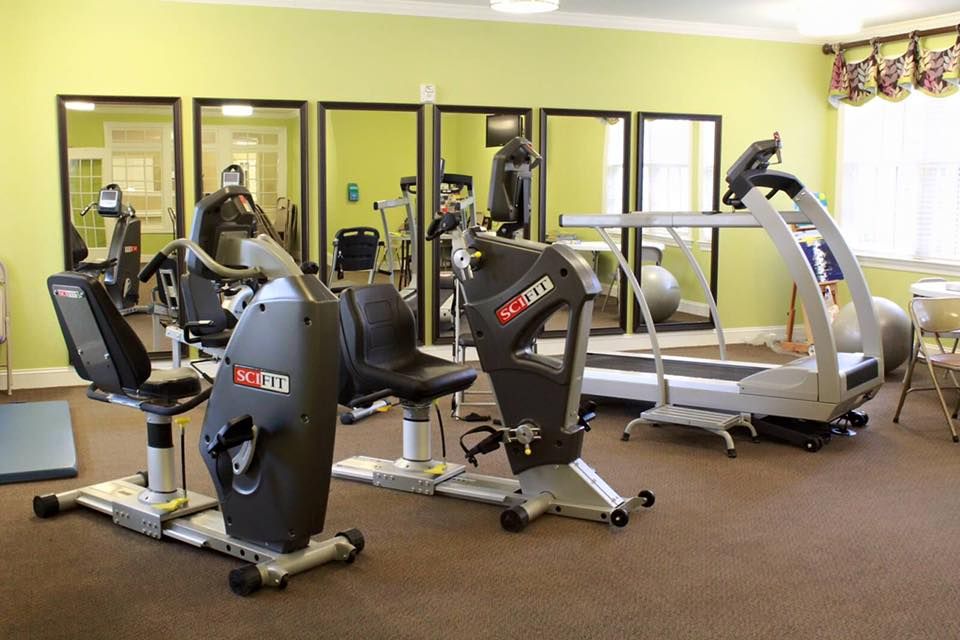
    A well-equipped gym with various exercise machines including recumbent bikes and treadmills.

Spring Arbor of Greensboro

5125 Michaux Rd, Greensboro, NC 27410

For more information about senior living options: (844) 490-3973

4.3 from 90 reviews
5 stars
63
4 stars
14
3 stars
1
2 stars
3
1 stars
9

Assisted Living Memory Care

Spring Arbor of Greensboro Costs & Pricing

Spring Arbor of Greensboro offers a range of room options, with pricing that reflects the premium services and amenities available to residents. For a semi-private room, the monthly cost is $3,995, which is slightly above the average for Guilford County at $3,673 and higher than the state average of $3,584. The studio option is priced at $4,995, exceeding both the county's average of $3,941 and North Carolina's average of $4,020. Additionally, for those seeking more spacious accommodations, the one-bedroom units are available at $5,825 - a significant increase compared to Guilford County's average of $3,554 and North Carolina's statewide average of $4,055. While Spring Arbor's rates are notably higher than local and state averages, they reflect an investment in quality care and an enriched living environment designed to enhance the well-being of its residents.

Floor plansSpring Arbor of GreensboroGuilford CountyNorth Carolina
Semi-Private$3,995$3,673$3,584
Studio$4,995$3,941$4,020
1 Bedroom$5,825$3,554$4,055

Overall Review of Spring Arbor of Greensboro

Pros

  • pro Spring Arbor is described as one of the best senior living communities in Greensboro, with a warm, caring staff and a clean, beautiful building.
  • pro The staff are consistently warm, friendly, and attentive, making residents feel safe and well cared for.
  • pro Families report being kept well informed and included through regular updates and meetings.
  • pro The community offers a rich calendar of activities and programs that engage residents and their families.
  • pro The dining experience is frequently praised as delicious and restaurant-quality.
  • pro The facility is noted for its dignity, respect, and loving treatment of residents.
  • pro Leadership is seen as compassionate, knowledgeable, and involved with residents.
  • pro Memory care is described as well-run, with dedicated CNAs and supportive staff.
  • pro The environment is described as homelike and calming, with low staff turnover and staff who know residents by name.
  • pro The facility is modern, clean, and well maintained, with one-story layouts that aid accessibility.
  • pro Families feel grateful, describing Spring Arbor as a blessing for their loved ones.
  • pro Staff and residents across roles are praised for being a loving, supportive community.

Cons

  • pro Spring Arbor is one of the most expensive providers in the AL community.
  • pro The leadership is shockingly sub par.
  • pro They care more about bringing in funds than doing their jobs.
  • pro After 18 months they moved their loved one out, and they could have cared less about them.
  • pro Run. Don't walk from this facility.
  • pro The staff consistently fails to perform state mandated check-ins and ignores requests for help.
  • pro VERY UNPROFESSIONAL; turnover rate is very high.
  • pro They are rude and unhelpful, short with answering questions, and do not look out for the best interest of residents.
  • pro For an assisted living facility this place has far too many deaths and is grossly understaffed.
  • pro They don't treat residents as people who need healthcare; they treat them like commodities and their main concern is money.

Review

Spring Arbor of Greensboro is best suited for families seeking a premium, memory-care?oriented assisted living on a single-story campus where staff engagement and a home-like atmosphere are prioritized. The community's strongest value lies in its warm, consistent caregiving culture, robust activity programs, and a newer, well-appointed setting that feels open and residential rather than institutional. It works best for residents who can absorb the premium price in exchange for daily attentiveness, predictable staffing, and strong family involvement. Those who need substantial on-site skilled nursing, or who rely heavily on Medicaid, should consider alternatives that prioritize more comprehensive medical oversight or lower cost structures.

On the plus side, Spring Arbor earns high marks for staff warmth, low turnover, and genuine resident?caregiver relationships. Families repeatedly highlight how nurses, CNAs, and support staff know residents by name, keep families informed, and respond with empathy during transitions or medical changes. The building is clean, well maintained, and accessible on one level, which enhances safety and ease of movement. The activity calendar is thorough - recreational therapy, music, crafts, walking clubs, and intergenerational programming - helping residents stay engaged. On-site amenities such as a hair salon, library, caf?, and multiple activity spaces reinforce a sense of community and normalcy, while family events and regular conferences keep relatives connected.

Yet the program carries notable risks that prospective residents must weigh against the benefits. Price remains a persistent concern, with some reviewers calling the community among the most expensive options in Greensboro. A subset of families reports frustration with leadership priorities and perceived profit focus, which can color expectations around responsiveness and value. Several reviews describe scarce or inconsistent nursing oversight, with concerns about check-ins and timely assistance. Understaffing and turnover are cited as recurring themes by a minority of families, and a few accounts mention med-management challenges or occasional gaps in service. A few opinions center on the dining experience, noting meals can be hit or miss, even as others praise the quality and variety.

These strengths and weaknesses interact in meaningful ways depending on needs. For residents who thrive in a highly supportive environment with consistent care teams, a full slate of activities, and a home-like atmosphere, the pros often outweigh the cons, and the premium price is easier to justify. For families balancing tight budgets or requiring more intensive medical oversight (including frequent skilled nursing), the drawbacks become more salient. The facility's memory-care cottages and dementia-focused programming are standouts, but the lack of ubiquitous on-site skilled nursing means transitions or escalations in medical needs may require careful planning and coordination with outside providers or hospice teams.

Decision-makers should approach with a clear checklist. Verify how many licensed nurses are in the building per shift and whether coverage is 24/7, especially in memory care and assisted living units. Ask about medication management protocols, error history, and how assessments are conducted when changes occur. Probe staff-to-resident ratios during peak hours and at night, and inquire about training specifically for memory care and behavioral challenges. Tour at different times and days to observe consistency, attentiveness, and how staff communicate with families. Finally, confirm Medicaid acceptance, pricing tiers, and what is included in base rates versus add-ons, ensuring expectations align with the actual cost of care.

In the end, Spring Arbor of Greensboro represents a compelling choice for families who prize a warm, engaged staff, a modern, easily navigable layout, and abundant programming in a memory-care?friendly setting. It is among Greensboro's stronger options for those who can invest in a premier experience and who value regular family involvement and a transparent, responsive care culture. It is less well suited for those prioritizing lower cost, aggressive medical oversight on site, or Medicaid-centric admission policies. A disciplined tour, candid questions about staffing and medical coverage, and conversations with current families offer the clarity needed to determine if this community will truly meet long-term expectations or if a more budget-conscious or medically intensive alternative is a better fit.

Features

Housing

  • 100 resident community capacity 100 resident community capacity

Types of Care

  • Assisted Living Assisted LivingAssisted living facilities provide crucial support and care for seniors who may need help with daily tasks such as medication management, bathing, and meal preparation. These communities offer a safe and comfortable environment where seniors can maintain their independence while receiving the assistance they need to thrive in their golden years.
  • Memory Care Memory CareMemory care is crucial for seniors as it provides specialized support and services for individuals with dementia or Alzheimer's disease. These programs offer a safe and secure environment where residents receive personalized care, cognitive stimulation, and help with daily activities. Memory care helps seniors maintain their independence, quality of life, and dignity while also providing peace of mind for their families.

Pets

  • Cats allowed Cats allowed"Pet friendly" senior living communities are important for seniors because pets provide companionship, reduce feelings of loneliness and depression, promote physical activity and mental stimulation, and offer a sense of purpose and responsibility. Pets can improve overall well-being and quality of life for seniors in many ways.
  • Dogs allowed Dogs allowed"Pet friendly" senior living communities are important for seniors because pets provide companionship, reduce feelings of loneliness and depression, promote physical activity and mental stimulation, and offer a sense of purpose and responsibility. Pets can improve overall well-being and quality of life for seniors in many ways.

Amenities

  • Activities off-site Activities off-siteEngaging in off-site activities is crucial for seniors to maintain social connections, stay active, and stimulate their minds. It promotes overall well-being and helps combat feelings of isolation and loneliness.
  • Activities on-site Activities on-siteActivities on-site are important for seniors because they provide opportunities for socialization, mental stimulation, physical activity, and overall well-being. Engaging in activities can help seniors stay active, maintain their independence, and improve their quality of life.
  • Air-conditioning Air-conditioningAir conditioning is important for seniors as they are more vulnerable to heat-related illnesses and may have underlying health conditions that make it difficult for them to regulate their body temperature. It helps to keep them comfortable, safe, and healthy in hot weather.
  • Beautician on-site Beautician on-siteHaving a beautician on-site at a senior living community is important for seniors as it allows them to easily access grooming and personal care services, boosting their self-esteem and overall well-being. It also provides convenience and helps seniors maintain their sense of independence and personal style.
  • Beauty salon Beauty salonBeauty salons are important for seniors because they provide a space for them to feel pampered, socialize, and maintain their personal grooming and hygiene. Regular visits to a beauty salon can help boost seniors' self-esteem and overall well-being.
  • Cable or satellite TV Cable or satellite TVCable or satellite TV is important for seniors because it provides entertainment, news, and companionship, helping to combat loneliness and boredom. It also offers a wide range of programming options tailored to different interests and preferences.
  • Computer center Computer centerA computer center is essential for seniors as it provides access to technology, communication tools, and resources that can enhance their daily lives. It allows them to stay connected with loved ones, engage in online activities, and learn new skills, ultimately promoting socialization and mental stimulation.
  • Devotional services off-site Devotional services off-siteDevotional services off-site are important for seniors as they provide spiritual nourishment, social engagement, and a sense of community outside of the senior living facility. This can enhance overall well-being and help combat feelings of isolation and loneliness often experienced by older adults.
  • Devotional services on-site Devotional services on-siteDevotional services on-site provide seniors with spiritual support and a sense of community, as well as an opportunity for reflection and guidance during their senior living experience. This can promote emotional well-being and connection to others, leading to a more fulfilling and enriching lifestyle in their later years.
  • Dining room Dining roomDining rooms are important for seniors as they provide a space for socialization, connection, and nutritious meals. They offer opportunities for residents to bond over shared meals, foster a sense of community, and promote healthy eating habits. Dining rooms also ensure that seniors have access to well-balanced meals tailored to their dietary needs and preferences.
  • Fitness room Fitness roomHaving a fitness room in a senior living community is essential for seniors to stay active, maintain their physical health, and improve their overall well-being. Regular exercise can help prevent falls, reduce the risk of chronic diseases, and promote mental sharpness. It also provides social opportunities for residents to connect with others and enjoy a sense of community.
  • Fully furnished Fully furnishedFully furnished senior living communities are important for seniors because they provide convenience, comfort, and a hassle-free moving experience. Seniors can easily settle into their new living space without the stress of having to buy and move furniture. This allows them to focus on enjoying their new home and community.
  • Gaming room Gaming roomGaming rooms are important for seniors as they provide a fun and engaging environment for socializing, cognitive stimulation, and physical activity. Games can improve memory, problem-solving skills, and overall mental well-being while fostering friendships and reducing feelings of isolation.
  • Garden GardenGardens are important for seniors as they provide a peaceful and therapeutic environment for relaxation, physical activity, and socialization. Being in nature has been shown to reduce stress, improve mood, and promote overall well-being. Gardens also offer opportunities for seniors to engage in gardening activities, which can improve mobility, flexibility, and cognitive function. Additionally, gardens create a sense of community and connection with others who share a passion for plants and outdoor spaces.
  • Ground floor units Ground floor unitsGround floor units are important for seniors because they provide easy accessibility, reduced risk of falls and injuries, and convenience for those with mobility issues. Seniors can avoid climbing stairs or using elevators, making daily tasks and activities more manageable and enjoyable.
  • Handicap accessible Handicap accessible"Handicap accessible" amenities are crucial for seniors to ensure they can easily navigate and access facilities, services, and activities without barriers or limitations due to physical impairments. This promotes independence, safety, and inclusivity for seniors in senior living communities.
  • Housekeeping services Housekeeping servicesHousekeeping services are important for seniors because they help maintain a clean and safe living environment, promote independence, and reduce the risk of accidents or illnesses. Additionally, having assistance with household chores can alleviate physical strain and allow seniors to focus on other aspects of their well-being.
  • Indoor common areas Indoor common areasIndoor common areas are crucial for seniors as they provide a space for socialization, recreation, and community engagement, promoting overall well-being and reducing feelings of isolation and loneliness.
  • Kitchenette KitchenetteKitchenettes are important for seniors living in senior living communities because they provide the convenience and independence of being able to prepare simple meals and snacks in the comfort of their own living space. This can help promote a sense of autonomy and well-being for seniors, allowing them to maintain some level of control over their dietary choices and daily routines.
  • Move-in coordination Move-in coordinationMove-in coordination is important for seniors because it helps ease the transition into their new living environment. It ensures that all logistics, such as packing, organizing movers, and setting up utilities are taken care of, allowing seniors to focus on settling in and adjusting to their new home. Having a smooth move-in process can alleviate stress and anxiety, making the transition smoother and more enjoyable for seniors.
  • Outdoor common areas Outdoor common areasOutdoor common areas are important for seniors as they provide a space for socialization, physical activity, and relaxation. Being outside in nature can improve mood and overall well-being, while also encouraging movement and engagement with others. These spaces can help combat feelings of isolation and promote a sense of community among residents.
  • Outdoor space Outdoor spaceOutdoor spaces are important for seniors as they provide opportunities for physical activity, social interaction, exposure to natural light and fresh air, and a sense of connection to nature. Having access to outdoor spaces can improve overall well-being and quality of life for older adults living in senior communities.
  • Party space Party spaceHaving access to party space is important for seniors as it provides opportunities for socialization, connection, and enjoyment. These spaces allow seniors to celebrate special occasions, host gatherings with friends and family, and participate in community events, enhancing their overall well-being and quality of life.
  • Private bathrooms Private bathroomsPrivate bathrooms are important for seniors in senior living communities because they provide independence, dignity, and comfort. Having a private bathroom allows seniors to maintain their personal hygiene routines without the need for assistance, promoting a sense of autonomy and privacy. Additionally, private bathrooms help prevent the spread of infections and provide a safe and clean environment for seniors to navigate safely.
  • Restaurant-style dining Restaurant-style diningRestaurant-style dining is important for seniors because it allows them to enjoy delicious, nutritious meals in a social and upscale setting. This enhances their dining experience, promotes healthy eating habits, and fosters socialization with fellow residents, ultimately contributing to their overall well-being and quality of life.
  • Small library Small librarySmall libraries are important for seniors as they provide access to a variety of reading materials, including books, newspapers, and magazines. This can help stimulate their minds, keep them engaged, and provide a sense of community through book clubs and other social activities. Additionally, reading has been shown to improve cognitive function and overall mental well-being in older adults.
  • Swimming pool / hot tub Swimming pool / hot tubSwimming pools and hot tubs are important for seniors as they provide a safe and enjoyable way to stay active, improve mobility, reduce joint pain, and promote relaxation. Regular use of these amenities can contribute to overall well-being and quality of life for older adults living in senior communities.
  • Telephone TelephoneTelephones are important for seniors as they provide a lifeline for communication with loved ones, emergency services, and healthcare providers. They offer a sense of security and independence, enabling seniors to stay connected and access assistance when needed.
  • Wellness center Wellness centerWellness centers are important for seniors because they offer a variety of programs and services that promote physical, mental, and emotional well-being. These centers provide opportunities for exercise, socialization, education, and relaxation, helping seniors maintain their overall health and quality of life.
  • Wheelchair accessible showers Wheelchair accessible showersWheelchair accessible showers are crucial for seniors as they provide a safe and independent bathing option for those with mobility challenges. These showers help prevent falls and allow seniors to maintain their dignity and autonomy while ensuring they can bathe comfortably.
  • Wi-Fi/high-speed internet available Wi-Fi/high-speed internet availableWi-Fi/high-speed internet is important for seniors to stay connected with loved ones, access online resources, and participate in virtual activities to combat feelings of loneliness and isolation. It also allows them to easily manage healthcare needs, access entertainment, and engage in lifelong learning opportunities.

Transportation

  • Piedmont Triad International (5 miles away) Piedmont Triad International (5 miles away)
  • Community operated transportation Community operated transportationCommunity operated transportation is crucial for seniors as it provides them with the means to access essential services, social activities, and medical appointments. It allows seniors to maintain their independence and quality of life by ensuring they can participate in activities outside of their homes. Additionally, community-operated transportation services offer a safe and reliable way for seniors to travel without having to rely on family or friends for assistance.
  • Transportation arrangement Transportation arrangementTransportation arrangements are crucial for seniors as they may face challenges with driving, mobility, or access to public transportation. Having reliable transportation services ensures that seniors can easily attend appointments, social activities, and maintain their independence and quality of life.
  • Transportation arrangement (non-medical) Transportation arrangement (non-medical)Transportation arrangements are essential for seniors as they provide access to essential services, activities, and social interactions outside the home. This service helps maintain independence, mobility, and overall well-being for seniors who may have limited transportation options.
  • Transportation to doctors appointments Transportation to doctors appointmentsTransportation to doctors appointments is crucial for seniors as it ensures they have access to necessary medical care and support, promoting their health and well-being. It allows them to receive timely treatment, monitor existing conditions, and address any new health concerns efficiently. Additionally, transportation services can help seniors maintain their independence and quality of life by enabling them to stay connected with their healthcare providers.

Care Services

  • 12-16 hour nursing 12-16 hour nursing12-16 hour nursing care is crucial for seniors in order to ensure around-the-clock monitoring, timely medication administration, and prompt response to any health concerns or emergencies. This level of care helps to promote the overall well-being and safety of seniors living in senior living communities.
  • 24-hour call system 24-hour call system24-hour call systems are important for seniors because they provide peace of mind and immediate assistance in case of emergencies. This technology ensures that help is always available, promoting safety and security for elderly individuals living alone or in assisted living facilities.
  • 24-hour supervision 24-hour supervision24-hour supervision is important for seniors to ensure their safety, well-being, and access to immediate assistance in case of emergencies or health issues. This constant support provides peace of mind for both seniors and their loved ones, allowing them to age in place with dignity and security.
  • Activities of daily living assistance Activities of daily living assistanceActivities of daily living assistance are important for seniors because they provide essential support with tasks such as eating, bathing, dressing, and mobility. This assistance helps seniors maintain their independence, dignity, and overall quality of life as they age.
  • Ambulatory care Ambulatory care"Ambulatory care services provide essential medical support and treatment to seniors without requiring hospitalization, allowing them to maintain their independence and quality of life while managing chronic conditions or receiving routine medical care."
  • Assistance with bathing Assistance with bathingAssistance with bathing is crucial for seniors as it helps maintain personal hygiene, prevents infections, and ensures their overall well-being and comfort. It also provides a sense of dignity and independence for seniors who may struggle with this task on their own.
  • Assistance with dressing Assistance with dressingAssistance with dressing is important for seniors because it helps maintain their independence, promotes personal hygiene, prevents accidents and injuries, and improves overall quality of life. This service ensures that seniors can continue to dress comfortably and confidently, despite any physical limitations they may have.
  • Assistance with transfers Assistance with transfersAssistance with transfers is crucial for seniors as it helps prevent falls and injuries, maintains their independence, and ensures they can safely navigate their living environment. It also provides peace of mind for both seniors and their loved ones.
  • Diabetes diet Diabetes dietA diabetes diet is crucial for seniors as it helps manage blood sugar levels, reduce risks of complications, and improve overall health and well-being. By following a balanced and nutritious diet tailored to their specific needs, seniors can better control their diabetes and enhance their quality of life.
  • Diabetic care Diabetic careDiabetic care is crucial for seniors as they are more susceptible to developing diabetes due to aging and other health conditions. Proper management of diabetes can help prevent complications such as heart disease, vision loss, and nerve damage, improving the overall quality of life for seniors in senior living communities.
  • High acuity care High acuity careHigh acuity care is important for seniors because it provides specialized medical attention and support for individuals with complex medical needs. This level of care ensures that seniors receive the appropriate treatment and assistance to maintain their health and quality of life as they age.
  • Incontinence care Incontinence careIncontinence care is essential for seniors to maintain their dignity, hygiene, and overall quality of life. By addressing incontinence issues promptly and effectively, seniors can enjoy a sense of independence and comfort in their daily activities.
  • Meal preparation and service Meal preparation and serviceMeal preparation and service are crucial for seniors as they may have limited mobility or energy to cook nutritious meals. Having access to healthy and convenient food options can ensure they are getting the proper nutrition needed to maintain their overall health and well-being.
  • Medication management Medication managementMedication management is crucial for seniors to ensure they are taking the right medications at the correct dosages and times. This helps prevent adverse drug interactions, reduces the risk of medication errors, and promotes overall health and well-being. Proactive management also allows for adjustments as needed based on changing health conditions or new prescriptions.
  • Mental wellness program Mental wellness programMental wellness programs are essential for seniors as they promote cognitive stimulation, emotional support, and social engagement. These programs help prevent isolation, depression, and cognitive decline, ultimately enhancing the overall quality of life for older adults.
  • Special dietary restrictions Special dietary restrictionsSpecial dietary restrictions are important for seniors because age-related changes in metabolism and health conditions can make it difficult for their bodies to process certain foods. By following a diet tailored to their specific needs, seniors can maintain their overall health and well-being, manage chronic conditions, and reduce the risk of complications such as malnutrition or food interactions with medications.

Dining

  • Diabetes diet Diabetes dietA diabetes diet is crucial for seniors as it helps manage blood sugar levels, reduce risks of complications, and improve overall health and well-being. By following a balanced and nutritious diet tailored to their specific needs, seniors can better control their diabetes and enhance their quality of life.
  • Low / no sodium Low / no sodiumLow/no sodium options are important for seniors because excessive sodium intake can lead to high blood pressure, heart disease, and other health issues commonly experienced by older adults. By choosing low/no sodium foods, seniors can better manage their health and reduce their risk of developing these conditions.
  • Meals provided Meals provided"Meals provided" are crucial for seniors in assisted living communities as it ensures they have access to nutritious, balanced meals without the stress of meal planning and preparation. This can help promote overall health and well-being for seniors who may have limited mobility or cognitive abilities.
  • Restaurant style dining Restaurant style diningRestaurant style dining is important for seniors as it offers them a social and enjoyable dining experience, promotes healthy eating habits, and provides personalized menu options to cater to their dietary needs and preferences. This type of dining setting can enhance their overall quality of life and create a sense of community within the senior living facility.
  • Special dietary restrictions Special dietary restrictionsSpecial dietary restrictions are important for seniors because age-related changes in metabolism and health conditions can make it difficult for their bodies to process certain foods. By following a diet tailored to their specific needs, seniors can maintain their overall health and well-being, manage chronic conditions, and reduce the risk of complications such as malnutrition or food interactions with medications.

Activities

  • Activities off-site Activities off-siteEngaging in off-site activities is crucial for seniors to maintain social connections, stay active, and stimulate their minds. It promotes overall well-being and helps combat feelings of isolation and loneliness.
  • Art classes Art classesArt classes are important for seniors because they provide a creative outlet, improve cognitive function, reduce stress and anxiety, promote socialization, and enhance overall well-being and quality of life.
  • Bible study group Bible study groupBible study groups provide seniors with a sense of community, spiritual growth, and support during their later years. It helps them stay connected to their faith, find comfort in difficult times, and build meaningful relationships with others.
  • Catholic services Catholic servicesCatholic services are important for seniors because they provide spiritual support, a sense of community, and opportunities for social interaction that can enhance overall well-being and quality of life in their later years.
  • Community-sponsored activities Community-sponsored activitiesCommunity-sponsored activities are important for seniors as they provide opportunities for social interaction, mental stimulation, and physical activity. These activities can help improve overall well-being, combat loneliness and isolation, and promote a sense of belonging and purpose among older adults.
  • Concierge services Concierge servicesConcierge services are essential for seniors as they provide assistance with daily tasks and errands, enhance their quality of life by offering convenience and personalized care, and promote a sense of safety and security.
  • Cooking classes Cooking classesCooking classes are important for seniors as they provide opportunities for social interaction, enhance cognitive skills, promote healthy eating habits, and boost confidence in the kitchen.
  • Day trips and outings Day trips and outingsDay trips and outings are important for seniors as they provide opportunities for socialization, mental stimulation, physical activity, and a break from daily routines. These experiences can enhance overall well-being and quality of life for older adults living in senior communities.
  • Devotional activities offsite Devotional activities offsiteDevotional activities offsite are important for seniors because they provide social engagement, spiritual growth, and a sense of community outside of their living environment. This can improve overall well-being, mental health, and combat feelings of isolation or loneliness.
  • Devotional activities on-site Devotional activities on-siteDevotional activities on-site provide seniors with a sense of community, spiritual fulfillment, and emotional support, promoting overall well-being and a positive sense of purpose in their lives.
  • Educational speakers / life long learning Educational speakers / life long learningEducational speakers and lifelong learning opportunities are crucial for seniors as they provide mental stimulation, promote social engagement, and contribute to overall well-being. Continuous learning helps seniors stay mentally sharp, build new skills, and maintain a sense of purpose and fulfillment in their lives. It also allows them to stay connected to the world around them and fosters a sense of community within senior living facilities.
  • Fitness programs Fitness programsFitness programs are crucial for seniors as they help improve strength, flexibility, balance, and overall well-being. Staying active can reduce the risk of chronic diseases, improve mental health, and enhance quality of life in older adults.
  • Happy hour Happy hourHappy hour is important for seniors as it provides a social activity that promotes camaraderie and reduces feelings of loneliness or isolation. It also offers an opportunity for older adults to relax, unwind, and enjoy some drinks or snacks in a fun and welcoming atmosphere.
  • Live well programs Live well programs"Live well programs are essential for seniors as they provide opportunities for physical activity, social engagement, and mental stimulation, ultimately promoting overall health and well-being in later years."
  • Planned day trips Planned day tripsPlanned day trips are important for seniors because they offer opportunities for socialization, mental stimulation, and physical activity. They provide a change of scenery and help seniors stay engaged and connected to their community, promoting overall well-being and quality of life.
  • Protestant services Protestant servicesProtestant services are important for seniors because they provide spiritual nourishment, community support, and a sense of belonging. These services can help seniors connect with others who share their faith, find comfort and guidance in times of need, and maintain a sense of purpose and fulfillment in their later years.
  • Religious services Religious servicesReligious services provide seniors with a sense of community, support, and spiritual fulfillment, which can improve their overall well-being and mental health. It also offers them opportunities for socialization and connection with others who share their beliefs.
  • Resident-run activities Resident-run activitiesResident-run activities are important for seniors as they encourage social interaction, creativity, and a sense of autonomy. These activities empower seniors to stay engaged and active in their community while fostering meaningful connections with their peers.
  • Scheduled daily activities Scheduled daily activitiesScheduled daily activities are important for seniors because they provide structure, socialization, mental stimulation, and physical activity. Engaging in regular activities can improve overall well-being and quality of life for seniors living in a community setting.
  • Wine tasting Wine tastingWine tasting can be a fun and social activity for seniors, allowing them to engage their senses, learn about different varieties of wine, and potentially meet new friends. It also offers health benefits such as improved cognitive function and reduced risk of heart disease when consumed in moderation.

Languages Spoken

  • English EnglishEnglish is important for seniors as it allows them to communicate effectively with healthcare providers, understand important information related to their health and medications, stay connected with loved ones, and engage in social activities within their communities. It also opens up opportunities for lifelong learning and intellectual stimulation.

Description

Spring Arbor of Greensboro in Greensboro, NC is an assisted living community specializing in memory care. Our community offers a range of amenities to ensure the comfort and well-being of our residents. Our spacious indoor common areas provide a welcoming and comfortable environment for socializing or participating in activities. We also have beautiful outdoor common areas where residents can enjoy fresh air and nature.

For residents who enjoy staying active, we offer a variety of on-site activities including art classes, cooking classes, day trips and outings, educational speakers, and live well programs. For those seeking spiritual enrichment, we provide both on-site and off-site devotional services, as well as Bible study groups and religious services.

Our dining experience is designed to be enjoyable and restaurant-style. Meals are provided daily with a selection of delicious options to choose from.

We understand the importance of convenient access to essential services, which is why we have 5 cafes, 1 pharmacy, 10 physicians' offices, 14 restaurants, 1 place of worship nearby, as well as theaters for entertainment purposes.

In terms of care services provided at Spring Arbor of Greensboro, our dedicated staff members are trained to offer specialized care for residents with diabetes, high acuity needs, incontinence care, and medication management. We strive to ensure that all residents receive the personalized care they require.

At Spring Arbor of Greensboro, we prioritize the comfort and happiness of our residents by providing a safe and welcoming environment with a variety of amenities designed to enhance their quality of life.

Nearby Places of Interest

This area of Greensboro, North Carolina, offers a convenient and accessible location with various amenities nearby. With a selection of cafes, restaurants, pharmacies, physicians' offices, theaters, places of worship, and hospitals within a short driving distance, residents can easily meet their daily needs. The presence of well-known chains such as Starbucks, Panera Bread, and McDonald's provides familiarity and comfort for seniors. Additionally, the proximity to parks like Union Cross Park and Salem Lake Trail offers opportunities for outdoor activities and relaxation. Overall, this part of Greensboro provides a balanced mix of convenience, services, and recreational options that may appeal to older individuals considering senior living in the area.

Cafes

  • Starbucks (0.1 miles)
  • Starbucks (3 miles)
  • Panera Bread (4.2 miles)
  • Starbucks (4.3 miles)
  • Caribou Coffee (4.7 miles)
  • Starbucks (6.7 miles)
  • Panera Bread (9.6 miles)

Restaurants

  • Taco Bell (1.1 miles)
  • Wendy's (1.3 miles)
  • Cook Out (2.2 miles)
  • McDonald's (2.4 miles)
  • Kickback Jack's (2.5 miles)
  • McDonald's (3.6 miles)
  • KFC (4.1 miles)

Physicians

  • Skin Surgery Center (1.3 miles)
  • LeBauer HealthCare at Brassfield (1.3 miles)
  • Eagle Family Medicine at Brassfield (1.4 miles)
  • Nh New Garden Med Asso (1.6 miles)
  • Northwest Pediatrics (1.8 miles)
  • Southeastern Eye Center Add to Favorites (2.2 miles)
  • Eagle Family Medicine (3.6 miles)

Pharmacies

  • Walmart Pharmacy (4.4 miles)
  • CVS Pharmacy (6.5 miles)
  • Walmart Pharmacy (6.7 miles)
  • Walgreens (7.7 miles)
  • CVS Pharmacy (8 miles)
  • Walgreens (9 miles)
  • Walgreens (9.5 miles)

Theaters

  • Regal Greensboro Grande & RPX (4.6 miles)
  • AMC CLASSIC Greensboro 18 (6.9 miles)
  • Regal Palladium & IMAX (9.5 miles)

Places of Worship

  • Christ United Methodist Church (4.7 miles)
  • Lindley Park Baptist Church (5.7 miles)
  • Pinecroft Baptist Church (9 miles)
  • Immaculate Heart of Mary Catholic Church (11.5 miles)

Hospitals

  • Bethany Cardiology (10.1 miles)

Parks

  • Union Cross Park (16.8 miles)
  • Salem Lake Trail (18.6 miles)
  • Springwood Park (18.7 miles)

Frequently Asked Questions

How much does it cost to live at Spring Arbor of Greensboro in Greensboro, NC?
Where is Spring Arbor of Greensboro?
Does Spring Arbor of Greensboro provide care for residents with dementia or Alzheimer's disease?
Does Spring Arbor of Greensboro allow residents to have pets?
What photos are available for Spring Arbor of Greensboro in Greensboro, North Carolina?

Nearby Communities

  • Friendship Care

    Friendship Care

    Greensboro, NC

    4.3 from 52 reviews
    $1,800 to $2,800 / month

    pro Competitive, affordable pricing for studio and 1BR units.
  • Carolina Estates Gracious Retirement Living

    Carolina Estates Gracious Retirement Living

    Greensboro, NC

    4.5 from 81 reviews
    $2,425 to $4,095 / month

    pro Friendly staff, engaging activities, and solid value with comprehensive on-site amenities.

  • Well-Spring Retirement Community

    Well-Spring Retirement Community

    Greensboro, NC

    4.7 from 77 reviews
     

    pro Beautiful campus with diverse activities and strong skilled-nursing care.

  • The Carillon

    The Carillon

    Greensboro, NC

    4.5 from 23 reviews
    $662 / month

    pro Strong sense of community with engaging activities and friendly staff.

  • Brookdale Lawndale Park

    Brookdale Lawndale Park

    Greensboro, NC

    4.1 from 82 reviews
    $2,750 to $6,490 / month

    pro Caring, friendly staff with engaging activities in a clean, well-maintained setting.

  • Harmony at Greensboro

    Harmony at Greensboro

    Greensboro, NC

    4.5 from 114 reviews
    $3,395 to $6,200 / month

    pro Friendly, attentive staff in a well-maintained community.

  • Blumenthal Nursing & Rehabilitation Center

    Blumenthal Nursing & Rehabilitation Center

    Greensboro, NC

    3.7 from 83 reviews
     

    pro Caring frontline staff in a pleasant, activity-rich environment.

  • Friends Homes At Guilford

    Friends Homes At Guilford

    Greensboro, NC

    4.2 from 64 reviews
     

    pro Professional staff, a newly remodeled facility, and extensive amenities with good dining.

  • Friends Homes West

    Friends Homes West

    Greensboro, NC

    4.4 from 41 reviews
     

    pro Pleasant, quiet, home-like atmosphere.

Related Resources

  • does medicaid pay for assisted livingHow and When Medicaid May Cover Assisted Living Costs

    Medicaid coverage for assisted living varies by state and is primarily available to low-income individuals, with eligibility dependent on strict income and asset limits. Some states offer HCBS waivers for specific services in assisted living, but families must generally cover room and board costs, and should verify facility acceptance of Medicaid while considering potential waiting lists.

  • assisted living waiver programA Detailed Exploration of Assisted Living Medicaid Waivers Across the United States

    Medicaid waivers for assisted living services provide vital support for seniors and individuals with disabilities in need of long-term care, with varying state-specific eligibility criteria and benefits. These waivers cover personal care and case management but often do not fully cover room and board, leading to waiting lists for many applicants.

  • assisted living vs skilled nursingExploring the Contrasts Between Assisted Living and Skilled Nursing
    The article compares assisted living and skilled nursing facilities, detailing their differing levels of assistance, medical support, cost structures, and day-to-day experiences. It emphasizes that assisted living is for those needing help with daily activities while maintaining independence, whereas skilled nursing facilities provide intensive medical care with 24-hour staff supervision.