Friendship Care offers competitive pricing for its accommodations compared to the broader market in Guilford County and across North Carolina. For a studio room, Friendship Care is priced at $1,800 per month, significantly lower than the county average of $3,941 and the state average of $4,020. Similarly, their one-bedroom units are available for $2,800 monthly, which is more affordable than both Guilford County's average of $3,554 and North Carolina's statewide average of $4,055. This positioning not only highlights Friendship Care's commitment to providing cost-effective living solutions but also reflects their dedication to making quality care accessible to a wider audience.
Floor plans
Friendship Care
Guilford County
North Carolina
Studio
$1,800
$3,941
$4,020
1 Bedroom
$2,800
$3,554
$4,055
Assisted Living communities with a similar price nearby
Residents and visitors repeatedly mention the community stays clean.
Multiple reviews call out cleanliness, including very clean apartments and a well-kept facility. One reviewer had a strong negative experience with housekeeping management, which stands out against the otherwise consistent impressions. Others also describe residents staying clean and the building environment feeling safe and clean.
common4 reviews mention this
Caring, supportive caregiving
Reviews frequently describe caring staff who support residents.
Residents and families describe staff as kind, caring, and supportive, with particular praise for attention and follow-through. One reviewer said they were comforted by how kind and caring everyone was while a loved one lived there. Another described ongoing support for both the resident and the family member visiting, and said care helped keep the resident comfortable and well cared for.
common2 reviews mention this
Dining quality gets praise
Food quality comes up in residents’ and families’ comments.
A couple of reviews highlight meals as a positive, including food described as very good and prepared by real chefs. Another reviewer said their loved one was kept well fed as care needs changed over time. The community also provides meals, matching the recurring attention to dining in reviews.
common2 reviews mention this
Safety and comfort matter
Several reviewers mention feeling safe and comfortable here.
Reviews include explicit mentions of safety and comfort, with one person describing the place as safe and clean. Another reviewer said their mom felt comfortable and safe and valued the attention she received. Together, those comments align with residents being kept in a calm, supportive environment day to day.
common3 reviews mention this
Appearance and grounds make an impression
Reviews describe attractive grounds and a pleasant setting.
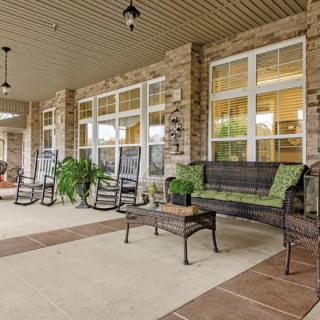
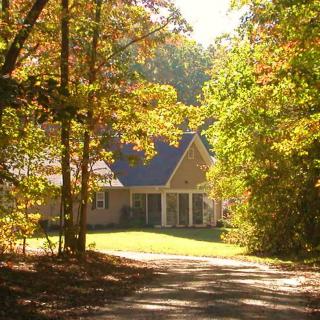
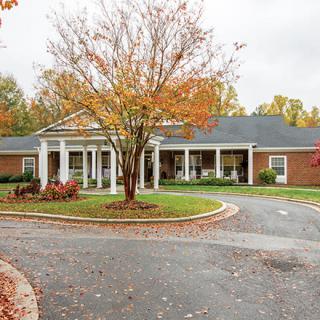
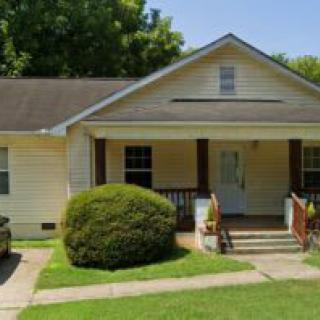
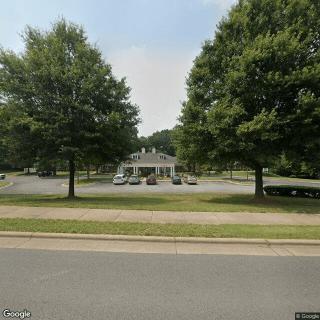
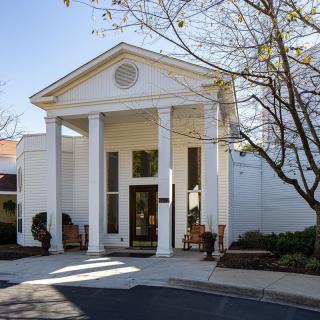
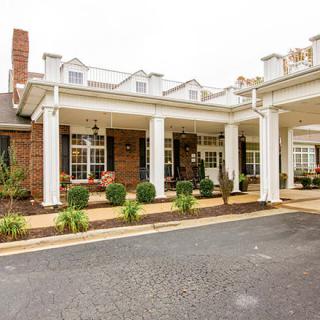
Some reviewers talk about the physical setting, including beautiful grounds and a comfortable, well-maintained environment. One review also characterizes the neighborhood as very posh, and another describes the community as a beautiful place for elderly living. A separate review notes accessibility and visitor parking, which supports the idea that the property is easy to navigate for guests.
caveat2 reviews mention this
Staff responsiveness can vary
A small number of reviews describe problems with staff professionalism.
While many reviews are positive about caregiving, two reviews raised negative experiences related to the way staff handled situations. One reviewer was especially critical of housekeeping supervisors, and another said some staff members were rude. These comments suggest variability in day-to-day staff interactions for different residents or families.
How we summarize
Counts show how many written reviews mention each theme; a review can touch several themes, and only frequently mentioned themes are displayed.
Features
Types of Care
Assisted Living
Pets
Cats allowed
Dogs allowed
Amenities
Activities on-site
Devotional services off-site
Indoor common areas
Transportation
Piedmont Triad International (5 miles away)
Care Services
Ambulatory care
Diabetic care
Dining
Meals provided
Activities
Activities on-site
Devotional activities offsite
Nearby Places of Interest
Cafes
Starbucks (0.2 miles)
Starbucks (2.7 miles)
Panera Bread (3.9 miles)
Starbucks (4 miles)
Caribou Coffee (4.4 miles)
Starbucks (6.3 miles)
Panera Bread (9.4 miles)
Restaurants
Taco Bell (0.8 miles)
Wendy's (1 miles)
Cook Out (1.9 miles)
McDonald's (2.1 miles)
Kickback Jack's (2.2 miles)
McDonald's (3.3 miles)
KFC (3.8 miles)
Physicians
Skin Surgery Center (1 miles)
LeBauer HealthCare at Brassfield (1 miles)
Eagle Family Medicine at Brassfield (1 miles)
Nh New Garden Med Asso (1.2 miles)
Northwest Pediatrics (1.6 miles)
Southeastern Eye Center Add to Favorites (1.9 miles)
Eagle Family Medicine (3.3 miles)
Pharmacies
Walmart Pharmacy (4.1 miles)
CVS Pharmacy (6.2 miles)
Walmart Pharmacy (6.4 miles)
Walgreens (7.3 miles)
CVS Pharmacy (7.7 miles)
Walgreens (8.7 miles)
Walgreens (9.2 miles)
Theaters
Regal Greensboro Grande & RPX (4.3 miles)
AMC CLASSIC Greensboro 18 (6.5 miles)
Regal Palladium & IMAX (9.2 miles)
Places of Worship
Christ United Methodist Church (4.4 miles)
Lindley Park Baptist Church (5.3 miles)
Pinecroft Baptist Church (8.6 miles)
Immaculate Heart of Mary Catholic Church (11.3 miles)
Friendship Care offers competitive pricing for its accommodations compared to the broader market in Guilford County and across North Carolina. For a studio room, Friendship Care is priced at $1,800 per month, significantly lower than the county average of $3,941 and the state average of $4,020. Similarly, their one-bedroom units are available for $2,800 monthly, which is more affordable than both Guilford County's average of $3,554 and North Carolina's statewide average of $4,055. This positioning not only highlights Friendship Care's commitment to providing cost-effective living solutions but also reflects their dedication to making quality care accessible to a wider audience.
The deductibility of assisted living expenses on taxes hinges on factors like the individual's medical condition and service nature, typically requiring the resident to be "chronically ill" per IRS definitions. Taxpayers may deduct eligible medical expenses related to personal care services but generally not rent unless primarily for medical care, and they should maintain thorough documentation to support claims while considering itemizing versus standard deductions.
The guide highlights the importance of assisted living facilities for aging veterans needing daily support, discusses unique challenges they face, and outlines available financial assistance from the VA, including the Aid and Attendance program. It emphasizes understanding eligibility criteria and navigating the VA system to access necessary benefits effectively.
The article compares assisted living and skilled nursing facilities, detailing their differing levels of assistance, medical support, cost structures, and day-to-day experiences. It emphasizes that assisted living is for those needing help with daily activities while maintaining independence, whereas skilled nursing facilities provide intensive medical care with 24-hour staff supervision.
Get PricingAsk A QuestionSchedule A TourContact Senior Advisor
By clicking submit, you agree to our Partner's Terms of Use. You
also consent to receive calls and texts, which may be autodialed, from our Partner. Your consent is not a condition to
using our Partner's service. Please visit our Partner's Privacy Policy for information about their privacy practices.

 Assisted Living
 Cats allowed
 Dogs allowed
 Activities on-site
 Devotional services off-site
 Indoor common areas
 Piedmont Triad International (5 miles away)
 Ambulatory care
 Diabetic care
 Meals provided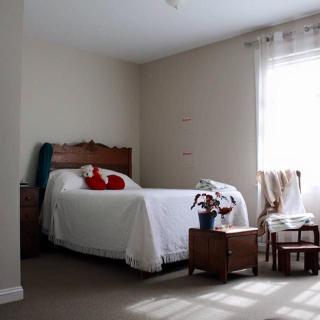
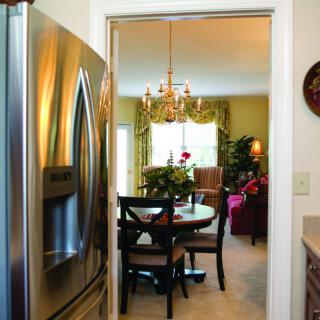
 Friendly, compassionate staff; clean, home-like environment with engaging activities.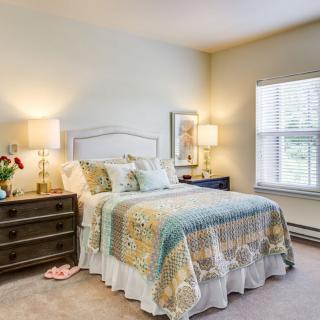


 Is Assisted Living Deductible on Your Taxes? Understanding the Complexities of Assisted Living Expenses and Deductions
 Assisted Living Support for Veterans: A Complete and Detailed Overview
 Exploring the Contrasts Between Assisted Living and Skilled Nursing