Carolina Estates Gracious Retirement Living Costs & Pricing
At Carolina Estates Gracious Retirement Living, the monthly costs present a competitive advantage compared to both Guilford County and the broader context of North Carolina. For instance, a studio apartment is priced at $2,425, significantly lower than the county average of $3,941 and the state average of $4,020. Likewise, the one-bedroom option is available for $3,275, which not only undercuts Guilford County's rate of $3,554 but also offers an appealing alternative to the state's average of $4,055. The two-bedroom accommodations are priced at $4,095; although this is slightly above Guilford's average of $4,552, it remains more affordable when juxtaposed with North Carolina's overall median cost of $4,245. These pricing structures highlight Carolina Estates as a cost-effective choice for retirees seeking quality living arrangements in a vibrant community.
Floor plans
Carolina Estates Gracious Retirement Living
Guilford County
North Carolina
Studio
$2,425
$3,941
$4,020
1 Bedroom
$3,275
$3,554
$4,055
2 Bedrooms
$4,095
$4,552
$4,245
Independent Living communities with a similar price nearby
Overall Review of Carolina Estates Gracious Retirement Living
differentiator4 reviews mention this
24/7 responsive managers
Residents describe getting help quickly from staff on call, including situations that happen overnight.
A recurring point in the reviews is that help feels close at hand. One resident describes managers living on site and responding seamlessly during a nighttime medical situation, and another family member says staff were always reachable. Residents also describe staff accommodating requests like bringing meals when needed, and the community’s care coordination shows up as well, including assistance with medical transportation.
common6 reviews mention this
Clean, well-kept building
Multiple reviews highlight that the community stays clean and well maintained.
Cleanliness is a strong, repeated theme across reviews. Residents and visitors mention the facility being very clean and bright, with an overall environment they describe as well kept and maintained. There are also a couple of mentions that quality can vary in certain shared spaces, but the larger pattern residents report is that the building is regularly cared for.
common7 reviews mention this
Meals are a major focus
Meals and dining service get a mix of praise and specific complaints from residents.
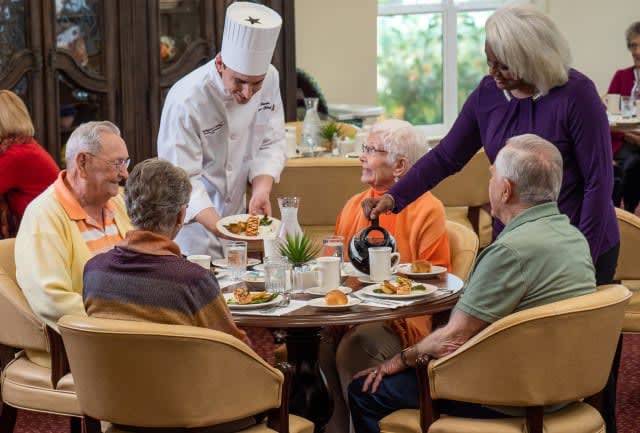
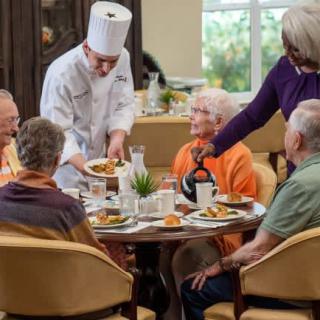
Food quality shows up often, with many residents saying the meals are very good and that the dining experience includes choices and variety. Some reviews specifically call out professional staff in the dining room and coffee being served with meals. Others mention problems such as food not meeting expectations at times, or complaints about certain meal items and hearing-related setup, so dining satisfaction is not perfectly consistent.
common6 reviews mention this
Plenty of activities and outings
Residents describe an active schedule with activities and help getting out for appointments and errands.
Reviews commonly describe the community as offering lots of activities, including group events and resident-friendly options like games and music. Families also highlight transportation support for doctors’ appointments and errands, and several mentions point to outings and community-sponsored events. Together, this matches the community’s listed activity programming and transportation arrangement for medical visits.
differentiator5 reviews mention this
Value and inclusive pricing
Families often describe the overall price as fair, with fewer surprises because key items are included.
Pricing comes up repeatedly as part of the day-to-day value residents and families are weighing. Some reviews mention a reasonable rate for what’s included, saving money compared with expectations, and no financial surprises when moving in. This lines up with the community’s pricing positioning being substantially below county and state benchmarks across unit types.
How we summarize
Counts show how many written reviews mention each theme; a review can touch several themes, and only frequently mentioned themes are displayed.
Features
Housing
21 resident community capacity
1-bedroom apartments
2-bedroom apartments
Studio apartments
Types of Care
Independent Living
Pets
Cats allowed
Dogs allowed
Amenities
Activities off-site
Activities on-site
Beautician on-site
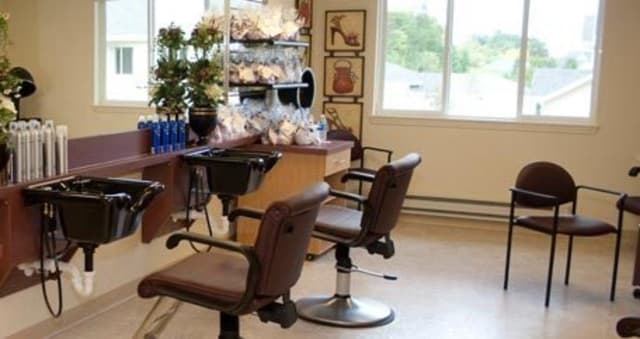
Beauty salon
Cable or satellite TV
Devotional services off-site
Devotional services on-site
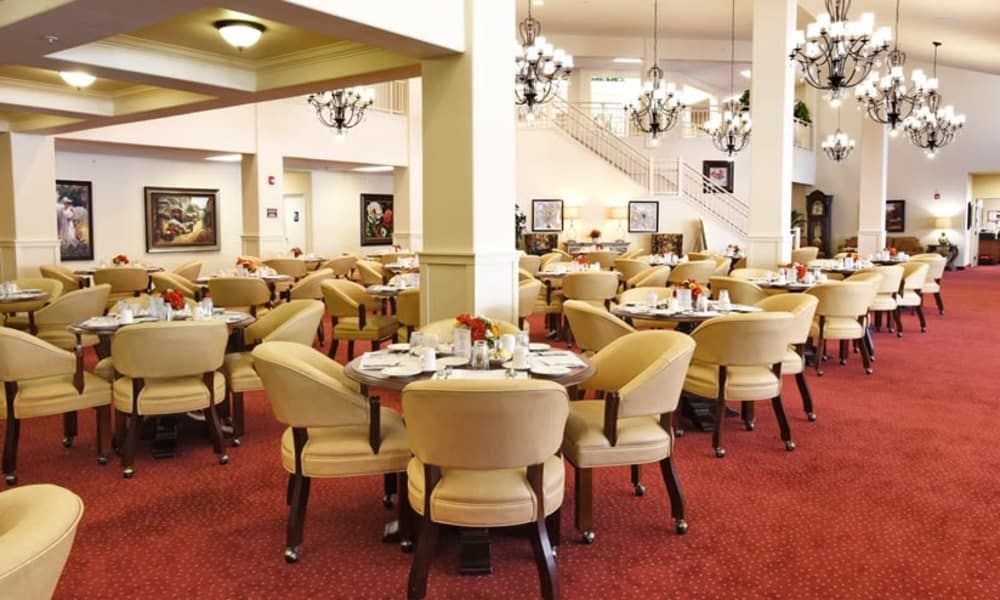
Dining room
Fully furnished
Garden
Housekeeping services
Indoor common areas
Kitchenette
Move-in coordination
Outdoor common areas
Outdoor space
Telephone
Wheelchair accessible showers
Wi-Fi/high-speed internet available
Transportation
Piedmont Triad International (6 miles away)
Care Services
24-hour call system
24-hour supervision
Activities of daily living assistance
Assistance with bathing
Assistance with dressing
Assistance with transfers
Coordination with health care providers
Hospice waiver
Meal preparation and service
Medication management
Mental wellness program
Transportation arrangement (medical)
Transportation to doctors appointments
Dining
Diabetes diet
Meals provided
Special dietary restrictions
Activities
Activities off-site
Activities on-site
Community-sponsored activities
Day trips and outings
Devotional activities offsite
Devotional activities on-site
Resident-run activities
Scheduled daily activities
Nearby Places of Interest
This area of Greensboro, North Carolina offers a convenient location with easy access to various amenities such as restaurants, cafes, pharmacies, physicians, theaters, places of worship, and hospitals. There are several dining options within a short distance including fast food chains like Taco Bell and McDonald's, as well as coffee shops like Starbucks and Panera Bread. Medical facilities like Skin Surgery Center and Eagle Family Medicine provide healthcare services in close proximity. The neighborhood also features recreational spots like parks and the Salem Lake Trail for outdoor activities. Overall, this area provides a mix of conveniences and services that may be beneficial for seniors looking for a vibrant community with easy access to essential resources.
Restaurants
Taco Bell (0.5 miles)
Wendy's (0.7 miles)
Cook Out (1.4 miles)
McDonald's (1.6 miles)
Kickback Jack's (2.3 miles)
McDonald's (2.7 miles)
KFC (3.3 miles)
Cafes
Starbucks (0.8 miles)
Starbucks (2.1 miles)
Panera Bread (3.3 miles)
Caribou Coffee (4 miles)
Starbucks (4.1 miles)
Starbucks (6.4 miles)
Panera Bread (9.6 miles)
Physicians
Skin Surgery Center (0.9 miles)
LeBauer HealthCare at Brassfield (0.9 miles)
Eagle Family Medicine at Brassfield (1 miles)
Nh New Garden Med Asso (1.1 miles)
Southeastern Eye Center Add to Favorites (1.4 miles)
Northwest Pediatrics (2.1 miles)
Carolina Surgical Arts (2.9 miles)
Theaters
Regal Greensboro Grande & RPX (3.9 miles)
AMC CLASSIC Greensboro 18 (6.4 miles)
Regal Palladium & IMAX (9.4 miles)
Places of Worship
Christ United Methodist Church (4.1 miles)
Lindley Park Baptist Church (5 miles)
Pinecroft Baptist Church (8.4 miles)
Immaculate Heart of Mary Catholic Church (11.7 miles)
At Carolina Estates Gracious Retirement Living, the monthly costs present a competitive advantage compared to both Guilford County and the broader context of North Carolina. For instance, a studio apartment is priced at $2,425, significantly lower than the county average of $3,941 and the state average of $4,020. Likewise, the one-bedroom option is available for $3,275, which not only undercuts Guilford County's rate of $3,554 but also offers an appealing alternative to the state's average of $4,055. The two-bedroom accommodations are priced at $4,095; although this is slightly above Guilford's average of $4,552, it remains more affordable when juxtaposed with North Carolina's overall median cost of $4,245. These pricing structures highlight Carolina Estates as a cost-effective choice for retirees seeking quality living arrangements in a vibrant community.
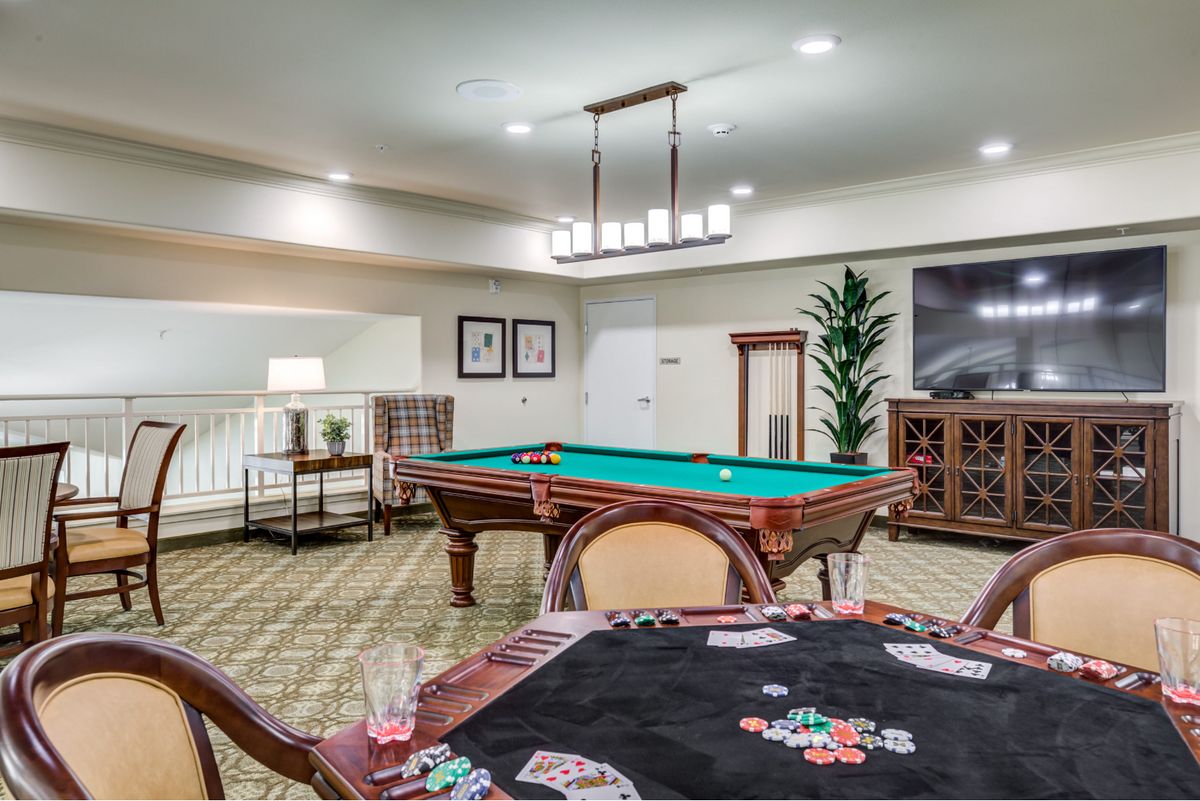
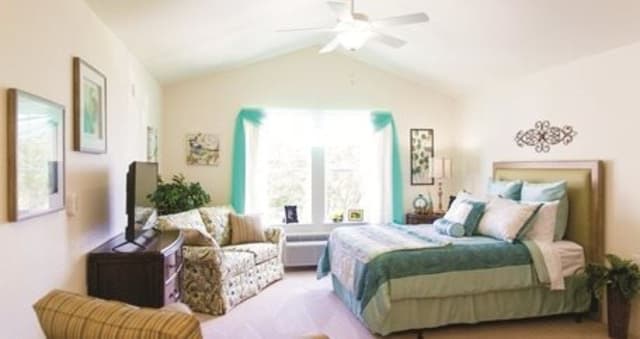
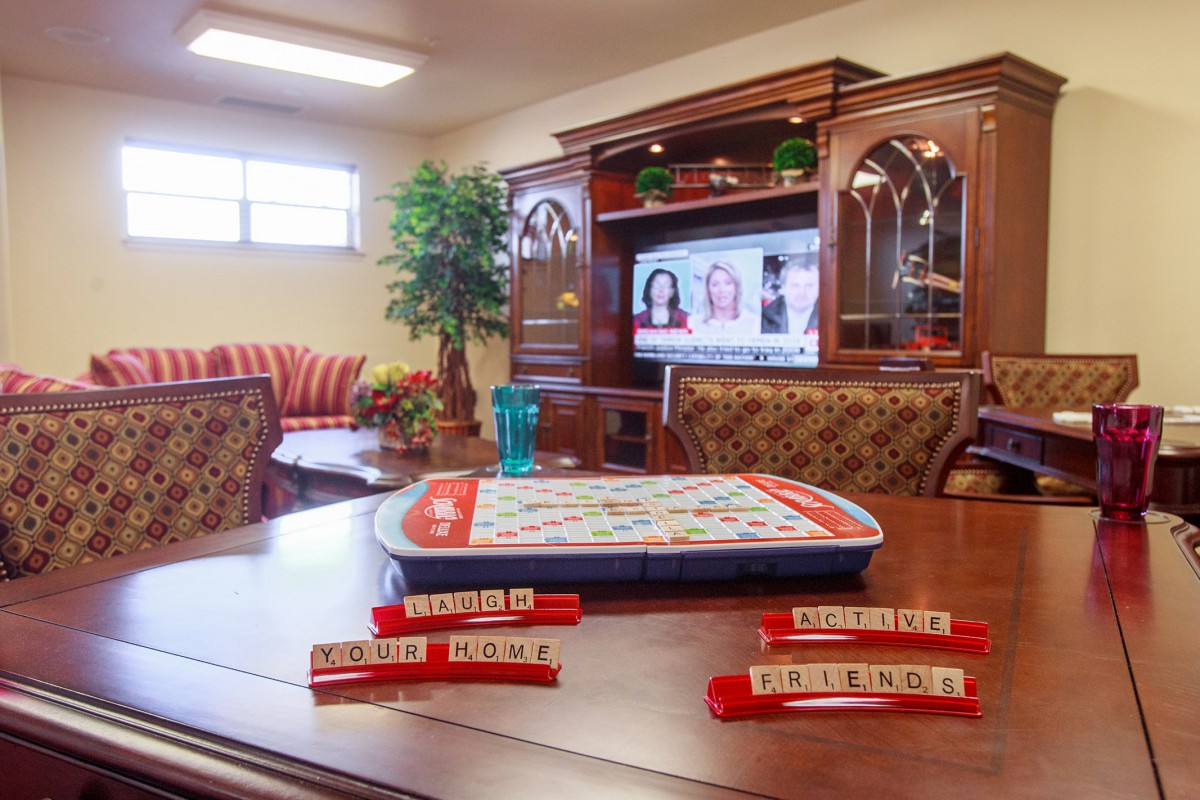
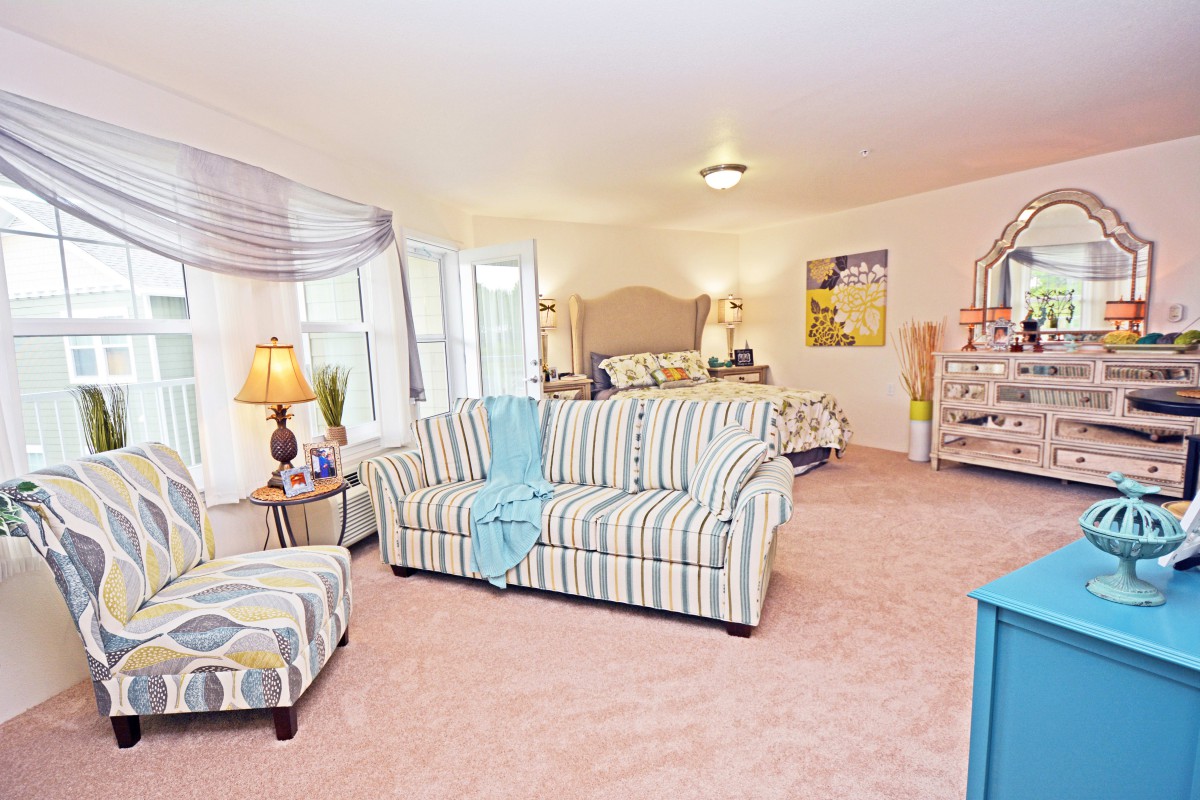
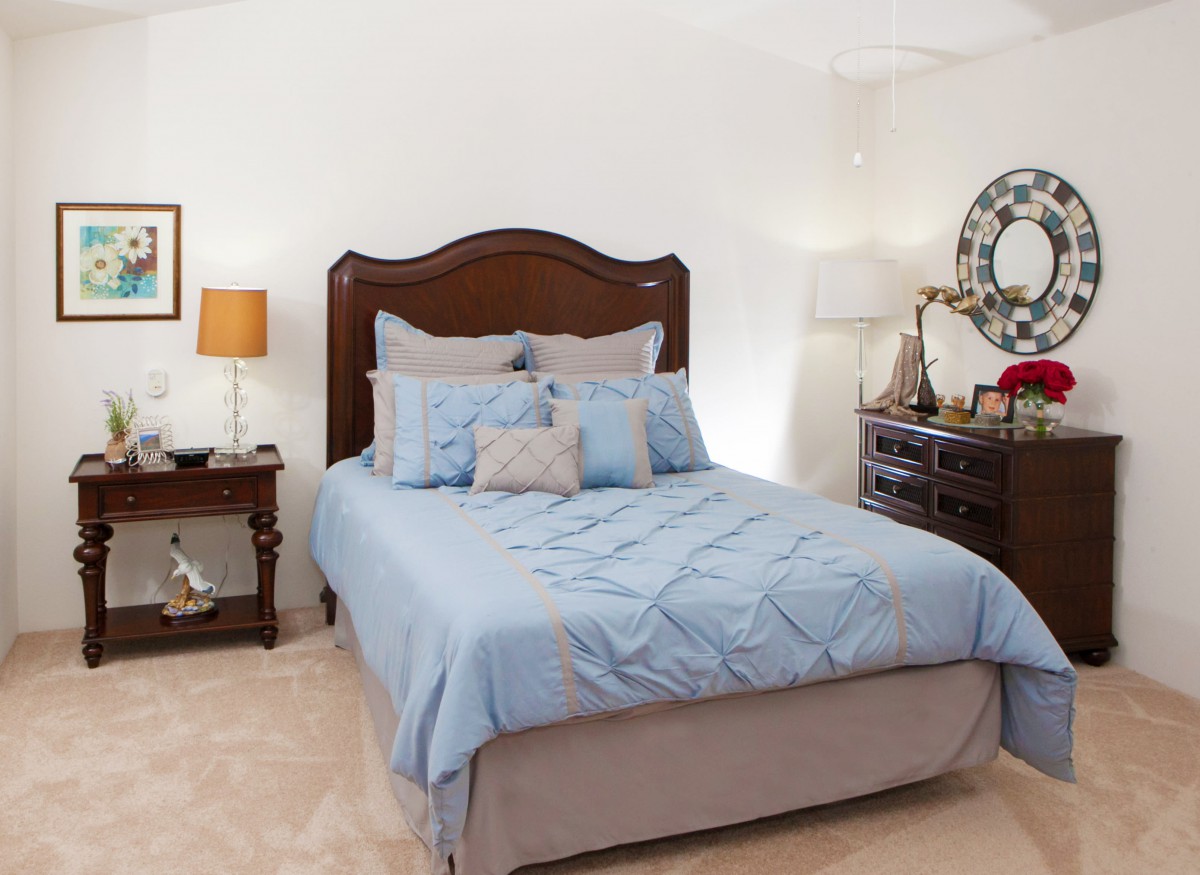
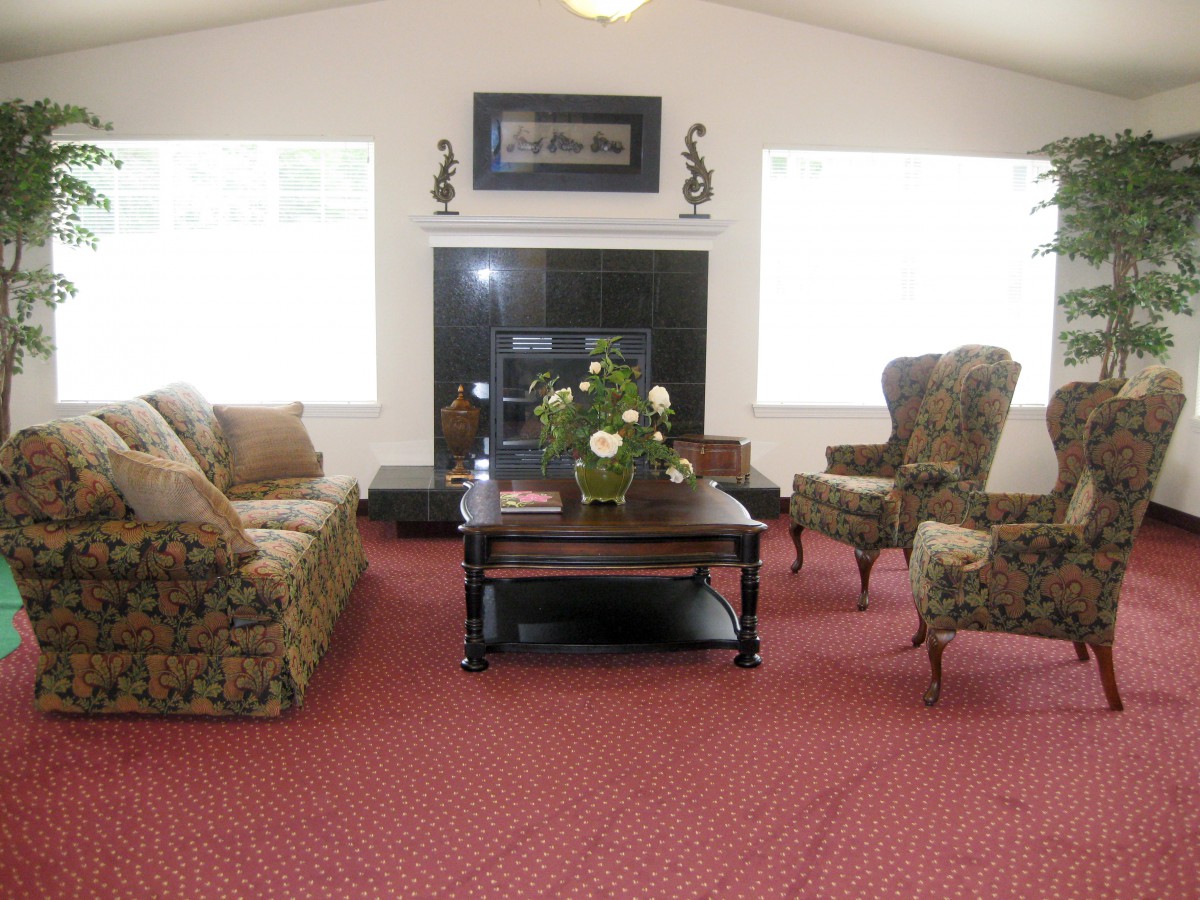
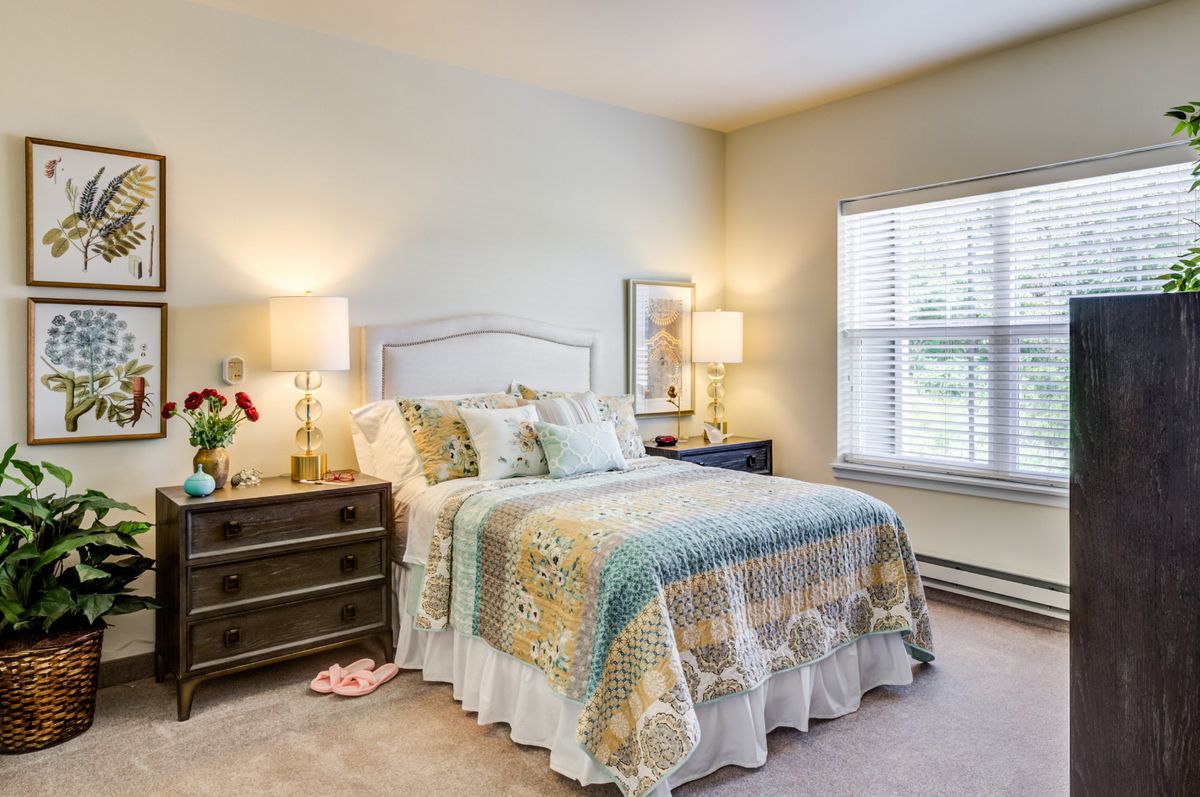
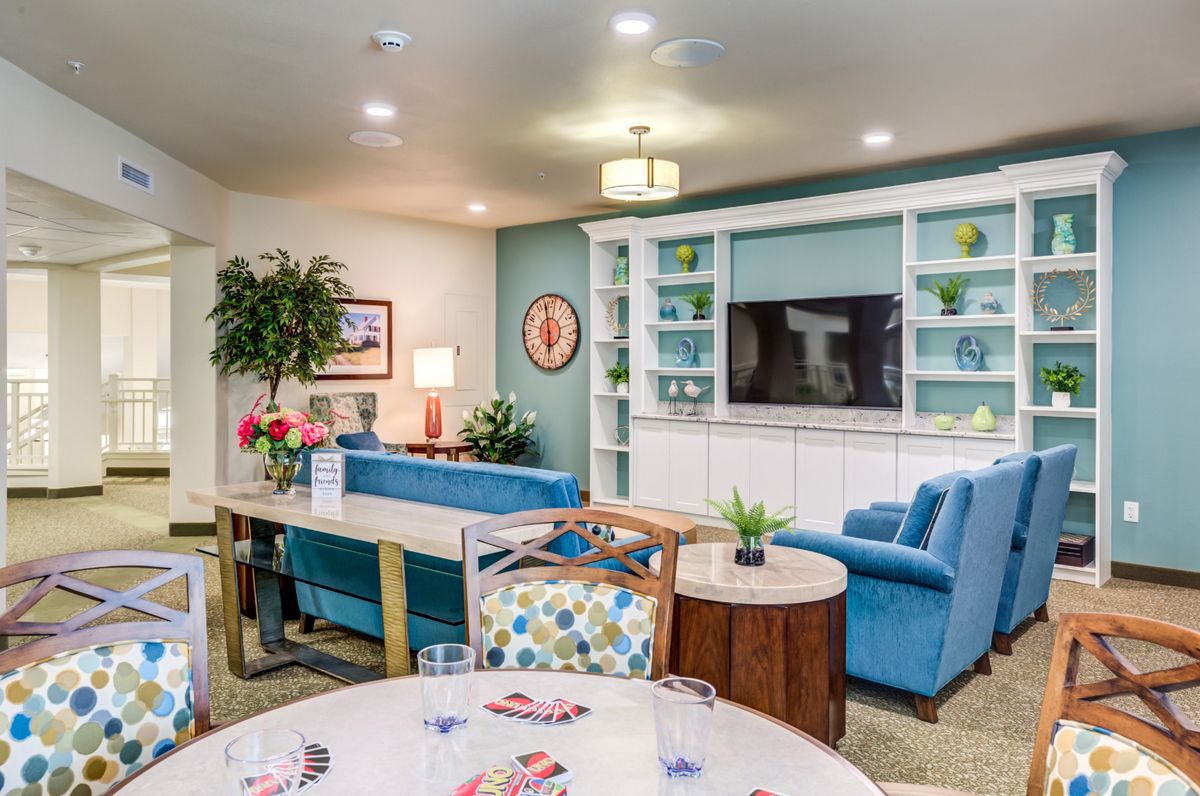
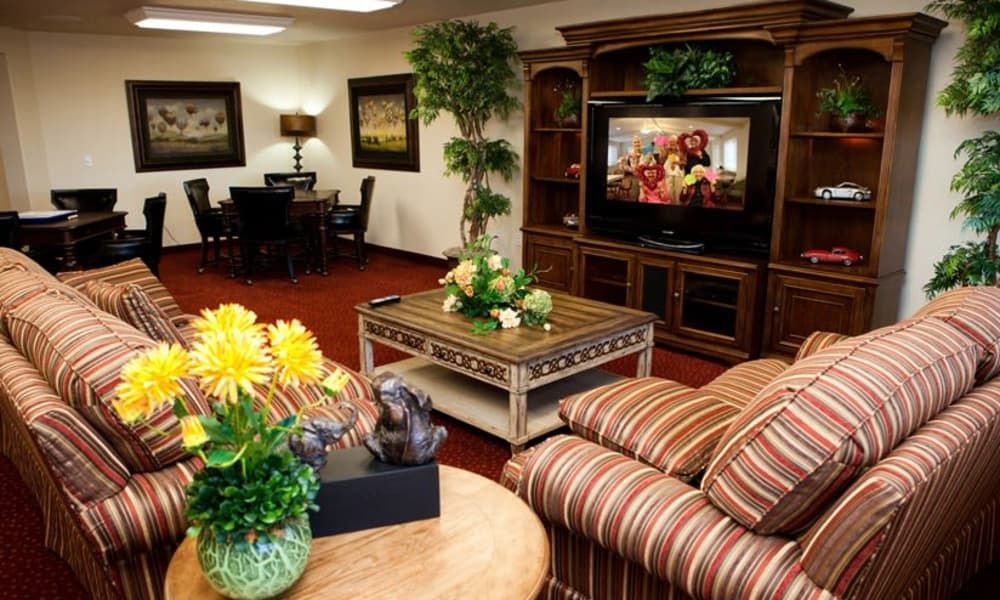
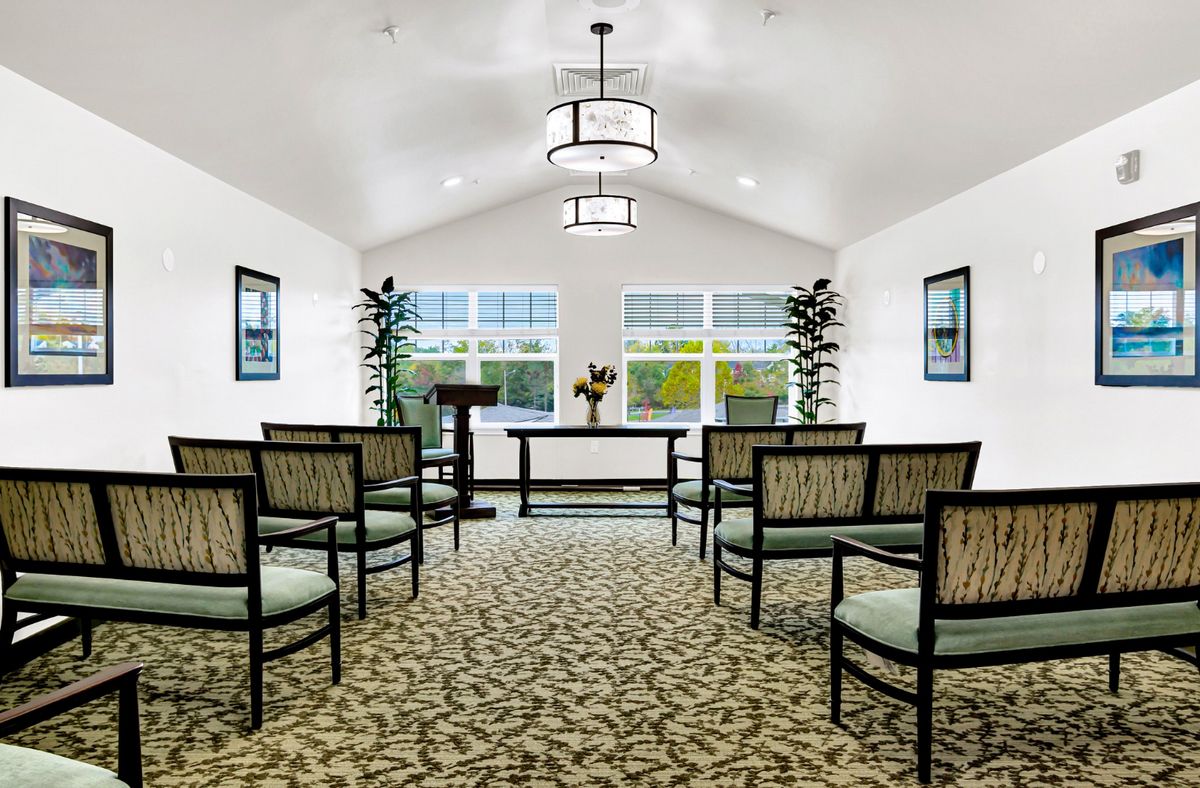
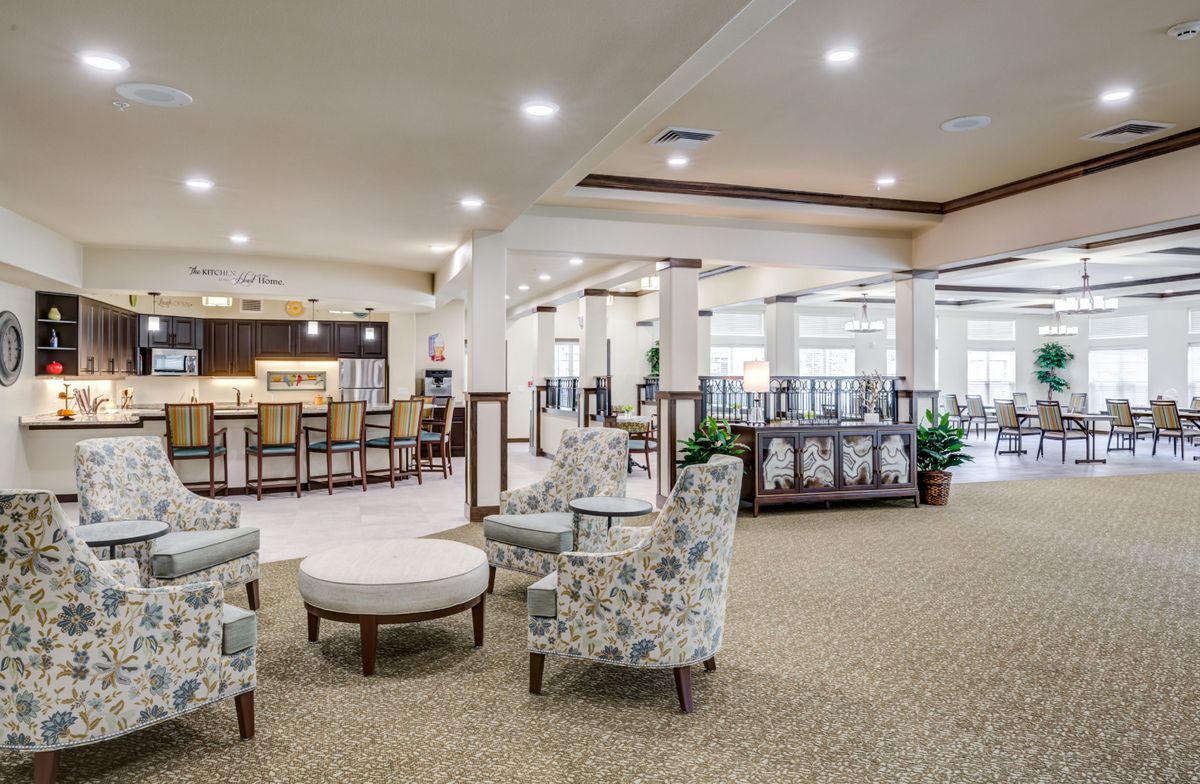
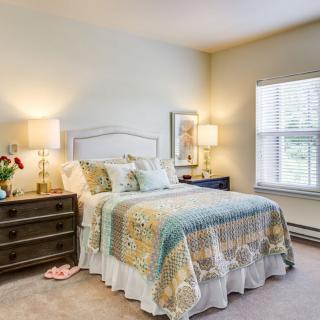
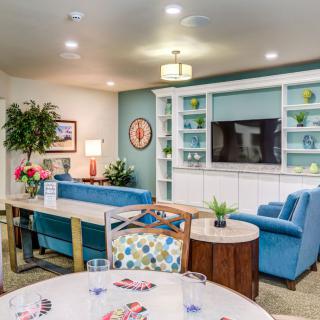
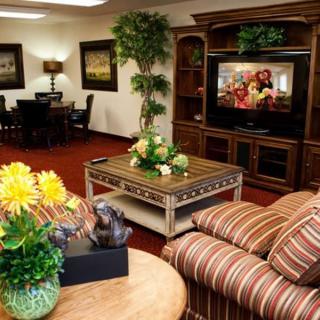
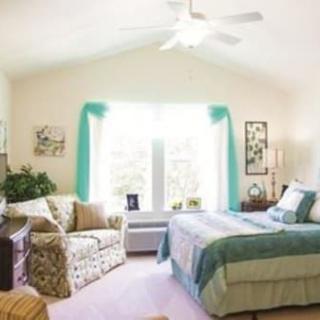
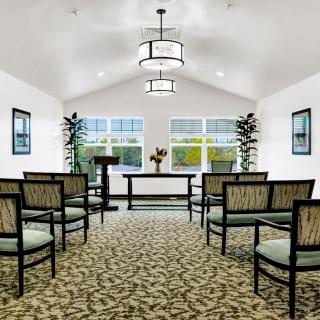
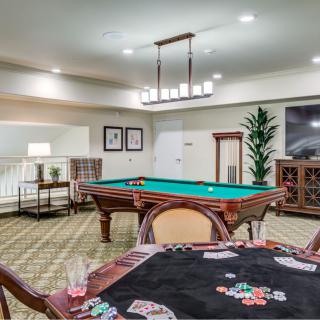
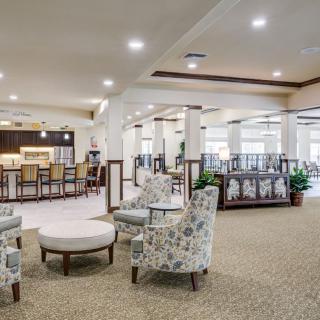
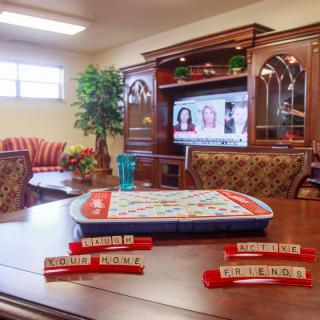
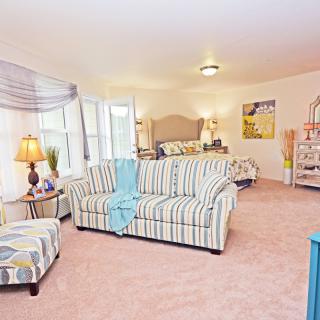
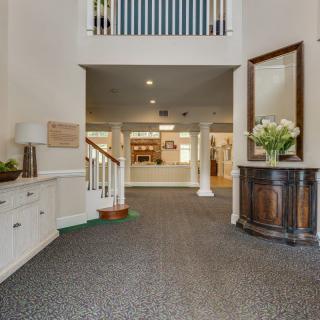
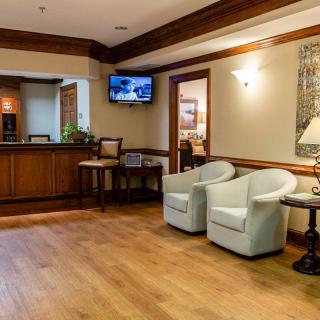
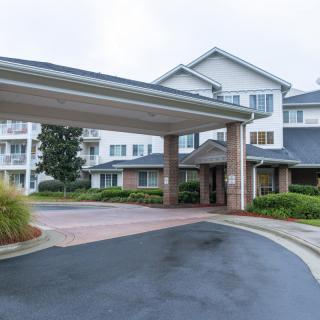
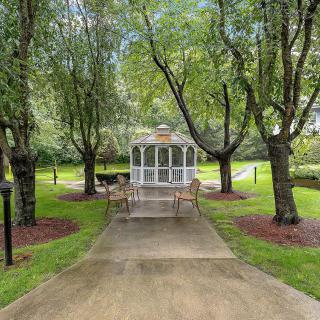
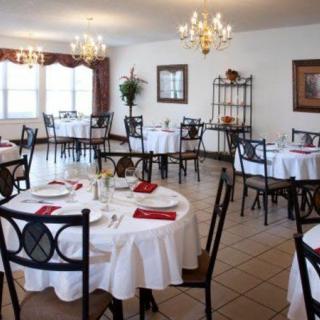
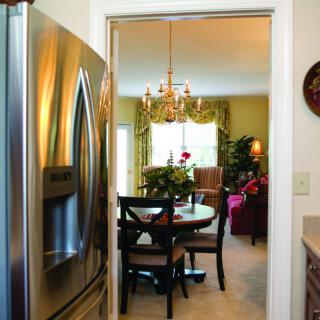
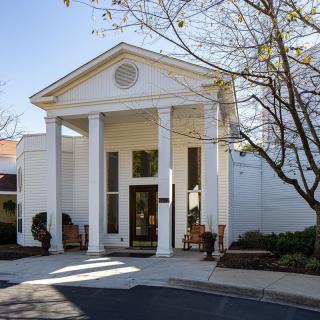
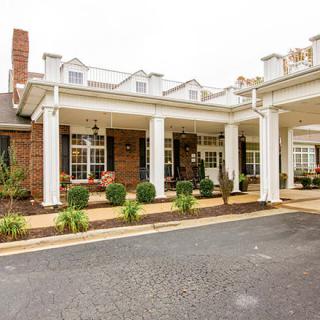
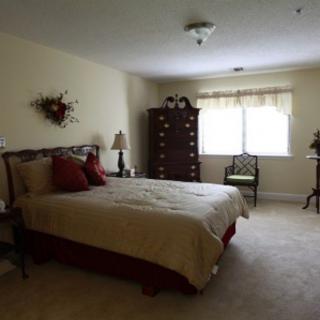
Carolina Estates Gracious Retirement Living on seniors.fyi includes 16 photos including images showing interior, decor, bedroom, living room, dining, windows, television, natural light, and more.
Nearby Communities
Friendship Care
Greensboro, NC
4.3 from 56 reviews
$1,800 to $2,800 / month
Competitive, affordable pricing for studio and 1BR units.
Spring Arbor of Greensboro
Greensboro, NC
4.3 from 95 reviews
$3,995 to $5,825 / month
Friendly, compassionate staff; clean, home-like environment with engaging activities.
Well-Spring Retirement Community
Greensboro, NC
4.7 from 80 reviews
Beautiful campus with diverse activities and strong skilled-nursing care.
The Carillon
Greensboro, NC
4.5 from 27 reviews
$662 / month
Strong sense of community with engaging activities and friendly staff.
Brookdale Lawndale Park
Greensboro, NC
4.1 from 85 reviews
$2,750 to $6,490 / month
Caring, friendly staff with engaging activities in a clean, well-maintained setting.
Harmony at Greensboro
Greensboro, NC
4.5 from 120 reviews
$3,395 to $6,200 / month
Friendly, attentive staff in a well-maintained community.
Blumenthal Nursing & Rehabilitation Center
Greensboro, NC
3.8 from 102 reviews
Caring frontline staff in a pleasant, activity-rich environment.
Friends Homes At Guilford
Greensboro, NC
4.2 from 65 reviews
Professional staff, a newly remodeled facility, and extensive amenities with good dining.
Medicare covers in-home health care services, which are medical and provided by licensed professionals under a physician's supervision, whereas non-medical personal assistance is generally not covered unless part of a broader skilled care plan. Eligibility for benefits depends on being homebound and needing intermittent skilled services from a Medicare-certified agency, with specific coverage limitations and additional resources available for navigating options.
In-home care is increasingly sought after by older adults for maintaining independence, with average private home care rates in 2025 varying by state and service type, reflecting geographical and local labor market influences. As demand rises, families are considering funding options like Medicaid waivers and long-term care insurance to manage costs effectively while ensuring quality care.
Home health care has become essential for supporting independence among the aging population, offering diverse services such as skilled nursing and rehabilitation in familiar environments, while also incorporating technology for personalized care. Despite its benefits, including improved recovery rates and emotional well-being, challenges like safety, staff availability, and insurance navigation must be managed for effective implementation.
Carolina Estates Gracious Retirement Living photos
×
Interior
Decor
Living Room
Bedroom
Windows
Dining
Lighting
Seating Area
Television
Natural Light
Salon
Interior
Decor
Bedroom
Dining
Living Room
Windows
Lighting, Billiards, and Game Room
Television
Chandelier
Seating Area, Lobby, and Spacious
Salon
Natural Light
Seating and Chapel
Indoor Plants
Get PricingAsk A QuestionSchedule A TourContact Senior Advisor
By clicking submit, you agree to our Partner's Terms of Use. You
also consent to receive calls and texts, which may be autodialed, from our Partner. Your consent is not a condition to
using our Partner's service. Please visit our Partner's Privacy Policy for information about their privacy practices.



 21 resident community capacity
 1-bedroom apartments
 Independent Living
 Cats allowed
 Dogs allowed
 Activities off-site
 Beautician on-site
 Cable or satellite TV
 Devotional services off-site
 Dining room
 Fully furnished
 Garden
 Housekeeping services
 Indoor common areas
 Kitchenette
 Move-in coordination
 Outdoor common areas
 Telephone
 Wheelchair accessible showers
 Wi-Fi/high-speed internet available
 Piedmont Triad International (6 miles away)
 24-hour call system
 Assistance with bathing
 Assistance with dressing
 Assistance with transfers
 Hospice waiver
 Meal preparation and service
 Medication management
 Mental wellness program
 Transportation arrangement (medical)
 Transportation to doctors appointments
 Diabetes diet
 Special dietary restrictions
 Day trips and outings
 Competitive, affordable pricing for studio and 1BR units.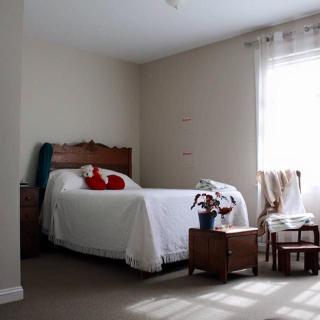


 Navigating Medicare Coverage for In-Home Care Services
 In-Home Care Costs in 2025: A Detailed State-by-State Exploration
 Understanding Home Health Care: A Comprehensive Guide