Guilford House in Greensboro, NC

Save

  • Interior

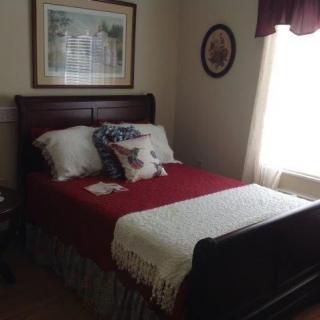
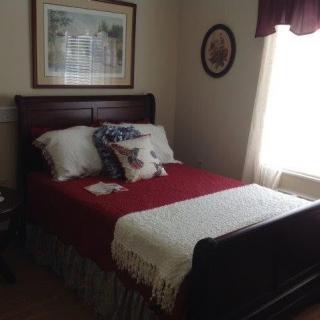
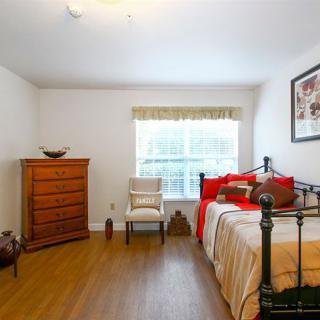
    A cozy bedroom with a neatly made bed and daylight streaming through the window.
  • Decor

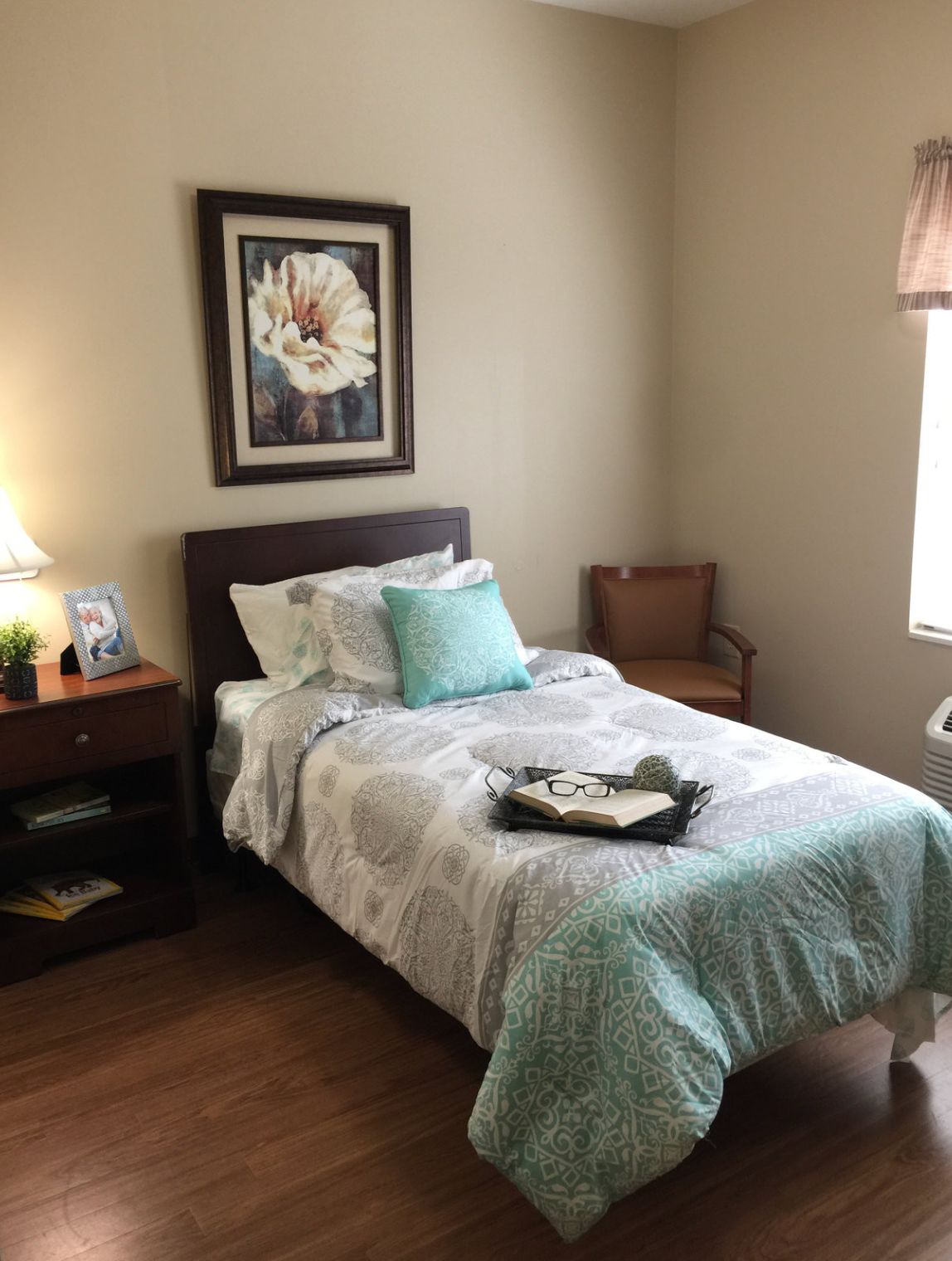
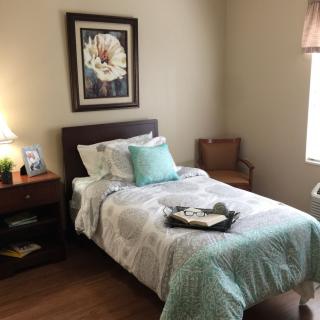
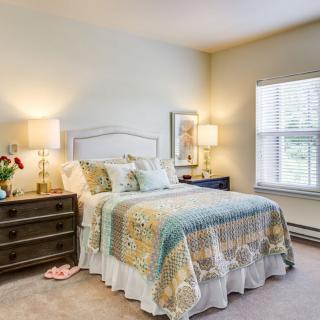
    A cozy bedroom with a single bed, decorative pillows, a flower painting above the bed, and a nightstand with a lamp.
  • Living Room

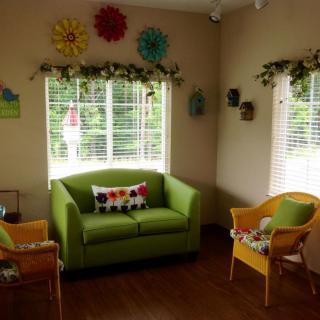
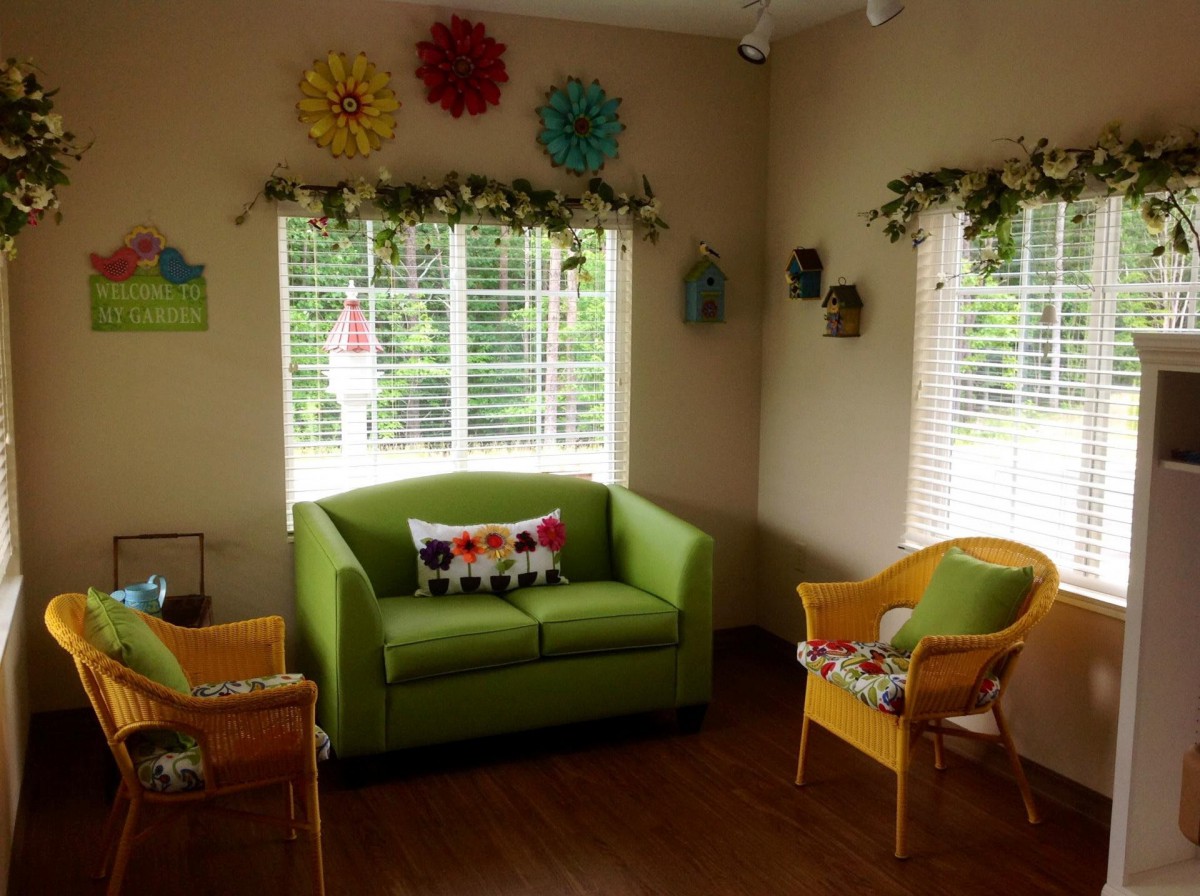
    A cozy living room with a green couch and yellow chairs, featuring colorful decorations and ample natural light from the windows.
  • Building

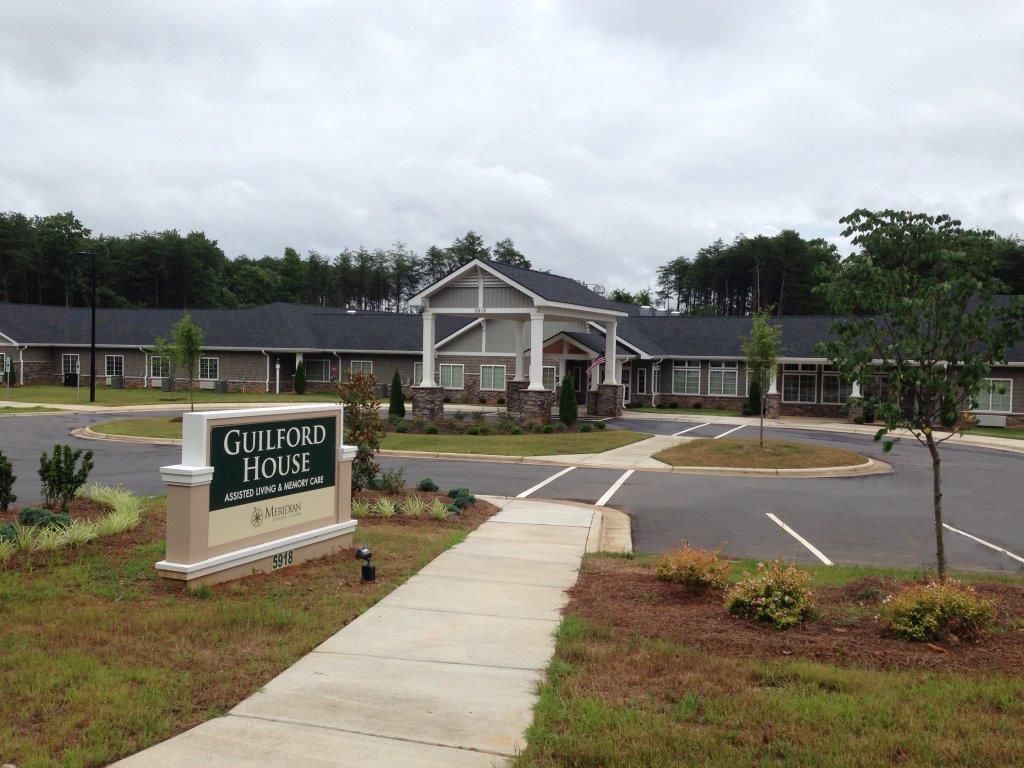
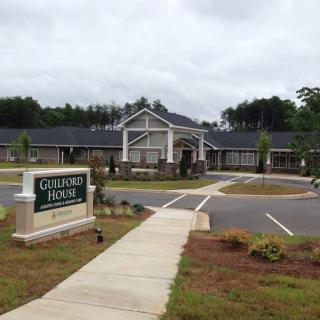
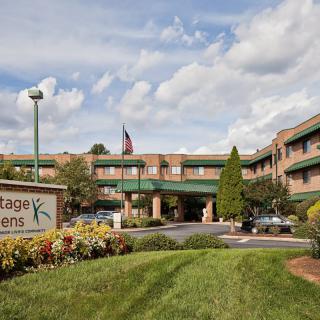
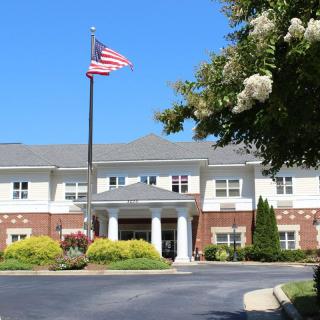
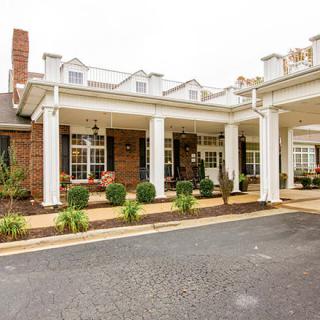
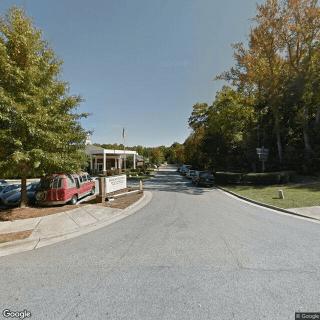
    Entrance to a building with a driveway and sign.
  • Bedroom

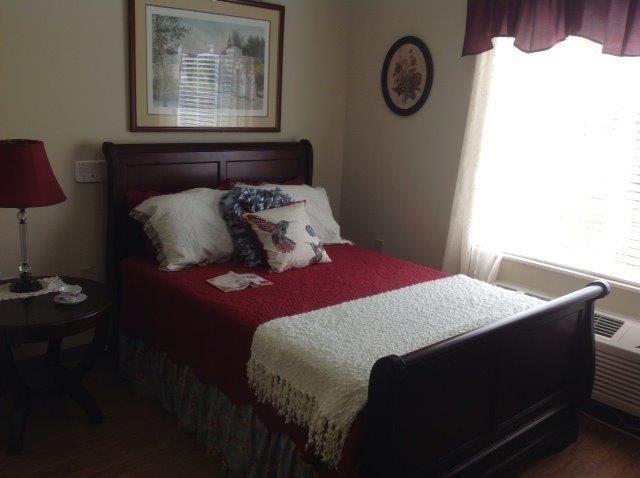
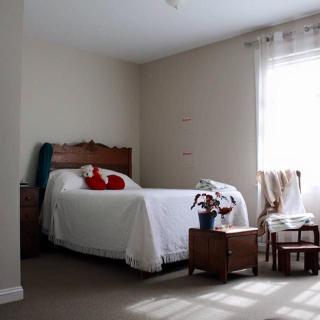
    A cozy bedroom with a neatly made bed, decorated with pillows and a throw blanket, illuminated by natural light from a window.
  • Dining

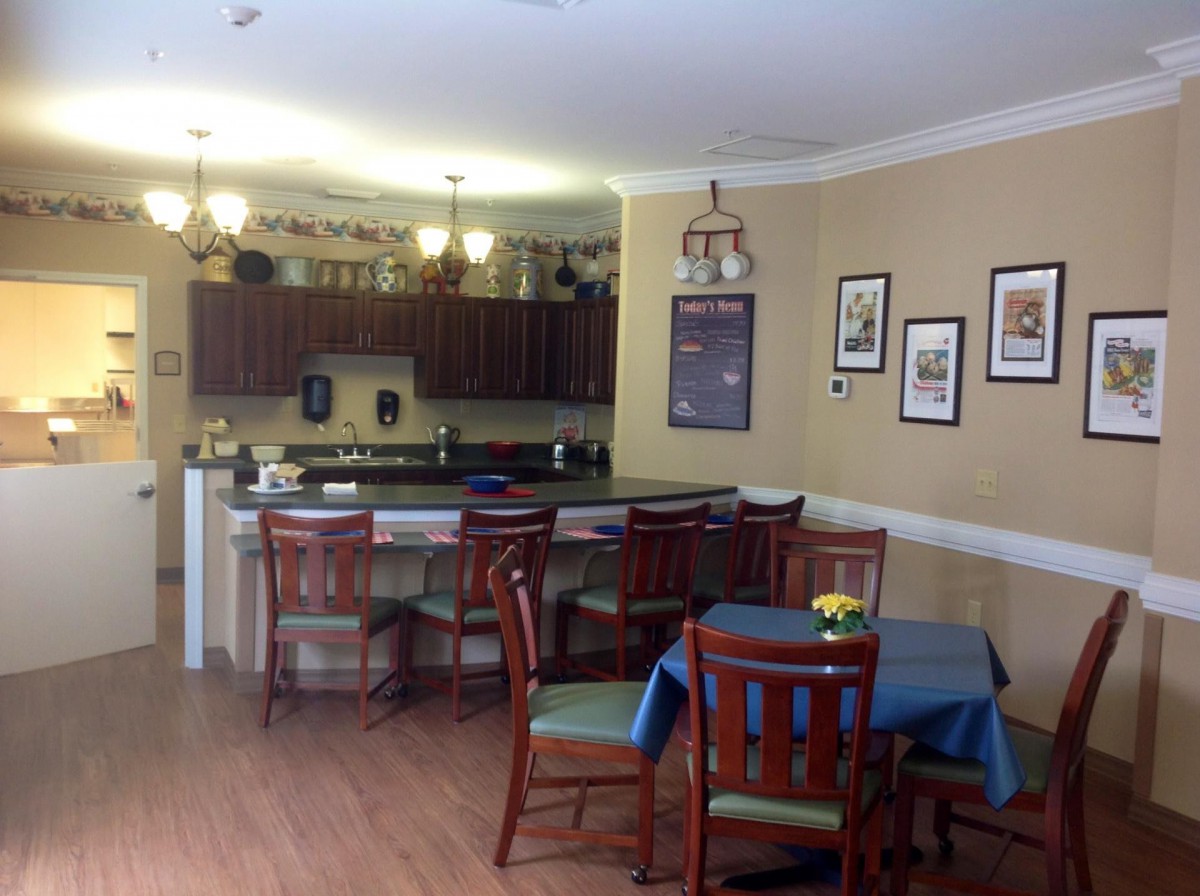
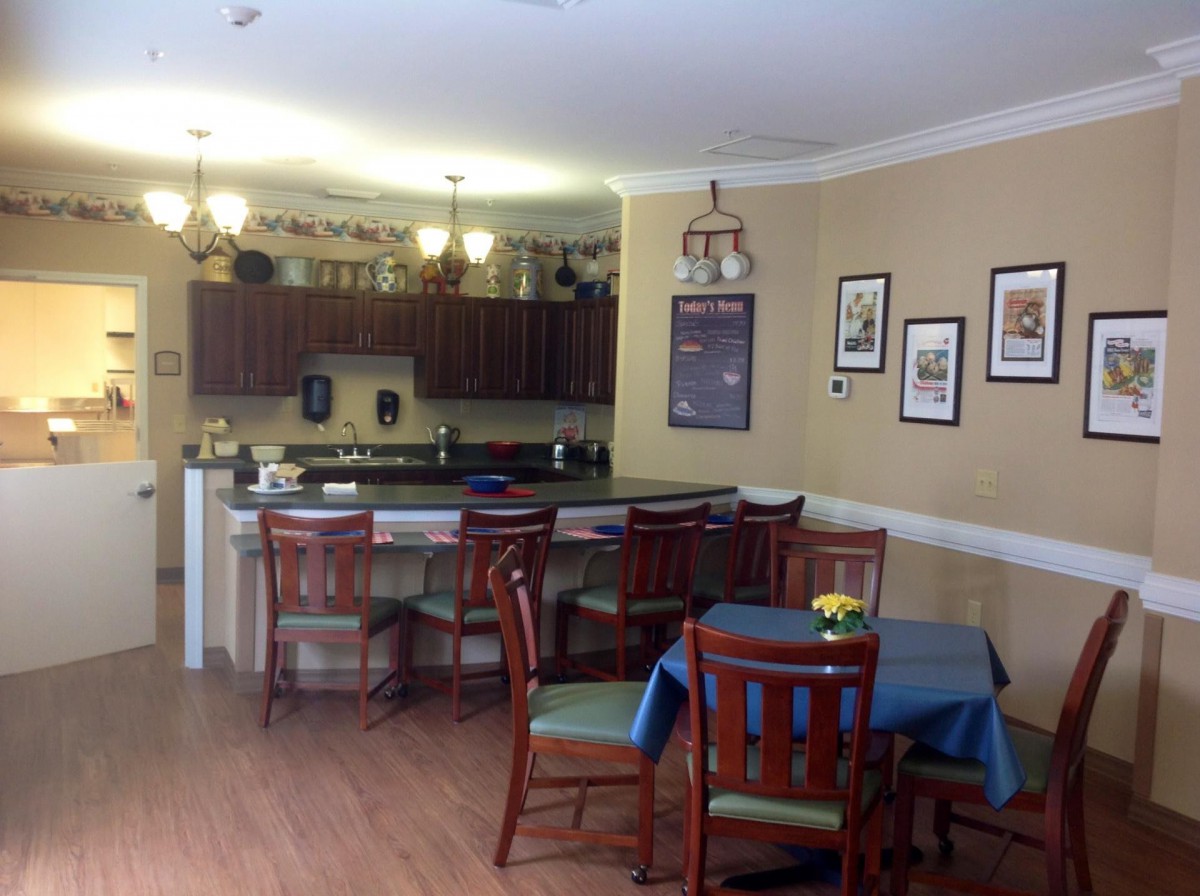
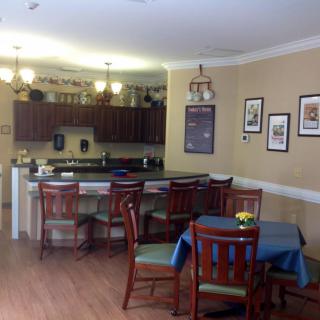
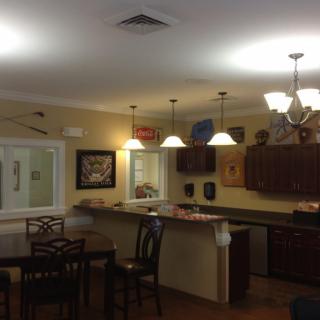
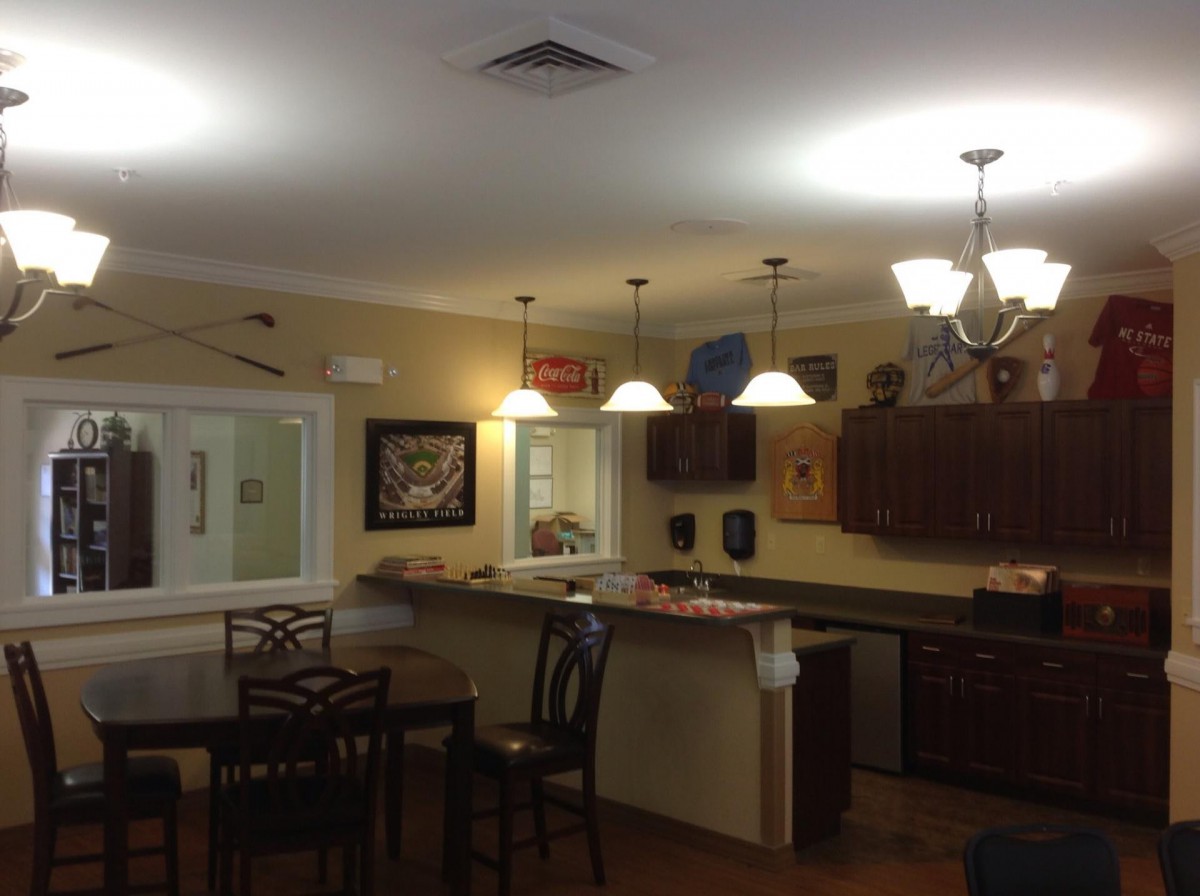
    A cozy dining area with a kitchen bar, wooden chairs, and framed artwork on the walls.
  • Kitchen

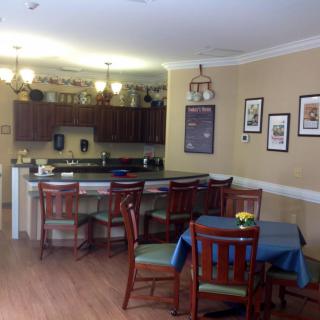
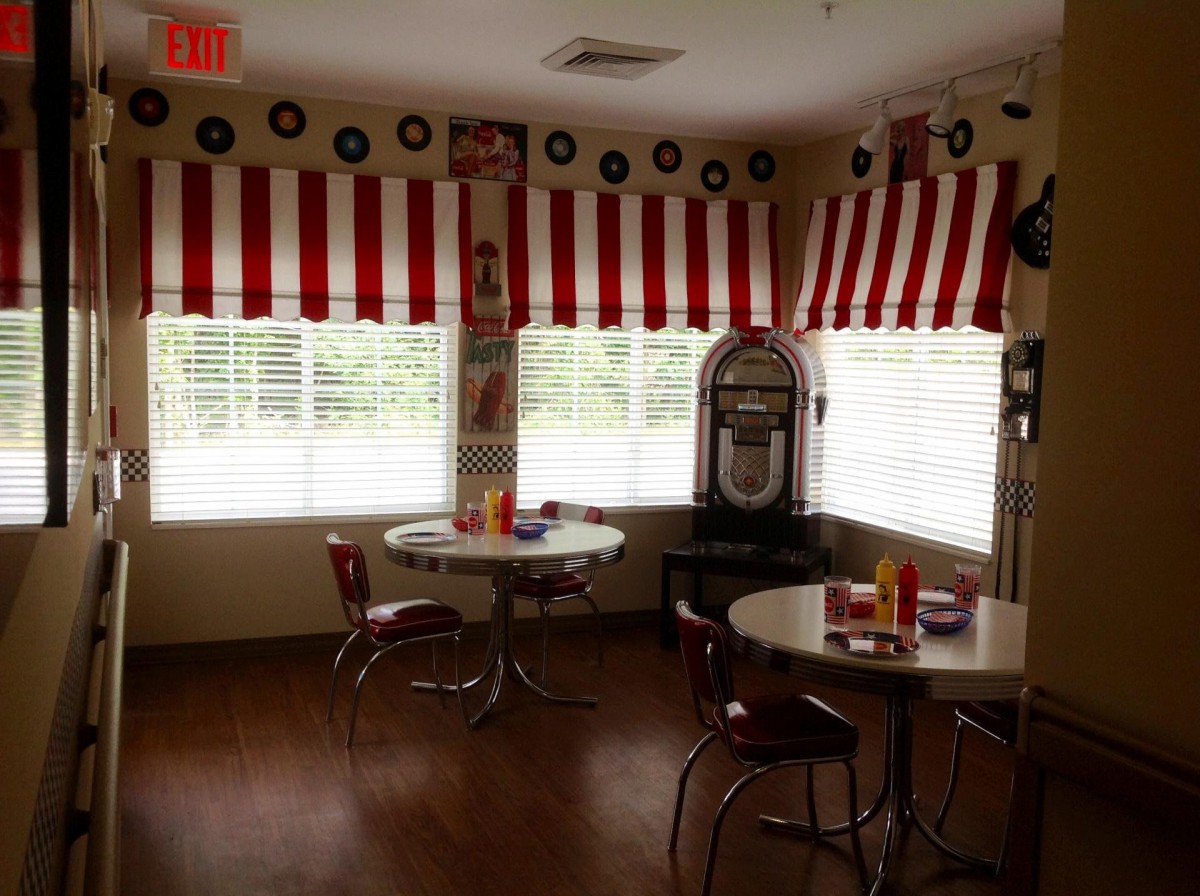
    A cozy kitchen and dining area with wooden furniture and warm lighting.
  • Artwork

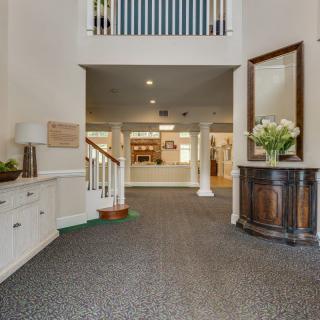
    A waiting room interior featuring framed artwork, two chairs, and decorative plants.
  • Lighting Fixtures

    A cozy kitchen and dining area with a bar counter, wooden cabinets, and various lighting fixtures.

Guilford House in Greensboro, NC

5918 Netfield Road, Greensboro, NC 27455

For more information about senior living options: (844) 490-3973

3.7 from 44 reviews
5 stars
22
4 stars
9
3 stars
1
2 stars
3
1 stars
9

Assisted Living Memory Care

Guilford House Costs & Pricing

Guilford House offers competitive pricing for its residents, particularly when compared to the broader market in Guilford County and North Carolina. For a semi-private room, the cost at Guilford House is $2,900 per month, which presents a substantial savings when contrasted with the county average of $3,673 and the state average of $3,584. Similarly, those opting for a studio at Guilford House will pay $3,550 monthly - again more affordable than the county's average of $3,941 and the state's $4,020. This positioning not only emphasizes Guilford House's commitment to accessibility but also reflects its value in providing quality care within a supportive environment.

Floor plansGuilford HouseGuilford CountyNorth Carolina
Semi-Private$2,900$3,673$3,584
Studio$3,550$3,941$4,020

What level of care are you interested in?

Assisted Living

Memory Care

Independent Living

Skilled Nursing Facility

Continuing Care Retirement Community (CCRC)CCRC

Other


Request a tour at Guilford House

    Overall Review of Guilford House

    Pros

    • pro Guilford House is a top-notch community with a consistently clean environment.
    • pro The staff at Guilford House are friendly, welcoming, and engaging.
    • pro The facility feels like home and the staff are knowledgeable and caring.
    • pro Families feel confident in the facility's ability to care for their loved ones.
    • pro The facility is newer, nicely designed, and always clean.
    • pro The environment is warm and inviting, with staff who go above and beyond for all residents.
    • pro There are meaningful activities and programs, and residents participate and enjoy them.
    • pro The transition for new residents is smooth, with staff guiding through paperwork and coordinating services.
    • pro The facility has top marks from the state, reflecting quality care.
    • pro The smaller, intimate setting provides all necessary amenities and a pleasant atmosphere.

    Cons

    • pro The staff are rude and disrespectful toward residents.
    • pro The administrator is abrasive and unempathetic.
    • pro There is no effective communication between shifts and a lack of accountability.
    • pro Care is inconsistent and borders on blatant neglect.
    • pro The facility is understaffed on weekends, leaving residents alone and unattended.
    • pro The meals are unappealing and of poor quality.
    • pro Falls are often unwitnessed due to staff shortages.
    • pro Some reviewers label the facility a disgrace to the memory care industry.
    • pro Residents report that staff have used inappropriate language toward them, including racial slurs.

    Review

    Guilford House in Greensboro is best suited for families seeking a small, one-level, newer senior living community where cleanliness, warmth, and a genuinely home-like atmosphere drive daily life. This is especially true for residents who primarily need routine assisted living with the added support of memory-care services, and for families who value personal connections with staff and a setting that feels intimate rather than institutional. When tours go well, the staff members - names that recur in strong, positive feedback - can make residents feel known, involved, and cared for, and the facility's bright, clean environment reinforces that sense of welcome.

    That said, certain families should consider alternatives. The most persistent cautions center on staffing reliability and leadership behavior. Multiple reviewers raise concerns about rude or abrasive communication from administrators and frontline supervisors, inconsistent shift coverage, and noticeable gaps in accountability and communication between shifts. Weekend understaffing and reports of neglect-like scenarios have been described by some visitors and family members, along with complaints about medication delays and rooms not being cleaned promptly. For families whose top priority is ironclad consistency, prompt responsiveness, and a consistently respectful leadership tone, Guilford House may not deliver.

    On the plus side, the core advantages are tangible and meaningful. The building is consistently described as very clean, modern, and odor-free, with a welcoming, homey feel that includes accessible courtyards and a sense of nature outside. Residents are often portrayed as engaged and happy, with activities that include memory-care appropriate programming, bingo, singing, cards, and social events that foster genuine social connection. The memory-care option is recognized by families as a real asset when staff know residents and treat them with kindness, which is echoed by families who felt confident in the care level during transitions. Several reviews highlight the staff's warmth and the administrators (notably Barbara) who are perceived as personable and knowledgeable when the environment is functioning smoothly.

    Yet the same sources paint careful but sobering pictures of how things can derail. Reports of rude or unempathetic administration, and the impression that some staff view tasks as chores rather than essential care, cannot be ignored. Inconsistent communication, a culture of excuses when problems arise, and the perception that some residents are not consistently supervised or attended to - these issues undermine trust, particularly for families juggling medical needs, documentation, and personal belongings. The dining experience also comes up as a mixed point - some praise the meals as appealing and varied, while others describe meals as lacking, which matters for residents who rely on food quality for daily well-being. Finally, high staff turnover and the perception that frontline caregivers are stretched thin contribute to a sense that the "homey" advantage can be fragile if not actively managed.

    Overall, Guilford House presents a practical, attractive option for a specific profile: a small, clean, one-floor community where a resident can feel known and involved, and where memory care is integrated into an intimate setting. For families who can look past occasional staffing friction and who can perform due diligence - interviewing multiple staff members, requesting recent activity schedules, assessing meal quality, and checking references - this community can deliver meaningful daily life and a reassuring sense of continuity. The strengths - cleanliness, personal attention from a close-knit staff, a warm, home-like culture, and accessible outdoor space - can offset a great deal when the care needs align with what Guilford House naturally delivers.

    But for families prioritizing flawless reliability, unassailable ethics, and consistently proactive leadership, the concerns raised by several reviews cannot be ignored. The combination of weekend understaffing, reported rude conduct by leaders, and claims of communication gaps creates a risk profile that may be unacceptable for residents with high care needs or for loved ones requiring meticulous oversight. In such cases, alternative options with stronger staffing models, clearer accountability, and more consistent front-line care should be seriously considered. In short, Guilford House is a compelling choice for a warm, intimate, well-kept environment with strong social engagement - provided the family is comfortable with the current level of leadership accountability and staffing consistency, and conducts thorough, probing visits to confirm that day-to-day care meets expectations.

    Features

    Housing

    • 60 resident community capacity 60 resident community capacity
    • Studio apartments Studio apartmentsStudio apartments are important for seniors because they offer a smaller, more manageable living space that is easier to navigate and maintain as physical abilities decline. Additionally, studio apartments provide seniors with independence and privacy while still being part of a community that offers support and social opportunities.

    Types of Care

    • Assisted Living Assisted LivingAssisted living facilities provide crucial support and care for seniors who may need help with daily tasks such as medication management, bathing, and meal preparation. These communities offer a safe and comfortable environment where seniors can maintain their independence while receiving the assistance they need to thrive in their golden years.
    • Memory Care Memory CareMemory care is crucial for seniors as it provides specialized support and services for individuals with dementia or Alzheimer's disease. These programs offer a safe and secure environment where residents receive personalized care, cognitive stimulation, and help with daily activities. Memory care helps seniors maintain their independence, quality of life, and dignity while also providing peace of mind for their families.

    Pets

    • Cats allowed Cats allowed"Pet friendly" senior living communities are important for seniors because pets provide companionship, reduce feelings of loneliness and depression, promote physical activity and mental stimulation, and offer a sense of purpose and responsibility. Pets can improve overall well-being and quality of life for seniors in many ways.
    • Dogs allowed Dogs allowed"Pet friendly" senior living communities are important for seniors because pets provide companionship, reduce feelings of loneliness and depression, promote physical activity and mental stimulation, and offer a sense of purpose and responsibility. Pets can improve overall well-being and quality of life for seniors in many ways.

    Amenities

    • Activities off-site Activities off-siteEngaging in off-site activities is crucial for seniors to maintain social connections, stay active, and stimulate their minds. It promotes overall well-being and helps combat feelings of isolation and loneliness.
    • Activities on-site Activities on-siteActivities on-site are important for seniors because they provide opportunities for socialization, mental stimulation, physical activity, and overall well-being. Engaging in activities can help seniors stay active, maintain their independence, and improve their quality of life.
    • Air-conditioning Air-conditioningAir conditioning is important for seniors as they are more vulnerable to heat-related illnesses and may have underlying health conditions that make it difficult for them to regulate their body temperature. It helps to keep them comfortable, safe, and healthy in hot weather.
    • Bath tubs Bath tubsBath tubs are important for seniors because they provide a safe and relaxing way to bathe, helping to prevent slips and falls while promoting independence and overall well-being.
    • Beautician on-site Beautician on-siteHaving a beautician on-site at a senior living community is important for seniors as it allows them to easily access grooming and personal care services, boosting their self-esteem and overall well-being. It also provides convenience and helps seniors maintain their sense of independence and personal style.
    • Beauty salon Beauty salonBeauty salons are important for seniors because they provide a space for them to feel pampered, socialize, and maintain their personal grooming and hygiene. Regular visits to a beauty salon can help boost seniors' self-esteem and overall well-being.
    • Cable or satellite TV Cable or satellite TVCable or satellite TV is important for seniors because it provides entertainment, news, and companionship, helping to combat loneliness and boredom. It also offers a wide range of programming options tailored to different interests and preferences.
    • Computer center Computer centerA computer center is essential for seniors as it provides access to technology, communication tools, and resources that can enhance their daily lives. It allows them to stay connected with loved ones, engage in online activities, and learn new skills, ultimately promoting socialization and mental stimulation.
    • Devotional services off-site Devotional services off-siteDevotional services off-site are important for seniors as they provide spiritual nourishment, social engagement, and a sense of community outside of the senior living facility. This can enhance overall well-being and help combat feelings of isolation and loneliness often experienced by older adults.
    • Devotional services on-site Devotional services on-siteDevotional services on-site provide seniors with spiritual support and a sense of community, as well as an opportunity for reflection and guidance during their senior living experience. This can promote emotional well-being and connection to others, leading to a more fulfilling and enriching lifestyle in their later years.
    • Dining room Dining roomDining rooms are important for seniors as they provide a space for socialization, connection, and nutritious meals. They offer opportunities for residents to bond over shared meals, foster a sense of community, and promote healthy eating habits. Dining rooms also ensure that seniors have access to well-balanced meals tailored to their dietary needs and preferences.
    • Fitness room Fitness roomHaving a fitness room in a senior living community is essential for seniors to stay active, maintain their physical health, and improve their overall well-being. Regular exercise can help prevent falls, reduce the risk of chronic diseases, and promote mental sharpness. It also provides social opportunities for residents to connect with others and enjoy a sense of community.
    • Fully furnished Fully furnishedFully furnished senior living communities are important for seniors because they provide convenience, comfort, and a hassle-free moving experience. Seniors can easily settle into their new living space without the stress of having to buy and move furniture. This allows them to focus on enjoying their new home and community.
    • Gaming room Gaming roomGaming rooms are important for seniors as they provide a fun and engaging environment for socializing, cognitive stimulation, and physical activity. Games can improve memory, problem-solving skills, and overall mental well-being while fostering friendships and reducing feelings of isolation.
    • Garden GardenGardens are important for seniors as they provide a peaceful and therapeutic environment for relaxation, physical activity, and socialization. Being in nature has been shown to reduce stress, improve mood, and promote overall well-being. Gardens also offer opportunities for seniors to engage in gardening activities, which can improve mobility, flexibility, and cognitive function. Additionally, gardens create a sense of community and connection with others who share a passion for plants and outdoor spaces.
    • Guasts at mealtime Guasts at mealtime"Guests at mealtime" offer seniors the opportunity for social interaction, companionship, and a sense of community during meals, which can help combat feelings of loneliness and isolation commonly experienced in senior living environments. It can also enhance their overall dining experience and improve their mental and emotional well-being.
    • Handicap accessible Handicap accessible"Handicap accessible" amenities are crucial for seniors to ensure they can easily navigate and access facilities, services, and activities without barriers or limitations due to physical impairments. This promotes independence, safety, and inclusivity for seniors in senior living communities.
    • Housekeeping services Housekeeping servicesHousekeeping services are important for seniors because they help maintain a clean and safe living environment, promote independence, and reduce the risk of accidents or illnesses. Additionally, having assistance with household chores can alleviate physical strain and allow seniors to focus on other aspects of their well-being.
    • Indoor common areas Indoor common areasIndoor common areas are crucial for seniors as they provide a space for socialization, recreation, and community engagement, promoting overall well-being and reducing feelings of isolation and loneliness.
    • Kitchenette KitchenetteKitchenettes are important for seniors living in senior living communities because they provide the convenience and independence of being able to prepare simple meals and snacks in the comfort of their own living space. This can help promote a sense of autonomy and well-being for seniors, allowing them to maintain some level of control over their dietary choices and daily routines.
    • Laundry LaundryLaundry services are important for seniors as they may have difficulty with physical tasks such as bending, lifting, or carrying heavy loads. Having access to laundry services can help seniors maintain personal hygiene, cleanliness, and independence in their daily lives.
    • Move-in coordination Move-in coordinationMove-in coordination is important for seniors because it helps ease the transition into their new living environment. It ensures that all logistics, such as packing, organizing movers, and setting up utilities are taken care of, allowing seniors to focus on settling in and adjusting to their new home. Having a smooth move-in process can alleviate stress and anxiety, making the transition smoother and more enjoyable for seniors.
    • Outdoor common areas Outdoor common areasOutdoor common areas are important for seniors as they provide a space for socialization, physical activity, and relaxation. Being outside in nature can improve mood and overall well-being, while also encouraging movement and engagement with others. These spaces can help combat feelings of isolation and promote a sense of community among residents.
    • Outdoor space Outdoor spaceOutdoor spaces are important for seniors as they provide opportunities for physical activity, social interaction, exposure to natural light and fresh air, and a sense of connection to nature. Having access to outdoor spaces can improve overall well-being and quality of life for older adults living in senior communities.
    • Private bathrooms Private bathroomsPrivate bathrooms are important for seniors in senior living communities because they provide independence, dignity, and comfort. Having a private bathroom allows seniors to maintain their personal hygiene routines without the need for assistance, promoting a sense of autonomy and privacy. Additionally, private bathrooms help prevent the spread of infections and provide a safe and clean environment for seniors to navigate safely.
    • Respite or short term stays offered Respite or short term stays offeredRespite or short term stays provide seniors with a temporary solution when their regular caregiver is unavailable, offering them the opportunity to receive additional care and support during times of need, while also giving caregivers a chance to rest and recharge.
    • Restaurant-style dining Restaurant-style diningRestaurant-style dining is important for seniors because it allows them to enjoy delicious, nutritious meals in a social and upscale setting. This enhances their dining experience, promotes healthy eating habits, and fosters socialization with fellow residents, ultimately contributing to their overall well-being and quality of life.
    • Small library Small librarySmall libraries are important for seniors as they provide access to a variety of reading materials, including books, newspapers, and magazines. This can help stimulate their minds, keep them engaged, and provide a sense of community through book clubs and other social activities. Additionally, reading has been shown to improve cognitive function and overall mental well-being in older adults.
    • Telephone TelephoneTelephones are important for seniors as they provide a lifeline for communication with loved ones, emergency services, and healthcare providers. They offer a sense of security and independence, enabling seniors to stay connected and access assistance when needed.
    • Wellness center Wellness centerWellness centers are important for seniors because they offer a variety of programs and services that promote physical, mental, and emotional well-being. These centers provide opportunities for exercise, socialization, education, and relaxation, helping seniors maintain their overall health and quality of life.
    • Wheelchair accessible showers Wheelchair accessible showersWheelchair accessible showers are crucial for seniors as they provide a safe and independent bathing option for those with mobility challenges. These showers help prevent falls and allow seniors to maintain their dignity and autonomy while ensuring they can bathe comfortably.
    • Wi-Fi/high-speed internet available Wi-Fi/high-speed internet availableWi-Fi/high-speed internet is important for seniors to stay connected with loved ones, access online resources, and participate in virtual activities to combat feelings of loneliness and isolation. It also allows them to easily manage healthcare needs, access entertainment, and engage in lifelong learning opportunities.

    Transportation

    • Piedmont Triad International (8 miles away) Piedmont Triad International (8 miles away)
    • Community operated transportation Community operated transportationCommunity operated transportation is crucial for seniors as it provides them with the means to access essential services, social activities, and medical appointments. It allows seniors to maintain their independence and quality of life by ensuring they can participate in activities outside of their homes. Additionally, community-operated transportation services offer a safe and reliable way for seniors to travel without having to rely on family or friends for assistance.
    • Transportation & parking Transportation & parkingTransportation and parking are vital for seniors as they offer access to essential services, activities, and social interactions. Reliable transportation options can help seniors maintain independence, stay connected within their community, and enjoy a higher quality of life. Additionally, convenient parking facilities ensure that seniors can easily access necessary resources and amenities without added stress or difficulty.
    • Transportation arrangement Transportation arrangementTransportation arrangements are crucial for seniors as they may face challenges with driving, mobility, or access to public transportation. Having reliable transportation services ensures that seniors can easily attend appointments, social activities, and maintain their independence and quality of life.
    • Transportation arrangement (non-medical) Transportation arrangement (non-medical)Transportation arrangements are essential for seniors as they provide access to essential services, activities, and social interactions outside the home. This service helps maintain independence, mobility, and overall well-being for seniors who may have limited transportation options.
    • Transportation to doctors appointments Transportation to doctors appointmentsTransportation to doctors appointments is crucial for seniors as it ensures they have access to necessary medical care and support, promoting their health and well-being. It allows them to receive timely treatment, monitor existing conditions, and address any new health concerns efficiently. Additionally, transportation services can help seniors maintain their independence and quality of life by enabling them to stay connected with their healthcare providers.

    Care Services

    • 12-16 hour nursing 12-16 hour nursing12-16 hour nursing care is crucial for seniors in order to ensure around-the-clock monitoring, timely medication administration, and prompt response to any health concerns or emergencies. This level of care helps to promote the overall well-being and safety of seniors living in senior living communities.
    • 24-hour call system 24-hour call system24-hour call systems are important for seniors because they provide peace of mind and immediate assistance in case of emergencies. This technology ensures that help is always available, promoting safety and security for elderly individuals living alone or in assisted living facilities.
    • 24-hour supervision 24-hour supervision24-hour supervision is important for seniors to ensure their safety, well-being, and access to immediate assistance in case of emergencies or health issues. This constant support provides peace of mind for both seniors and their loved ones, allowing them to age in place with dignity and security.
    • Activities of daily living assistance Activities of daily living assistanceActivities of daily living assistance are important for seniors because they provide essential support with tasks such as eating, bathing, dressing, and mobility. This assistance helps seniors maintain their independence, dignity, and overall quality of life as they age.
    • Ambulatory care Ambulatory care"Ambulatory care services provide essential medical support and treatment to seniors without requiring hospitalization, allowing them to maintain their independence and quality of life while managing chronic conditions or receiving routine medical care."
    • Assistance with bathing Assistance with bathingAssistance with bathing is crucial for seniors as it helps maintain personal hygiene, prevents infections, and ensures their overall well-being and comfort. It also provides a sense of dignity and independence for seniors who may struggle with this task on their own.
    • Assistance with dressing Assistance with dressingAssistance with dressing is important for seniors because it helps maintain their independence, promotes personal hygiene, prevents accidents and injuries, and improves overall quality of life. This service ensures that seniors can continue to dress comfortably and confidently, despite any physical limitations they may have.
    • Assistance with transfers Assistance with transfersAssistance with transfers is crucial for seniors as it helps prevent falls and injuries, maintains their independence, and ensures they can safely navigate their living environment. It also provides peace of mind for both seniors and their loved ones.
    • Diabetes diet Diabetes dietA diabetes diet is crucial for seniors as it helps manage blood sugar levels, reduce risks of complications, and improve overall health and well-being. By following a balanced and nutritious diet tailored to their specific needs, seniors can better control their diabetes and enhance their quality of life.
    • Diabetic care Diabetic careDiabetic care is crucial for seniors as they are more susceptible to developing diabetes due to aging and other health conditions. Proper management of diabetes can help prevent complications such as heart disease, vision loss, and nerve damage, improving the overall quality of life for seniors in senior living communities.
    • Meal preparation and service Meal preparation and serviceMeal preparation and service are crucial for seniors as they may have limited mobility or energy to cook nutritious meals. Having access to healthy and convenient food options can ensure they are getting the proper nutrition needed to maintain their overall health and well-being.
    • Medication management Medication managementMedication management is crucial for seniors to ensure they are taking the right medications at the correct dosages and times. This helps prevent adverse drug interactions, reduces the risk of medication errors, and promotes overall health and well-being. Proactive management also allows for adjustments as needed based on changing health conditions or new prescriptions.
    • Mental wellness program Mental wellness programMental wellness programs are essential for seniors as they promote cognitive stimulation, emotional support, and social engagement. These programs help prevent isolation, depression, and cognitive decline, ultimately enhancing the overall quality of life for older adults.
    • Mild cognitive impairment Mild cognitive impairment"Mild cognitive impairment" is important for seniors because it is an early stage of cognitive decline that can potentially progress to more severe conditions such as dementia. Recognizing and addressing mild cognitive impairment can help seniors receive appropriate care and support to maintain their quality of life and independence for as long as possible.
    • Special dietary restrictions Special dietary restrictionsSpecial dietary restrictions are important for seniors because age-related changes in metabolism and health conditions can make it difficult for their bodies to process certain foods. By following a diet tailored to their specific needs, seniors can maintain their overall health and well-being, manage chronic conditions, and reduce the risk of complications such as malnutrition or food interactions with medications.
    • Specialized memory care programming Specialized memory care programmingSpecialized memory care programming is crucial for seniors with cognitive impairments such as dementia or Alzheimer's disease. These programs provide a safe and supportive environment tailored to the unique needs of individuals with memory loss, helping them maintain their independence, dignity, and quality of life.

    Dining

    • Diabetes diet Diabetes dietA diabetes diet is crucial for seniors as it helps manage blood sugar levels, reduce risks of complications, and improve overall health and well-being. By following a balanced and nutritious diet tailored to their specific needs, seniors can better control their diabetes and enhance their quality of life.
    • Guest meals Guest mealsGuest meals are important for seniors living in senior living communities because they provide an opportunity for socialization and companionship. Sharing a meal with friends, family, or new acquaintances can help combat feelings of loneliness and isolation, promote a sense of community, and enhance overall well-being. Additionally, guest meals allow seniors to enjoy delicious food in a comfortable setting without the hassle of cooking or cleaning up, making dining a pleasurable and stress-free experience.
    • Meals provided Meals provided"Meals provided" are crucial for seniors in assisted living communities as it ensures they have access to nutritious, balanced meals without the stress of meal planning and preparation. This can help promote overall health and well-being for seniors who may have limited mobility or cognitive abilities.
    • Professional chef Professional chefProfessional chefs are important for seniors living in senior living communities because they provide nutritious and delicious meals that cater to their dietary needs and preferences. A professional chef can ensure that seniors are receiving balanced, flavorful meals that support their overall health and well-being.
    • Special dietary restrictions Special dietary restrictionsSpecial dietary restrictions are important for seniors because age-related changes in metabolism and health conditions can make it difficult for their bodies to process certain foods. By following a diet tailored to their specific needs, seniors can maintain their overall health and well-being, manage chronic conditions, and reduce the risk of complications such as malnutrition or food interactions with medications.
    • Special dining programs Special dining programsSpecial dining programs are important for seniors because they provide nutritious meals tailored to their dietary needs and preferences. These programs also offer socialization opportunities, promote overall health and well-being, and can help prevent malnutrition.

    Activities

    • Activities off-site Activities off-siteEngaging in off-site activities is crucial for seniors to maintain social connections, stay active, and stimulate their minds. It promotes overall well-being and helps combat feelings of isolation and loneliness.
    • Art classes Art classesArt classes are important for seniors because they provide a creative outlet, improve cognitive function, reduce stress and anxiety, promote socialization, and enhance overall well-being and quality of life.
    • Community-sponsored activities Community-sponsored activitiesCommunity-sponsored activities are important for seniors as they provide opportunities for social interaction, mental stimulation, and physical activity. These activities can help improve overall well-being, combat loneliness and isolation, and promote a sense of belonging and purpose among older adults.
    • Concierge services Concierge servicesConcierge services are essential for seniors as they provide assistance with daily tasks and errands, enhance their quality of life by offering convenience and personalized care, and promote a sense of safety and security.
    • Day trips and outings Day trips and outingsDay trips and outings are important for seniors as they provide opportunities for socialization, mental stimulation, physical activity, and a break from daily routines. These experiences can enhance overall well-being and quality of life for older adults living in senior communities.
    • Devotional activities offsite Devotional activities offsiteDevotional activities offsite are important for seniors because they provide social engagement, spiritual growth, and a sense of community outside of their living environment. This can improve overall well-being, mental health, and combat feelings of isolation or loneliness.
    • Devotional activities on-site Devotional activities on-siteDevotional activities on-site provide seniors with a sense of community, spiritual fulfillment, and emotional support, promoting overall well-being and a positive sense of purpose in their lives.
    • Educational speakers / life long learning Educational speakers / life long learningEducational speakers and lifelong learning opportunities are crucial for seniors as they provide mental stimulation, promote social engagement, and contribute to overall well-being. Continuous learning helps seniors stay mentally sharp, build new skills, and maintain a sense of purpose and fulfillment in their lives. It also allows them to stay connected to the world around them and fosters a sense of community within senior living facilities.
    • Fitness programs Fitness programsFitness programs are crucial for seniors as they help improve strength, flexibility, balance, and overall well-being. Staying active can reduce the risk of chronic diseases, improve mental health, and enhance quality of life in older adults.
    • Karaoke KaraokeKaraoke provides seniors with a fun and social activity that can boost mood, confidence, and cognitive function. It encourages social interaction, physical movement, and creative expression, making it an important form of entertainment for senior living communities.
    • Live dance or theater performances Live dance or theater performancesLive dance or theater performances are important for seniors because they provide opportunities for socialization, mental stimulation, and emotional engagement. These performances can help combat feelings of isolation and loneliness, while also offering a sense of connection to the arts and culture. Additionally, watching live performances can bring joy and create lasting memories for seniors in their later years.
    • Live musical performances Live musical performancesLive musical performances can provide seniors with a sense of joy, nostalgia, and connection. Music has the power to evoke emotions and memories, improve mood and cognitive function, and foster social interaction among seniors. It can also serve as a form of therapy and stress relief for older adults, making it an important activity to include in senior living communities.
    • Live well programs Live well programs"Live well programs are essential for seniors as they provide opportunities for physical activity, social engagement, and mental stimulation, ultimately promoting overall health and well-being in later years."
    • Planned day trips Planned day tripsPlanned day trips are important for seniors because they offer opportunities for socialization, mental stimulation, and physical activity. They provide a change of scenery and help seniors stay engaged and connected to their community, promoting overall well-being and quality of life.
    • Resident-run activities Resident-run activitiesResident-run activities are important for seniors as they encourage social interaction, creativity, and a sense of autonomy. These activities empower seniors to stay engaged and active in their community while fostering meaningful connections with their peers.
    • Scheduled daily activities Scheduled daily activitiesScheduled daily activities are important for seniors because they provide structure, socialization, mental stimulation, and physical activity. Engaging in regular activities can improve overall well-being and quality of life for seniors living in a community setting.
    • Visiting chaplain or priest Visiting chaplain or priestHaving a visiting chaplain or priest at a senior living community is important for seniors because it provides spiritual support, comfort, and guidance during a time of life that can be challenging and uncertain. Their presence can help seniors feel connected to their faith, find peace of mind, and cope with the emotional and mental struggles they may face in their later years.

    Languages Spoken

    • English EnglishEnglish is important for seniors as it allows them to communicate effectively with healthcare providers, understand important information related to their health and medications, stay connected with loved ones, and engage in social activities within their communities. It also opens up opportunities for lifelong learning and intellectual stimulation.

    Description

    Guilford House in Greensboro, NC is an exceptional assisted living community that specializes in memory care. Our dedicated staff is committed to providing a safe and comfortable environment for individuals with memory impairments.

    We offer a wide range of amenities to enhance the quality of life for our residents. Our on-site activities ensure that there is never a dull moment, allowing residents to engage in various social, recreational, and educational opportunities. The air-conditioning throughout the community ensures year-round comfort, and our beautiful garden provides a tranquil space for relaxation and reflection.

    Our beautician and beauty salon are available to help residents look and feel their best. Residents can enjoy their favorite shows on cable or satellite TV in the comfort of their own fully furnished private rooms, or they can socialize with fellow residents in the dining room or gaming room.

    Additionally, we provide convenient transportation services operated by our community, whether it's for local outings or doctor's appointments. Our computer center allows residents to stay connected with loved ones through Wi-Fi/high-speed internet access.

    At Guilford House, the well-being of our residents is a top priority. We offer 24-hour supervision and assistance with daily activities such as bathing, dressing, and transfers. Our dedicated staff ensures that medication management is handled efficiently and safely.

    We take pride in our specialized memory care programming, catering to individuals with mild cognitive impairment. Our mental wellness program focuses on supporting cognitive function and promoting overall emotional well-being.

    When it comes to dining options, we have you covered! Our professional chef prepares delicious meals daily while accommodating special dietary restrictions. We also offer special dining programs and allow guests to join residents for meals.

    In addition to providing a comfortable living environment, we prioritize engaging activities that promote physical fitness and mental stimulation. From art classes to live music performances and planned day trips, there is always something exciting happening at Guilford House.

    With three cafes nearby, eight physicians in close proximity, and a variety of restaurants to choose from, our residents have access to the local community and all it has to offer.

    Come experience the warmth, compassion, and exceptional care at Guilford House in Greensboro, NC.

    Nearby Places of Interest

    This area of Greensboro, North Carolina offers a convenient and diverse selection of amenities for seniors looking to settle down. With multiple cafes such as Starbucks and Panera Bread within a few miles, there are plenty of options for socializing and enjoying a cup of coffee. In terms of healthcare, there are various physician offices nearby, including Southeastern Eye Center and Skin Surgery Center, ensuring easy access to medical care. Additionally, there are several pharmacies like Walmart Pharmacy and CVS Pharmacy in close proximity. For entertainment, there are theaters like Regal Greensboro Grande & RPX for movie nights. Places of worship such as Christ United Methodist Church and Pinecroft Baptist Church provide spiritual support. Overall, this area provides a balanced mix of services and facilities for seniors to lead a comfortable lifestyle in Greensboro.

    Cafes

    • Starbucks (2.8 miles)
    • Starbucks (3.4 miles)
    • Panera Bread (4.1 miles)
    • Caribou Coffee (5.2 miles)
    • Starbucks (6.3 miles)
    • Starbucks (8.5 miles)
    • Panera Bread (12 miles)

    Restaurants

    • Taco Bell (2.9 miles)
    • Wendy's (2.9 miles)
    • Cook Out (3.1 miles)
    • McDonald's (3.2 miles)
    • McDonald's (3.8 miles)
    • KFC (4.2 miles)
    • Kickback Jack's (4.7 miles)

    Physicians

    • Southeastern Eye Center Add to Favorites (3.1 miles)
    • Skin Surgery Center (3.2 miles)
    • LeBauer HealthCare at Brassfield (3.2 miles)
    • Eagle Family Medicine at Brassfield (3.3 miles)
    • Nh New Garden Med Asso (3.4 miles)
    • Carolina Surgical Arts (4 miles)
    • Northwest Pediatrics (4.5 miles)

    Theaters

    • Regal Greensboro Grande & RPX (5.3 miles)
    • AMC CLASSIC Greensboro 18 (8.4 miles)
    • Regal Palladium & IMAX (11.8 miles)

    Places of Worship

    • Christ United Methodist Church (5.7 miles)
    • Lindley Park Baptist Church (6.6 miles)
    • Pinecroft Baptist Church (9.9 miles)
    • Immaculate Heart of Mary Catholic Church (14.1 miles)

    Pharmacies

    • Walmart Pharmacy (6.4 miles)
    • CVS Pharmacy (8.3 miles)
    • Walmart Pharmacy (8.6 miles)
    • Walgreens (8.7 miles)
    • CVS Pharmacy (10.1 miles)
    • Walgreens (10.2 miles)
    • Walgreens (11.1 miles)

    Hospitals

    • Bethany Cardiology (12.4 miles)

    Parks

    • Springwood Park (16.5 miles)

    Frequently Asked Questions

    How much does it cost to live at Guilford House in Greensboro, NC?
    What floor plans and room types does Guilford House offer?
    Where is Guilford House?
    Does Guilford House provide care for residents with dementia or Alzheimer's disease?
    Does Guilford House allow residents to have pets?
    What photos are available for Guilford House in Greensboro, North Carolina?

    Nearby Communities

    • Carriage House Senior Living Community

      Carriage House Senior Living Community

      Greensboro, NC

      4.3 from 52 reviews
       

      pro Friendly, attentive staff; clean facilities; broad activities for engagement.
    • Carriage House

      Carriage House

      Greensboro, NC

      4.1 from 57 reviews
      $3,195 / month

    • The Carillon

      The Carillon

      Greensboro, NC

      4.5 from 23 reviews
      $662 / month

      pro Strong sense of community with engaging activities and friendly staff.

    • Brookdale Lawndale Park

      Brookdale Lawndale Park

      Greensboro, NC

      4.1 from 82 reviews
      $2,750 to $6,490 / month

      pro Caring, friendly staff with engaging activities in a clean, well-maintained setting.

    • Carolina Estates Gracious Retirement Living

      Carolina Estates Gracious Retirement Living

      Greensboro, NC

      4.5 from 81 reviews
      $2,425 to $4,095 / month

      pro Friendly staff, engaging activities, and solid value with comprehensive on-site amenities.

    • Spring Arbor of Greensboro

      Spring Arbor of Greensboro

      Greensboro, NC

      4.3 from 90 reviews
      $3,995 to $5,825 / month

      pro Friendly, compassionate staff; clean, home-like environment with engaging activities.

    • Blumenthal Nursing & Rehabilitation Center

      Blumenthal Nursing & Rehabilitation Center

      Greensboro, NC

      3.7 from 83 reviews
       

      pro Caring frontline staff in a pleasant, activity-rich environment.

    • Harmony at Greensboro

      Harmony at Greensboro

      Greensboro, NC

      4.5 from 114 reviews
      $3,395 to $6,200 / month

      pro Friendly, attentive staff in a well-maintained community.

    • Heartland Living & Rehab

      Heartland Living & Rehab

      Greensboro, NC

       
      $3,690 / month

      pro Diabetes-focused care with on-site activities and indoor common areas.

    Related Resources

    • does my mom have dementia quiz5 Early Indicators of Dementia and What You Can Do

      The content outlines five key early indicators of dementia, including significant memory loss and confusion about time and place, while emphasizing the need for professional evaluation and emotional support for both individuals showing symptoms and their caregivers. It encourages family members to monitor these signs closely and use online quizzes for initial awareness.

    • when should someone with dementia go into a care home8 Important Indicators That Memory Care May Be Necessary

      The article highlights eight indicators that a loved one with dementia may require specialized memory care, emphasizing the emotional and logistical challenges families encounter in this decision. It discusses signs such as difficulties with daily tasks, safety concerns, and caregiver burnout, suggesting that memory care facilities can provide the necessary support and structured environments for those experiencing cognitive decline.

    • what do dementia patients think aboutDelving into the Inner World of Dementia: Insights into Thoughts and Awareness

      Dementia, primarily caused by Alzheimer's disease but also linked to other conditions, leads to cognitive decline impacting memory and daily functioning, with individuals experiencing varied awareness of their impairments. Despite memory loss, emotional connections persist, enabling responses to familiar stimuli, highlighting the need for caregivers to provide compassionate support that recognizes both limitations and retained emotional depth.


    Get Pricing Ask A Question Schedule A Tour Contact Senior Advisor