Residents and families consistently describe caring, friendly staff.
Many reviewers focus on how approachable and kind the staff feels, including comments about compassion and support during stressful transitions. Several families say the team takes good care of their loved ones and reassures them that care is happening. A few reviews report the opposite—rudeness toward families and residents and a sense that care checks were not happening often enough.
common5 reviews mention this
Cleanliness stands out
Visitors and residents repeatedly mention a clean, well-kept environment.
Multiple reviews describe the facility as spotless and very clean, including both common areas and residents’ rooms. A moving-in review also calls out cleanliness as part of why they felt pleased. Even among more mixed experiences, the overall “clean” impression appears in several separate visits.
caveat3 reviews mention this
Memory care experience is mixed
Dementia and Alzheimer’s support is reported as inconsistent.
Some families describe the facility as taking care of a loved one with dementia or Alzheimer’s and say their concerns were addressed while their family member was doing well. Other reviewers who reached out for dementia-related help describe long delays in follow-up and questions about whether supervision was available as promised. One additional negative review says their grandmother did not receive the care she needed and that staff were hard to reach when checks were expected.
common2 reviews mention this
Dining gets positive mentions
Dining is described positively during visits.
Reviewers who visited describe the dining experience and adjacent common areas as inviting. Another review specifically calls the food “great,” alongside praise for the staff. Together, these comments align with the community offering a dining room and supported meal service.
common2 reviews mention this
Small, quiet setting
Several reviews point to a quieter, smaller facility feel.
One review describes the place as quiet for older adults. Another notes it is a small facility and adds that residents get better care than in larger places. Those comments frame the setting as calmer and more hands-on, at least for the reviewers who referenced it.
How we summarize
Counts show how many written reviews mention each theme; a review can touch several themes, and only frequently mentioned themes are displayed.
Transitioning from assisted living to memory care is driven by an individual's cognitive decline and specific needs, requiring careful evaluation of indicators like increased confusion and wandering. The process involves consulting medical professionals, researching suitable communities, considering financial and legal aspects, and ensuring effective communication for personalized care plans.
Assisted living provides moderate support for seniors seeking independence, while memory care offers specialized support for individuals with dementia or cognitive impairments through structured routines and trained staff. Key differences include care approaches, environment security measures, staff training levels, activity types, and cost considerations.
Assisted living communities offer diverse activities beyond traditional games to enhance seniors' physical health, cognitive well-being, emotional enrichment, and social connections, including fitness classes, creative expression, and intergenerational interactions. These enriching programs foster community bonds and support residents' independence and happiness.
Get PricingAsk A QuestionSchedule A TourContact Senior Advisor
By clicking submit, you agree to our Partner's Terms of Use. You
also consent to receive calls and texts, which may be autodialed, from our Partner. Your consent is not a condition to
using our Partner's service. Please visit our Partner's Privacy Policy for information about their privacy practices.


 4 resident community capacity
 Assisted Living
 Cable or satellite TV
 Dining room
 Fully furnished
 Garden
 Housekeeping services
 Move-in coordination
 Outdoor space
 Telephone
 Wi-Fi/high-speed internet available
 24-hour supervision
 Activities of daily living assistance
 Assistance with bathing
 Assistance with dressing
 Assistance with transfers
 Diabetes diet
 Meal preparation and service
 Medication management
 Special dietary restrictions
 Transportation arrangement (medical)
 Transportation to doctors appointments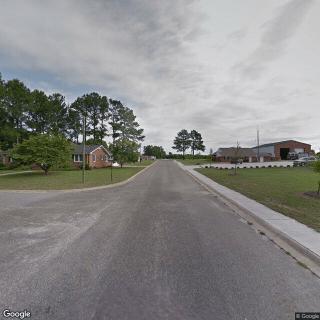
 55+ active adult community with multiple common spaces and outdoor amenities.





 When to Transition from Assisted Living to Memory Care: Key Indicators, Steps, and Finding the Right Community
 Assisted Living and Memory Care: Understanding Their Core Differences
 Beyond the Bingo Hall: 50+ Enriching Activities for Seniors in Assisted Living