
24 East Monet Court, Flat Rock, NC 28731
For more information about senior living options: (866) 208-4318
Overall Review of Soundview Family Care Homes Unit F
Pros
 The review notes a family atmosphere.
- The setting is described as family-oriented.
Cons
 It is all about the money.
- The lady of the house does not help anyone and talks down to residents; she may need to be replaced.
Review
Soundview Family Care Homes Unit F in Flat Rock, NC is best suited for seniors who want a small, home-like assisted living experience and for families who prize warmth, privacy, and direct, personal interactions over clinical polish or extensive programming. The setting is intimate enough to feel like a true family environment, which can translate into easier communication and more flexible daily routines. This option works for residents who are relatively independent but still benefit from simple, everyday support and companionship. It is not the right fit for those seeking robust clinical oversight, frequent intensive assistance with daily tasks, or a fully structured, price-transparent care model. In short, the community shines where atmosphere and personal touch trump formal programs.
Those who should consider alternatives are residents with higher care needs that require consistent ADL support, regular nursing oversight, or rapid emergency response. Families seeking transparent pricing, detailed service agreements, and reliable accountability will likely favor larger licensed communities or established in-home care arrangements with documented caregiver supervision. Dementia-specific programming, predictable schedules, and mobility-heavy routines are better served in settings with formal staffing and clear escalation protocols. For anyone prioritizing medical-grade oversight or clear, published cost structures, this house-based approach may fall short.
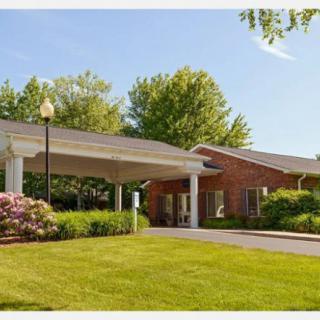
The standout strength here is the genuine family atmosphere. The intimate scale can foster closer relationships between residents and caregivers, allowing for more personalized, informal adjustments to daily routines. Meals, visitation, and privacy often feel more flexible than in a larger campus, and the sense of belonging can be meaningful for residents who resist institutional vibes. For families, the appeal can be cost-consciousness and a sense that care happens in a home setting rather than a clinical corridor. Yet these positives depend on consistent, respectful care and the absence of a punitive or dismissive culture, which is not guaranteed in a small operation.
The most troubling notes center on the management and care dynamic. One review paints a picture of prioritizing money over people, with the operator described as unhelpful and inclined to speak down to residents. That combination, perceived financial emphasis paired with a neglectful or disrespectful care approach, undermines safety and dignity. Another line of commentary hints that the supposed family atmosphere does not automatically translate into reliable, hands-on support. With only three reviews and a 2.3 rating, the available data flag real risk that promises of warmth may not align with daily practice, and that residents could encounter inconsistent staffing and variable quality of care.
Balancing pros and cons, this setting may still serve a niche: an otherwise independent senior who wants companionship and light assistance, delivered in a home-like frame, might experience enough benefit to offset the flaws. For anyone requiring steady help with bathing, dressing, medication management, or emergency responsiveness, the drawbacks dominate. The absence of clear, documented pricing and care plans compounds the difficulty of assessing true value, making prospective families wary about unexpected costs or service gaps. In practice, true value here rests on a demonstrated culture of genuine assistance rather than sentiment or superficial flexibility.
Recommendation and next steps: approach with a disciplined checklist. Schedule in-depth conversations with the operator about staffing levels across day and night, supervision arrangements, and emergency protocols. Request a copy of the current individualized care plan, a detailed price breakdown, and concrete examples of daily routines. Talk with current residents or families about responsiveness and respect, not just friendliness. Verify the license status, any past enforcement actions, and compare against nearby licensed facilities that offer stronger oversight yet similar affordability. If the emphasis remains on a true family setting, pursue it only after confirming consistent, respectful interactions and a documented commitment to resident welfare rather than personal or financial priorities. If those assurances cannot be obtained, explore alternatives with clearer accountability and professional standards.
 6 resident community capacity
 Assisted Living
 Board and Care Home
 Respite Care
 Cable or satellite TV
 Dining room
 Fully furnished
 Garden
 Housekeeping services
 Move-in coordination
 Outdoor space
 Telephone
 Wi-Fi/high-speed internet available
 Asheville Regional (13 miles away)
 24-hour supervision
 Activities of daily living assistance
 Assistance with bathing
 Assistance with dressing
 Assistance with transfers
 Diabetes diet
 Meal preparation and service
 Medication management
 Special dietary restrictions
 Transportation arrangement (medical)
 Transportation to doctors appointments


 How and When Medicaid May Cover Assisted Living Costs
 A Detailed Exploration of Assisted Living Medicaid Waivers Across the United States
 Comprehensive Residential Support and Assisted Living Solutions for Individuals with Disabilities