

1124 Cedar Creek Road, Fayetteville, NC 28312
For more information about senior living options: (866) 208-4318
Cumberland Village Assisted Living Costs & Pricing
Cumberland Village Assisted Living offers competitive pricing for its residents compared to the broader market in Cumberland County and the state of North Carolina. For a semi-private room, the monthly cost is $2,600, significantly lower than both the county average of $3,185 and the state average of $3,584. Similarly, their one-bedroom accommodations are priced at $2,900, which not only undercuts the county's average of $4,253 but also provides substantial savings against the state's average of $4,055. This positioning reflects Cumberland Village's commitment to accessible senior living options that prioritize affordability without compromising on quality care or comfort.
| Floor plans | Cumberland Village Assisted Living | Cumberland County | North Carolina |
|---|---|---|---|
| Semi-Private | $2,600 | $3,185 | $3,584 |
| 1 Bedroom | $2,900 | $4,253 | $4,055 |
Assisted Living communities with a similar price nearby
-
from -$305 / mo
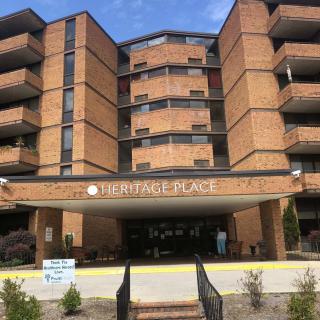
Heritage Place
$2,295 to $3,295 / month2.7 miles away -
from -$200 / mo
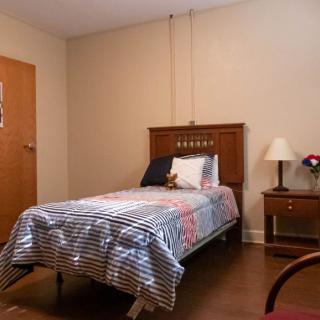
Hope Springs
$2,400 to $2,800 / month24.3 miles away -
from +$295 / mo
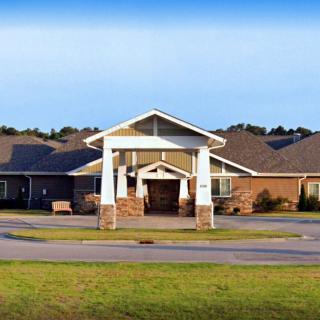
Wickshire Creeks Crossing
$2,895 to $3,395 / month15.5 miles away -
from +$250 / mo
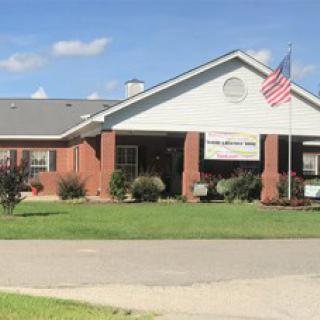
Integrity Open Arms
$2,850 to $3,750 / month22.6 miles away
Overall Review of Cumberland Village Assisted Living
Pros
 The staff are willing to assist.
- The building is maintained well.
- They offer apartment-style rooms with a kitchenette, and the spaces are very clean, nice, and warm.
- The tour staff were very nice, professional, and courteous.
- They have an in-house theater and restaurant-style dining.
- The new administration is wonderful and the staff is a terrific team.
- The residents are loved and cared for.
- Most of the aides are nice and helpful.
Cons
 The facility is disappointing because some staff are defensive and incompetent.
- The Director seems to dislike residents asking valid questions about a patient and monitors staff to prevent accountability.
- The Director is described as defending her staff to cover up policy violations.
- The place is a dump, with overgrown grass in the smoking area and snakes entering the building.
- The majority of staff are useless.
- The facility smells like urine, feels disorganized, and lacks proper upkeep.
- The reviewer would not recommend this facility to anyone.
- The building is dirty; bathrooms and rooms are not cleaned properly, with missing tiles and malfunctioning utilities.
- The food is mostly canned or processed and not healthy for cardiac or diabetic residents.
- There is a persistent staff shortage; med techs and aides often work long shifts and cleaners avoid work.
- Transportation is inadequate; appointments are not arranged as requested.
- Nurses are mean to residents, and the administrator protects them, compromising resident care.
- Privacy is poor; complaints to the administrator are repeated publicly.
- The facility is dark, old, small, and depressingly dated.
- The food is almost inedible, improving only with advance notice of inspections.
- There are no emergency call bells, and no nurses or CNAs are employed.
- Exterior doors are alarmed but not locked or checked when alarms go off.
- Aides are often distracted by cell phones on duty.
- Some units have no WiFi and no in-room amenities, with high rents and additional fees.
Review
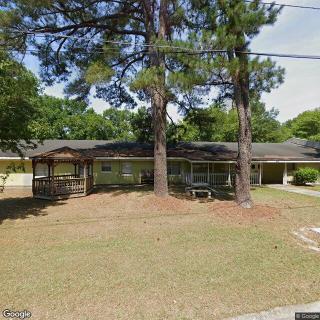
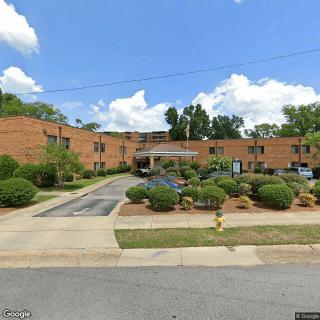
Cumberland Village Assisted Living is best suited for seniors who want apartment-style living within a compact, homey campus and who value social programming, approachable staff, and daily conveniences over a polished, state-of-the-art facility. The community can deliver a comfortable, independent-inclined environment with studios or one-bedroom units that include kitchenettes, plus on-site dining, a barber/beauty shop, and an in-house theater. This setup appeals to residents who prize a welcoming atmosphere and predictable routines more than ultra-modern amenities. It is not ideal for those who require steady, hands-on medical oversight, a consistently pristine building, or a fully contemporary care model.
Those weighing alternatives should consider options with stronger clinical staffing, tighter cleaning standards, and more robust safety systems. For residents with progressive needs, dementia or complex medical conditions, and families seeking transparent administration and reliable crisis response, seeking a facility with full-time licensed nurses, CNAs, and consistently available med techs could be essential. The fit may also be questionable for anyone who expects spacious common areas, expansive dining venues, or a facility that shows minimal aging in its infrastructure.
On the upside, the apartment-style living remains a core strength. Residents can maintain independence while still accessing on-site dining, which reduces transport hassles, and social life can flourish through in-house events, a theater, and casual lounges. Staff that perform well in supportive roles contribute to a warm, family-like feel when management and frontline teams align around resident-centered care. The presence of a newer administration in some accounts signals the potential for improved consistency, morale, and teamwork that could lift day-to-day experiences if sustained.
The strongest red flags are substantial and recurrent. Odors and cleanliness lapses in some rooms and bathrooms point to ongoing maintenance gaps, while the facility’s age translates into cramped dining areas, dim lighting, and dated fixtures. Staffing reliability is a persistent concern, with reports of insufficient med tech coverage, limited nursing presence, and delayed responses to needs. Safety and daily care questions surface in memories of alarmed exterior doors, inconsistent emergency bells, and stories of misdirected medications. Food quality appears inconsistent, leaning toward processed offerings in some cases, which matters for cardiac or diabetic diets. An administrative climate described as defensive or disorganized compounds skepticism about problem-solving and accountability.
Taken together, the favorable elements can offset loneliness and disconnection for residents who prize companionship, routine, and accessible amenities, especially those capable of directing much of their own day-to-day needs. The trade-off becomes pronounced for residents requiring dependable medical oversight, constant assistance, or rapid intervention. The warmth of residents and the community’s social life can coexist with operational fragility, creating a mixed experience where intimate care is possible, but reliability and transparency may not always meet expectations. This makes Cumberland Village a viable choice for self-directed seniors who value a homey, social setting and are comfortable monitoring and negotiating care gaps over time.
Before deciding, several practical steps are essential. Schedule tours at different times to observe staff interactions during peak activity and check how the day-to-day operates when the facility is busiest. Ask pointed questions about nurse availability, med tech coverage, after-hours support, and the cadence of routine maintenance. Inspect bathrooms and living spaces for cleanliness, and evaluate dining service during a meal to judge quality, portion size, and dietary accommodations. Verify safety features, including alarms, call systems, and door security, and insist on transparent reporting channels so families receive timely updates about any issues. Cumberland Village fits a niche for independent-minded seniors seeking a home-like setting with social richness; however, it demands careful due diligence and a clear tolerance for potential gaps in clinical oversight and maintenance. If those gaps are unacceptable, pursuing alternatives with stronger clinical staffing and more modern infrastructure is strongly advised.
 163 resident community capacity
 1-bedroom apartments
 Assisted Living
 Activities on-site
 Air-conditioning
 Beautician on-site
 Cable or satellite TV
 Computer center
 Devotional services off-site
 Dining room
 Financing advice
 Fitness room
 Fully furnished
 Gaming room
 Garden
 Guest parking
 Housekeeping services
 Indoor common areas
 Kitchenette
 Laundry
 Move-in coordination
 Outdoor common areas
 Party space
 Private bathrooms
 Respite or short term stays offered
 Restaurant-style dining
 Small library
 Telephone
 Wellness center
 Wheelchair accessible showers
 Wi-Fi/high-speed internet available
 Fayetteville Municipal (3 miles away)
 Community operated transportation
 12-16 hour nursing
 24-hour call system
 Ambulatory care
 Assistance with bathing
 Assistance with dressing
 Assistance with transfers
 Diabetes diet
 Diabetic care
 Incontinence care
 Medication management
 Mental wellness program
 Physical therapy
 Special dietary restrictions
 Arts and crafts
 Book club
 Concierge services
 Educational speakers / life long learning
 Games
Games Live musical performances
 Planned day trips
 Wii bowling
 English



 Comprehensive Insights into Activities of Daily Living (ADLs) and Their Assessment
 Guiding Elderly Parents Who Refuse Assisted Living: 6 Practical Steps
 Your Comprehensive Guide to Luxury Assisted Living: Elevated Facilities, Amenities, and Costs