
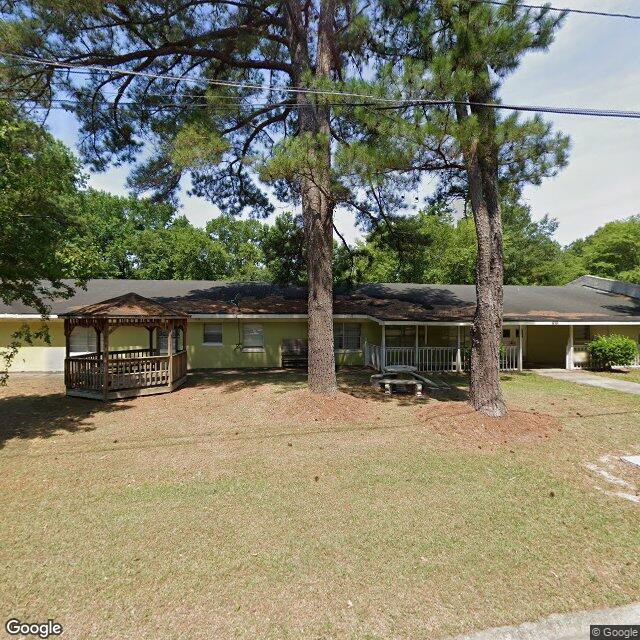
610 Mann Street, Fayetteville, NC 28301
To contact a resident: (910) 323-3332
For more information about senior living options: (866) 208-4318
Mann Street Residential Care Facility Costs & Pricing
Mann Street Residential Care Facility offers competitive pricing for its residents, particularly when compared to broader regional averages in Cumberland County and the state of North Carolina. For a semi-private room, the facility charges $2,000 per month, significantly lower than the county average of $3,185 and the state average of $3,584. Similarly, the cost for a studio room at Mann Street is set at $2,500, which also undercuts both the county's average of $4,212 and North Carolina's statewide figure of $4,020. This pricing strategy not only reflects a commitment to affordability but also positions Mann Street as an appealing option for individuals seeking quality care without compromising their financial resources.
| Floor plans | Mann Street Residential Care Facility | Cumberland County | North Carolina |
|---|---|---|---|
| Semi-Private | $2,000 | $3,185 | $3,584 |
| Studio | $2,500 | $4,212 | $4,020 |
Assisted Living communities with a similar price nearby
-
from +$295 / mo
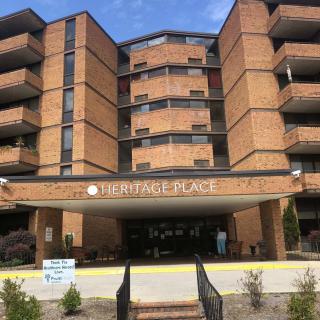
Heritage Place
$2,295 to $3,295 / month1.0 miles away -
from -$150 / mo
Red Springs Assisted Living
$1,850 to $2,250 / month23.2 miles away -
from -$200 / mo

Cedar Creek Assisted Living
$1,800 to $2,000 / month2.1 miles away -
from -$200 / mo
Pine Valley Adult Care
$1,800 to $2,300 / month3.4 miles away
Overall Review of Mann Street Residential Care Facility
Cons
 The center looked run down and had no parking for anyone.
- There was no one to answer the door or return phone calls, leaving questions about what kind of place it was.
- The reviewers would not consider staying there.
- It was described as a horrible place, with people appearing unwashed and clothes looking dirty.
- The sheets and pillowcases looked badly worn and dirty.
- The person who distributes drugs had been called out for mistakes made with the family member.
- The staff were hateful and disrespectful when spoken to.
Review
Best suited for nobody with meaningful care needs. Mann Street Residential Care Facility in Fayetteville presents a stark mismatch for families seeking reliable, respectful, and hygienic assisted living. The pattern of complaints paints a picture of a setting where basic expectations, prompt communication, clean living spaces, and appropriate handling of medications, are routinely unmet. In practical terms, this facility is most appropriate for residents who can tolerate serious lapses in hygiene and safety and whose families are prepared to bear the burden of managing care and chasing responses. For anyone who values prompt staff availability, clean rooms, and dignified daily routines, this community does not meet the mark.
Those weighing alternatives should exclude this option if the objective is consistent, attentive care. Families should consider facilities with verified licensing and a track record of responsive management, clean environments, and respectful staff. Cases where a facility’s core functions, reception, housekeeping, medication administration, are repeatedly flagged as problems are red flags that should push toward other choices. If budget constraints are governing, still prioritize facilities with good inspection histories and transparent communication channels; cost cannot justify chronic neglect or poor safety practices.
The core drawbacks are overwhelming. There is a pattern of unreturned calls, unanswered doors, and ignored visitor cues; parking is inadequate, signaling a lack of guest consideration and access control. The facility appears run down, which correlates to concerns about resident safety and comfort. Hygiene issues are explicit in the feedback, residents’ clothes and linens described as dirty, with a caregiver role connected to medication reported as problematic and disrespectful. With no evidentpositive attributes documented to offset these, the cons become decisive. If any potential advantages exist, such as affordability or proximity, they are not evidenced in the reviews and cannot function as meaningful counterweight to the risks.
Prospective families should insist on firsthand observation. Tours should include time spent with staff, direct observation of how medications are administered, and evaluation of cleanliness in resident rooms and common areas. Ask to review state inspection reports and licensing status, complaint history, and staffing levels. Observe whether questions are answered promptly and whether visitors are welcomed respectfully. Request references from current families and the facility’s local ombudsman. If management cannot demonstrate reliable responsiveness on a trial basis, move on.
Compared with better-rated options in Fayetteville and the surrounding area, this facility falls short on the basics. Look for facilities with stable leadership, transparent operations, and a track record of maintaining clean environments and safe medication practices. Ask about staff-to-resident ratios, training, and how emergencies are handled. Any decision should include a plan for regular family involvement and clear channels for reporting concerns. The absence of a strong, proactive approach to care here should steer families toward alternatives that prioritize dignity, safety, and consistent communication.
Bottom line: the reviews present a concerning portrait that raises serious red flags for anyone planning long-term care. Mann Street Residential Care Facility is not a suitable fit for most seniors or families seeking dependable care and should be replaced in the search with options that demonstrate cleanliness, respect, and reliable management. Informed families will evaluate alternatives that foreground consistent responsiveness, resident comfort, and compliant operations, ensuring peace of mind rather than ongoing worry.
 Assisted Living
 Activities on-site
 Devotional services off-site
 Indoor common areas
 Respite or short term stays offered
 Wheelchair accessible showers
 Fayetteville Municipal (3 miles away)
 Ambulatory care
 Diabetic care
 Meals provided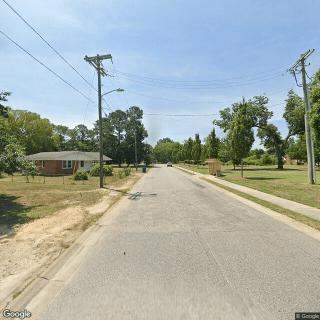
 Affordable 2-bedroom option with nearby healthcare, dining, and an active community.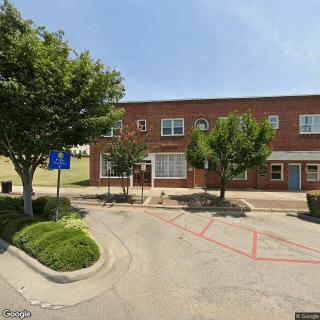




 Medicare Coverage for Assisted Living: An In-Depth Exploration
 Choosing the Right Senior Care: A Detailed Exploration of Assisted Living and Nursing Homes
 Understanding the True Cost of Assisted Living in 2025: A Comprehensive Guide