For more information about senior living options: (866) 208-4318
5 from 84 reviews
5 stars
83
4 stars
1
3 stars
0
2 stars
0
1 stars
0
Overall Review of True Care Home Care
common25 reviews mention this
They listen and don’t rush
Residents say appointments feel unhurried, with time to be heard.
Multiple residents describe feeling listened to and not dismissed, with providers taking time to get to the bottom of concerns. Several mention that visits include extended time in the appointment, rather than quick, rushed check-ins. Residents also point to clear explanations and follow-up after visits, which they say helps them understand and stick with the plan.
differentiator20 reviews mention this
Holistic care with root causes
Residents describe whole-person, root-cause focused care instead of quick symptom fixes.
A recurring theme is that care goes beyond treating symptoms, with residents describing a whole-person approach that considers physical and mental wellness. Many reviews specifically mention the provider looking for underlying causes rather than defaulting to short-term fixes. Some residents also describe coaching or discussions that connect lifestyle, stress, and overall well-being to their care plan.
common8 reviews mention this
Accessible via text and follow-up
Residents highlight fast access through direct messaging and timely follow-up.
Several reviews describe easy, direct communication—such as texting the provider for scheduling help or quick responses. Residents also mention follow-up after visits and being able to reach someone without the typical back-and-forth they associated with other systems. For urgent issues, reviewers describe being able to get addressed quickly and being kept updated after care decisions.
caveat7 reviews mention this
Membership pricing feels affordable
Residents describe the membership model as a more affordable way to get care.
A number of residents contrast the membership approach with the high costs they associate with urgent care or insurance-driven care. Reviews mention paying lower monthly amounts and feeling like they can access care without the usual financial friction. A few also note that affordability is part of why they signed up or chose to continue.
common4 reviews mention this
Dry needling and rehab help
Residents mention dry needling as a helpful part of care.
Some residents specifically call out dry needling as a service that improved pain and helped them stay on track with treatment. A review also describes coming for dry needling and then continuing for broader primary care. Another notes receiving dry needling quickly as part of pain management during a visit.
How we summarize
Counts show how many written reviews mention each theme; a review can touch several themes, and only frequently mentioned themes are displayed.
Features
Transportation
Fayetteville Municipal (4 miles away)
Nearby Places of Interest
This area of Fayetteville, North Carolina, offers a convenient and diverse range of amenities for senior living. With several physicians, pharmacies, and hospitals within a short distance, you can rest assured that your medical needs will be well taken care of. Additionally, the variety of restaurants and cafes nearby provide plenty of options for dining out or grabbing a quick bite to eat. For entertainment, there is a movie theater just a few miles away as well as a beautiful park with Smith Lake for leisurely walks and outdoor activities. Overall, this area provides easy access to essential services and recreational opportunities, making it a great choice for seniors looking for a comfortable and convenient place to call home.
Physicians
Cape Fear Valley (3.9 miles)
North Ramsey Dialysis Center (4 miles)
Cape Fear Orthopaedic Clinic (6.4 miles)
Family Medicine and Acute Care of Sandhills (17.4 miles)
Skilled nursing facilities (SNFs) provide high-level medical care and rehabilitation for short-term recovery, typically covered by Medicare after hospitalization, while nursing homes focus on ongoing custodial care for chronic conditions, mainly funded by Medicaid or private payments. The staffing and regulatory structures differ significantly between the two, necessitating clarity for families in choosing appropriate long-term care options.
Nursing home care costs in the U.S. vary significantly based on location, level of care, and amenities, with private room prices ranging from approximately $6,700 to over $30,000 monthly. Families need to explore various payment options and conduct thorough research to manage these expenses effectively.
Nonmedical home care provides assistance with daily activities and companionship for individuals wishing to maintain independence and quality of life at home, without medical intervention. Its growing popularity is driven by an aging population, the need for supportive environments for recovery, and the emotional benefits of caregiver companionship, while costs vary based on service frequency and location.
Get PricingAsk A QuestionSchedule A TourContact Senior Advisor
By clicking submit, you agree to our Partner's Terms of Use. You
also consent to receive calls and texts, which may be autodialed, from our Partner. Your consent is not a condition to
using our Partner's service. Please visit our Partner's Privacy Policy for information about their privacy practices.

 Fayetteville Municipal (4 miles away)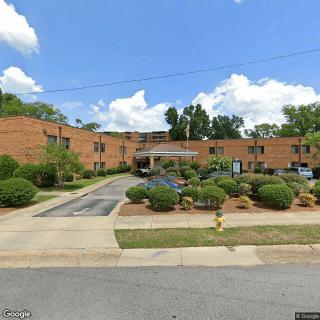
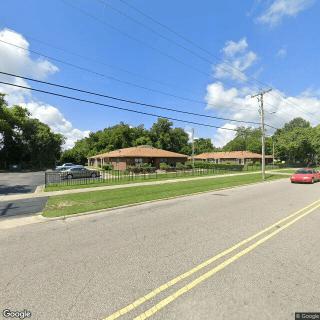
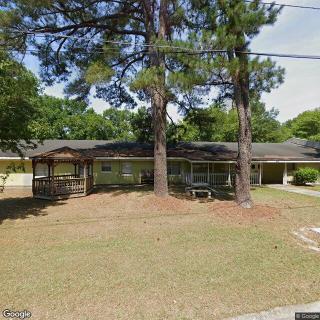
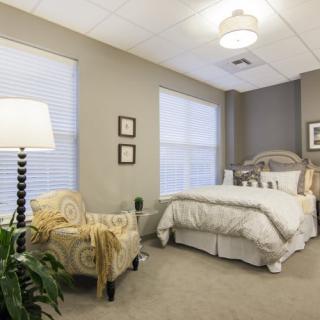
 Home-like assisted living with on-site activities, diabetic care, and nearby conveniences.



 Skilled Nursing Facilities vs. Nursing Homes: Making Sense of the Differences
 A Detailed Examination of Nursing Home Costs Across the U.S.
 Exploring Nonmedical Home Care: Understanding Services, Costs, and Financial Approaches